
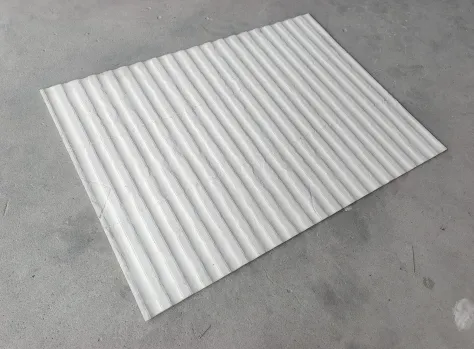
When we design a building, we're not just creating a structure for today. We're crafting a legacy. But what happens when that legacy is constantly under assault from nature itself? Scorching sun, torrential downpours, biting frosts, and relentless winds all seek to wear down our creations. The quest for a material that not only looks stunning but can truly stand the test of time and weather has led to a revolutionary innovation in the construction world.
This is the story of a material engineered for resilience, a modern marvel we can call a "Century Stone." It's about how advanced technology, embodied in COLORIA GROUP's Modified Cementitious Material (MCM) series, provides a robust shield for our homes and commercial spaces, ensuring they remain as beautiful and strong decades from now as they are on day one. Forget what you thought you knew about building facades. Let's explore how this next-generation material laughs in the face of harsh weather.
Before we dive into its weather-defying capabilities, it's crucial to understand what this material actually is. MCM, or Modified Cementitious Material, isn't quarried from a mountain or fired in a blazing kiln like traditional materials. It represents a paradigm shift in material science. The magic begins with a blend of natural ingredients—primarily modified inorganic powders like soil, sand, and stone powder—mixed with a small amount of water-based binder.
This mixture then undergoes a unique low-temperature curing process. Unlike ceramics or traditional bricks that require firing at over 1200°C, MCM is formed at a fraction of that temperature. This environmentally conscious process not only dramatically reduces carbon emissions and energy consumption, making them fantastic sustainable building materials , but it also imparts a unique molecular structure to the final product. This structure is the very source of its incredible strength and flexibility, a combination rarely found in conventional building materials.
Think of it as a high-tech evolution of natural stone. It has the aesthetic soul of stone, clay, and wood, but with a scientifically enhanced physique. This process allows COLORIA GROUP to create a vast array of products, from immense, seamless panels in the MCM Big Slab Board Series to the incredibly versatile and pliable MCM Flexible Stone, and even intricate, custom patterns with the MCM 3D Printing Series. All these variations share the same core DNA of durability.
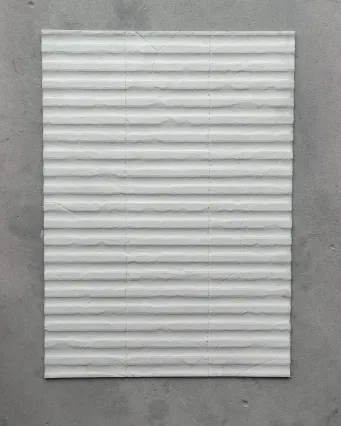
A building's facade is its first line of defense. Let's put our "Century Stone" through the wringer and see how it performs against the most common and destructive weather phenomena.
In regions like the Middle East, Australia, or the American Southwest, the sun is an unforgiving force. The dual attack of intense ultraviolet (UV) radiation and scorching temperatures can wreak havoc on lesser materials.
From tropical monsoons to coastal sea spray, water is a persistent enemy of buildings. It seeps into pores, promotes mold and algae growth, and carries corrosive salts.
In cold climates, water becomes a powerful mechanical force. The freeze-thaw cycle is one of the most destructive natural processes for building materials. Water penetrates the surface pores of a material, and when temperatures drop below freezing, this water turns to ice and expands by about 9%. This expansion exerts immense internal pressure, creating micro-cracks. With each cycle, the cracks grow larger, eventually causing the material's surface to spall, chip, and crumble.
This is where MCM truly shines. Its defense is two-fold:
To truly appreciate the durability of MCM, it helps to see how it stacks up against the alternatives. A quick glance at the properties of common facade materials reveals a clear picture. The following table offers a simplified but insightful comparison.
| Feature | COLORIA MCM ("Century Stone") | Traditional Natural Stone | Ceramic / Porcelain Tile | Exterior Paint / Stucco |
|---|---|---|---|---|
| Freeze-Thaw Resistance | Excellent due to low absorption and flexibility. No spalling. | Variable. Porous stones (sandstone, limestone) are susceptible. | Good, but brittleness can lead to cracking under stress. Grout is a weak point. | Poor. Prone to cracking, peeling, and blistering. |
| UV & Heat Resistance | Excellent. Color-integrated mineral pigments prevent fading. Thermally stable. | Excellent color stability, but can have high thermal mass, retaining heat. | Excellent color stability, but can become brittle. Risk of delamination. | Poor to Fair. Fades over time, requires frequent repainting. |
| Moisture Resistance | Excellent. Low absorption yet breathable, preventing mold and rot. | Variable. Depends on porosity. Can be prone to staining and efflorescence. | Excellent, but non-breathable. Grout lines can fail and let water in. | Poor. Can trap moisture, leading to underlying structural issues. |
| Flexibility & Impact | Good to Excellent. Can withstand minor impacts and building settlement. Flexible series can wrap curves. | Poor. Heavy, rigid, and brittle. Prone to cracking on impact. | Poor. Very brittle and easily shattered on impact. | N/A (Surface coating only) |
| Weight | Very Lightweight (Approx. 4-8 kg/m²). Reduces structural load. | Very Heavy. Requires significant structural support and complex anchoring. | Moderately Heavy. Heavier than MCM, especially large format tiles. | Negligible. |
| Eco-Friendliness | Excellent. Low-energy production from natural materials, recyclable. | Fair. High energy for quarrying and transport. Finite resource. | Poor. Extremely high-energy firing process, high carbon footprint. | Fair. Often contains VOCs, requires regular re-application. |
True durability isn't just about weathering storms. It's about a material's overall performance and its contribution to the building's entire lifecycle. MCM excels here as well.
Safety is a non-negotiable aspect of durability. Composed of inorganic, non-combustible materials, MCM products typically achieve a Class A fire rating—the highest classification for building materials. They do not burn, do not produce toxic smoke, and do not contribute to the spread of flames. This provides invaluable peace of mind and an essential layer of protection for a building's occupants and assets.
This is a game-changer. Traditional stone can weigh over 80 kg per square meter, while MCM weighs a small fraction of that. This has profound implications for durability. A lighter facade means less dead load on the building's foundational and structural frame. This reduces stress on the entire structure over its lifetime, contributing to long-term stability. It also makes installation safer, faster, and more economical, as it requires less heavy machinery and less robust (and expensive) anchoring systems.
In our modern world, buildings face more than just natural weather. Urban pollution and acid rain can stain and corrode surfaces. MCM's chemically stable and non-porous nature makes it highly resistant to such chemical attacks. It's easy to clean and doesn't readily stain, helping the building maintain its fresh appearance even in a harsh urban environment. This ease of maintenance is a key component of long-term aesthetic durability.
The challenge of creating enduring architecture in the face of increasingly extreme weather is real. The answer lies not in clinging to traditions that have shown their weaknesses, but in embracing innovation that provides holistic solutions.
COLORIA GROUP's MCM material is more than just another option for exterior wall cladding . It is a comprehensive system engineered for resilience. It is a "Century Stone" for the 21st century—a material that combines the timeless beauty of natural textures with the advanced performance that modern science can offer. Its ability to stand defiant against scorching heat, freezing cold, driving rain, and the relentless sun makes it a truly superior choice for any project, anywhere in the world.
By choosing a material that is lightweight, flexible, fire-resistant, and virtually immune to the ravages of weather, we are not just decorating a building; we are investing in its future. We are ensuring that the vision of the architect and the investment of the owner are protected for generations to come, creating a legacy that is as strong and enduring as the material that shields it.
Recommend Products












