


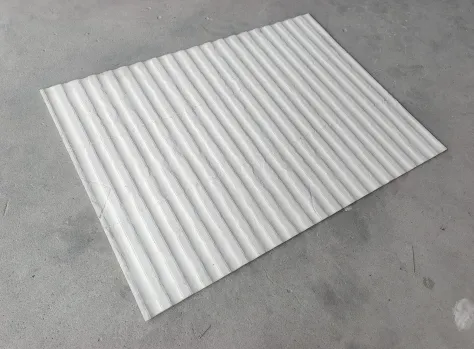
Imagine a building material born from the earth, yet refined by science to defy the very elements that shape its homeland. In the heart of the Arabian Peninsula, where the sun reigns supreme and temperatures soar to punishing extremes, the quest for such a material is not a matter of luxury, but of survival, sustainability, and architectural ambition. For decades, architects and builders in Saudi Arabia have grappled with a fundamental challenge: how to create structures that are not only visually stunning and culturally resonant but can also withstand the relentless solar onslaught without becoming colossal energy sinks. Traditional materials have offered a partial answer, but always with a compromise. Today, a new chapter is being written in the annals of desert construction, led by a revolutionary product that is earning its name as the "Century Stone." This is the story of how an advanced material is redefining the possibilities for building in one of the world's most demanding climates.
At the forefront of this innovation is COLORIA GROUP, a company that has dedicated decades to perfecting a one-stop solution for the modern built environment. With a deep understanding of the market and a significant presence in Saudi Arabia, COLORIA GROUP has seen firsthand the limitations of conventional construction. This experience has fueled a commitment to pioneering materials that directly address the pain points of hot-climate architecture. This article will delve into the science and application of their flagship material, exploring why it's rapidly becoming the preferred choice for projects that demand durability, energy efficiency, and unparalleled design freedom in the Kingdom and beyond.
The Great Arabian Challenge: Building Against the Sun
To truly appreciate the breakthrough that "Century Stone" represents, we must first understand the battlefield. The climate of Saudi Arabia is more than just hot; it's a multi-faceted assault on building envelopes. It's a test of endurance that few materials pass with flying colors.
The primary adversary is, of course, the intense and prolonged solar radiation. Surface temperatures on walls and roofs can easily climb to 80-90°C (176-194°F), creating a massive heat gradient between the outside and the desired cool interior. This constant thermal load is the main driver of the region's astronomical air conditioning costs, putting immense strain on national power grids and contributing to a significant carbon footprint. A building's facade is its first line of defense, and if that line is weak, the war for a comfortable indoor climate is lost before it even begins.
Then there's the issue of thermal shock. The desert climate is characterized by dramatic diurnal temperature swings. A surface baked to a scorching temperature in the afternoon can cool rapidly as the sun sets, with temperature drops of 20-30°C or more. This constant cycle of expansion and contraction exerts immense stress on materials. Rigid, brittle materials can develop micro-cracks that grow over time, leading to structural fatigue, water ingress, and eventual failure.
Let's take a look at the traditional toolkit and its inherent compromises:
- Natural Stone (Marble, Granite): While undeniably beautiful and prestigious, heavy natural stone is a major heat culprit. It possesses high thermal mass, meaning it absorbs vast amounts of heat during the day and slowly radiates it into the building long after sunset. It's like having a giant, slow-release heater strapped to your walls. Furthermore, it is incredibly heavy, making transportation and installation costly and labor-intensive. Its rigidity also makes it susceptible to cracking under thermal stress.
- Precast Concrete: The workhorse of modern construction, concrete is strong and relatively inexpensive. However, it is also dense, heavy, and a poor insulator. It readily conducts heat, and like natural stone, its thermal mass can work against energy efficiency goals. Aesthetically, it can be monotonous, and achieving interesting finishes often requires additional, costly treatments that may not be durable under harsh UV exposure.
- Metal Cladding: Sleek and modern, metal panels are a popular choice. Yet, in a climate like Saudi Arabia's, they can turn into dangerously hot surfaces. Their high thermal conductivity means they transfer heat almost instantly. Significant expansion and contraction can lead to noisy "oil-canning" effects and place stress on fasteners and sealant joints, creating potential points of failure. Glare can also be a significant issue for surrounding buildings and public spaces.
- Stucco & Plaster (EIFS): While offering some insulative properties, traditional stucco and Exterior Insulation and Finish Systems (EIFS) are essentially surface coatings. They are highly susceptible to cracking from thermal stress and building movement. The intense UV radiation can cause colors to fade and chalk quickly, leading to a tired, worn appearance that requires frequent and costly repainting and maintenance.
The conclusion is clear: a new material was needed. One that didn't just resist one of these challenges but addressed all of them holistically. A material that could offer the beauty of stone, the versatility of plaster, and the performance of a high-tech insulator, all in one.
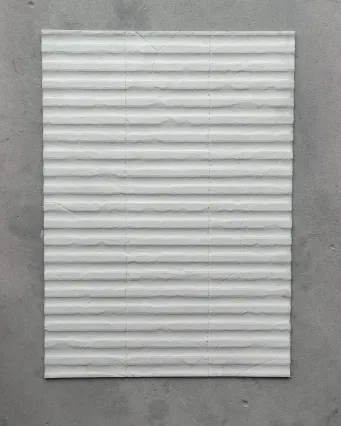
The Science of Century Stone: Decoding Modified Cementitious Material (MCM)
Enter "Century Stone," the conversational name for a truly remarkable class of material: **Modified Cementitious Material**, or MCM. This isn't just a minor improvement on an old idea; it's a fundamental rethinking of what a building cladding can be. Developed and perfected by COLORIA GROUP, MCM is a composite material that cleverly combines the humble and abundant elements of the earth—natural soil, sand, and mineral powders—with advanced polymer technology.
The manufacturing process itself is a key part of its sustainable and performance story. Unlike traditional ceramics and bricks that are fired at temperatures exceeding 1200°C, or the energy-intensive production of cement, MCM is formed through a low-temperature curing process, typically below 150°C. This drastically reduces the embodied energy and carbon footprint of the material, making it an inherently green choice from the very start. The material is essentially shaped and then cured, locking the modified polymers and mineral particles into a stable, yet uniquely micro-flexible, matrix.
So, how does this unique composition and manufacturing process translate into superior performance in the heat of Saudi Arabia? The magic lies in a combination of three key properties.
1. Exceptional Thermal Resistance (Low Thermal Conductivity)
This is the primary weapon against the sun. Thermal conductivity measures how easily heat passes through a material. Dense materials like stone and concrete have high conductivity; they are thermal bridges that funnel outdoor heat directly to the interior. The unique composition of **Modified Cementitious Material** creates a structure that is less dense and filled with microscopic voids. This structure inherently resists the transfer of heat. In practice, this means that on a scorching 50°C day, the outer surface of an MCM-clad wall will be hot, but significantly less of that heat energy will make it through to the inner wall. The building's insulation and air conditioning systems have a much easier job to do, leading to direct and substantial energy savings over the building's entire lifecycle.
2. Resilience to Thermal Shock (Inherent Flexibility)
Remember the dramatic temperature swings of the desert? This is where MCM truly shines and where rigid materials fail. The polymers integrated into the material's matrix give it a degree of flexibility that is unheard of in traditional mineral-based claddings. It can expand and contract with temperature changes without building up internal stresses. This elasticity prevents the formation of micro-cracks, ensuring the facade remains pristine and weathertight for decades. It doesn't become brittle or fatigued. This durability is why it earns the moniker "Century Stone"—it's built to last for generations, not just a few years before needing repairs.
3. Lightweight and Breathable
MCM is surprisingly lightweight, typically weighing only a fraction of natural stone of the same thickness. This has enormous cascading benefits. Transportation costs are lower. The building's structural load is reduced, potentially saving costs on the foundational and support structures. Installation is faster, safer, and requires less heavy machinery, a significant advantage for labor working in hot conditions. Furthermore, the material is "breathable," meaning it allows water vapor to escape from within the wall structure. This prevents moisture from getting trapped—a major cause of material degradation, mold, and "sick building syndrome."
The COLORIA GROUP Portfolio: A Complete Toolkit for Visionary Design
Understanding the science is one thing, but seeing how it translates into architectural reality is another. COLORIA GROUP doesn't offer a one-size-fits-all product. Instead, they have developed a comprehensive portfolio of MCM products, each tailored to specific aesthetic and functional needs, giving architects and developers a complete toolkit to realize their most ambitious visions.
For Grandiose Statements: The MCM Big Slab Board Series
In an era of modern minimalism, clean lines and monolithic surfaces are the hallmarks of luxury and sophistication. The **MCM Big Slab Board Series** caters directly to this design ethos. These are large-format panels that create vast, virtually seamless surfaces, minimizing the visual clutter of grout lines. Imagine the soaring lobby of a five-star hotel in Riyadh or the sleek facade of a corporate headquarters in Jeddah, clad in what appears to be a single, massive piece of travertine or granite.
The benefits go beyond aesthetics. Fewer joints mean a more continuous thermal and moisture barrier, enhancing the building's overall performance. The large panels also allow for faster installation compared to laying hundreds of smaller tiles, accelerating project timelines. The **MCM Big Slab Board Series** allows for the grandeur of monumental stone without the weight, cost, and thermal penalties, making it the intelligent choice for high-end projects that aim to make a powerful, modern statement.
The Pinnacle of Versatility: MCM Flexible Stone
Perhaps the most game-changing product in the lineup is the **MCM Flexible Stone**. This is where the material's unique properties are pushed to their most creative limits. As the name suggests, this material is pliable. It can be bent and wrapped around curved walls, flowing forms, arches, and columns with ease—a feat that is either impossible or astronomically expensive with traditional rigid materials.
For architects, this is liberating. It unshackles them from the tyranny of the straight line. They can now design organic, biomorphic structures and undulating facades that evoke the shifting desert dunes or the fluidity of water. The **MCM Flexible Stone** can be produced with the stunningly realistic texture and color variations of dozens of natural stones—from slate and sandstone to travertine and marble. Up close, it's virtually indistinguishable from the real thing, offering the timeless beauty of stone with the performance and design freedom of a 21st-century material. This product is not just a cladding; it's an artistic medium, perfect for creating iconic, landmark buildings that will define the skylines of emerging megaprojects across Saudi Arabia.
The Workhorse of the Desert: The MCM Project Board Series
While iconic buildings capture the imagination, the backbone of a nation's development lies in its large-scale residential and commercial projects. For these, efficiency, durability, and cost-effectiveness are paramount. The MCM Project Board Series is engineered to be the ultimate workhorse. It delivers all the core performance benefits of MCM—heat resistance, flexibility, and light weight—in a format optimized for rapid, large-scale deployment. It offers a wide range of standard finishes and colors that are both attractive and incredibly durable, resistant to fading under the intense UV exposure. This makes it the ideal solution for residential compounds, office parks, schools, and hospitals, ensuring that these essential buildings are not only built to last but also to be comfortable and energy-efficient for their occupants.
The Future of Customization: The MCM 3D Printing Series
Looking towards the future, COLORIA GROUP is pushing the boundaries even further with its MCM 3D Printing Series. This technology allows for an unprecedented level of customization. Intricate patterns, geometric motifs inspired by Islamic art, corporate logos, or bespoke textures can be digitally printed directly onto the material's surface. This fuses ancient artistic traditions with modern manufacturing, enabling the creation of facades that are not just protective skins but meaningful cultural expressions. It opens up a new world of possibilities for creating truly unique and personalized architectural identities.
Comparative Analysis: Century Stone vs. The Old Guard
The advantages of COLORIA GROUP's MCM are best understood when placed in a direct comparison with the materials it is designed to replace. The following table breaks down the key performance indicators for building in a hot climate like Saudi Arabia's.
| Feature | COLORIA GROUP MCM (Century Stone) | Natural Stone (Granite/Marble) | Precast Concrete | Metal Cladding |
|---|---|---|---|---|
| Heat Resistance (Insulation) | Excellent. Low thermal conductivity helps keep interiors cool and reduces energy costs. | Poor. High thermal mass absorbs and radiates heat into the building. | Poor. High thermal conductivity and thermal mass. | Very Poor. Conducts heat rapidly. Surface can become dangerously hot. |
| Weight | Very Light (approx. 4-8 kg/m²). Reduces structural load and transport costs. | Very Heavy (approx. 50-80 kg/m²). Requires heavy-duty structure and lifting. | Extremely Heavy. Requires significant structural engineering. | Light. Easy to handle and transport. |
| Flexibility & Crack Resistance | Excellent. Flexible nature absorbs thermal expansion and building movement, preventing cracks. | Poor. Rigid and brittle, prone to cracking under thermal shock. | Poor. Prone to cracking and requires control joints. | Good flexibility, but can suffer from "oil-canning" and fastener stress. |
| Installation Speed & Cost | Fast and cost-effective. Lightweight, easy to cut and handle, reducing labor time. | Slow and expensive. Requires specialized labor and heavy machinery. | Complex and slow. Requires cranes and extensive site coordination. | Generally fast, but requires a precise sub-frame system. |
| Design & Customization | Limitless. Can replicate any stone, wood, or brick. Can be curved, bent, and 3D printed. | Limited by what can be quarried. Curves are extremely difficult and expensive. | Limited. Achieving fine detail is challenging and costly. | Limited to panel shapes and colors. Curves are possible but complex. |
| Maintenance & Durability | Low. UV-stable colors, self-cleaning properties, resistant to alkali and efflorescence. Built to last. | Moderate. Can stain and requires periodic sealing. Prone to cracking. | Moderate to High. Can stain, spall, and requires sealing. | Low to Moderate. Coatings can scratch or fade. Sealants require periodic replacement. |
| Environmental Impact | Low. Made from natural materials with a low-temperature production process. High energy savings in use. | High. Destructive quarrying, high energy use for processing and transport. | Very High. Cement production is a major source of CO2 emissions. | Moderate to High. Metal production is energy-intensive. Some metals are recyclable. |
The data speaks for itself. Across nearly every metric crucial for hot-climate construction, MCM demonstrates a clear and compelling advantage. It is not just an alternative; it is a superior solution that resolves the fundamental contradictions of traditional materials. It provides the aesthetic richness of nature without the environmental cost, the durability of stone without the weight and rigidity, and the design freedom of a truly modern composite.
Building the Future: A Material for Vision 2030
Saudi Arabia is undergoing a transformation of historic proportions. Vision 2030 is not just an economic plan; it's a blueprint for a sustainable, technologically advanced, and culturally vibrant future. Ambitious giga-projects are rising from the desert, each one pushing the boundaries of what is architecturally possible. These projects demand materials that are aligned with this vision—materials that are smart, sustainable, efficient, and beautiful.
The "Century Stone," COLORIA GROUP's advanced Modified Cementitious Material, is precisely this. It is a material that enables the creation of energy-efficient buildings that reduce the strain on the nation's resources. It is a material that allows architects to design structures that are both globally iconic and deeply rooted in local heritage. It is a material that is durable enough to stand the test of time in one of the world's most challenging environments, ensuring that the legacy being built today will endure for generations.
As the Kingdom builds its future, the choices made in its construction will define its landscape for a century to come. By embracing innovative solutions like MCM, Saudi Arabia is not just erecting buildings; it is pioneering a new standard for desert architecture, proving that it is possible to build in harmony with the environment, creating a future that is as resilient as it is radiant.










