
When you think about a luxury hotel, what's the first thing that comes to mind? For many, it's the feeling you get the moment you arrive. Before you even step into the lobby, the building itself makes a statement. The facade—the very skin of the hotel—is your first handshake, your first welcome. It sets the tone for the entire guest experience. It whispers promises of luxury, comfort, and unforgettable memories. In the hyper-competitive world of hospitality, this first impression isn't just important; it's everything. A bland, uninspired exterior can be a silent business killer, while a stunning, unique facade can become an icon, a landmark that draws guests in and makes them want to share their experience with the world.
For decades, architects and designers have relied on a classic palette of materials to achieve this grand vision: heavy natural stone, gleaming glass, and stark concrete. These materials have their place, but they also come with a heavy price—literally and figuratively. The weight, cost, environmental impact, and design limitations of traditional materials have sent the industry searching for a better way. What if you could have the timeless beauty of marble, the rugged texture of slate, or a completely bespoke artistic finish, all in a material that is lightweight, flexible, and eco-friendly? This is where the concept of "Century Stone" comes into play, a revolutionary category of materials spearheaded by innovators like COLORIA GROUP. This isn't just another building material; it's a paradigm shift in how we think about architectural design, particularly for the facades that define our most ambitious hospitality projects.
Every hotel developer dreams of a building that stands out. But turning that dream into reality is a complex balancing act. You're juggling aesthetics, budget, construction timelines, long-term maintenance, and, increasingly, environmental responsibility. Using massive blocks of natural granite might look incredible, but the logistical nightmare of quarrying, transporting, and hoisting multi-ton panels can derail a project schedule and inflate costs astronomically. We've all heard stories from the construction world where a critical `operation failed` simply because the chosen material was too difficult to handle on-site, leading to delays and budget overruns.
Moreover, traditional materials can be surprisingly rigid in their application. Want a gracefully curving facade that mimics the flow of water? Good luck achieving that with solid marble. Want to embed intricate, custom patterns directly into your building's exterior? It's often prohibitively expensive or technically impossible with conventional methods. Designers find their creative visions constrained by the physical limitations of the materials they're given. It can feel like a `Failed to open stream` of creative possibility, forcing them to default to the same flat, boxy designs we've seen a thousand times before. The result? A sea of "me-too" hotels that fail to capture the imagination or create a lasting sense of place.
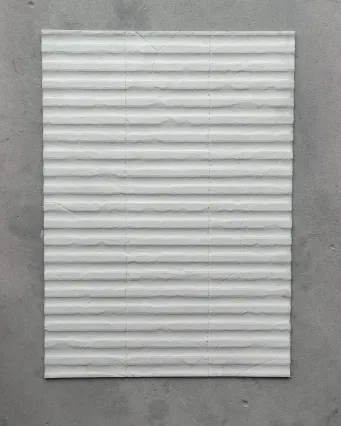
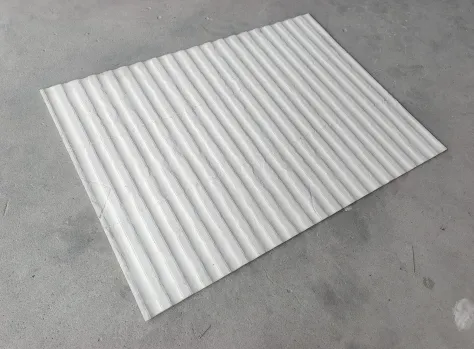
This is precisely the problem that COLORIA GROUP set out to solve. With decades of industry experience, they saw the need for a material that offered the best of all worlds. The result is their flagship MCM (Modified Cementitious Material) product line—what we're calling the "Century Stone." This isn't a synthetic plastic or a cheap imitation. MCM is an advanced composite material crafted from natural components. At its core, it's a blend of modified cement and natural aggregates like sand and stone powder, formed under high pressure and temperature.
The magic of this process is that it creates a material that is remarkably lightweight and flexible while retaining the authentic look and feel of natural stone, wood, brick, or leather. Imagine a sheet of "stone" that you can bend around a curved column, or a "travertine" panel so light that it can be installed on high-rise buildings without requiring massive structural reinforcement. This is the power of MCM. As a one-stop solution provider, COLORIA GROUP has engineered this technology to not just be a product, but a complete system for creating breathtaking architectural surfaces.
COLORIA GROUP's strength lies in its diverse range of MCM products, each tailored for specific design needs. This isn't a one-size-fits-all solution; it's a curated toolkit for architectural expression. Let's explore how each series can transform a hospitality project.
First impressions are often about scale. The MCM Big Slab Board Series is designed for maximum impact. These are large-format panels that can create vast, monolithic surfaces with minimal seams. Think of a hotel lobby where a single, uninterrupted expanse of what looks like polished onyx or rustic concrete sweeps across a feature wall. The effect is one of opulence and grandeur. Because these boards are so much lighter than traditional stone slabs of the same size, they can be used in places where natural stone would be impossible, like ceilings or high-up on facades, without requiring a massive steel sub-frame. This series is perfect for creating a powerful, luxurious welcome in lobbies, reception areas, and grand entrances.
This is where MCM truly shines and sets itself apart. The MCM Flexible Stone series is a game-changer for creative architecture. These sheets are thin, pliable, and can be applied to curved walls, columns, arches, and even complex, undulating surfaces. Imagine a hotel exterior that mimics the soft curves of a sand dune, a feature that's not just visually stunning but also deeply connected to its location, perhaps a desert resort in Saudi Arabia. Or picture an interior bar front wrapped seamlessly in a material that looks and feels like rugged slate. This flexibility liberates designers from the tyranny of the straight line, allowing for more organic, fluid, and memorable building forms. It's the perfect tool to make a hotel's architecture a piece of sculpture in its own right.
If flexible stone bends the rules, the MCM 3D Printing Series rewrites the book entirely. This cutting-edge technology allows for the creation of completely bespoke textures and patterns. Do you want the hotel's logo subtly embossed into the wall panels? Or a pattern inspired by local flora and fauna? Or a unique, geometric texture that plays with light and shadow? With 3D printing, any digital design can be translated into a tangible, three-dimensional surface. This opens up unparalleled opportunities for branding and storytelling. A hotel can literally weave its identity into the fabric of the building. This level of customization ensures that a project is not just unique, but deeply personal and resonant with its brand and location.
For large-scale commercial projects, practicality is paramount. The MCM Project Board Series is the workhorse of the family, engineered to deliver exceptional aesthetics and performance at a cost-effective price point. These boards offer a wide range of standard stone, brick, and wood finishes, making them ideal for covering large surface areas on hotel exteriors, corridors, and guest room balconies. They provide a consistent, high-quality finish that is durable, weather-resistant, and easy to install. This efficiency translates into faster construction times and lower labor costs, helping to keep massive projects on time and on budget without compromising on the final look.
In today's world, a beautiful building is not enough. It also needs to be a responsible one. Modern travelers, especially the younger generations, are increasingly making choices based on a brand's commitment to sustainability. Investors, too, are looking at the environmental, social, and governance (ESG) credentials of a project. A hotel's green-friendliness is no longer a "nice-to-have"; it's a core part of its brand value.
This is another area where COLORIA GROUP's MCM technology excels. The entire lifecycle of the product is designed with the environment in mind.
In an age of greenwashing, authentic credentials matter. If a project claims to be eco-friendly but its material `certificate verify failed` upon inspection, the reputational damage can be severe. By choosing a fundamentally green material like MCM, developers are not just making an aesthetic choice, but a powerful statement about their brand's values.
To truly appreciate the advantages of COLORIA GROUP's MCM "Century Stone," let's put it head-to-head with the materials traditionally used for hotel facades. The differences are stark and speak volumes about why MCM is the smarter choice for modern hospitality projects.
| Feature | COLORIA MCM (Century Stone) | Natural Stone (Marble/Granite) | Aluminum Composite Panel (ACP) |
|---|---|---|---|
| Weight | Extremely lightweight (approx. 4-8 kg/m²). Reduces structural load and transport costs. | Extremely heavy (approx. 50-80 kg/m²). Requires significant structural reinforcement. | Lightweight (approx. 5-8 kg/m²), but can feel less substantial. |
| Flexibility & Form | Highly flexible. Can be applied to curved, arched, and complex surfaces seamlessly. | Completely rigid. Cannot be bent. Cutting for curves is expensive and wasteful. | Can be bent to simple curves, but not complex, organic shapes. Prone to creasing. |
| Customization | Virtually limitless. Custom colors, textures, and 3D printed patterns are possible. | Limited to what nature provides. Veining and color can be inconsistent. | Limited to a palette of pre-finished colors and finishes. Lacks natural texture. |
| Installation | Fast and easy. Can be cut on-site with simple tools. Adhered directly to substrate. | Slow, complex, and labor-intensive. Requires heavy machinery and mechanical fixing. | Moderately complex, requires a sub-frame system for installation. |
| Environmental Impact | Low-energy production, lightweight transport, natural components. Highly sustainable. | High-energy quarrying, heavy transport emissions, depletion of natural resources. | Production is energy-intensive. Aluminum mining has a significant environmental footprint. |
| Durability | Excellent resistance to UV, freeze-thaw cycles, and impact. Colorfast and durable. | Durable but can be porous, leading to staining. Prone to chipping or cracking. | Surface can scratch or dent. Delamination can be an issue over time with lower quality panels. |
| Cost-Effectiveness | Lower overall project cost due to reduced material, transport, structural, and labor expenses. | High material cost, high transport cost, high installation cost. Very expensive. | Moderate material cost, but total project cost can increase with complex sub-frames. |
A truly revolutionary material must prove its worth across different climates, cultures, and project scales. COLORIA GROUP's global presence, with established operations and a dedicated agency in key markets like Saudi Arabia, is a testament to the adaptability and reliability of their MCM products. This global footprint means they understand the unique challenges of building in diverse environments—from the intense sun and heat of the Middle East to the freeze-thaw cycles of colder climates.
For an international hotel chain or a developer undertaking a flagship project, having a partner who is a one-stop solution provider is invaluable. It's about more than just supplying a product. It's about providing technical support, logistical coordination, and the assurance that comes from decades of specialized experience. This comprehensive approach ensures that the vision conceived in the architect's studio is executed flawlessly on-site, anywhere in the world.
The facade of a hotel is its promise to the world. It's a visual narrative that can convey luxury, innovation, sustainability, and a deep connection to place. For too long, the materials available have placed constraints on this narrative. With the advent of "Century Stone"—COLORIA GROUP's advanced MCM technology—those constraints are being shattered.
We now have a material that offers the aesthetic richness of natural stone with the design freedom of a painter's canvas. It's a solution that is as practical as it is beautiful, answering the modern demands for sustainability, efficiency, and profound customization. From the grand, sweeping walls of a Big Slab Board installation to the intricate, bespoke patterns of the 3D Printing Series, MCM empowers architects and developers to create hospitality projects that are not just buildings, but destinations. They can craft facades that are truly memorable, setting the stage for an extraordinary guest experience from the very first glance. The future of hotel design is here, and it is flexible, sustainable, and endlessly creative.
Recommend Products












