
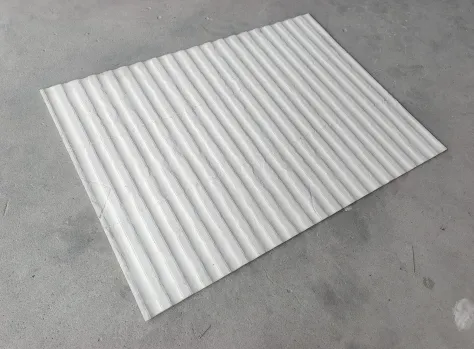
Hey there! Let's talk about something incredibly important in today's world, especially when it comes to industrial facilities, high-tech labs, and even busy commercial kitchens: the materials we choose for our spaces . When surfaces are constantly exposed to chemicals, acids, bases, or just everyday wear and tear, their ability to stand strong isn't just about looking good—it's about safety, longevity, and ultimately, your bottom line. That's where Century Stone steps in, bringing a game-changing solution to the table.
At COLORIA GROUP, we've always been about pushing boundaries in building materials. We're known for being a one-stop solution provider, making sure you get top-notch internal and external finishes for all your projects. Our reach is global, and we've got decades of experience under our belt, even with a strong presence in Saudi Arabia. We pride ourselves on innovation, and one of our star players is our MCM (Modified Cementitious Material) product series. And within that, our Flexible Stone range, branded as Century Stone for this discussion, is truly something special.
Imagine a busy pharmaceutical lab. Spills happen. Acids, solvents, reagents – they're all part of the daily routine. If the flooring or wall cladding isn't up to snuff, you're not just looking at a stain; you're looking at potential material degradation, compromised hygiene, and even safety hazards. Or think about an industrial manufacturing plant. Corrosive substances, high temperatures, constant cleaning protocols using harsh agents – these environments demand materials that can truly take a beating and keep performing.
Traditional materials often fall short. Natural stone, while beautiful, can be porous and susceptible to etching from acids. Ceramics, while durable, can chip and crack, creating weak points where chemicals can seep in. Concrete needs special coatings that themselves can wear down. The demand for a material that combines aesthetics with extreme functional resilience has never been higher. This isn't just about avoiding ugly marks; it's about maintaining structural integrity, ensuring easy decontamination, and adhering to stringent health and safety standards. In critical environments, the performance of every surface material is under scrutiny, impacting everything from operational efficiency to regulatory compliance.
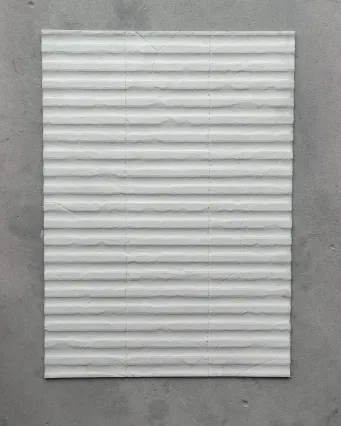
So, what exactly is Century Stone? It's a key part of our MCM Flexible Stone series. Picture a material that combines the aesthetic beauty and texture of natural stone with the flexibility, durability, and most importantly, the incredible chemical resistance that modern industrial and laboratory settings desperately need. It's not just a veneer; it's an engineered solution that stands apart.
Our MCM (Modified Cementitious Material) products, including Century Stone, are made from a blend of inorganic minerals, cementitious binders, and polymer additives. This unique composition gives them properties that are hard to find in traditional materials. We're talking about something that's lightweight, easy to install, customizable, and inherently eco-friendly. But today, our spotlight is firmly on its remarkable ability to resist chemical attack. This is where Century Stone truly shines, offering peace of mind where it matters most.
You might be wondering, "How does it do that?" It all comes down to the innovative engineering behind our MCM technology. Unlike porous materials that act like sponges, absorbing corrosive liquids, Century Stone boasts a dense, non-porous surface structure. This isn't achieved by a mere coating but by the intrinsic nature of the material itself.
Let's dive into some specific scenarios where Century Stone isn't just a good choice, but arguably the best choice, thanks to its exceptional chemical resistance.
In any lab—be it chemical, biological, pharmaceutical, or research—spills are inevitable. From concentrated acids like sulfuric or hydrochloric to caustic bases such as sodium hydroxide, and various organic solvents like acetone or ethanol, surfaces face a constant onslaught.
Industrial settings often push materials to their absolute limits. From chemical processing plants to food and beverage manufacturing, the challenges are diverse and intense.
Hospitals and clinics require surfaces that can withstand repeated, aggressive disinfection to prevent the spread of infections. Century Stone steps up to this challenge.
High-traffic commercial kitchens face constant exposure to cleaning chemicals, oils, greases, and food acids.
What's truly remarkable is that Century Stone offers this unparalleled chemical resistance without sacrificing aesthetics. Its flexible nature means it can adapt to various architectural designs, mimicking the look and feel of natural stone, wood, or even metallic finishes. This isn't just about function; it's about combining ultimate durability with beautiful, customizable design.
Let's put Century Stone's chemical resistance into perspective by comparing it with some commonly used materials in industrial and laboratory settings. This comparison highlights why our MCM Flexible Stone is often the superior choice.
| Material Type | Pros (Relevant to Chemical Resistance) | Cons (Relevant to Chemical Resistance) | Century Stone's Advantage |
|---|---|---|---|
| Natural Stone (Granite, Marble) | Often dense, good aesthetic. Granite has fair acid resistance. | Porous, especially marble, which is highly susceptible to acid etching and staining. Requires sealing. Limited resistance to strong alkalis and solvents. | Superior, consistent chemical inertness across a wider range of substances. Non-porous, requiring no special sealing. |
| Ceramic/Porcelain Tiles | Generally good resistance to many chemicals. Hard and durable. | Grout lines are porous and highly susceptible to chemical attack and staining. Tiles can chip or crack, compromising integrity. | Seamless installation possible, eliminating vulnerable grout lines. Excellent impact and flexural strength reduces chipping/cracking. |
| Epoxy Coatings (on Concrete) | Good chemical resistance when applied correctly. Creates a seamless surface. | Requires careful application and curing. Can scratch or chip, exposing underlying concrete. Lifespan can be limited by mechanical wear. Can yellow or degrade under UV. | Intrinsic chemical resistance throughout the material, not just a surface coating. More resilient to impact and abrasion. Maintains aesthetic integrity longer. |
| Stainless Steel | Excellent resistance to many chemicals, especially acids. Non-porous. | Can be susceptible to pitting corrosion from chlorides (e.g., bleach). High cost. Can dent or scratch easily. Heat discoloration. | Broader resistance to various chemical classes, including chlorides. More cost-effective for large surface areas. Retains aesthetic integrity without specific chemical reactions or dents. |
| Laminate Surfaces (e.g., Phenolic Resin) | Good resistance to many common lab chemicals. Relatively affordable. | Can be susceptible to strong acids/bases over time. Delamination can occur if edges are compromised. Not as flexible. | Superior long-term resistance to aggressive chemicals without risk of delamination. Offers greater flexibility in design and application (e.g., curved surfaces). |
As you can see, while other materials have their strengths, Century Stone stands out for its balanced performance, offering a unique blend of robust chemical resistance, durability, and aesthetic versatility. This makes it an incredibly smart investment for any project where chemical exposure is a concern.
While its chemical resilience is a major draw, Century Stone brings a whole host of other benefits that make it an attractive choice for both industrial and laboratory settings, as well as broader residential and commercial projects. Remember, we're a one-stop solution provider , and our products reflect that comprehensive approach.
"In our pursuit of excellence, we continuously strive to develop materials that not only meet but exceed the stringent demands of modern architecture and industry. Century Stone is a testament to this commitment, offering a rare combination of chemical resilience, aesthetic flexibility, and environmental responsibility. It's truly building for the future, today."
The superior chemical resistance of Century Stone isn't just about surviving a single spill; it's about enduring years of rigorous use and cleaning protocols. In industrial and laboratory settings, surfaces are not just exposed to accidental spills but also to regular, often aggressive, cleaning and sterilization procedures.
Because Century Stone does not react or degrade with common cleaning agents, it maintains its surface integrity, color, and texture over time. This translates into significantly lower maintenance costs and a longer lifespan compared to materials that might require frequent resealing, specialized cleaning products, or even full replacement due to chemical wear. Its non-porous nature also means that it's inherently easier to clean and disinfect, preventing the build-up of contaminants and supporting a healthier, safer environment. This ease of maintenance further solidifies Century Stone as a cost-effective and practical choice for any demanding application.
One of the critical advantages of working with COLORIA GROUP, and specifically with our Century Stone product line, is the ability to customize. We understand that no two industrial or laboratory settings are exactly alike. Each has its unique set of chemical exposures, aesthetic requirements, and operational demands.
Through our advanced manufacturing capabilities, including the MCM 3D Printing Series , we can tailor Century Stone to meet precise specifications. This might involve:
This level of customization means you're not just getting a product; you're getting a tailored solution that directly addresses your project's unique challenges and opportunities. It ensures optimal performance and perfect integration into your specific operational workflow.
The world of construction materials is constantly evolving, driven by the need for greater sustainability, efficiency, and performance. Century Stone, as a leading product in our MCM range, represents a significant leap forward in this evolution. It embodies the principles of modern material science – offering strength without excessive weight, flexibility without compromise, and most importantly for this discussion, unparalleled resistance to aggressive environments.
As industries become more specialized and regulations grow tighter, the demand for materials like Century Stone will only increase. We at COLORIA GROUP are proud to be at the forefront of this innovation, providing solutions that empower businesses to build safer, more durable, and more sustainable facilities. Whether it's a cutting-edge research laboratory, a heavy-duty industrial plant, or a bustling commercial space, Century Stone offers the resilience and elegance required to excel.
Our commitment extends beyond just the product. As a one-stop solution provider, we also ensure that our clients receive comprehensive support, from initial consultation and design assistance to technical guidance and after-sales service. We believe in building lasting relationships, much like the lasting quality of our materials. Our decades of industry experience, coupled with our global reach and local presence (like our agency in Saudi Arabia), mean that you're partnering with a team that truly understands your needs and can deliver exceptional results, every time.
The investment in high-quality, chemical-resistant materials like Century Stone isn't just about meeting current standards; it's about future-proofing your facility. It's about minimizing risks, reducing long-term costs, and ensuring a safe, efficient, and aesthetically pleasing environment for decades to come. Don't settle for less when it comes to the surfaces that protect your people, your processes, and your reputation.
Choose Century Stone. Choose unparalleled chemical resistance. Choose COLORIA GROUP.
Recommend Products












