
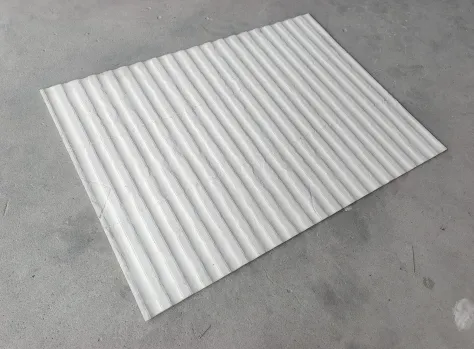
In an era defined by soaring energy costs and a collective call for environmental responsibility, the way we construct our buildings is more critical than ever. It's no longer just about aesthetics or structural integrity; it's about creating spaces that are intelligent, sustainable, and comfortable. This is where the unsung hero of modern architecture—thermal insulation—steps into the spotlight, and where innovative materials like Century Stone by COLORIA GROUP are rewriting the rules.
Think of a building with poor insulation as a leaky bucket. During winter, the expensive heat you generate escapes through the walls, roof, and windows. In summer, the relentless outdoor heat seeps in, forcing your air conditioning to work overtime. This constant, invisible exchange is a massive drain on both our wallets and the planet's resources. The need for superior thermal insulation isn't an abstract concept; it has tangible, everyday consequences.
For homeowners and business operators alike, a significant portion of utility bills is dedicated solely to climate control—heating and cooling. A poorly insulated structure can see this portion skyrocket, leading to hundreds or even thousands of dollars in wasted energy costs annually. This financial leakage impacts household budgets, reduces business profitability, and ultimately devalues the property itself. As energy prices continue their upward trend, the return on investment for effective insulation becomes increasingly compelling. Investing in a thermally efficient building envelope is not an expense; it's a long-term financial strategy.
The impact extends far beyond our bank accounts. Buildings are one of the largest consumers of energy globally, and a substantial part of this energy is generated from burning fossil fuels. This means that every kilowatt-hour of electricity used to run an air conditioner or every cubic foot of gas burned for heating contributes to greenhouse gas emissions. Improving a building's thermal performance directly translates to a lower carbon footprint. It is one of the most effective ways the construction and real estate industries can contribute to the fight against climate change. Better insulation is a direct path to greater building energy efficiency , a cornerstone of green building standards worldwide.
Beyond the numbers, there's the human element. Have you ever sat near a wall in winter and felt a persistent chill, even when the room's thermostat is set high? These "cold spots" and drafts are symptoms of poor insulation. A well-insulated building provides a stable, comfortable indoor environment, free from drastic temperature fluctuations. This enhances the quality of life for occupants and can even improve productivity in commercial settings. Furthermore, effective insulation protects the building structure itself. It minimizes thermal stress—the expansion and contraction of materials due to temperature changes—which can lead to cracks and long-term degradation. It also helps manage moisture, preventing the growth of mold and mildew that can compromise both air quality and structural integrity.
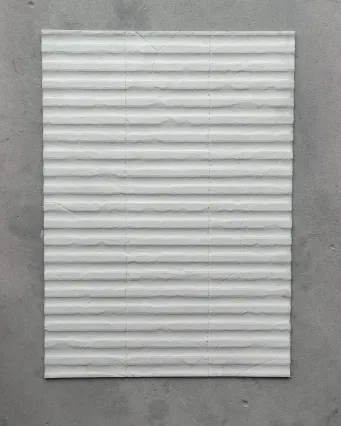
Recognizing these profound challenges, COLORIA GROUP, a global one-stop solution provider with decades of expertise in building materials, has pioneered a revolutionary product: Century Stone. This is not just another decorative cladding. Century Stone is an advanced material system designed to tackle the core issues of energy inefficiency, durability, and aesthetic limitation head-on. At its heart is a remarkable technology known as modified cementitious material (MCM).
To truly appreciate Century Stone, one must first understand its DNA. MCM is a groundbreaking composite material born from a blend of natural elements and cutting-edge science. Its primary ingredients are often natural soils, stone powders, and other mineral components—the very earth beneath our feet. These raw materials are modified with special polymers and then shaped and cured through a unique low-temperature firing process.
This process results in a material that boasts an incredible array of properties. It is astonishingly lightweight, highly flexible, breathable, water-resistant, and boasts a Class A fire rating. This unique combination of characteristics makes it a game-changer for building exteriors and interiors, and especially for creating high-performance thermal envelopes.
Within the Century Stone family, the MCM Flexible Stone series is a standout product that perfectly embodies these advantages. Imagine a material that has the timeless beauty and texture of natural slate, granite, or travertine, but is so light it can be easily handled by a single installer and so flexible it can be wrapped around curved columns and arches without cracking. This is MCM Flexible Stone . Its lightweight nature drastically reduces the structural load on a building and slashes transportation costs and emissions. Its flexibility allows it to move with a building's natural settling and thermal shifts, preventing the cracks that plague rigid materials like stucco and brick veneer. This inherent resilience is the key to a long-lasting, maintenance-free facade.
Century Stone's contribution to thermal performance isn't just a happy accident; it's an integral part of its design, both in the material itself and in the system it's a part of. It works on multiple levels to create a formidable barrier against thermal transfer.
The most effective application of Century Stone for maximizing thermal insulation is as the finish layer in an Exterior Insulation and Finish System (EIFS). This is a multi-layered cladding system that wraps the building's exterior in a continuous, uninterrupted blanket of insulation. Let's break down how this powerful synergy works:
This system approach creates a seamless thermal shield. Unlike traditional construction where insulation is placed between studs, creating "thermal bridges" where heat can easily pass through the wood or steel framing, an EIFS with Century Stone covers the entire structure. This dramatically enhances the overall building energy efficiency . The Century Stone layer itself adds to the insulating value due to the inherent low thermal conductivity of the modified cementitious material . Its unique molecular structure is less dense than traditional stone or concrete, meaning there are fewer pathways for heat to travel through.
One of the most sophisticated aspects of the Century Stone system is its breathability. While it is highly water-resistant, effectively shedding rain, it is also vapor-permeable. This means it allows trapped water vapor from inside the building to escape outwards. Why is this important? Moisture trapped within a wall cavity can be disastrous. It can lead to rot, mold growth, and, crucially, it can saturate traditional insulation materials, dramatically reducing their R-value and rendering them ineffective. Century Stone's ability to "breathe" ensures the wall system stays dry and the insulation performs at its peak capacity for the life of the building.
To put its advantages into perspective, let's compare a Century Stone EIFS system with more conventional cladding options.
| Feature | Traditional Cladding (e.g., Brick Veneer, Stucco) | Century Stone (MCM) System |
|---|---|---|
| Thermal Performance | Moderate. Insulation is typically placed between studs, creating thermal bridges that reduce overall effectiveness. | Century Stone System"> Excellent. Provides a continuous exterior insulation blanket, virtually eliminating thermal bridging for superior energy efficiency. |
| Weight | Very Heavy (e.g., Brick is ~40 lbs/sqft). Requires substantial structural support and foundational footings. | Century Stone System"> Extremely Lightweight (~1 lb/sqft). Reduces structural load, simplifies installation, and is ideal for retrofitting older buildings. |
| Installation Complexity | Labor-intensive, time-consuming, and often requires specialized masonry skills and heavy equipment. | Century Stone System"> Fast and simple. Materials are easy to cut and handle. Can be installed by siding or EIFS professionals, reducing labor time and cost. |
| Durability & Maintenance | Stucco can crack. Brick requires repointing of mortar joints over time. Both can be prone to efflorescence (salt stains). | Century Stone System"> Highly durable. Flexibility prevents cracking. Water- and stain-resistant. Requires minimal to no maintenance over its lifespan. |
| Design Flexibility | Limited. Brick has a standard look. Stucco offers color but limited texture. Both are difficult to apply on complex curves. | Century Stone System"> Nearly limitless. Can replicate natural stone, wood, brick, leather, and more. Can be easily applied to curved or complex architectural forms. |
| Environmental Impact | High embodied energy. Quarrying stone is destructive. Firing bricks and producing cement is energy-intensive. Heavy transport increases carbon footprint. | Century Stone System"> Low embodied energy. Made from natural/recycled components with a low-temperature production process. Lightweight nature reduces transport emissions. |
While its contribution to improving building energy efficiency is profound, the appeal of Century Stone extends far beyond thermal performance. COLORIA GROUP has engineered a material that solves multiple architectural challenges simultaneously, making it a truly holistic solution for modern construction.
For architects and designers, Century Stone is a dream come true. The limitations imposed by the weight, rigidity, and cost of traditional materials simply vanish. Do you envision a seamless, large-format stone wall? The MCM Big Slab Board Series makes this possible without the need for cranes and massive structural supports. Do you have a highly specific, intricate pattern or texture in mind? The MCM 3D Printing Series can bring virtually any digital design to life on a building's surface. The ability to create stunningly realistic replicas of natural stone, weathered wood, or classic brick—all in a lightweight, flexible format—unleashes a new level of creative freedom. This versatility ensures that achieving top-tier energy performance never requires a compromise on design vision.
A building's facade must be more than just beautiful; it must be a guardian. Century Stone excels in this role. It carries a Class A fire rating, the highest classification for building materials, meaning it is non-combustible and will not contribute to the spread of flames. This provides invaluable peace of mind for building owners and occupants. Its inherent flexibility, as discussed, makes it exceptionally resistant to cracking from ground settlement or thermal shock. The colors are integrated throughout the material and are highly UV-stable, ensuring that the facade will not fade or discolor over time, even in harsh sunlight. This combination of fire safety, flexibility, and colorfastness translates into a facade that is not only safe but will look as good in decades as it does on day one.
The story of Century Stone begins and ends with sustainability. From its composition of natural soils to its low-energy manufacturing process, its entire lifecycle is designed to minimize environmental impact. By being so lightweight, it requires less fuel to transport from the factory to the job site. During installation, there is minimal waste, and any off-cuts can often be recycled. And, of course, its primary role in reducing a building's energy consumption over its 50+ year lifespan provides a massive, ongoing environmental benefit. In a world that is rightfully demanding more from its building materials, Century Stone delivers a powerful, positive answer.
The challenge of creating better buildings is a complex one, balancing cost, aesthetics, safety, and environmental impact. Century Stone, the innovative modified cementitious material from COLORIA GROUP, rises to this challenge not by offering a single solution, but by providing a comprehensive system that addresses all these facets.
Its primary contribution to thermal insulation is transformative, offering a clear path to dramatically improved building energy efficiency . By creating a continuous, breathable thermal envelope, it slashes energy costs, reduces carbon emissions, and enhances occupant comfort. Yet, it achieves this without the weight, rigidity, or creative limitations of materials past. It is proof that we can build sustainably without sacrificing beauty, and build beautifully without compromising on performance. As we move forward, the future of architecture will be defined by intelligent materials that work smarter, last longer, and tread lighter on our planet. Century Stone is not just part of that future; it's helping to build it today.
Recommend Products












