Stepping into a modern transportation hub—whether it's a bustling airport terminal, a high-speed rail station, or a multi-modal transit center—there's a quiet complexity at work. Beyond the schedules, the announcements, and the rush of commuters, the buildings themselves play a critical role in how we experience these spaces. They need to feel welcoming yet durable, efficient yet inspiring, and above all, capable of withstanding the chaos of daily life: thousands of footsteps, shifting weather conditions, and the inevitable wear and tear of heavy use.
For architects and engineers, transportation hubs present unique challenges. These structures are more than just functional—they're gateways to cities, telling stories about local culture and innovation. But with great visibility comes great pressure: the materials chosen must balance aesthetics with practicality, sustainability with performance, and speed of installation with long-term reliability. This is where MCM (Modified Cementitious Material) project boards have emerged as a game-changer, offering solutions that traditional building materials simply can't match.
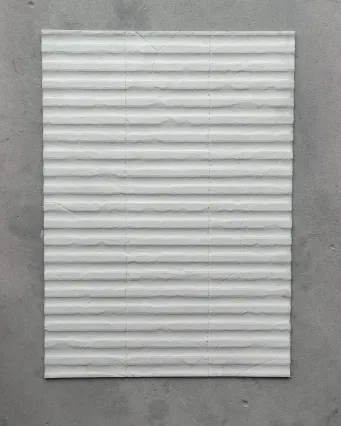
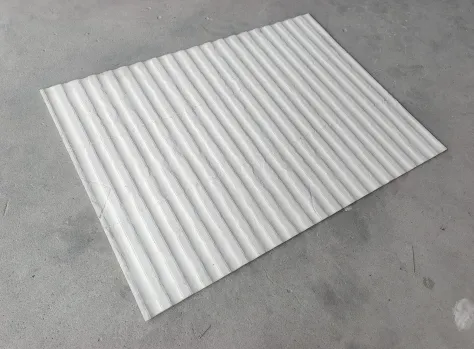
At the forefront of this revolution is COLORIA GROUP, a global provider of specialized building materials with decades of experience in the field. Their MCM product lines—including MCM Project Board Series , MCM 3D Printing Series , and MCM Flexible Stone —are redefining what's possible in transportation hub construction. Let's dive into how these materials are addressing the most pressing needs of modern transit architecture.