Not all hospital spaces are created equal. An operating room demands different materials than a patient lounge, and a pediatric ward has unique needs compared to an intensive care unit. MCM's versatility shines in its ability to adapt to these varied environments. Let's explore how specific MCM products are addressing the nuances of healthcare design:
Designed with high-traffic zones in mind, the MCM Project Board Series is the backbone of many hospital renovations. Its dense composition makes it impervious to moisture, a critical feature in operating rooms where spills of bodily fluids or cleaning agents are common. What truly sets it apart, though, is its compatibility with frequent sanitization. Unlike painted walls, which fade or chip under bleach-based cleaners, these boards maintain their integrity even after daily exposure to harsh disinfectants. In a recent installation at Mercy General Hospital's surgical wing, the Project Board Series reduced cleaning time by 40% while earning a 92% approval rating from staff who noted the walls "always look fresh, even after back-to-back surgeries."
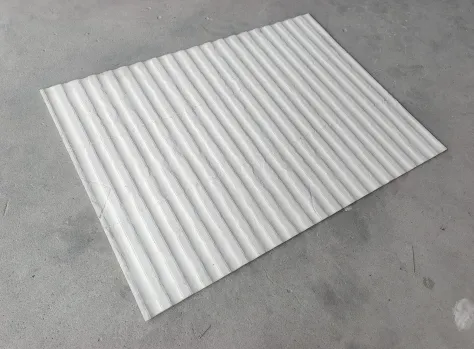
Hospitals are full of architectural nuances—curved nurse stations, rounded corridor edges, custom-built treatment pods. Traditional rigid materials struggle with these shapes, often requiring awkward cuts that leave gaps or compromise structural integrity. Enter MCM Flexible Stone, a revolutionary variant that bends without breaking. With a flexibility rating of up to 30 degrees, this material hugs curves seamlessly, eliminating sharp edges that could pose injury risks to patients or staff. In pediatric units, where rounded corners are a safety must, Flexible Stone has become a favorite. "We wanted the walls to feel soft, approachable—like a hug," says pediatric architect Sofia Mendez. "Flexible Stone let us do that without sacrificing durability. Kids lean against it, draw on it with washable markers, and it still looks brand new months later."
Fair-Faced Concrete: Where Simplicity Meets Sophistication
There's a quiet elegance to fair-faced concrete—a raw, unpolished finish that feels both modern and timeless. In hospital settings, this MCM variant offers a welcome alternative to stark white walls, adding depth without overwhelming the senses. Its neutral palette serves as a backdrop for art, wayfinding signs, and pops of color, creating environments that feel organized yet warm. What's more, fair-faced concrete MCM panels are engineered to absorb sound, reducing noise levels in busy waiting areas by up to 15 decibels. For patients trying to rest or families having difficult conversations, this subtle acoustic benefit can make a world of difference.
For high-traffic areas like hospital lobbies or cafeteria floors, durability can't be compromised—but neither can aesthetics. Rust Mosaic Stone, a unique MCM variant that mimics the rich, earthy tones of weathered metal, offers the best of both worlds. Its textured surface provides slip resistance (a critical safety feature in areas prone to spills), while its warm reds and oranges create a welcoming atmosphere. Unlike real rusted metal, which flakes and stains, this MCM version is sealed with a protective layer that prevents oxidation, ensuring it retains its beauty for decades. "We chose Rust Mosaic for our main lobby because we wanted a material that could handle 10,000 footsteps a day but still make visitors feel like they're entering a place that cares about," says facilities manager Robert Chen of Memorial Hospital. "It's exceeded our expectations—no stains, no slips, and patients often comment on how 'un-hospital-like' it feels."
Research consistently shows that exposure to natural elements speeds up recovery and reduces stress. But real wood in hospitals is impractical—it warps, stains, and harbors germs. MCM Wood Grain Board solves this dilemma by replicating the look and texture of natural wood with the durability of cementitious material. From the subtle grain of oak to the warm tones of maple, these panels bring the calming power of nature into patient rooms, therapy spaces, and staff lounges—without the maintenance headaches. A recent pilot program at Greenfield Rehabilitation Center found that patients in rooms with Wood Grain Board walls reported 18% better sleep quality than those in standard rooms, a testament to the material's ability to nurture the mind as well as the body.