
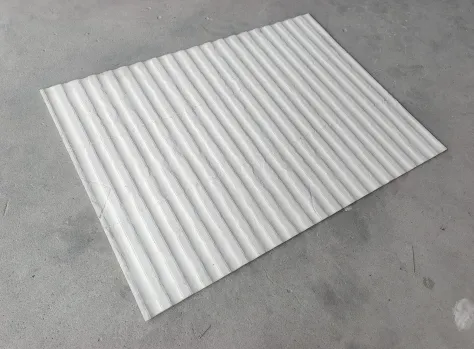
Building Durable, Beautiful, and Sustainable Public Spaces with Modified Cementitious Materials
Picture this: a modern government complex stands at the heart of a city, its exterior walls gleaming under the sun with a perfect balance of strength and elegance. Inside, citizens move through spacious halls lined with panels that feel both solid and refined, while maintenance crews breathe easy knowing the materials will withstand decades of wear. This isn't just a vision of ideal public infrastructure—it's the reality made possible by Century Stone Works' MCM Project Board Series, a game-changing solution for government construction projects worldwide.
For decades, government buildings have faced a tough dilemma: how to create spaces that are durable enough for heavy public use, aesthetically pleasing to reflect community pride, and sustainable to align with global environmental goals. Traditional materials like natural stone or concrete often fall short—too heavy, too costly to maintain, or too harmful to the planet. Enter COLORIA GROUP, a leading one-stop provider of building materials with a focus on innovation, quality, and human-centric design. Their MCM (Modified Cementitious Material) products, MCM Project Board Series, are redefining what's possible for public architecture.
With a global footprint and decades of industry experience, COLORIA GROUP isn't your average building materials company. They're a team of problem-solvers, architects at heart, and sustainability advocates who understand that public projects demand more than just products—they demand trust. Operating in markets worldwide, including a dedicated presence in Saudi Arabia, COLORIA has built its reputation on delivering solutions that meet the unique needs of government clients: projects that must last generations, stay within budget, and reflect the values of the communities they serve.
At the core of their offering is the MCM technology—a modified cementitious material that blends the best of natural elements and engineering innovation. By combining cement with carefully selected additives, COLORIA has created a material that's lighter than traditional stone, stronger than standard concrete, and infinitely more flexible in design. And when it comes to government construction, the MCM Project Board Series stands out as their most trusted line, engineered specifically for the rigors and requirements of public spaces.
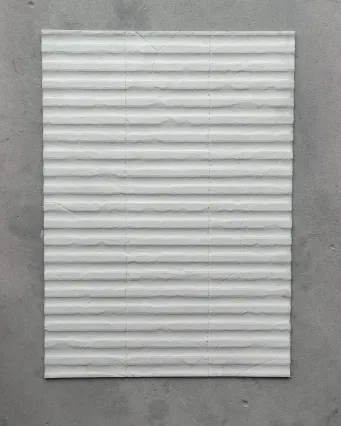
Government construction projects come with a unique set of challenges. Whether it's a city hall, a public library, a transportation hub, or a community center, these buildings need to:
The MCM Project Board Series checks every box—and then some. Let's break down why this material has become the go-to choice for architects and project managers working on government initiatives.
One of the biggest headaches in construction is material weight. Traditional natural stone, for example, can weigh 25–30 kg per square meter, putting strain on building foundations and limiting design possibilities. MCM Project Boards, by contrast, tip the scales at just 8–12 kg per square meter—light enough to reduce structural load while maintaining impressive strength. This means architects can design taller, more complex facades without compromising safety, and contractors can install panels faster, cutting down on labor costs and project timelines.
Take the Lunar Peak Series , a standout line within the MCM Project Board family. Available in silvery, golden, and black finishes, these panels mimic the look of polished metal with a fraction of the weight. Imagine a municipal office building clad in Lunar Peak Silvery panels: the sleek, modern exterior catches the light, giving the structure a dignified presence, while the lightweight material ensures the building's foundation remains stable for decades. It's a perfect blend of form and function—exactly what government projects need.
Public funds are precious, and government projects must be accountable for every dollar spent. Traditional materials often come with hidden costs: natural stone needs regular sealing to prevent water damage, ceramic tiles crack easily under impact, and metal panels rust or fade over time. MCM Project Boards, however, are engineered for minimal upkeep.
The secret lies in their modified cementitious composition, which resists moisture, UV rays, and corrosion. A quick annual wash with mild soap and water is all it takes to keep these panels looking like new. Compare that to natural stone, which requires professional sealing every 2–3 years at a cost of $200–$300 per 100 square meters. Over a 20-year lifespan, the savings add up—money that can be redirected to other community needs, like schools, parks, or healthcare facilities.
Consider fair-faced concrete , another popular option in the MCM Project Board lineup. With its raw, industrial aesthetic, it's a favorite for cultural centers and historical museums aiming for a timeless look. Unlike traditional concrete, which often cracks or stains, MCM fair-faced concrete panels maintain their smooth, uniform finish with zero need for patching or repainting. A recent city museum project in the Middle East used these panels for its exterior, and five years later, visitors still comment on how "fresh" the building looks—proof that durability and beauty can go hand in hand.
Government buildings shouldn't be boring. They should inspire, reflect local culture, and create spaces that make citizens proud. The MCM Project Board Series excels here, offering endless design possibilities thanks to COLORIA's advanced manufacturing techniques—including the innovative MCM 3D Printing Series .
3D printing technology has revolutionized construction, and COLORIA is at the forefront of this movement. With MCM 3D Printing, architects can move beyond flat, uniform panels to create intricate textures, custom patterns, and even reliefs that tell a community's story. Imagine a public library where the exterior walls feature 3D-printed panels depicting local landmarks—a nod to the city's history that would be nearly impossible with traditional materials. Or a community center with wave-like panels that evoke the nearby coastline, creating a sense of connection to the local environment.
But 3D printing isn't just about aesthetics—it's about precision. COLORIA's 3D printing process ensures every panel is consistent in size, shape, and texture, reducing waste and ensuring a seamless installation. For government projects with tight deadlines, this reliability is a game-changer.
While the MCM Project Board Series is the star player for large-scale government construction, COLORIA offers other MCM products that complement it perfectly, creating cohesive, high-performance buildings from foundation to roof. Let's explore two key additions: MCM Flexible Stone and MCM Big Slab Board Series .
Not every part of a building has flat, straight surfaces. Curved walls, arches, and decorative elements require materials that can bend without breaking—and that's where MCM Flexible Stone shines. This innovative product combines the durability of MCM with a flexibility that allows it to conform to complex shapes, making it ideal for architectural details that add character to government buildings.
Imagine a city hall with a grand entrance featuring curved columns clad in travertine (starry green) flexible stone. The material wraps smoothly around the curves, creating a welcoming, organic feel that contrasts beautifully with the sharp lines of the MCM Project Board facade. Or a public auditorium with wave-like interior walls covered in wave panel flexible stone, enhancing acoustics while adding visual interest. Because it's lightweight and easy to install, MCM Flexible Stone also reduces labor costs—critical for projects working within tight budgets.
Another advantage? MCM Flexible Stone is available in a wide range of finishes, from the earthy tones of gobi panel to the metallic sheen of foamed aluminium alloy board (vintage silver) . This versatility means designers can mix and match textures to create unique, site-specific looks that reflect local culture or history.
For government buildings that aim to make a visual impact—think courthouses, state capitols, or national museums—the MCM Big Slab Board Series delivers. These large-format panels (up to 3 meters in length) minimize visible seams, creating a sleek, monolithic look that exudes strength and grandeur. When paired with MCM Project Boards, they create facades that feel both unified and dynamic.
Take the boulder slab (vintage gold) from the Big Slab lineup. Its rich, warm tone and textured surface evoke the timelessness of natural stone, making it perfect for historical preservation projects or government buildings that honor heritage. A recent project in Europe used these slabs for the exterior of a regional archive, where the material's durability ensures the building will protect important documents for centuries, while its aesthetic ties the structure to the area's architectural legacy.
Like all MCM products, Big Slab Boards are eco-friendly, made from recycled materials and free from harmful chemicals. For government projects aiming to achieve LEED certification or meet strict sustainability targets, this is a significant advantage.
Today's government projects aren't just about building structures—they're about building a sustainable future. From reducing carbon footprints to minimizing waste, public infrastructure is under increasing pressure to align with global environmental standards. COLORIA's MCM products are designed with this in mind, making them a natural choice for eco-conscious government clients.
MCM is made from a blend of cement, natural minerals, and recycled materials, reducing reliance on virgin resources. Unlike traditional stone mining, which can devastate ecosystems, MCM production generates minimal waste and uses less energy. What's more, COLORIA's manufacturing facilities prioritize water conservation and emissions reduction, ensuring the entire lifecycle of their products is as green as possible.
For government projects aiming to achieve green building certifications (like LEED, BREEAM, or GSAS), MCM materials check key boxes: low volatile organic compound (VOC) emissions, high recycled content, and energy efficiency. In Saudi Arabia, for example, a recent municipal headquarters project used MCM Project Boards and Flexible Stone, contributing to its LEED Gold certification and setting a new standard for sustainable public construction in the region.
Sustainability isn't just about what materials are made of—it's about how long they last. A building that needs to be renovated every 10 years generates far more waste than one that stands strong for 50. MCM products are built to last, with a lifespan of 50+ years under normal conditions. This longevity reduces the need for frequent replacements, cutting down on construction waste and the carbon emissions associated with manufacturing new materials.
Consider the rammed earth board (gradient) , a popular MCM option for government projects focused on natural aesthetics. Its earthy, layered appearance mimics traditional rammed earth but with enhanced durability. A community center in Australia used this material for its exterior, and after 15 years, the panels show no signs of fading or deterioration. Local officials estimate that choosing MCM over traditional rammed earth will save taxpayers over $200,000 in replacement costs over the building's lifetime—all while keeping tons of construction waste out of landfills.
Still wondering if MCM is the right fit for your next government project? Let's put it head-to-head with common traditional materials. The table below compares key factors like weight, durability, cost, and sustainability—so you can see exactly why MCM products are becoming the standard for public infrastructure.
| Factor | MCM Project Board Series | Traditional Natural Stone | Ceramic Tiles | Metal Panels |
|---|---|---|---|---|
| Weight (per m²) | 8–12 kg | 25–30 kg | 15–20 kg | 18–22 kg |
| Installation Time | 30% faster than stone | Slow (requires specialized labor) | Moderate | Moderate (requires sealing) |
| Maintenance Cost (Yearly) | $50–$100/100m² (simple cleaning) | $200–$300/100m² (sealing, repairs) | $100–$150/100m² (grout cleaning, replacement) | $150–$250/100m² (rust treatment, painting) |
| Durability (Lifespan) | 50+ years | 30–40 years (with heavy maintenance) | 15–20 years (prone to cracking) | 20–30 years (prone to rust/corrosion) |
| Sustainability | High (recycled materials, low VOC, long lifespan) | Low (mining impact, heavy transportation emissions) | Medium (high firing energy, short lifespan) | Medium (recyclable but energy-intensive to produce) |
| Design Flexibility | High (3D printing, flexible options, custom finishes) | Low (limited by quarry sizes, hard to customize) | Medium (standard sizes, limited textures) | Medium (bending possible but costly) |
*Cost estimates based on global average data from 2024 construction industry reports.
To truly understand the value of MCM Project Boards in government construction, let's look at a real project: the Riyadh Municipal Complex, completed in 2023. This sprawling 15-building campus houses city government offices, public meeting spaces, and a community library—all designed to serve over 5,000 citizens daily.
The project faced several challenges: a tight 24-month timeline, strict sustainability targets (Saudi Arabia's Vision 2030 requires 30% of public buildings to be LEED-certified by 2030), and a need for materials that could withstand Riyadh's extreme climate (temperatures up to 50°C in summer, sandstorms, and occasional heavy rains).
COLORIA GROUP, with its local Saudi Arabian agency, stepped in with a comprehensive MCM solution:
The results? The project was completed 2 months ahead of schedule, thanks to the fast installation of MCM panels. LEED Gold certification was achieved, with MCM's recycled content and low maintenance requirements contributing significantly to the sustainability score. And after a year of use, the complex shows no signs of weathering—even after several sandstorms. "Choosing MCM was one of the best decisions we made," said Abdullah Al-Mansoori, the project's lead architect. "It allowed us to meet our aesthetic, budget, and sustainability goals without compromise."
Government construction is about more than bricks and mortar—it's about building legacies. The buildings we design today will serve communities for decades, shaping how citizens interact with their government and with each other. That's why choosing the right materials matters. MCM Project Boards and complementary MCM products from COLORIA GROUP offer something rare in construction: a balance of strength, beauty, sustainability, and affordability.
Whether you're designing a small town hall or a sprawling government campus, Century Stone Works delivers more than just materials—they deliver peace of mind. With global expertise, local support (including in Saudi Arabia), and a commitment to innovation, they're a partner you can trust to bring your vision to life. From the sleek durability of MCM Project Boards to the versatility of Flexible Stone and the grandeur of Big Slab Boards, every product is engineered to meet the unique demands of public infrastructure.
At the end of the day, government projects are about serving people. And people deserve buildings that are safe, beautiful, and built to last. With Century Stone Works' MCM solutions, you're not just constructing a building—you're creating a space that reflects pride in your community, respects the environment, and stands the test of time. That's the power of MCM Project Boards: reliable, resilient, and ready to build the future.
Recommend Products












