
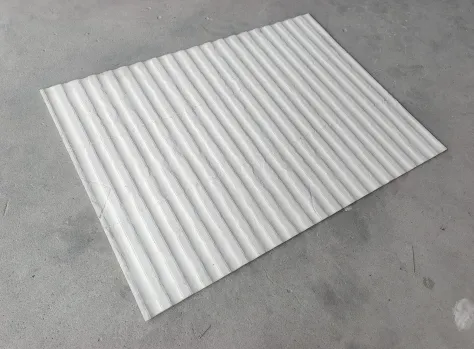
Imagine walking into a building that doesn't just stand there, but tells a story—of innovation, of care for the planet, and of how materials can shape more than just walls, but experiences. That's the vision behind Century Stone Works, a key offering from COLORIA GROUP, a global player in building materials that's redefining what it means to build sustainably. For decades, they've been quietly revolutionizing the industry with one star player: MCM (Modified Cementitious Material), a game-changing modified cement-based material that's like the Swiss Army knife of construction—strong, flexible, and surprisingly eco-friendly.
In a world where "going green" often feels like just another buzzword, Century Stone Works isn't here for empty promises. Their focus? Creating materials that don't force architects and builders to choose between beauty, durability, or sustainability. Whether it's a sleek commercial tower in Riyadh or a cozy residential project in a European suburb, their MCM series—especially the big slab boards, flexible stone, and unique finishes like travertine (starry green)—is quickly becoming the go-to for anyone who wants their buildings to last, look good, and leave a lighter footprint on the planet.
Let's start with the basics: MCM stands for Modified Cementitious Material, but let's not get lost in jargon. Think of it as traditional cement's cooler, more sustainable cousin. By tweaking the recipe with advanced additives, COLORIA GROUP has turned something we've used for centuries into a material that's lighter, stronger, and way more versatile. It's like if your grandma's classic recipe got a modern upgrade—same heart, but better texture, more flavor, and easier to share.
What really sets MCM apart? Three things: sustainability, flexibility, and customization. Unlike heavy natural stones that require massive mining or energy-heavy processing, MCM uses recycled materials where possible and cuts down on carbon emissions during production. It's also surprisingly lightweight—up to 70% lighter than traditional stone slabs—making installation faster, safer, and cheaper (no need for extra-strong support structures). And if you've ever wished a building could wear a custom "outfit," MCM delivers: from bold colors to intricate textures, it can mimic almost any natural material, or even create entirely new looks.
Fun fact: A typical 100m² wall clad with MCM big slabs uses 30% less material overall compared to traditional stone, and cuts installation time by half. That's less waste, less labor, and more time to focus on what really matters—creating spaces people love.
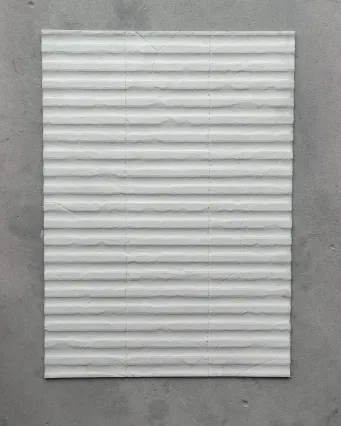
Let's talk about the rockstar of the lineup: the MCM Big Slab Board Series. As the name suggests, these are large-format panels (we're talking up to 3m x 1.5m) designed to make a statement—without the hassle of tiny, mismatched tiles. Imagine a wall that flows like a single piece of art, with minimal seams breaking up the design. That's the magic of big slabs.
Take, for example, the travertine (starry green) finish. Travertine is already loved for its organic, porous texture, but Century Stone Works took it up a notch. "Starry green" isn't just a color—it's a vibe. Picture a deep forest green base with flecks of silver and gold that catch the light, like someone sprinkled stardust over wet stone. It's bold enough for a modern office facade but warm enough for a boutique hotel lobby. And because it's MCM, you get that luxurious look without the weight of natural travertine, which means it can be used on high-rise buildings without worrying about structural stress.
But it's not just about looks. Big slabs mean fewer joints, which translates to less water seepage, better insulation, and easier maintenance. Think about it: a wall with 100 small tiles has 100 potential spots for cracks or mold. A big slab? Maybe 10 seams, max. For busy architects and builders, that's a dream come true—less time fixing issues, more time admiring the result.
Raj, an architect based in Dubai, put it best: "I used the MCM Big Slab in starry green for a tech company's headquarters last year. The client wanted something that felt innovative but grounded, and those panels delivered. The installers finished the entire main facade in three days—with traditional stone, that would've taken a week. And when the sun hits it at sunset? The green shimmers like it's alive. Worth every penny."
Now, let's shift gears to something a little more… bendy. The MCM Flexible Stone series is where "tough" and "supple" become best friends. Traditional stone is rigid—great for straight walls, terrible for curves or unique shapes. Flexible stone? It's like the yoga instructor of building materials: it can stretch, curve, and conform to almost any surface, all while keeping its strength.
One standout here is the Lunar Peak Silvery finish. Close your eyes and imagine the surface of the moon—smooth, with a soft, metallic sheen that's neither too shiny nor too dull. That's Lunar Peak Silvery. It's perfect for projects that want a futuristic, otherworldly feel, like a museum wing or a rooftop lounge. And because it's flexible, it can wrap around curved pillars or follow the contour of a dome without cracking. Architects have called it "stone with a conscience" because it lets them push creative boundaries without sacrificing durability.
Flexible stone isn't just for show, though. Its lightweight nature makes it ideal for retrofits—you know, those old buildings that need a facelift but can't handle heavy new materials. A 50-year-old warehouse turned into a co-working space? Add some Lunar Peak Silvery flexible stone to the exterior, and suddenly it looks like it was built yesterday, but with all the character of the original structure.
Let's take a step back to a material that never goes out of style: concrete. But not just any concrete—fair-faced concrete, the MCM way. "Fair-faced" means it's left in its natural state, no paint or plaster to hide its texture. It's raw, honest, and full of personality—the kind of material that makes you want to reach out and touch the wall.
Century Stone Works' fair-faced concrete panels take this classic to new heights. Unlike traditional poured concrete, which can crack or develop uneven color, MCM fair-faced panels are precision-cast in controlled environments, ensuring every piece has the same consistent look. They're also reinforced with fibers to prevent cracking, so that sleek, industrial vibe stays intact for decades.
What's the appeal? For one, it's incredibly versatile. Pair it with warm wood accents for a cozy cafe, or with steel and glass for a minimalist office. It's also surprisingly eco-friendly: MCM concrete uses 40% less cement than traditional mixes, cutting down on CO2 emissions. Plus, because it's prefabricated, there's almost no waste on-site—no more piles of excess concrete sitting in landfills.
Maria, a developer in Barcelona, used fair-faced concrete panels for a residential complex. "Our clients wanted something that felt 'real,' not overly polished. The MCM panels delivered that raw, organic texture, but with none of the hassle of on-site pouring. And the best part? Because they're lightweight, we could add them to the second floor without reinforcing the foundation. Win-win."
Still not convinced MCM is the way to go? Let's break it down with a quick comparison. Here's how MCM materials stack up against traditional stone, concrete, and ceramic tiles:
| Feature | Traditional Stone | Traditional Concrete | Ceramic Tiles | MCM Materials |
|---|---|---|---|---|
| Weight (kg/m²) | 80-120 | 50-70 | 20-30 | 12-18 |
| Installation Time | Slow (1-2 days/10m²) | Slow (needs curing time) | Medium (0.5-1 day/10m²) | Fast (0.2-0.3 days/10m²) |
| Carbon Footprint | High (mining + transport) | High (cement production) | Medium | Low (recycled materials, efficient production) |
| Customization | Limited (natural variation) | Basic (color additives) | Medium (prints, glazes) | High (any texture, color, or pattern) |
| Durability | High (but heavy) | High (but prone to cracking) | Medium (chips easily) | High (resistant to weather, impact, and UV rays) |
The verdict? MCM materials aren't just better for the planet—they're better for your project's budget, timeline, and creativity. It's no wonder more and more architects are making the switch.
At the end of the day, Century Stone Works isn't just selling building materials—they're selling a vision. A vision where buildings don't have to choose between beauty and responsibility, where innovation makes sustainability accessible to everyone, and where every wall tells a story of progress.
Whether it's the starry green travertine big slabs catching the sunset, the silvery curve of Lunar Peak flexible stone wrapping a museum, or the honest texture of fair-faced concrete in a family home, MCM materials are proof that the future of building is bright—and green.
So, what's next? As COLORIA GROUP expands its reach (with a strong presence in Saudi Arabia and beyond), we can expect even more exciting MCM innovations. Maybe 3D-printed MCM panels that create entirely new shapes, or flexible stone in colors we haven't even dreamed of yet. One thing's for sure: with Century Stone Works, the only limit is imagination.
Final thought: Buildings are more than just shelters—they're the backdrops to our lives. Shouldn't they be built with the same care we put into living them? With MCM big slabs, flexible stone, and fair-faced concrete, Century Stone Works is helping us build a world where every structure is a step forward—for design, for people, and for the planet.
Recommend Products












