
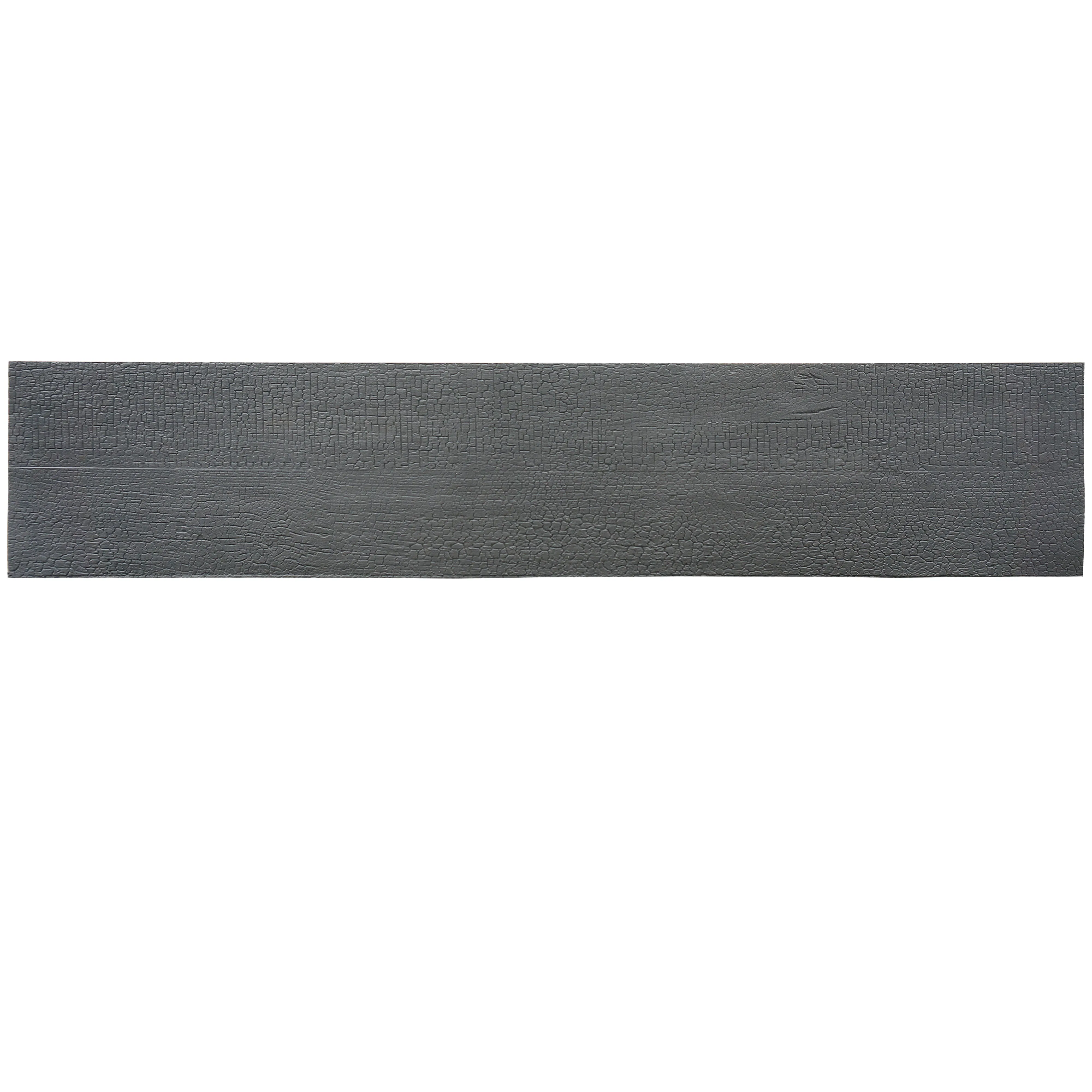
Walk into a modern café downtown, and you might notice it first—the wall behind the counter, a mosaic of deep, charred planks that catch the light like embers frozen in time. Or step onto a backyard deck that feels both rugged and refined, its surface bearing the subtle scars of fire yet standing strong against rain and sun. That's the allure of charcoal burnt wood board —a material that marries the raw beauty of nature with the resilience of human craftsmanship. More than just a trend, it's a storyteller, carrying the marks of flame and time to turn spaces into experiences. Let's dive into how this versatile material transforms interiors and exteriors, and why it's become a favorite for designers and homeowners alike.
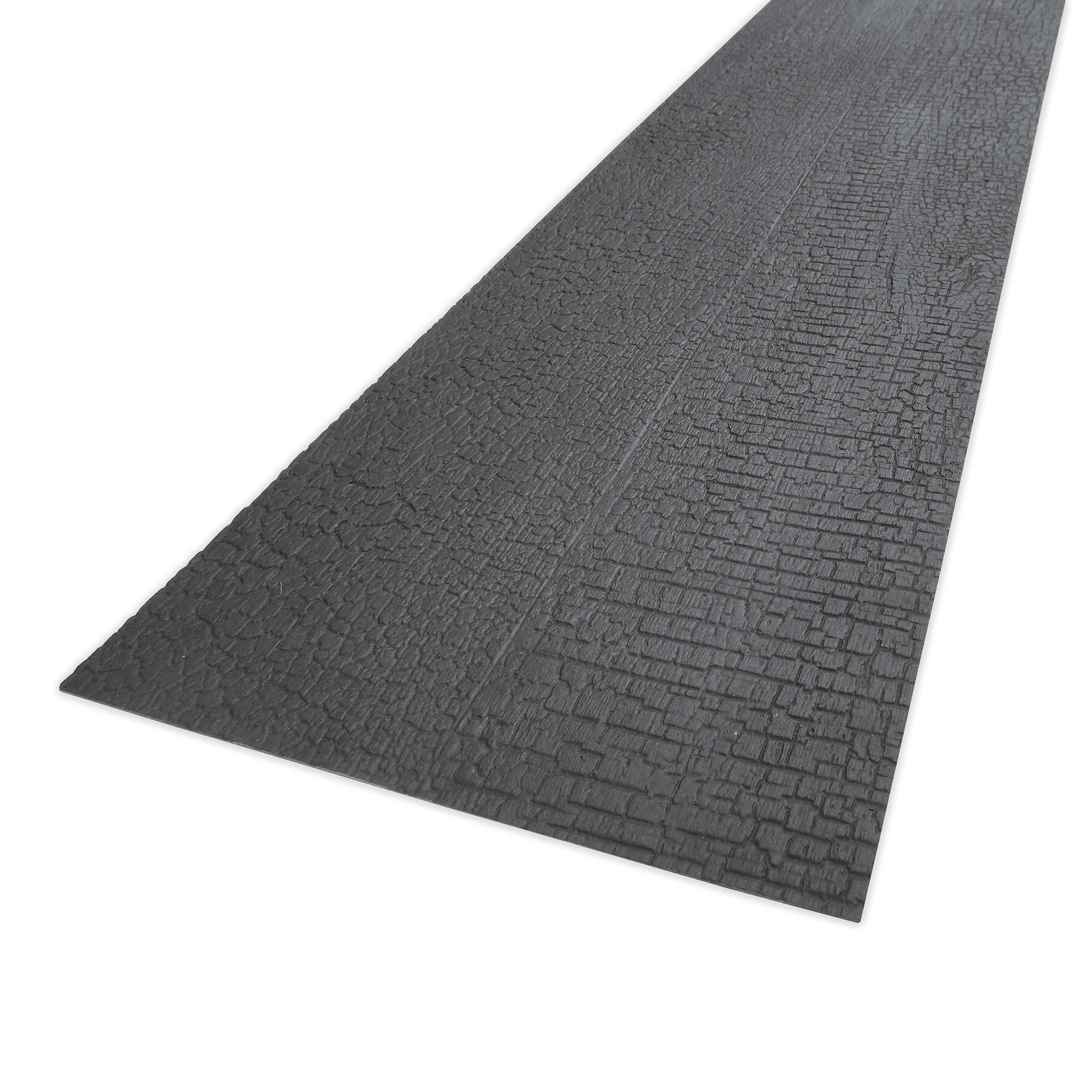
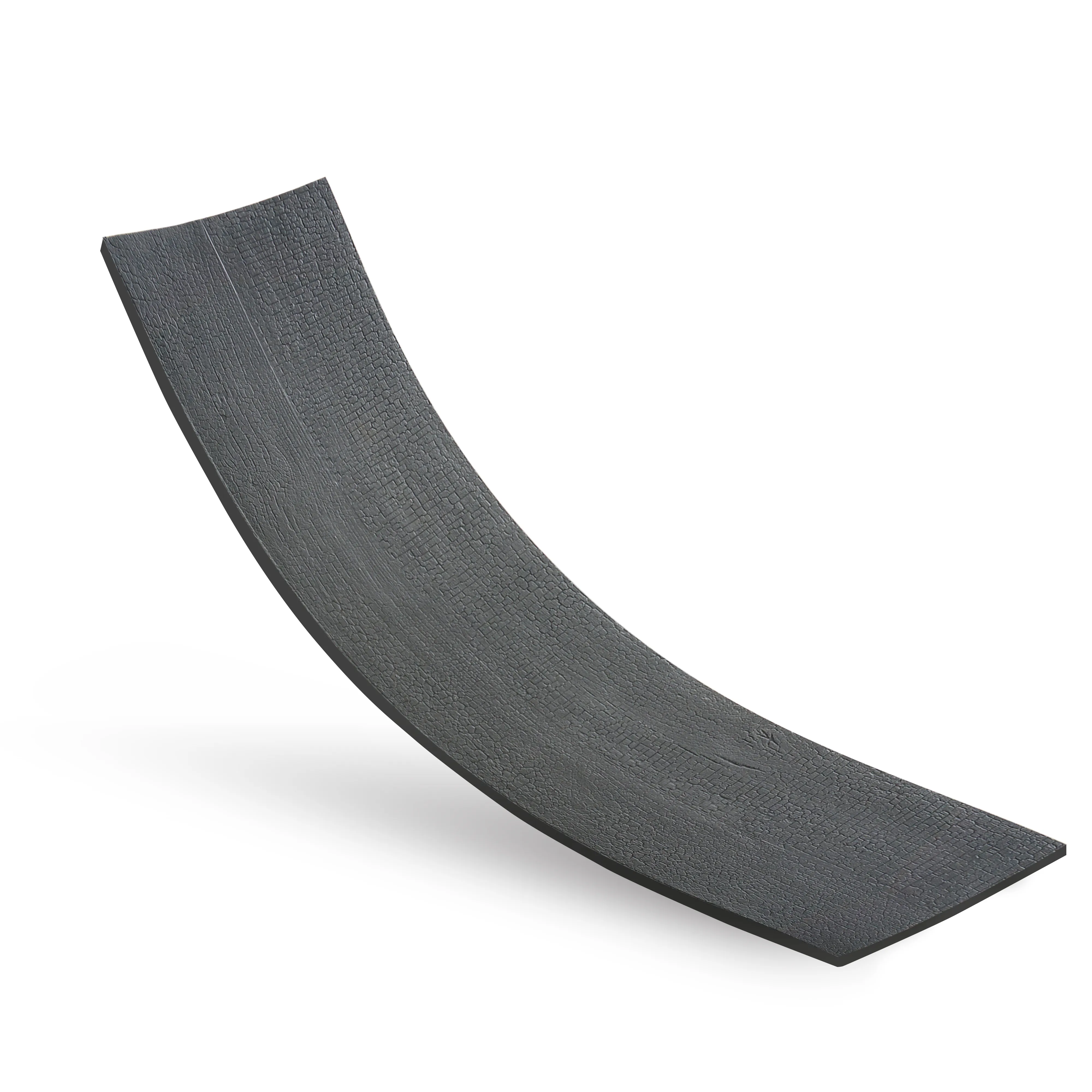
At its core, charcoal burnt wood board is wood that's been treated with fire—specifically, a technique rooted in traditional Japanese craftsmanship called shou sugi ban . The process involves charring the wood's surface with a torch, then brushing away the loose ash to reveal a textured, carbon-rich layer. This isn't just about aesthetics, though; the charring seals the wood, making it resistant to rot, pests, and even fire (yes, you read that right—fire-treated wood is harder to burn). The result? A material that looks like it's been forged by nature itself, with hues ranging from smoky grays to deep, velvety blacks, and grains that pop like brushstrokes on a canvas.
But don't mistake it for a one-note material. Depending on the wood type (cedar, pine, and cypress are common) and the intensity of the charring, each board tells a unique story. Some have bold, crackled surfaces that feel like tree bark after a gentle wildfire; others are smoother, with subtle gradients that shift when you walk past. It's this versatility that makes it equally at home in a minimalist apartment and a rustic cabin.
Inside the home, charcoal burnt wood board isn't just a material—it's a mood-setter. It adds depth to spaces, turning ordinary walls into focal points and functional pieces into conversation starters. Let's break down where it shines brightest.
Imagine a living room where the TV wall isn't just a flat screen, but a backdrop of charcoal burnt wood planks. The deep tones contrast with soft, neutral sofas and throw pillows in weaving (khaki) , creating a balance of warmth and edge. Or picture a coffee table made from a single slab of burnt wood, its edges rough and organic, paired with a sleek glass top—industrial meets nature in the best way. What makes it work here? It's tactile. Run a hand over the surface, and you'll feel the slight ridges left by the torch, a reminder that this isn't mass-produced. It's personal.
Designers love using it in open-concept spaces, too. A half-wall clad in charcoal burnt wood can separate the living area from the dining room without closing off the flow, adding texture without overwhelming. Paired with fair-faced concrete floors—a material known for its cool, industrial vibe—the burnt wood softens the space, making it feel lived-in rather than stark. It's the kind of combination that says, "This home has personality."
Kitchens are all about balance—hardworking surfaces that can handle spills and heat, but also spaces that feel inviting. Charcoal burnt wood board checks both boxes. As a backsplash, it adds a rustic twist to modern kitchens, especially when paired with light marble countertops or white cabinetry. The dark surface hides minor splatters (hello, tomato sauce mishaps), and its sealed finish makes cleaning a breeze (just wipe with a damp cloth). For those who love to cook, it's a material that doesn't just look good—it keeps up with the chaos of daily life.
Countertops? While not as common as granite or quartz, thinner slabs of burnt wood work beautifully for kitchen islands or breakfast bars. They're not heat-proof (you'll still need a trivet for that cast-iron skillet), but they add warmth to a room that's often dominated by cold, hard surfaces. Imagine slicing vegetables on a surface that feels like a piece of art—suddenly, meal prep becomes a little more inspiring.
Bedrooms are for unwinding, and charcoal burnt wood board brings a sense of calm to these spaces. A headboard made from burnt wood planks, mounted above soft linen bedding, creates a focal point that's both grounding and serene. The dark color absorbs light, making the room feel cozier at night, while the natural grain adds a touch of nature—perfect for those who crave a connection to the outdoors, even indoors.
Flooring is another unexpected application. Burnt wood floors have a matte finish that hides scratches (great for pet owners!), and their warm undertones complement lighter walls and textiles. They're softer underfoot than tile, too, making early-morning trips to the bathroom a little less jarring. Paired with wood grain board accents—think floating shelves or a dresser with visible wood patterns—it creates a layered, cohesive look that feels intentional, not cluttered.
If interiors are where charcoal burnt wood board whispers warmth, exteriors are where it roars resilience. Outdoors, it's not just about looking good—it has to stand up to rain, snow, UV rays, and the occasional curious squirrel. And thanks to that charred surface, it does so with grace.
The exterior of a home is its first hello, and charcoal burnt wood board makes it a memorable one. As cladding, it turns ordinary houses into architectural statements. Imagine a modern home with a burnt wood facade, its dark planks contrasting with large windows and a rough granite stone (medium grey) foundation. The combination of textures—smooth glass, rugged stone, and charred wood—creates visual interest that draws the eye without feeling busy. It's bold, but not brash; timeless, but not outdated.
What's more, burnt wood weathers beautifully. Unlike untreated wood, which fades to gray over time, the charred layer retains its depth, developing a subtle patina that looks better with age. A facade that was installed 10 years ago? It'll still turn heads, its surface telling the story of seasons passed.
Decks are where we host barbecues, watch sunsets, and let the kids run wild—so they need to be tough. Charcoal burnt wood board decks are up to the task. The charring makes the wood resistant to moisture, so you won't have to worry about rot or warping after a summer rainstorm. They're also slip-resistant, even when wet, making them safer for bare feet and playful pups.
But it's not just about durability. A burnt wood deck feels like an extension of the home, blurring the line between indoors and out. Add some outdoor furniture with weaving (khaki) cushions, string lights, and potted plants, and suddenly your backyard becomes a retreat that rivals any five-star resort. It's the kind of space where you'll find yourself lingering long after the sun goes down.
Fences don't have to be boring. Charcoal burnt wood board fences add privacy while doubling as art. Whether you opt for horizontal slats that create a modern, sleek look or vertical planks for a more traditional feel, the dark color adds depth to your landscape. They're also low-maintenance—no need for annual staining or painting. Just let the weather do its work, and enjoy a fence that looks better year after year.
Privacy screens are another clever use. Install a slatted burnt wood screen around your patio, and you'll block prying eyes while still letting in light and breeze. It's a simple way to turn a small outdoor space into a cozy nook, perfect for morning coffee or evening cocktails.
Now that we've explored where charcoal burnt wood board shines indoors and out, let's break down the key differences—because while it's versatile, it behaves differently in each setting. Here's a quick comparison:
| Aspect | Interior Use | Exterior Use |
|---|---|---|
| Durability | Thrives in controlled environments; resistant to pests and minor moisture (think spills), but not designed for constant exposure to rain or snow. | Built to withstand the elements—resistant to rot, UV rays, and pests. The charred layer acts as a natural barrier against weathering. |
| Maintenance | Low-maintenance: Dust or wipe with a damp cloth. Occasional oiling (every 1-2 years) keeps the wood hydrated and looking fresh. | Slightly more upkeep: Clean with mild soap and water annually; reapply a clear sealant every 3-5 years to protect against harsh weather. |
| Aesthetic Role | Adds warmth, texture, and contrast. Often used as an accent to soften modern or industrial spaces. | Makes a bold statement as a facade or deck; ages gracefully, developing a rich patina that enhances curb appeal. |
| Common Pairings | Fair-faced concrete , light textiles, wood grain board , and metallic accents. | Rough granite stone (medium grey) , glass, metal railings, and greenery. |
At the end of the day, charcoal burnt wood board isn't just about looks—it's about purpose. It's sustainable: by extending the life of wood through charring, we reduce the need for chemical treatments and frequent replacements. It's versatile: whether you're designing a tiny apartment or a sprawling estate, there's a way to incorporate it. And it's emotional: spaces clad in burnt wood feel alive, like they've been touched by human hands and natural elements. They don't just look good—they feel meaningful.
So, whether you're dreaming of an accent wall in your living room or a backyard deck that'll host decades of memories, consider charcoal burnt wood board. It's more than a material; it's a partner in creating spaces that tell your story—one charred plank at a time.
Recommend Products












