
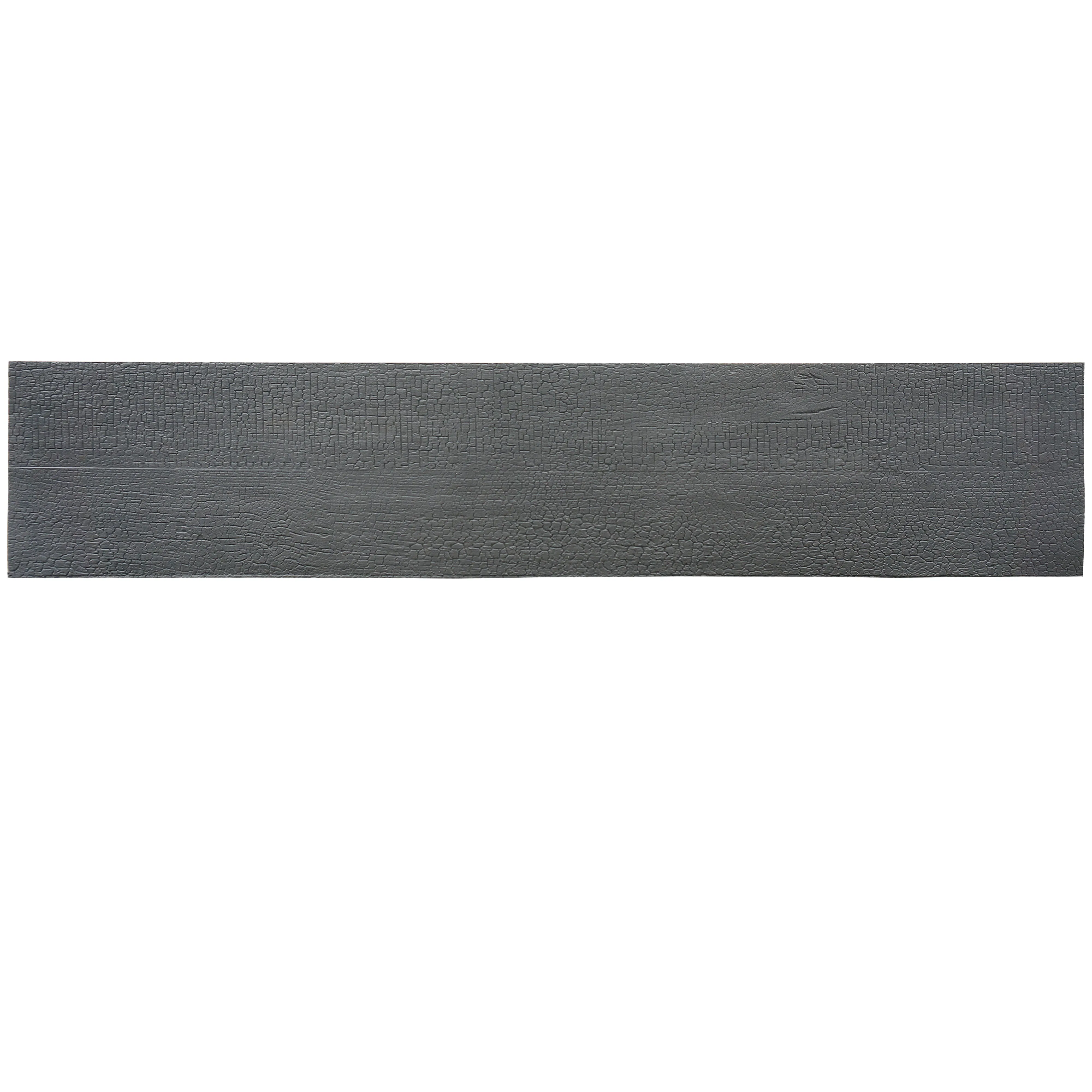
Walk into any thoughtfully designed space—whether it's a cozy home, a bustling café, or a sleek office—and you'll likely notice the materials that shape its character: warm wood walls, textured stone accents, or smooth concrete surfaces. But beyond their visual appeal, there's a hidden world of science that determines how well these materials stand the test of time. One of the most overlooked yet critical factors? pH. It's not just a term from chemistry class; it's a silent architect of durability, affecting everything from mold resistance to structural integrity. Today, we're diving into the basics of charcoal burnt wood board —a material celebrated for its striking aesthetic—and uncovering why its pH balance is a game-changer in the world of building materials.
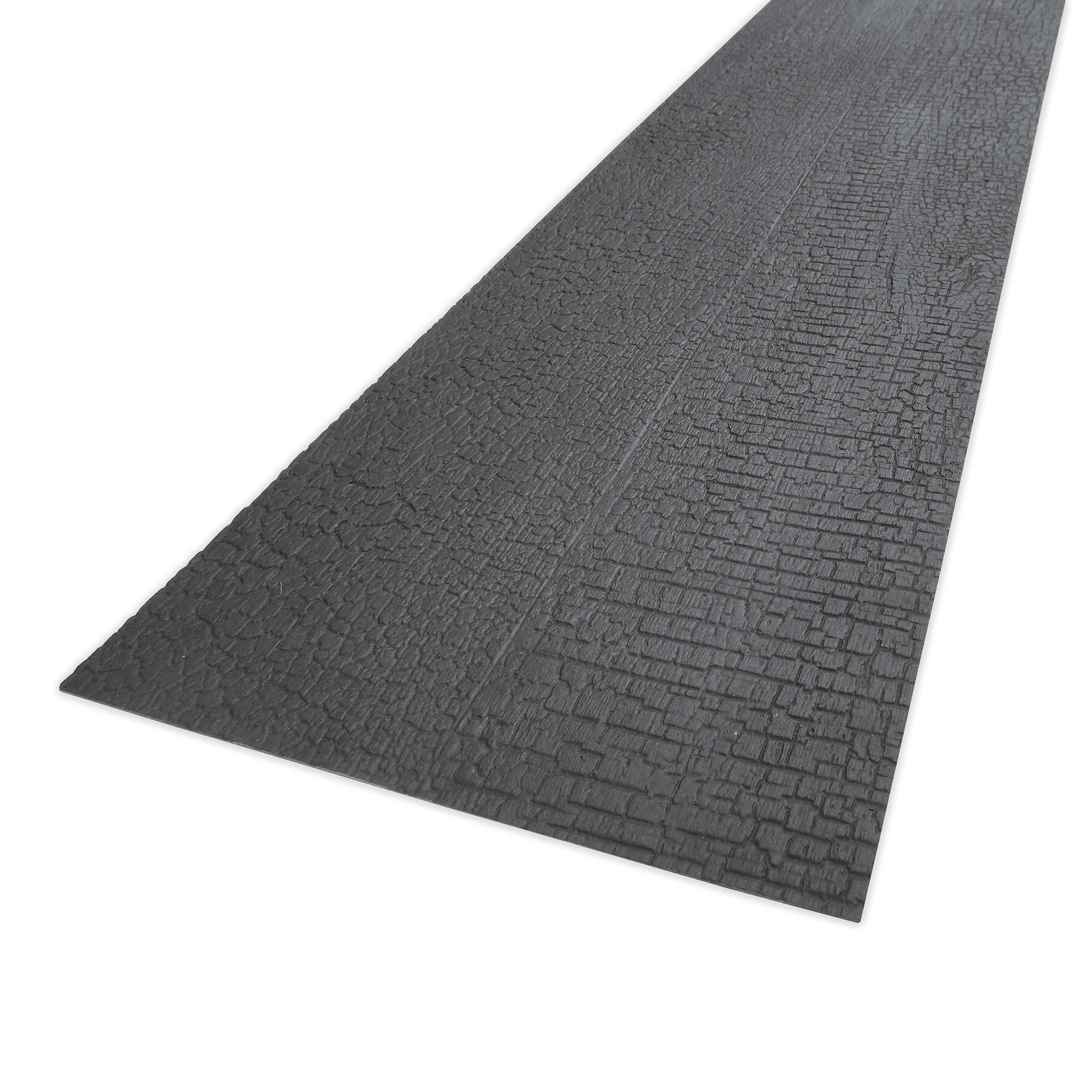
First things first: Let's demystify the star of the show. Charcoal burnt wood board, often rooted in the ancient Japanese technique of shou sugi ban (literally "burnt cedar board"), is more than just wood with a dark, dramatic finish. The process involves carefully torching the surface of wood planks—typically cedar, cypress, or pine—to char the outer layer, then brushing away loose ash to reveal a textured, carbon-rich surface. Finally, the board is sealed with natural oils or wax to lock in its properties.
The result? A material that's equal parts art and engineering. Visually, it boasts deep, smoky hues with hints of amber and charcoal, where the natural grain of the wood peeks through like shadows on a forest floor. Functionally, the burning process transforms the wood: it becomes resistant to rot, pests, and weathering. But here's the kicker: none of these benefits would hold up without the right pH balance. To understand why, let's take a quick detour into the science of pH in building materials.
pH is a measure of how acidic or alkaline a substance is, ranging from 0 (highly acidic) to 14 (highly alkaline). A neutral pH is 7. For building materials, this number isn't just a statistic—it's a predictor of performance. Materials with unstable pH levels can cause all sorts of headaches:
For wood-based materials like wood grain board (a close cousin of charcoal burnt wood) or standard lumber, pH is especially critical. Untreated wood naturally has a slightly acidic pH (around 4.5–6.0) due to organic compounds like lignin and tannins. While this acidity can deter some pests, it also makes the wood vulnerable to moisture absorption, which can lower pH further (more acidic) and accelerate rot. Enter charcoal burnt wood board: its unique manufacturing process flips the script on pH stability.
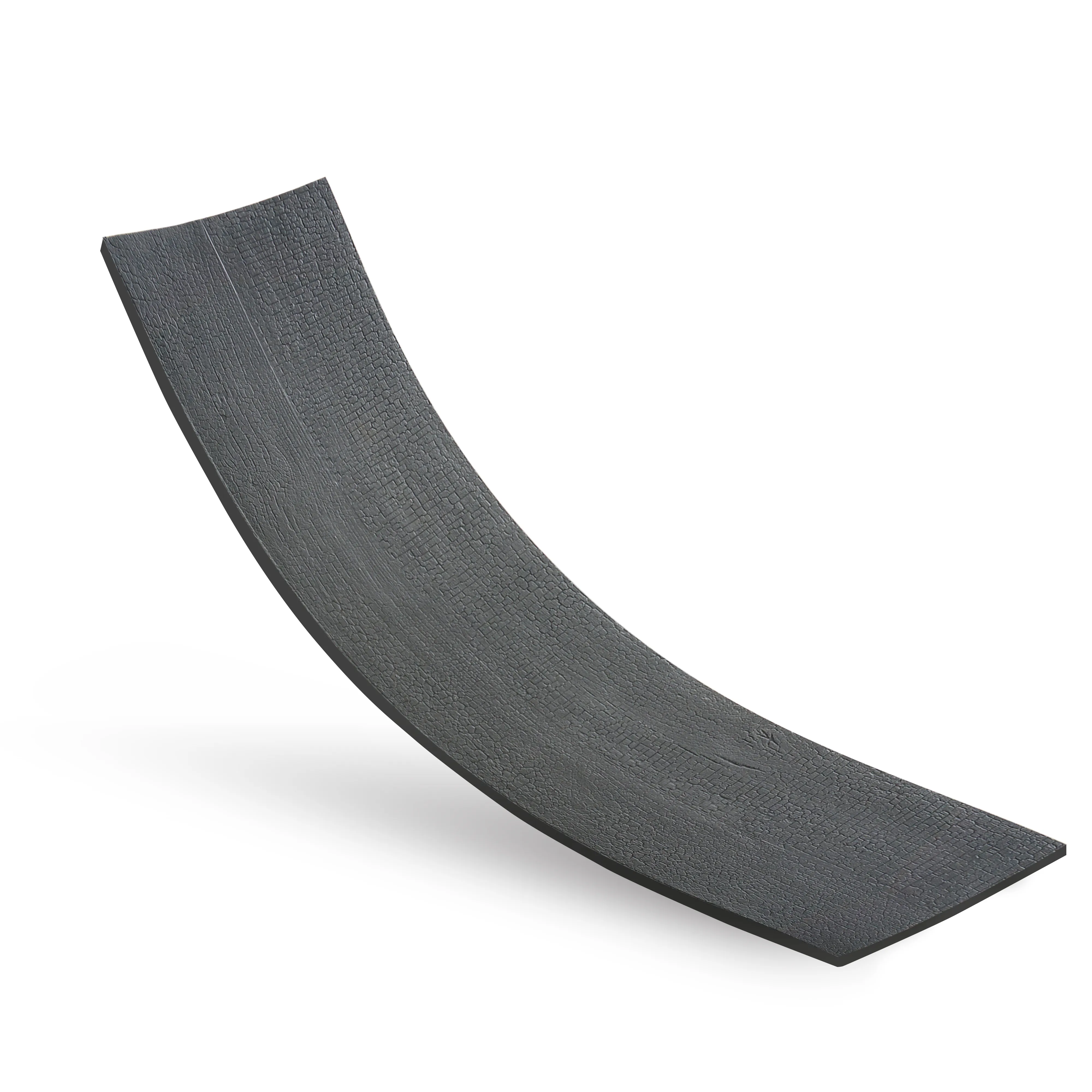
When wood is burnt to create charcoal burnt wood board, something fascinating happens to its pH. The high heat of the torching process breaks down the wood's natural sugars, resins, and tannins—compounds that contribute to acidity. What's left is a surface rich in carbon, which tends to be slightly alkaline (typically pH 7.5–8.5). This alkaline shift is intentional and transformative:
Stability is key: Unlike untreated wood, which can swing in pH with changes in moisture or temperature, the charred layer acts as a buffer. Carbon is chemically inert, meaning it resists reactions that would alter pH. This stability ensures the wood won't become a breeding ground for mold (which thrives in acidic, damp environments) or corrode metal fixtures over time.
Pest resistance, redefined: Termites and wood-boring beetles hate alkaline environments. The high pH of charcoal burnt wood board makes it unappetizing to these pests, reducing the need for toxic chemical treatments. It's a win-win for eco-conscious builders and homeowners.
Compatibility with other materials: Imagine pairing your charcoal burnt wood wall with fair-faced concrete (a raw, uncoated concrete with a pH around 12–13, highly alkaline) or travertine (beige) (a natural stone with a neutral to slightly alkaline pH of 7–8). If the wood were too acidic, the concrete's alkalinity could react with it, causing staining or warping. But charcoal burnt wood's balanced pH? It plays well with others, ensuring seamless integration in mixed-material designs.
To truly appreciate charcoal burnt wood board's pH advantage, let's compare it to a few other popular building materials. We'll focus on pH range, durability, and maintenance needs—three factors directly influenced by pH balance.
| Material | Typical pH Range | Durability (Resistance to Rot/Pests) | Maintenance Needs |
|---|---|---|---|
| Charcoal Burnt Wood Board | 7.5–8.5 (Slightly Alkaline) | High (char layer repels pests/rot) | Low (Seal annually; minimal cleaning) |
| Wood Grain Board (Untreated) | 4.5–6.0 (Acidic) | Low-Medium (Prone to rot in moisture) | High (Frequent sealing; pest treatments) |
| Fair-Faced Concrete | 12–13 (Highly Alkaline) | High (Resistant to rot; prone to cracking) | Medium (Seal to prevent staining; repair cracks) |
| Travertine (Beige) | 7.0–8.0 (Neutral-Slightly Alkaline) | Medium (Porous; stains easily) | High (Seal every 1–2 years; avoid acidic cleaners) |
| Rammed Earth Board (Matcha Green) | 6.5–8.0 (Variable, Soil-Dependent) | Medium (Susceptible to moisture damage) | Medium (Seal to repel water; monitor for cracks) |
The table tells a clear story: charcoal burnt wood board hits the sweet spot. Its slightly alkaline pH balances durability with compatibility, while requiring far less upkeep than untreated wood or porous stone like travertine. Even compared to rammed earth board (matcha green) —a trendy, earthy material—charcoal burnt wood's pH stability gives it an edge in consistency. Rammed earth, made from compacted soil, can have pH levels that vary based on the soil's mineral content, making its performance less predictable in humid climates.
So, where does this pH-stable wonder material excel? Its versatility is part of its appeal. Externally, it's a star for siding, fences, or outdoor furniture—standing up to rain, snow, and UV rays without warping or fading. Internally, it adds warmth to accent walls, ceilings, or kitchen backsplashes. In commercial spaces, it's a favorite for restaurants and boutiques aiming for that "rustic meets modern" vibe, as it hides wear and tear (thanks to its textured surface) and resists the moisture from steam or spills.
One real-world example: A coastal home in Oregon used charcoal burnt wood board for its exterior siding. The region is known for heavy rain and high humidity—conditions that would spell disaster for untreated wood. But after five years, the siding still looks brand-new, with no signs of rot or pest infestations. The homeowner attributes this to the material's pH balance: "We chose it for the look, but the fact that we haven't had to replace a single plank? That's the real win."
Despite its benefits, there are still myths floating around about pH and wood-based materials. Let's set the record straight:
Myth #1: "All charred wood has the same pH." Not true. The depth of burning, type of wood, and sealing process all affect pH. A lightly torched board might retain more acidic compounds, while a deeply charred one (like high-quality charcoal burnt wood) will be more alkaline. Always ask manufacturers for pH test results.
Myth #2: "pH only matters for outdoor materials." Think again. Indoors, poor pH balance can lead to mold growth in bathrooms or kitchens, where moisture lingers. Charcoal burnt wood's stable pH makes it a safer choice for these high-humidity areas than untreated wood.
Myth #3: "Sealing alone fixes pH issues." Sealing helps protect against moisture, but it can't mask an unstable pH. If the wood itself is too acidic or alkaline, the sealant will eventually break down, exposing the material to damage. pH balance is foundational—sealing is just the cherry on top.
At the end of the day, charcoal burnt wood board isn't just a pretty face. Its striking appearance is backed by a science that ensures it lasts—starting with its balanced pH. By transforming the wood's chemistry through controlled burning, it avoids the pitfalls of acidic untreated wood and the overcorrection of highly alkaline materials like concrete. It's a material that respects both form and function, proving that the best building choices are those that consider the invisible forces—like pH—that shape our spaces.
So, the next time you're choosing materials for a project, remember: beauty fades, but a well-balanced pH? That's the secret to materials that age gracefully, tell stories, and stand strong for decades. And if you're craving that perfect blend of style and science? Charcoal burnt wood board just might be your answer.
Recommend Products












