
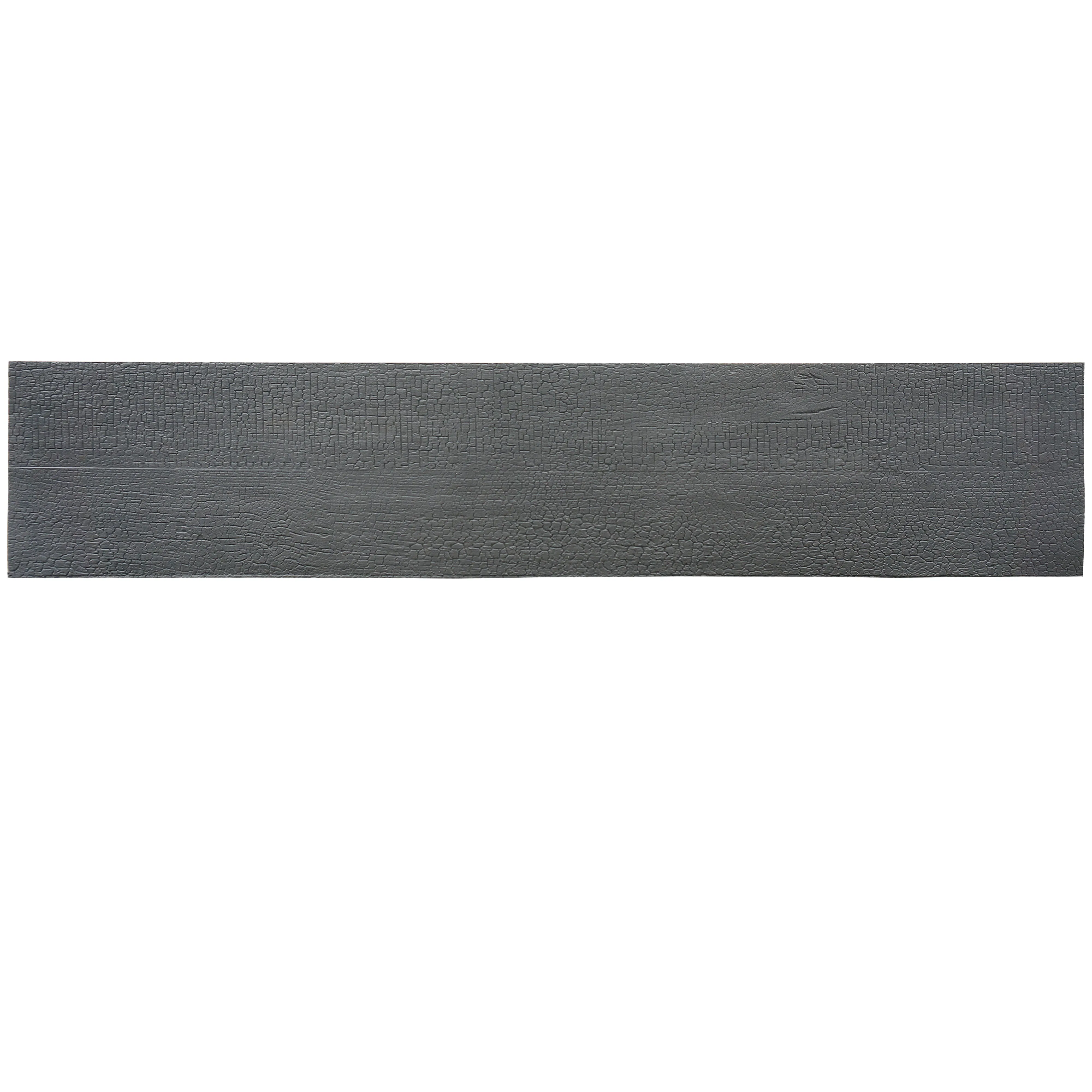
If you've spent any time flipping through home design magazines or scrolling through Instagram's #InteriorGoals lately, you've probably stumbled upon a material that's equal parts timeless and trendy: charcoal burnt wood board. With its deep, smoky tones, tactile texture, and that perfect blend of rustic charm and modern edge, it's no wonder designers and homeowners alike are obsessed. But before you rush to order a truckload for your next project, there's a detail that deserves more attention than it usually gets: pH specifications. Yep, that chemistry class term isn't just for scientists—it could make or break the longevity and beauty of your charcoal burnt wood investment. Let's dive in.
Let's start with the basics. Charcoal burnt wood board—sometimes called "shou sugi ban" after the traditional Japanese technique that inspired it—is wood that's been treated with controlled burning. The process chars the surface, creating a layer that's not just visually striking (think: varying shades of black, gray, and even hints of amber) but also surprisingly functional. That charred layer acts as a natural barrier against pests, rot, and even fire. These days, it's used everywhere from accent walls and exterior siding to custom furniture and kitchen backsplashes. But here's the catch: not all burnt wood boards are created equal, and pH is a big part of that difference.
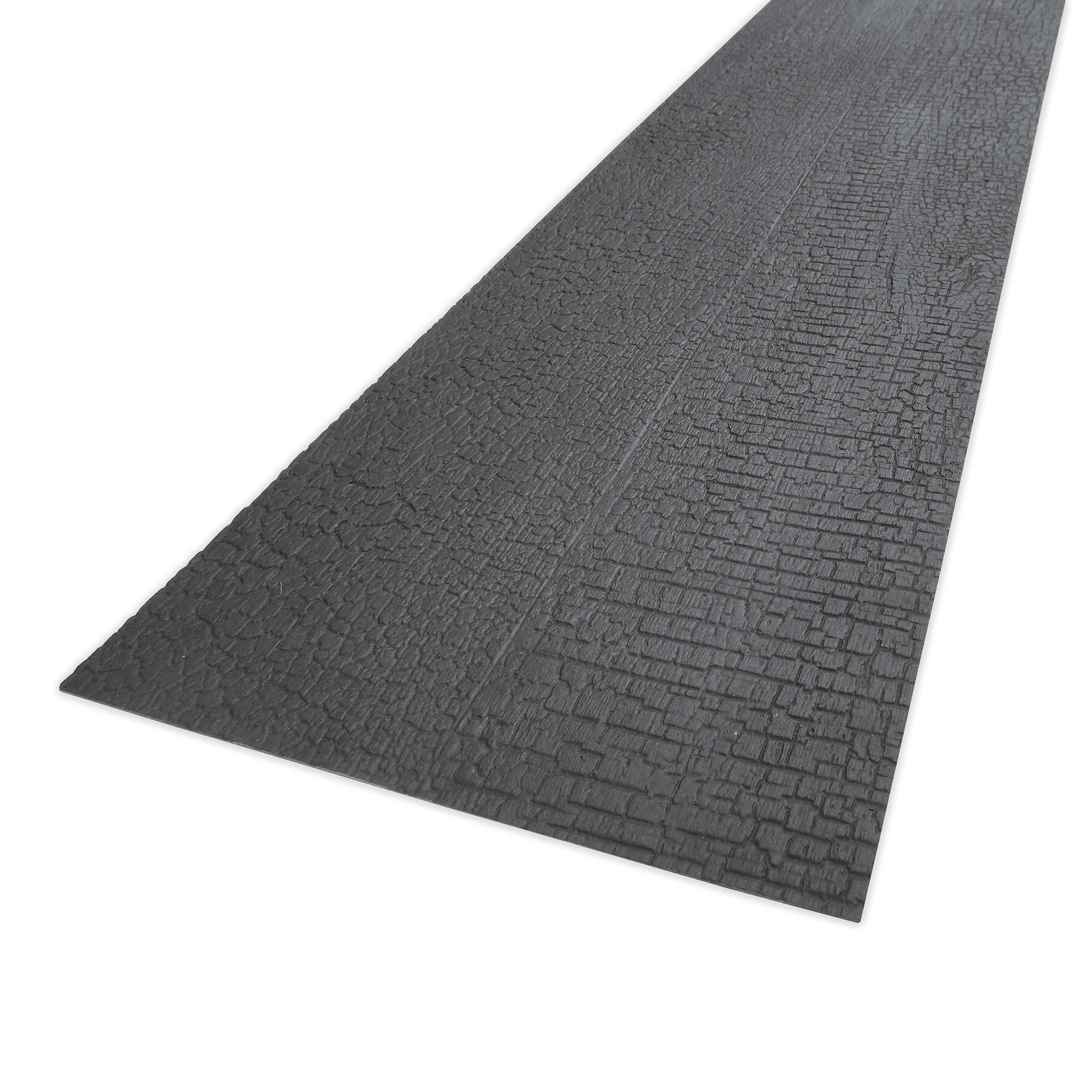
You might be wondering, "pH? Isn't that just about acidity and alkalinity in water?" Well, yes—but it applies to materials too, and it's a silent player in how well your charcoal burnt wood board holds up over time. Let's break it down: the pH scale runs from 0 (super acidic, like lemon juice) to 14 (super alkaline, like bleach), with 7 being neutral. For building materials, including wood, the sweet spot is usually a pH between 6.5 and 8.0—neutral to slightly alkaline. Here's why that range matters:
Imagine this: You install a stunning charcoal burnt wood accent wall in your bathroom. It looks amazing for the first few months, but then you notice dark spots creeping in the corners. You clean them, but they keep coming back. Chances are, the board's pH was too low (acidic), creating the perfect environment for mold to thrive. Not exactly the "low-maintenance" dream you signed up for, right?
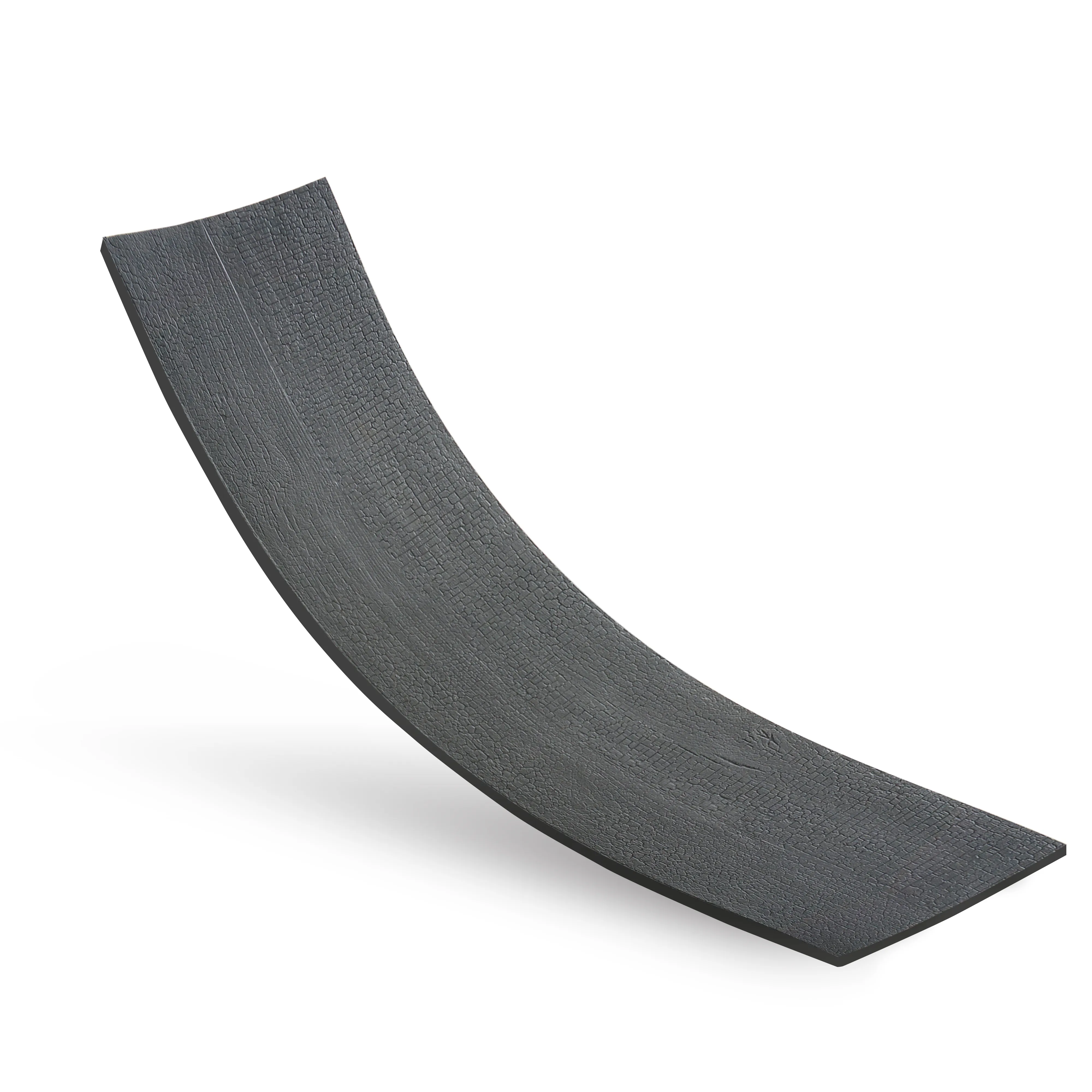
pH is critical, but it's not the only number you should memorize. When shopping for charcoal burnt wood board, here are the other specs to add to your checklist:
Moisture content: Aim for 6-12%. Wood that's too moist (above 12%) will shrink as it dries, leading to cracks. Too dry (below 6%) and it might warp or split when exposed to humidity. Ask the supplier for a moisture test report—any reputable company will have one.
Thickness: Boards usually come in 1/2 inch, 3/4 inch, or 1 inch thicknesses. Thicker boards (3/4 inch+) are better for high-traffic areas or exteriors, while thinner ones work for lightweight projects like shelving.
Fire rating: Since it's already burnt, it should have some fire resistance, but check for a Class B or higher rating if you're using it in commercial spaces or near fireplaces.
Sustainability: Look for FSC-certified wood, which means it's sourced from responsibly managed forests. Bonus points if the burning process uses eco-friendly methods (no harsh chemicals).
Charcoal burnt wood board is awesome, but it's not the only game in town. If you're torn between materials, here's how it compares to a few popular alternatives—including some you might already be considering, like fair-faced concrete and rough granite stone.
| Material | pH Range | Best For | Durability | Cost (per sq ft) | Pros | Cons |
|---|---|---|---|---|---|---|
| Charcoal Burnt Wood | 6.5-8.0 | Accent walls, exterior siding, furniture | Moderate (10-15 years with care) | $8-15 | Unique texture, eco-friendly, natural pest resistance | Requires annual sealing, not ideal for extremely wet areas |
| Fair-Faced Concrete | 8.0-9.5 | Industrial-style interiors, countertops | High (20+ years) | $6-12 | Low maintenance, heat-resistant, modern aesthetic | Can crack if not installed properly, cold to the touch |
| Rough Granite Stone | 7.5-8.5 | Flooring, outdoor patios, backsplashes | Very High (50+ years) | $15-30 | Extremely durable, scratch-resistant, timeless look | Heavy (needs strong support), expensive installation |
| Wood Grain Board | 5.0-6.0 | Cabinetry, lightweight furniture | Low-Moderate (5-10 years) | $5-10 | Smooth finish, easy to paint/stain, budget-friendly | Prone to warping, less resistant to moisture |
See the pattern? Charcoal burnt wood sits in a sweet spot between affordability and character, but it needs a bit more TLC than, say, fair-faced concrete. And while rough granite stone is practically indestructible, it lacks that warm, organic feel that makes burnt wood so inviting. Your choice depends on your project's needs—just don't forget to cross-reference pH with application!
Okay, so you're sold on checking pH—now how do you actually do it? You don't need a lab, but you will need a few supplies. Here's a quick DIY method:
For peace of mind, especially for big projects, ask the supplier for a lab-certified pH report. Reputable manufacturers will have this on hand, and if they don't, that's a red flag. You don't want to gamble with a material that'll cost you time and money to replace later.
pH and specs aside, it's important to match the board to the space. Here's where it shines, and where you might want to think twice:
Best applications:
Proceed with caution:
Even the best charcoal burnt wood board needs a little love to stay in top shape. Here's how to maintain that pH balance and keep it looking fresh:
I've seen too many people fall in love with the look of charcoal burnt wood board and rush into buying it—only to regret it later. Here are the mistakes to steer clear of:
Buying based on price alone: The cheapest board might have a wonky pH or high moisture content. It's better to spend a little more upfront on a quality product than to replace it in a year.
Ignoring the wood species: Not all wood burns the same! Cedar and pine are popular choices because they char evenly, but softer woods like fir might have patchy results. Ask what species the board is made from—cedar tends to have a more stable pH post-burning.
Installing without a moisture barrier: If using it outdoors or in semi-moist areas, add a vapor barrier behind the board to prevent moisture from seeping in and messing with pH.
Overlooking local climate: A board that works in a dry desert might fail in a rainy coastal area, even if the pH is perfect. Always factor in your local weather patterns.
Charcoal burnt wood board is more than just a pretty face—it's a material with depth (literally and figuratively). By paying attention to pH, moisture content, and other specs, you're not just buying a product; you're investing in a design that'll stand the test of time. Whether you're a homeowner tackling a DIY reno or a designer curating a client's space, remember: the best projects are built on details. And pH? It's one detail that shouldn't be overlooked.
So, go ahead—fall for that smoky texture and rich color. Just make sure you're falling for a board that's as balanced on the inside (pH-wise) as it is beautiful on the outside. Your future self (and your wallet) will thank you.
Recommend Products












