
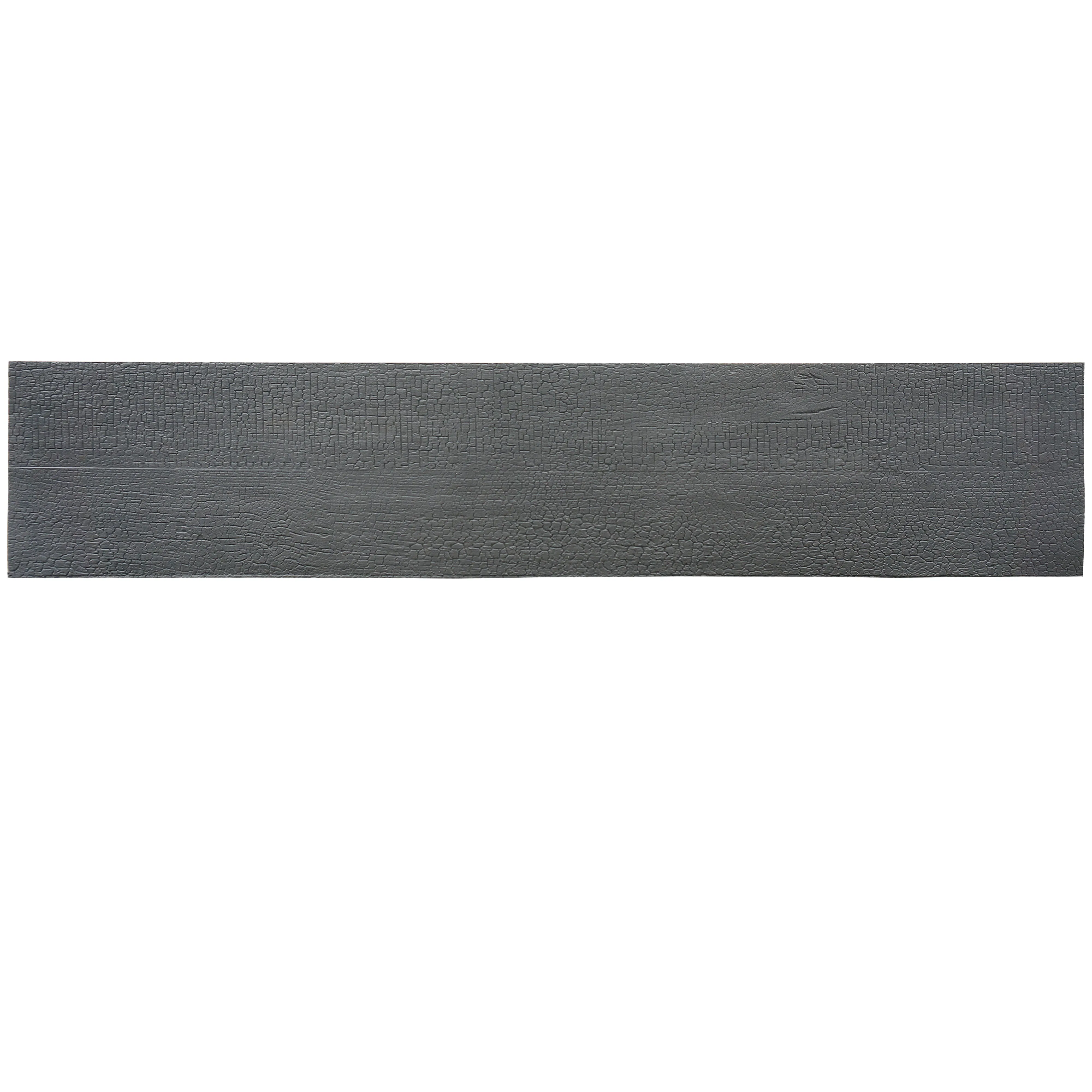
Walk into any contemporary home or commercial space these days, and you'll likely notice a material that's quietly stealing the show: walls and surfaces that blend rustic warmth with modern edge, their textures telling stories of craftsmanship and care. For architects, designers, and homeowners alike, the search for materials that marry aesthetics, durability, and safety is never-ending. One such material that's been gaining traction is the charcoal burnt wood board—a product born from ancient techniques and reimagined for today's buildings. But here's the thing: not all charcoal burnt wood boards are created equal. In a market flooded with options, how do you separate the exceptional from the mediocre? That's where certification comes in. Let's dive into why certification matters, what it entails, and how it ensures that the charcoal burnt wood board you choose is more than just a pretty face—it's a promise of quality.
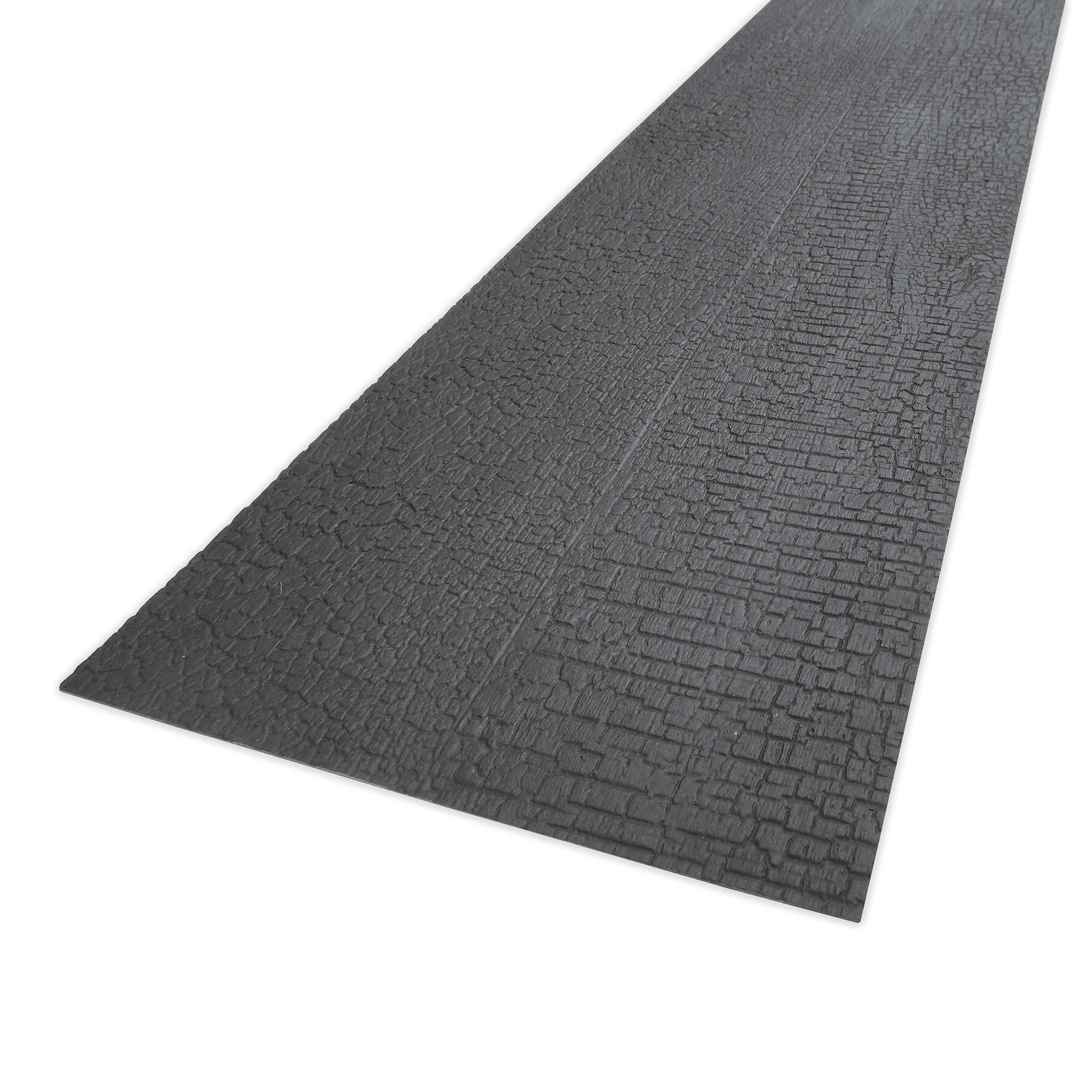
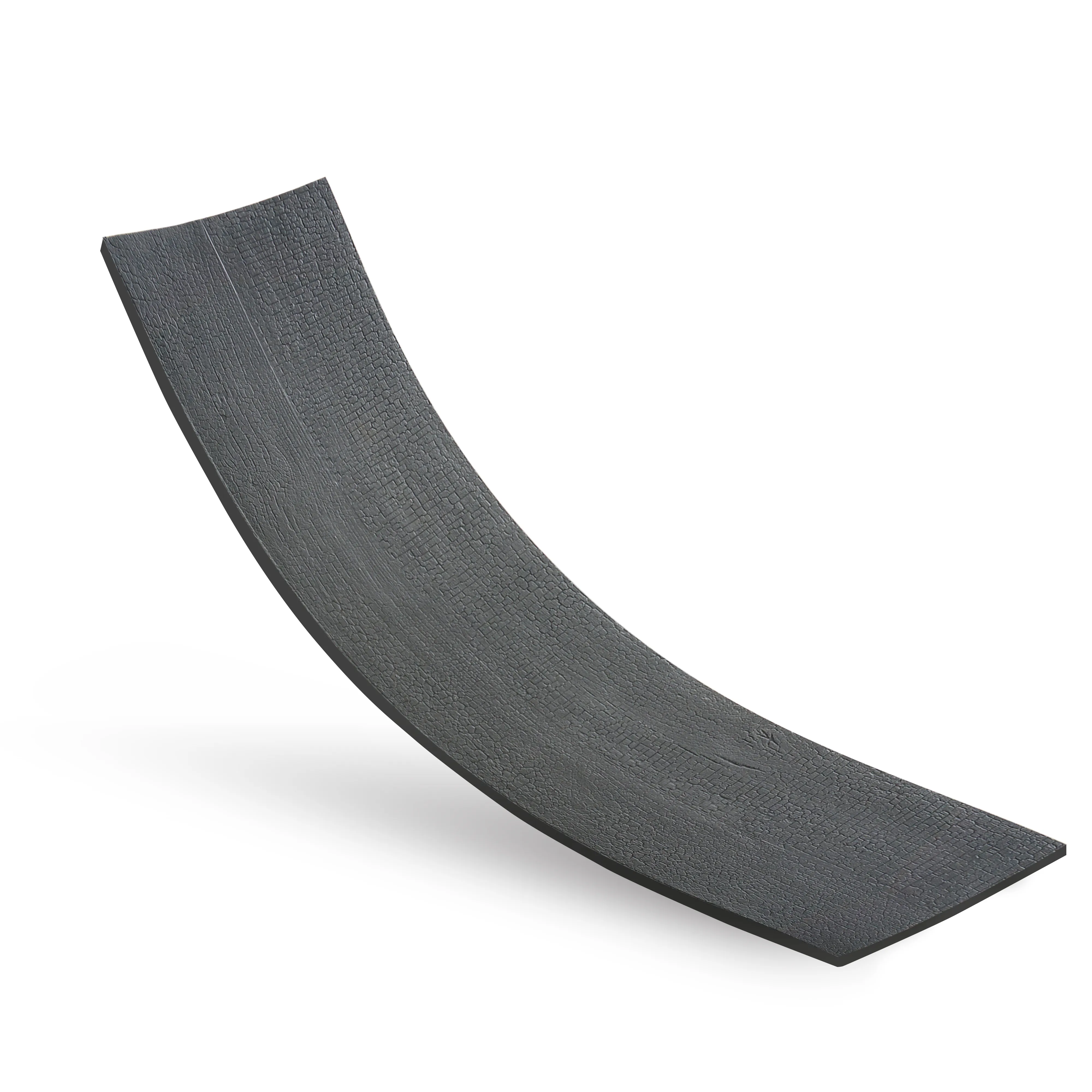
First, let's get back to basics. Charcoal burnt wood board—also known as shou sugi ban, a nod to its Japanese origins—is exactly what it sounds like: wood that's been treated by burning its surface. But this isn't just a backyard bonfire experiment. The process is meticulous: the wood is carefully charred to create a layer of carbon on its surface, then brushed to remove loose ash, and often sealed with oil or wax. The result? A material that's not only stunning—with deep, smoky hues and a tactile, weathered finish—but also surprisingly resilient. The charring process naturally resists rot, pests, and even fire, making it a practical choice for both indoor and outdoor use. From siding on a mountain cabin to accent walls in a downtown café, its versatility is part of its appeal. But as demand has grown, so too have shortcuts. Some manufacturers skip key steps, use low-grade wood, or rush the charring process, leaving boards that warp, crack, or fail to stand up to the elements. That's where certification steps in as a guardrail.
Imagine investing in a charcoal burnt wood board for your home's exterior, only to find it peeling after the first rainstorm. Or worse, discovering that the "fire-resistant" label was just marketing hype when a small spark turns into a bigger problem. These aren't hypothetical scenarios—they're real risks when uncertified products enter the market. Without standards, manufacturers can make all sorts of claims without backing them up. Maybe the wood wasn't properly dried before charring, leading to warping. Maybe the charring depth is inconsistent, leaving some areas vulnerable to moisture. Or perhaps the wood itself came from unsustainable sources, undoing any environmental benefits. Certification isn't just a stamp of approval; it's a shield against these risks. It ensures that the product meets specific benchmarks for performance, safety, and sustainability—so you can focus on enjoying your space, not worrying about its materials.
Quick reality check: A 2023 survey by the International Wood Products Association found that 1 in 5 uncertified wood-based cladding products failed basic durability tests within two years of installation. For homeowners, that translates to costly repairs and disappointed expectations. For builders and designers, it's a blow to reputation. Certification isn't just optional—it's essential.
Certification isn't a one-size-fits-all label. It's a rigorous process that varies slightly by region and organization, but at its core, it's about verifying that a product meets specific criteria. Let's break down what that looks like for charcoal burnt wood boards.
It all starts with the wood itself. Certified boards often require that the wood comes from sustainably managed forests—think FSC (Forest Stewardship Council) or PEFC (Programme for the Endorsement of Forest Certification) certified sources. This ensures that for every tree cut down, another is planted, and ecosystems are protected. It also means avoiding wood from endangered species or illegal logging operations. For example, some certification bodies even check the wood's origin, tracing it back to the forest to ensure transparency.
The charring process is where the magic (and the science) happens. Certified boards must adhere to strict guidelines here: How long is the wood charred? At what temperature? How is it cooled and cleaned afterward? Inconsistent charring can lead to weak spots—areas that are too lightly burnt (and thus less resistant to pests) or too heavily burnt (brittle and prone to cracking). Certification bodies like ASTM International or ISO will test samples to ensure the char layer is uniform and meets thickness requirements (usually between 0.5mm and 2mm, depending on the wood type).
Once the board is made, the real tests begin. Labs put certified candidates through their paces, checking for:
Certification isn't a one-and-done deal. Bodies like the International Code Council (ICC) or CE (Conformité Européenne) require regular factory audits to ensure manufacturers are sticking to the rules. This means surprise visits, document checks, and retesting of products to ensure consistency. It's like a report card that never expires—manufacturers have to keep earning that certification.
With so many certification bodies out there, it can get confusing. To simplify, here's a look at the most trusted names in the industry and what they focus on:
| Certification Body | Region Focus | Key Criteria | Relevant Standards |
|---|---|---|---|
| ASTM International | Global (U.S.-based) | Performance, Safety, Durability | ASTM D7035 (wood preservation), ASTM E108 (fire testing) |
| ISO (International Organization for Standardization) | Global | Quality Management, Sustainability | ISO 9001 (quality), ISO 14001 (environmental management) |
| CE Mark | European union | Health, Safety, Environmental Protection | EN 13501-1 (fire classification), EN 14915 (wood-based panels) |
| FSC (Forest Stewardship Council) | Global | Sustainable Sourcing | FSC 100% (all wood from FSC-certified forests) |
When shopping for a charcoal burnt wood board, look for these logos. They're not just stickers—they're proof that the product has been vetted by third-party experts who have no stake in the sale. It's like having a neutral referee in the ring, ensuring the game is played fairly.
Okay, so certification sounds thorough—but what's in it for you? Let's count the ways:
Uncertified boards might come with a lower price tag upfront, but they're often false economies. A board that warps after a year means replacing it, which costs time and money. Certified boards, on the other hand, are built to last. They resist rot, pests, and weathering, so you won't be shelling out for repairs down the line. Think of it as an investment: pay a little more now, save a lot later.
Fire safety is non-negotiable, whether you're building a home or a restaurant. Certified charcoal burnt wood boards undergo rigorous fire testing, ensuring they meet codes for flame spread and smoke production. For families, that means added protection in case of emergencies. And indoors, low-VOC emissions mean better air quality—no harmful fumes leaching into your living space. It's the kind of safety net you hope you'll never need, but you'll be glad to have.
Ever ordered tiles or flooring only to find the second batch is a slightly different color or texture? It's frustrating, to say the least. Certified manufacturers are held to strict quality control standards, meaning every board in a batch will match the last. For designers aiming for a cohesive look, this is a game-changer. No more scrambling to hide mismatched panels or explain inconsistencies to clients.
These days, building green isn't just a trend—it's a responsibility. Many certification bodies, like FSC or ISO 14001, prioritize sustainability, ensuring that the wood used in your board comes from forests managed for the long haul. If you're aiming for LEED certification (Leadership in Energy and Environmental Design) for your project, using certified charcoal burnt wood boards can even earn you points. It's a small choice that adds up to a big impact for the planet.
Charcoal burnt wood board isn't the only player in the game. Let's see how it holds up against two other popular building materials: wood concrete board and fair-faced concrete.
Wood concrete board (a mix of wood fibers and concrete) is known for its strength and affordability. It's a solid choice for structural applications, but it lacks the warmth and texture of charcoal burnt wood. Certified charcoal burnt wood boards, by contrast, offer a visual appeal that wood concrete can't match—think rich, varying tones and a surface that ages beautifully. Plus, wood concrete is heavier, making installation trickier, while charcoal burnt wood is lighter and easier to handle. For spaces where aesthetics matter as much as function, the charcoal burnt wood board pulls ahead.
Fair-faced concrete is all about raw, industrial chic—exposed aggregates and a minimalist vibe. It's durable and fire-resistant, but it can feel cold and sterile. Charcoal burnt wood board balances that industrial edge with organic warmth, making it ideal for spaces where you want texture without sacrificing coziness. And while fair-faced concrete requires precise pouring and finishing, certified charcoal burnt wood boards come ready to install, saving time on the job site.
Pro tip: For designers torn between materials, consider mixing them! A wall of certified charcoal burnt wood paired with fair-faced concrete accents can create a dynamic, layered look that's both modern and inviting. It's all about balance.
Certified charcoal burnt wood boards aren't just for show—they're workhorses. Here are a few places where they're making a difference:
As demand for sustainable, high-quality building materials grows, so too will the importance of certification. We're already seeing new standards emerge, focusing on everything from carbon footprint reduction to circular economy practices (like using recycled wood or biodegradable sealants). Some certification bodies are even exploring digital tools—like blockchain—to trace wood from forest to finished product, giving buyers unprecedented transparency. For manufacturers, this means staying ahead of the curve, investing in better processes, and prioritizing quality over quick profits. For consumers, it means more choices, more confidence, and the ability to build spaces that reflect their values.
At the end of the day, choosing a building material is about trust. Trust that it will look good, perform well, and keep you safe. Charcoal burnt wood boards are a stunning choice, but their beauty is only skin deep if they're not certified. Certification transforms a product from a gamble into a guarantee—one backed by rigorous testing, expert oversight, and a commitment to excellence. So the next time you're in the market for charcoal burnt wood boards, take a moment to ask: "Is this certified?" It's a small question, but it could make all the difference in the spaces you build and the stories they tell.
After all, great buildings aren't just made of materials—they're made of trust. And certified charcoal burnt wood boards? They've earned it.
Recommend Products












