
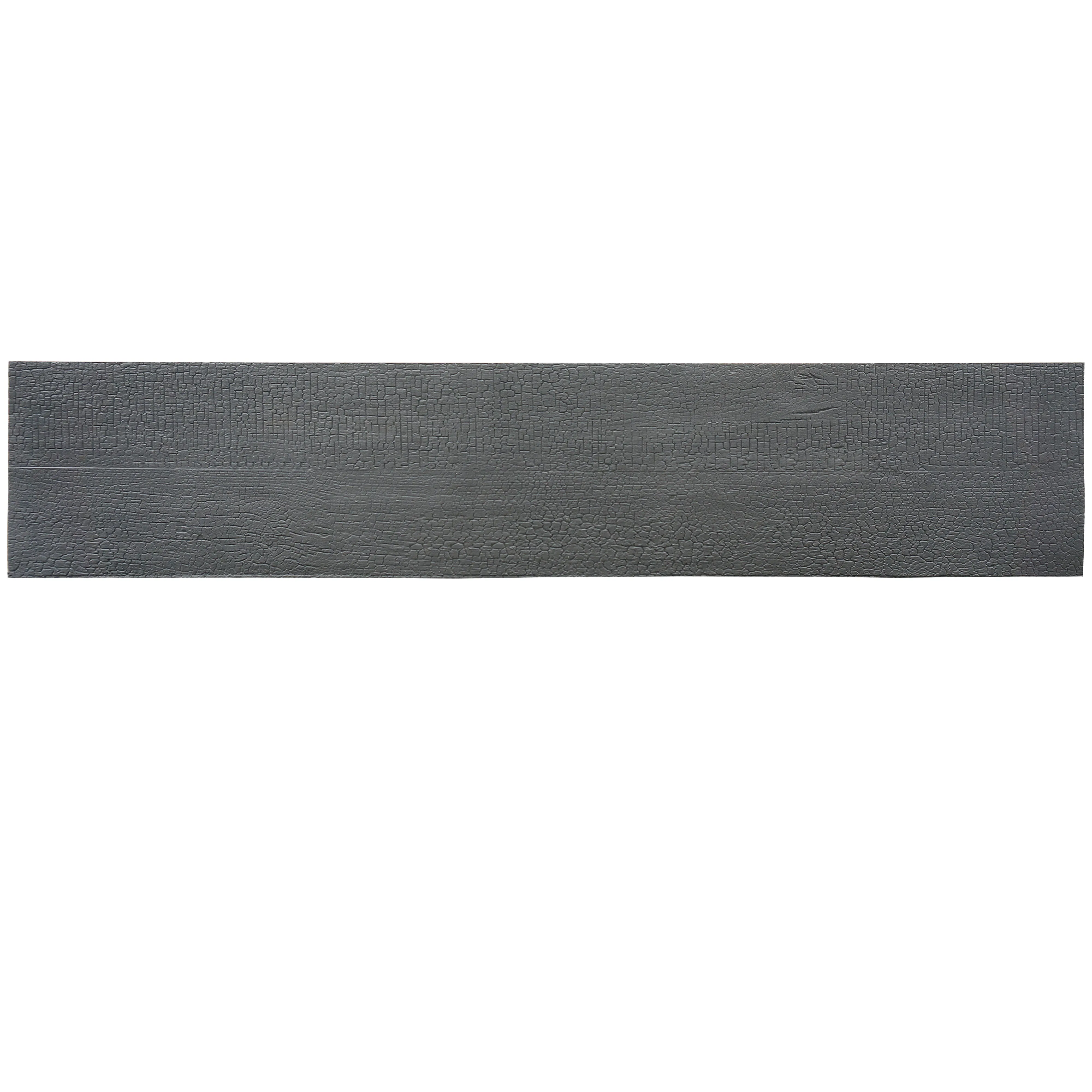
In the world of architecture, materials are more than just building blocks—they're storytellers. They shape how we experience space, evoke emotions, and connect us to the environments we inhabit. For modern architects and designers, the challenge often lies in finding materials that balance tradition and innovation, durability and beauty, and above all, the flexibility to adapt to unique visions. Enter the charcoal burnt wood board: a material rooted in ancient craftsmanship, yet reimagined through custom patterns that unlock new levels of architectural expression. Far more than a surface treatment, it's a canvas where creativity meets functionality, offering a versatility that few materials can match.
To understand the allure of charcoal burnt wood boards, we must first revisit their origins. Inspired by the Japanese technique of shou sugi ban —a centuries-old method of preserving wood by charring its surface—these boards carry the wisdom of traditional craftsmanship. The process involves carefully burning the wood (typically cedar, cypress, or pine) to create a layer of carbon that resists rot, pests, and fire. But what transforms this technique from a preservation method to an artistic medium is the ability to infuse custom patterns into the charred surface. Unlike mass-produced materials that offer limited design options, charcoal burnt wood boards become unique when architects and designers collaborate to etch, carve, or texture them with patterns that reflect a project's narrative.
Imagine a coastal café in Lisbon, where the exterior walls are clad in charcoal burnt wood boards. Instead of a uniform finish, the boards feature undulating wave patterns—subtle at first glance, but striking when sunlight hits them, casting shadows that mimic the rhythm of the Atlantic. Or a boutique hotel in Kyoto, where the lobby's ceiling is adorned with geometric lattice patterns, inspired by traditional kare-sansui gardens, burned into the wood to create a play of light and dark. These aren't just decorative flourishes; they're intentional design choices that turn the material into a storyteller, connecting the space to its location, culture, or purpose.
Custom patterns also address a growing demand for personalization in architecture. In an era where cookie-cutter designs feel increasingly out of touch, clients and designers crave materials that can be tailored to a project's unique identity. A tech startup's office might opt for bold, angular patterns to reflect innovation, while a wellness retreat could choose organic, flowing lines to evoke calm. Charcoal burnt wood boards, with their malleable surface (post-charring), accommodate these visions—whether through laser etching for precision, hand-carving for artisanal texture, or 3D printing for intricate geometries that would be impossible with traditional methods.
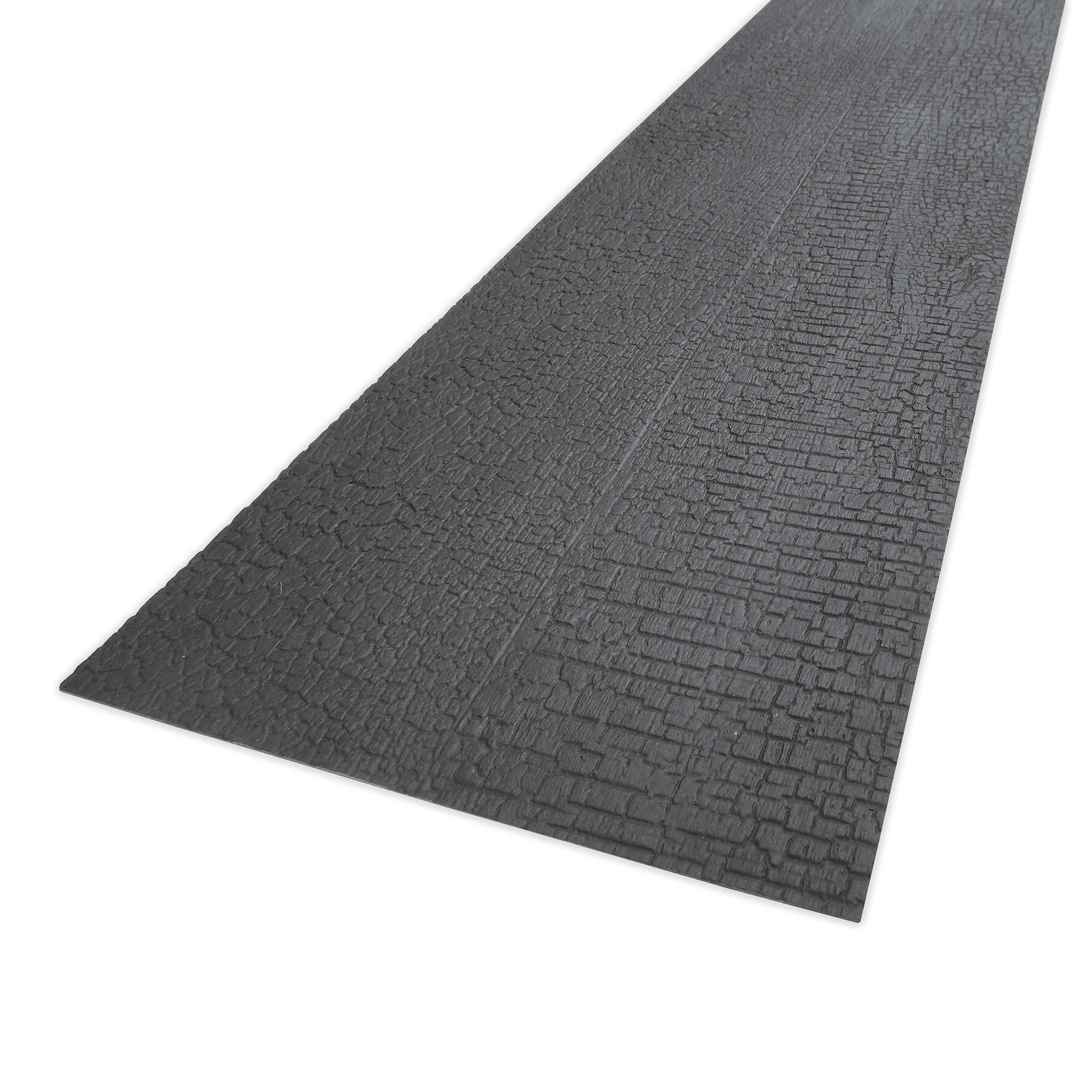
What truly sets charcoal burnt wood boards apart is their architectural flexibility—the ability to thrive in diverse settings, from intimate residential interiors to sprawling commercial exteriors. This adaptability stems from two key traits: the material's inherent durability and the endless permutations of custom patterns, which allow it to complement, contrast, or stand alone in any design scheme.
In homes, charcoal burnt wood boards with custom patterns add layers of warmth and personality that generic materials like paint or standard drywall cannot match. Consider a family home in Portland, Oregon, where the living room features a feature wall clad in boards etched with a custom tree ring pattern. The rings, varying in thickness and spacing, represent the ages of family members, turning the wall into a visual timeline of shared memories. The charred wood's deep, smoky tones balance the room's light-filled windows and neutral furniture, creating a space that feels both cozy and meaningful.
Another example is a minimalist Tokyo apartment, where the kitchen backsplash uses charcoal burnt wood boards with a subtle thread pattern—thin, parallel lines that echo the verticality of the space's high ceilings. The pattern adds texture without overwhelming the room's clean aesthetic, proving that custom designs don't have to be bold to make an impact. Even small applications, like a bedroom headboard with a custom star motif or a bathroom vanity with wave-like grooves, can transform a mundane space into something deeply personal.
In commercial settings, where first impressions matter, charcoal burnt wood boards with custom patterns become tools for branding and identity. A boutique clothing store in Milan, for instance, uses boards with a linear travertine-inspired pattern (claybank tones visible beneath the charred surface) to evoke a sense of understated luxury, aligning with the brand's ethos of "timeless elegance." The pattern, which mimics the subtle striations of natural stone, creates a backdrop that complements the store's minimalist displays without competing with the clothing.
Public spaces, too, benefit from the material's flexibility. A community center in Copenhagen combines charcoal burnt wood boards with fair-faced concrete—a pairing that balances industrial grit with organic warmth. The wood boards, featuring a repeating geometric pattern of semicircles and squares, wrap around the building's facade, inviting passersby to touch the textured surface. Inside, the same pattern is echoed on the ceiling, unifying the space and creating a sense of continuity. Unlike masonry stone, which can feel heavy and imposing, charcoal burnt wood is lightweight, making it ideal for large-scale installations that require both visual impact and structural practicality.
One of the most compelling aspects of charcoal burnt wood boards is their ability to blur the line between indoor and outdoor spaces. Thanks to their weather-resistant properties (a byproduct of the charring process), they perform equally well in exterior cladding, decking, or pergolas as they do in interior walls or furniture. Imagine a backyard in Sydney, where a covered patio features a ceiling of charcoal burnt wood boards with a bamboo mat board-inspired pattern—intricate woven lines that filter sunlight, creating dappled shadows on the floor below. The same pattern is repeated on the adjacent indoor dining area's accent wall, creating a seamless transition between the two spaces.
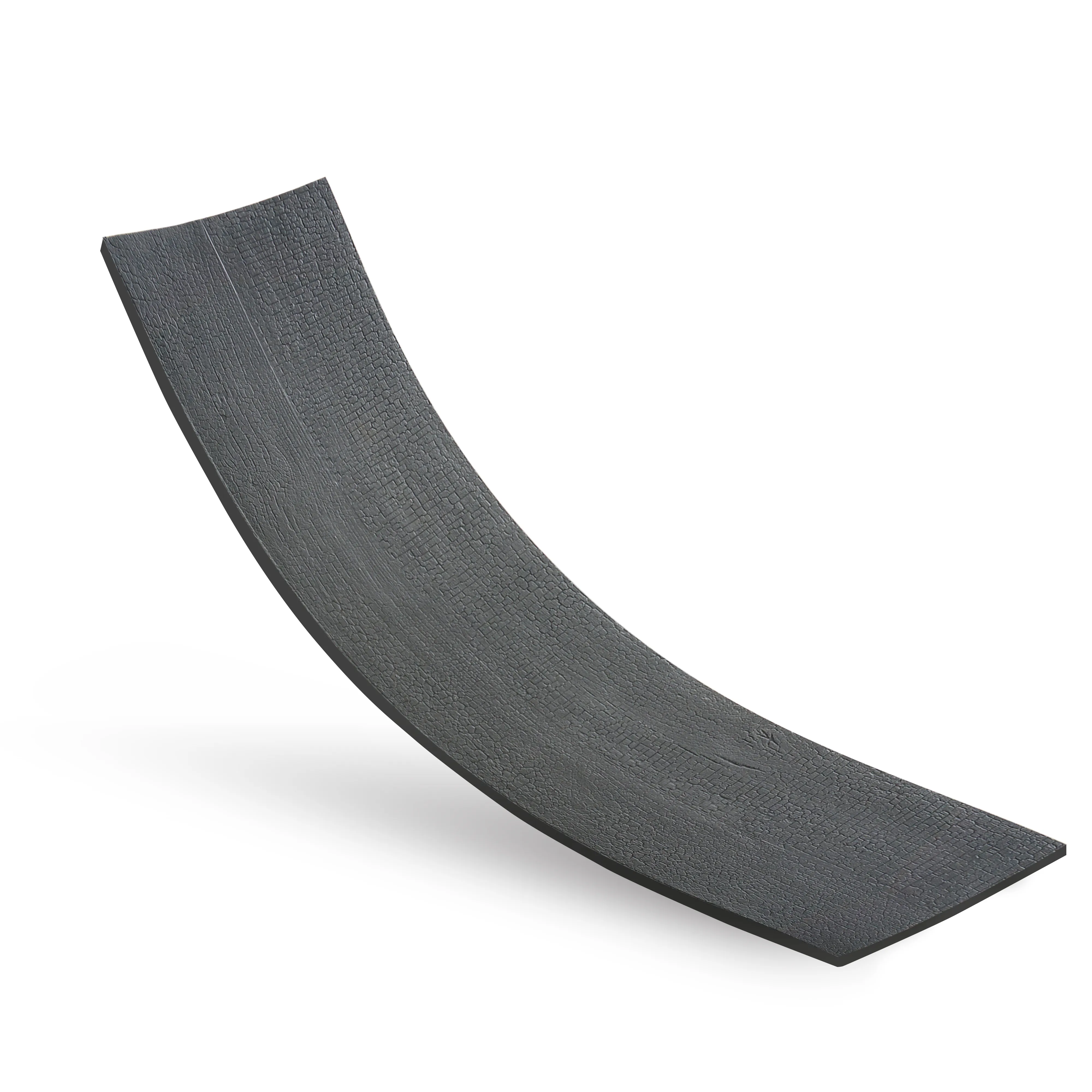
To truly appreciate the architectural flexibility of charcoal burnt wood boards with custom patterns, it helps to compare them to other popular materials in the design world. Below is a table contrasting charcoal burnt wood with wood grain board, bamboo mat board, and masonry stone—three materials often used in similar contexts—highlighting key differences in design flexibility, durability, and application.
| Material | Key Features | Design Flexibility | Ideal Applications | Durability |
|---|---|---|---|---|
| Charcoal Burnt Wood Board | Charred surface, customizable patterns (etching, carving, laser-cutting), lightweight, eco-friendly (when using reclaimed wood) | High: Supports intricate, project-specific patterns (geometric, organic, cultural motifs) | Exterior cladding, interior walls, ceilings, furniture, decking | Excellent: Resistant to rot, pests, and fire; lifespan of 50+ years with minimal maintenance |
| Wood Grain Board | Printed or embossed wood-look finish, uniform patterns, affordable | Low to Moderate: Limited to pre-set wood grain patterns; minimal customization | Budget-friendly interiors (kitchen cabinets, accent walls) | Moderate: Prone to fading, scratching; not suitable for exterior use |
| Bamboo Mat Board | Woven bamboo strips, natural texture, sustainable | Moderate: Fixed woven pattern; limited ability to alter design | Indoor accent walls, furniture, light fixtures | Moderate: Susceptible to moisture damage; best for dry, indoor environments |
| Masonry Stone | Natural stone (e.g., limestone, granite), heavy, timeless aesthetic | Low: Pattern determined by stone's natural veining; no custom design options | Exterior facades, foundations, fireplaces | Excellent: Extremely durable but heavy, requiring robust structural support |
The table underscores a clear advantage: charcoal burnt wood boards offer the best of both worlds—durability that rivals masonry stone, and design flexibility that outpaces wood grain or bamboo mat boards. This balance makes them a go-to choice for architects seeking materials that can adapt to diverse projects without compromising on aesthetics or performance.
Creating custom patterns on charcoal burnt wood boards is a collaborative journey between designers, manufacturers, and sometimes even clients. It begins with a vision: a sketch, a mood board, or a story the designer wants to tell. From there, the process unfolds in several key steps, each critical to ensuring the pattern translates seamlessly from concept to the finished material.
1. Design Development: The first step is refining the pattern. Using digital tools like CAD or 3D modeling software, designers create detailed renderings, considering how the pattern will interact with the wood's natural grain and the charred surface. For example, a pattern with fine lines might require laser etching for precision, while a more organic design could benefit from hand-carving to preserve texture. Designers also test how the pattern will look under different lighting conditions—natural sunlight, warm indoor bulbs, or cool LED strips—to ensure it maintains its intended impact.
2. Material Selection: Not all wood species are created equal when it comes to charring and pattern customization. Softer woods like pine may be easier to carve but less durable, while harder woods like cedar hold detail better and resist warping. Manufacturers work with designers to select the right wood type based on the project's location (indoor vs. outdoor), desired finish, and pattern complexity.
3. Prototyping: Before full-scale production, a prototype is created. This allows designers to see how the pattern looks on the actual charred wood—whether the lines are crisp enough, the depth of carving is right, or the texture reads as intended. Adjustments are made at this stage; for instance, a pattern that looked bold in a digital rendering might appear too subtle on the charred surface, prompting a tweak to the etching depth.
4. Production: Once the prototype is approved, production begins. Depending on the pattern, this could involve laser cutting for intricate geometries, CNC routing for 3D textures, or hand tools for artisanal touches. The charring process itself is carefully controlled to ensure the wood is protected without obscuring the pattern—a delicate balance of heat, time, and cooling.
5. Installation: Finally, the custom boards are installed. Thanks to their lightweight nature (compared to materials like masonry stone), they can be mounted on various substrates, from drywall to metal frames, with minimal structural reinforcement. This ease of installation further enhances their architectural flexibility, allowing for creative applications like curved walls or suspended ceilings.
While the aesthetic appeal of custom-patterned charcoal burnt wood boards is undeniable, their practical benefits are equally compelling—especially in an industry increasingly focused on sustainability. The charring process itself is eco-friendly: it requires no toxic chemicals (unlike many wood preservatives), and the carbon layer extends the wood's lifespan, reducing the need for frequent replacement. Many manufacturers also use reclaimed or FSC-certified wood, ensuring the material supports responsible forestry practices.
Maintenance is another advantage. Unlike painted wood, which chips or fades, or unprotected wood, which rots, charcoal burnt wood boards require little upkeep. A occasional wash with mild soap and water is usually sufficient to keep them looking fresh. They're also resistant to mold and mildew, making them ideal for humid climates or spaces like bathrooms and kitchens.
Cost, too, is manageable when compared to high-end materials like marble or custom metalwork. While custom patterns add a premium over standard charcoal burnt wood boards, the investment pays off in longevity, uniqueness, and reduced maintenance costs over time. For clients and designers prioritizing both sustainability and long-term value, this makes the material an attractive choice.
As architecture continues to evolve, driven by changing lifestyles, technological advancements, and a growing focus on sustainability, flexibility will only become more critical. Materials that can adapt to new design trends, accommodate diverse client needs, and perform across contexts will rise to the forefront. Charcoal burnt wood boards with custom patterns embody this future. They're not tied to a single style—they work in minimalist, maximalist, traditional, or avant-garde designs. They're not limited to a single application—they can clad a skyscraper's facade or line a tiny home's bookshelf. And they're not static—they age gracefully, their patterns softening slightly over time to tell an even richer story.
In a world where architecture is increasingly about creating spaces that feel human—spaces that connect us to our past, reflect our present, and inspire our future—charcoal burnt wood boards with custom patterns are more than a material. They're a tool for flexibility, a medium for creativity, and a reminder that the best buildings are those that don't just stand—they speak.
So the next time you walk into a space and feel an inexplicable connection to its walls, pause. It might just be the work of charcoal burnt wood boards, their custom patterns whispering stories that turn bricks and beams into something far more meaningful: a place that feels like home.
Recommend Products












