
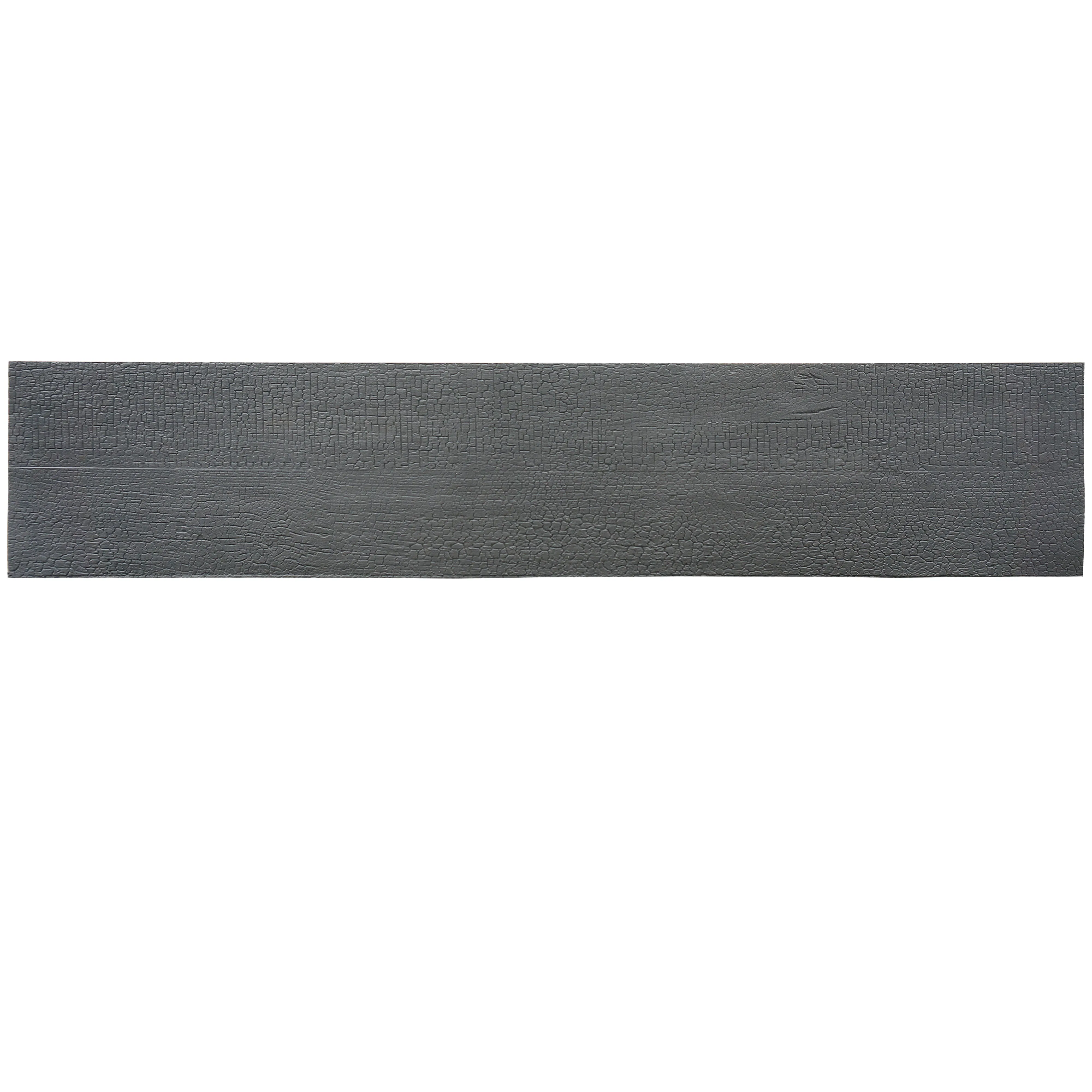
There's something almost poetic about charcoal burnt wood. It's wood that's been kissed by fire—softened, textured, and transformed into a material that carries both the warmth of nature and the edginess of artisanal craft. Whether it's gracing a kitchen backsplash, cladding a feature wall, or topping a dining table, charcoal burnt wood boards have a way of grounding a space while adding depth. But here's the thing: even the most stunning wood slab can feel incomplete without the right edge treatment. The edge isn't just a finishing detail—it's the frame that shapes how we experience the wood's beauty. It can soften, sharpen, or even tell a story. Today, we're diving into the world of charcoal burnt wood board edge treatments: the designs that turn a simple slab into a statement piece, and how they can harmonize with other materials to create spaces that feel intentional and alive.
Think about the last time you ran your hand along a wooden surface. Did the edge feel smooth, like a polished by water, or sharp, with crisp lines that hinted at precision? That tactile experience is part of what makes wood so inviting—and edge treatments are the architects of that feeling. For charcoal burnt wood, which already has such a dynamic surface (think crackled textures, black and brown hues, and whispers of the original grain), the edge becomes a bridge between the wood's wild, burnt character and the rest of the design. A rounded edge might soften the wood's intensity, making it perfect for a cozy bedroom, while a beveled edge could add a modern sharpness that complements a minimalist living room. And when paired with complementary materials—like the earthy grit of rough granite stone or the woven warmth of weaving (khaki) textiles—the right edge treatment can turn a single material into a conversation between textures.
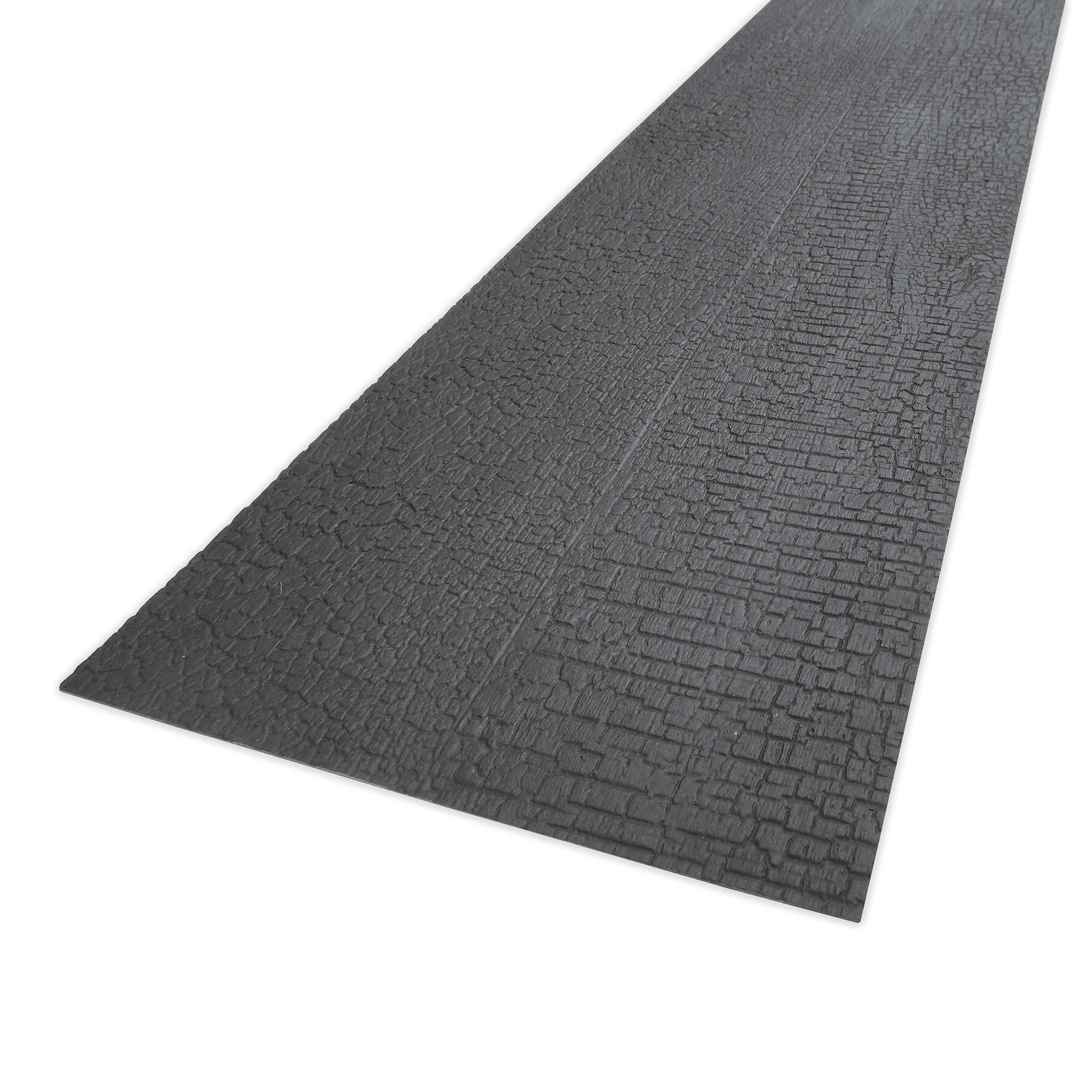
Let's explore the most compelling edge treatments for charcoal burnt wood boards, each with its own personality and purpose. Whether you're drawn to timeless simplicity or bold experimentation, there's an edge here that will speak to your design vision.
The square edge is the quiet workhorse of edge treatments. It's straightforward—90-degree angles, clean lines, no frills—and that's exactly why it endures. For charcoal burnt wood, a square edge lets the wood's texture take center stage. The burnt grain, with its uneven black patches and peeks of natural wood underneath, becomes the star, while the edge provides a crisp boundary that feels grounded and intentional. This treatment works beautifully in spaces where you want the wood to feel sturdy and reliable, like a kitchen island countertop or a bathroom vanity. Imagine a square-edged charcoal burnt wood slab paired with wood concrete board cabinetry: the wood's organic texture softens the concrete's industrial cool, while the square edges keep the look streamlined and modern. It's a balance of raw and refined that feels effortlessly sophisticated.
But don't mistake simplicity for boredom. A square edge can be elevated with subtle details, like a slight sanding to soften the corner (not enough to round it, just enough to take off the sharpness) or a contrasting stain along the edge to highlight the wood's cross-section. In commercial spaces—like a café or boutique—a square-edged charcoal burnt wood wall panel feels approachable yet polished, inviting customers to run their hands along the edge and connect with the material.
If the square edge is a classic novel, the beveled edge is a contemporary short story—concise, unexpected, and full of personality. A beveled edge is cut at a 45-degree angle (or steeper, for drama), creating a sloped surface that catches light and adds dimension. For charcoal burnt wood, this treatment plays up the wood's contrast: the dark, burnt surface meets the lighter, raw wood of the bevel, creating a subtle highlight that draws the eye. It's a treatment that feels both modern and artisanal, making it perfect for spaces that blend tradition and innovation, like a home office or a restaurant dining area.
Picture this: a beveled-edge charcoal burnt wood backsplash in a kitchen with travertine (starry blue) tiles below. The wood's warm blacks and browns contrast with the travertine's cool, speckled blue, while the beveled edges catch the kitchen light, casting soft shadows that mimic the starry pattern in the stone. It's a small detail, but it turns the backsplash from a functional surface into a piece of art. In residential spaces, beveled edges work especially well on floating shelves or wall-mounted desks, where the slope adds a sense of lightness—like the wood is barely touching the wall, held up by the magic of good design.
There's a reason rounded edges are a favorite in spaces designed for comfort: they feel safe, inviting, and inherently cozy. Also known as a "bullnose" edge, this treatment rounds the corner of the wood, creating a smooth, curved surface that's a joy to touch. For charcoal burnt wood, which can have a slightly rugged texture, a rounded edge softens the material's intensity, making it ideal for family homes, nurseries, or any space where warmth is the priority. Imagine a rounded-edge charcoal burnt wood coffee table in a living room: kids can crawl around it without bumps, and adults can rest their arms on the edge without discomfort. It's practical, yes, but it's also emotionally resonant—it says, "This space is for gathering, for relaxation, for being unguarded."
Rounded edges pair beautifully with natural materials that share their softness. Think bamboo mat board wall panels in a bedroom, where the rounded edges of a charcoal burnt wood headboard echo the bamboo's organic weave. The combination feels like a retreat into nature, where every texture is gentle and nurturing. Even in more modern spaces, a rounded edge can add balance: pair a rounded-edge charcoal burnt wood countertop with sleek, flat-front cabinets, and suddenly the room feels less stark, more human.
For those who love the "wabi-sabi" philosophy—finding beauty in imperfection—the live edge is a love letter to nature. A live edge preserves the wood's natural, irregular outline, as it grew in the tree. No straight lines, no symmetry—just the organic curves, bumps, and knots that make each slab one-of-a-kind. When paired with charcoal burnt wood, the live edge becomes a powerful statement: the controlled burn of the wood's surface contrasts with the wild, untamed edge, creating a piece that feels both intentional and free. It's the kind of treatment that turns a wood board into a conversation starter, whether it's a dining table that looks like it was plucked from a forest or a wall panel that seems to "flow" into the ceiling.
Live edges thrive in spaces that celebrate authenticity. A live-edge charcoal burnt wood desk in a home studio feels like a connection to the outdoors, even when you're indoors. Pair it with weaving (khaki) cushions on a nearby chair, and the space becomes a sanctuary where creativity can breathe. In commercial settings, like a boutique hotel lobby, a live-edge charcoal burnt wood reception desk makes guests feel like they've stepped into a space with soul—not just a generic lobby, but a place that values craftsmanship and uniqueness. The key with live edges is to let them shine: keep surrounding materials simple, so the wood's natural shape remains the focal point.
The chamfered edge is a happy medium between square and beveled. Instead of a full 45-degree slope, a chamfer cuts off just the top corner of the edge, creating a small, flat plane that adds geometric interest without overwhelming the design. It's a subtle detail, but it's surprisingly effective at adding depth to charcoal burnt wood. The chamfer catches light differently than a square edge, creating a tiny shadow line that makes the wood feel more dimensional. For example, a chamfered-edge charcoal burnt wood bookshelf in a home library: each shelf's edge has a small, crisp flat surface that contrasts with the wood's rough, burnt texture, turning a simple storage piece into something that feels carefully designed.
Chamfered edges work well with both modern and traditional styles. In a traditional dining room, a chamfered-edge charcoal burnt wood sideboard adds a touch of contemporary flair without clashing with classic furniture. In a modern bathroom, a chamfered-edge vanity top pairs beautifully with sleek, matte black fixtures, the geometric edge echoing the clean lines of the space. And when combined with materials like rough granite stone flooring, the chamfered edge creates a dialogue between hard and soft—granite's sharp, crystalline texture and wood's warm, organic grain, united by the edge's structured detail.
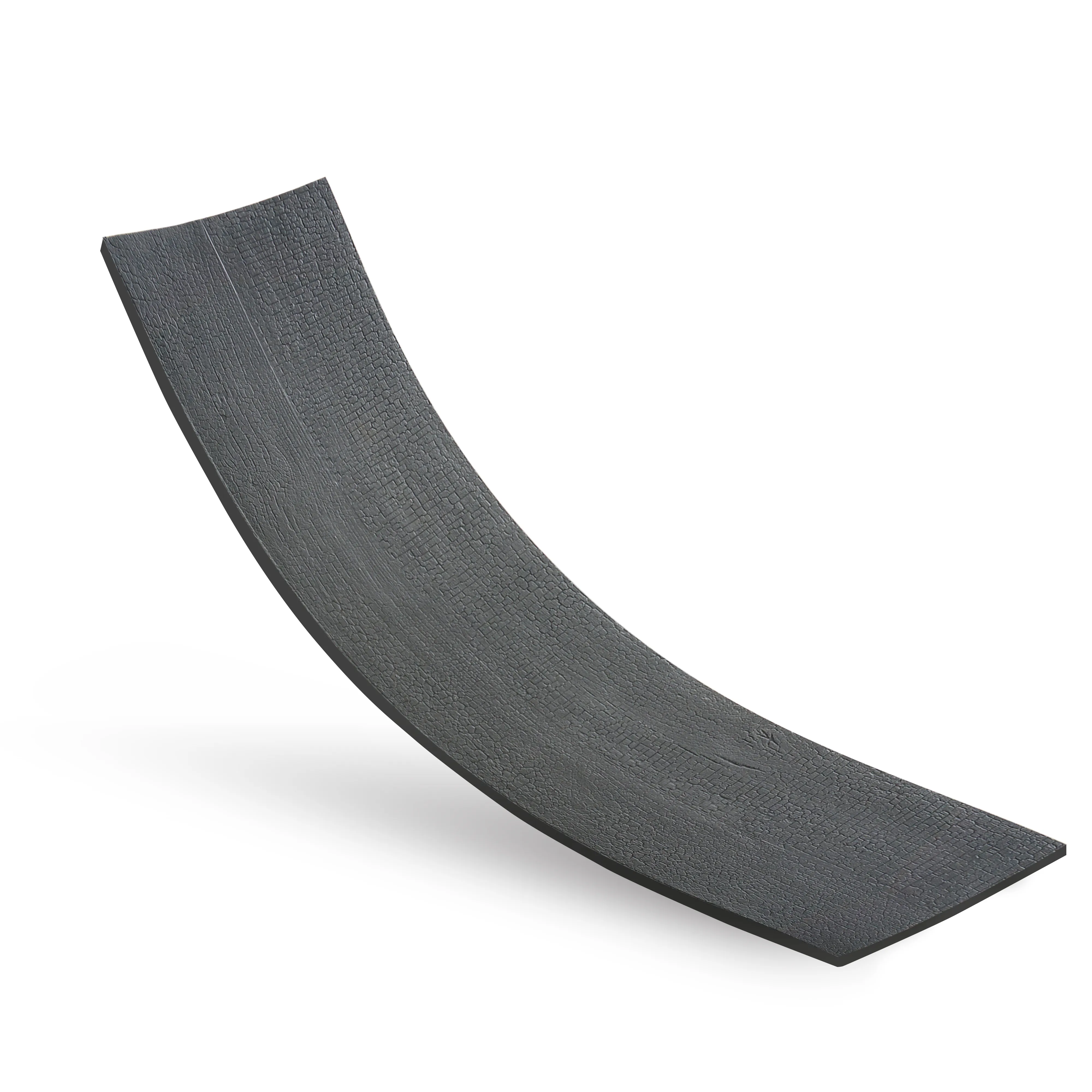
To help you decide, here's a breakdown of how these edge treatments stack up in terms of style, functionality, and best-use scenarios:
| Edge Treatment | Style | Best For | Complementary Materials |
|---|---|---|---|
| Square Edge | Clean, timeless, no-nonsense | Kitchen countertops, bathroom vanities, commercial walls | Wood concrete board , polished concrete |
| Beveled Edge | Modern, sleek, light-catching | Backsplashes, floating shelves, restaurant tabletops | Travertine (starry blue) , foamed aluminium alloy board |
| Rounded Edge | Soft, cozy, family-friendly | Headboards, coffee tables, kids' room furniture | Bamboo mat board , linen textiles |
| Live Edge | Organic, artistic, one-of-a-kind | Dining tables, statement walls, reception desks | Weaving (khaki) , natural stone |
| Chamfered Edge | Geometric, subtle, dimensional | Bookshelves, sideboards, bathroom vanities | Rough granite stone , matte metal fixtures |
Edge treatments are powerful on their own, but their magic multiplies when paired with complementary materials. Charcoal burnt wood, with its dark, textured surface, is surprisingly versatile—it can play well with everything from cool stones to warm textiles. Here are a few pairings that feel especially harmonious:
Charcoal Burnt Wood + Wood Concrete Board : This is a match made in modern design heaven. Wood concrete board has the industrial edge of concrete but with the warmth of wood fibers, making it the perfect partner for charcoal burnt wood. A square-edged charcoal burnt wood countertop atop wood concrete cabinets creates a cohesive look that's both rugged and refined.
Charcoal Burnt Wood + Rough Granite Stone : For a high-contrast look, pair charcoal burnt wood with rough granite. The wood's soft, burnt texture balances the granite's sharp, crystalline surface, while a chamfered or beveled edge on the wood adds a geometric counterpoint to the stone's organic patterns. Think a fireplace surround with a live-edge charcoal burnt wood mantel above rough granite stone tiles—it's rustic meets luxurious.
Charcoal Burnt Wood + Weaving (khaki) : Textiles add softness to wood's hardness, and weaving (khaki) —with its earthy, neutral tone—complements charcoal burnt wood beautifully. A live-edge charcoal burnt wood wall panel behind a sofa draped in khaki woven throws feels like a hug from nature, warm and inviting.
At the end of the day, edge treatments for charcoal burnt wood boards are about more than just aesthetics—they're about storytelling. The square edge says, "I value tradition and reliability." The live edge says, "I celebrate uniqueness and nature." The beveled edge says, "I embrace modernity and innovation." No matter which treatment you choose, it should reflect the story you want your space to tell—whether that's a story of coziness, creativity, or calm.
So the next time you're working with charcoal burnt wood, take a moment to think about the edge. Run your hand along different samples, imagine how the light will hit them at different times of day, and consider how they'll interact with the other materials in your space. The right edge treatment won't just finish the wood—it will bring it to life, turning a simple slab into a piece that feels like it was made just for you.
Recommend Products












