
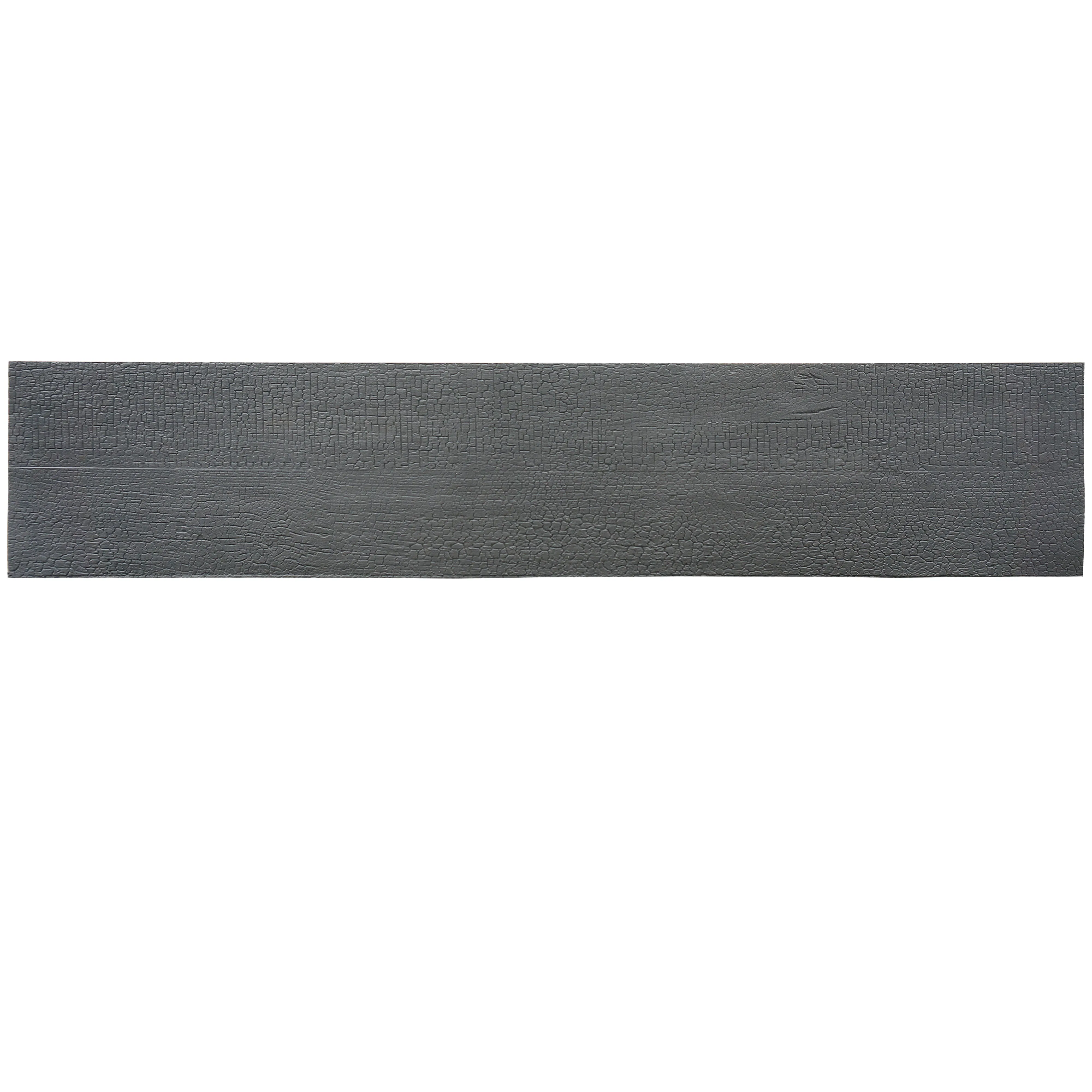
Walk into any modern home, boutique hotel, or trendy café, and you'll likely spot a material that seems to tell a story—charcoal burnt wood board. With its deep, smoky hues and textured surface, it's easy to see why designers and homeowners alike fall for its rustic, almost primal charm. But beyond its good looks lies a critical question that builders, architects, and safety-conscious homeowners can't ignore: How does this material perform when fire strikes? In a world where building safety is non-negotiable, understanding the fire ratings, pH levels, and flame retardancy of charcoal burnt wood board isn't just technical detail—it's the difference between a space that's both beautiful and secure, and one that's a hidden risk.
First, let's talk about why charcoal burnt wood board has become a darling of the design world. Often inspired by traditional techniques like Japan's Shou Sugi Ban —where wood is charred to enhance durability—this material transforms ordinary lumber into something extraordinary. The charring process creates a dark, almost blackened surface that highlights the wood's natural grain, giving walls, ceilings, and accent pieces a warm, weathered character that feels both timeless and contemporary. It's no wonder architects reach for it when aiming to balance industrial edge with organic warmth.
But here's the thing: beauty alone doesn't make a building material smart. When we're talking about materials that line our living spaces, safety factors like fire resistance, structural stability, and chemical compatibility (hello, pH levels!) move from "nice-to-know" to "must-know." Let's dive into the details that matter most.
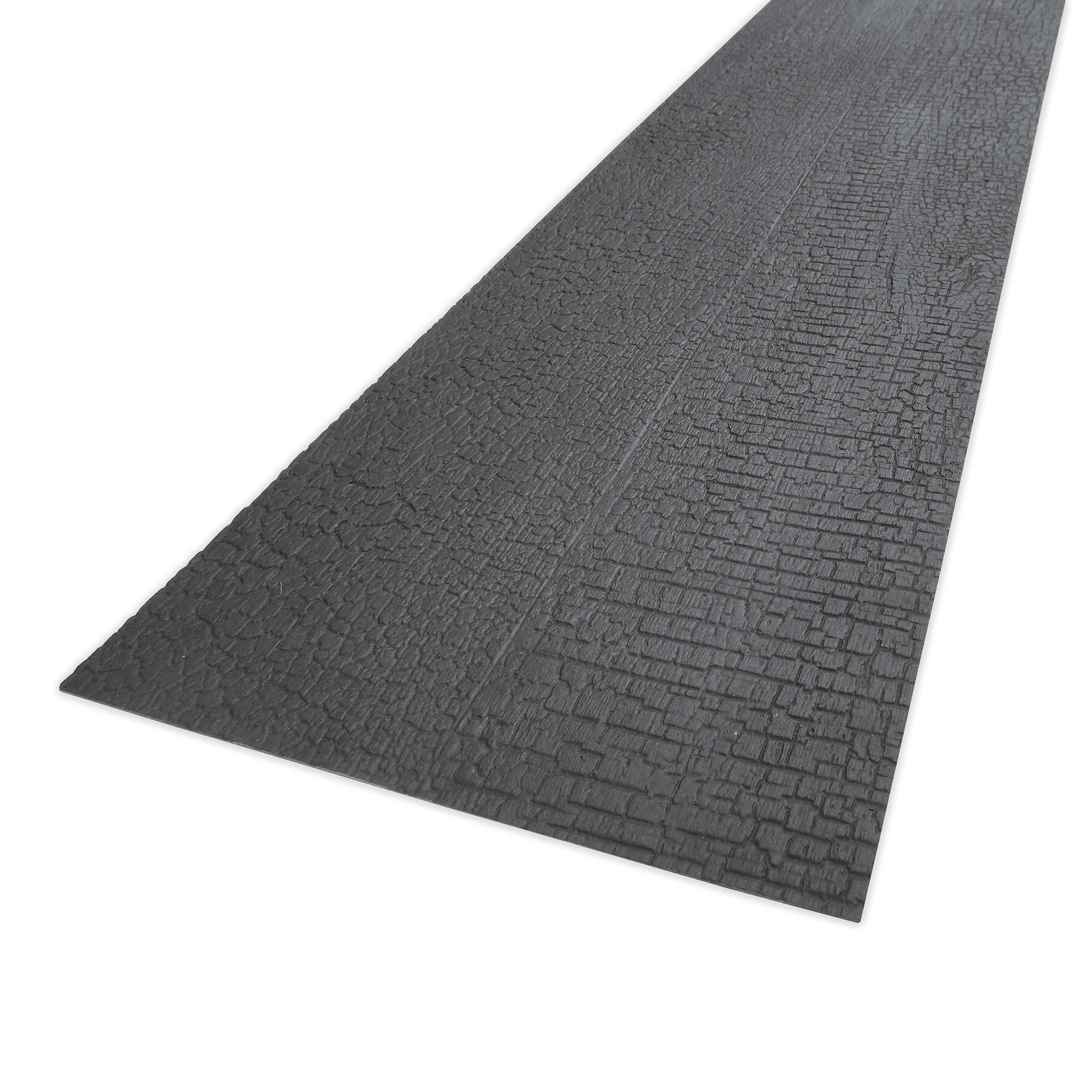
Fire ratings are like a material's report card for safety—and they're not just about looking good. When industry experts talk about fire ratings, they're referring to standardized tests that measure two key things: flame spread (how quickly fire moves across the material) and smoke development (how much smoke is produced, which is often more deadly than the flames themselves). The most common standard in North America is ASTM E84, also known as the "Tunnel Test," which assigns classes based on performance: Class A (best), Class B, and Class C (worst).
So, where does charcoal burnt wood board stand? Surprisingly well, thanks to that charred outer layer. When wood is intentionally burnt, the surface turns to carbon, which acts as a natural insulator. This carbon layer slows down heat transfer, preventing the underlying wood from catching fire as quickly. In fact, many high-quality charcoal burnt wood boards earn a Class A fire rating under ASTM E84—meaning they have a flame spread index (FSI) of 0-25 and a smoke development index (SDI) under 450. For context, untreated wood often scores a Class C rating, with FSIs over 75.
But don't just take our word for it. Let's compare it to other popular materials you might be considering—like fair-faced concrete (that raw, industrial look) or wood grain board (a budget-friendly alternative to real wood). We'll break it down in the table below, so you can see how charcoal burnt wood board stacks up:
| Material | Fire Rating (ASTM E84) | pH Level (Typical Range) | Key Fire-Safety Feature |
|---|---|---|---|
| Charcoal Burnt Wood Board | Class A (FSI 0-25, SDI <450) | Slightly acidic (pH 5.5-6.5) | Charred carbon layer insulates against heat |
| Fair-Faced Concrete | Class A (FSI 0-25, SDI <200) | Alkaline (pH 11-13) | Non-combustible; no flame spread |
| Wood Grain Board (Untreated) | Class C (FSI >75) | Acidic (pH 4.5-5.5) | Requires chemical treatments for fire resistance |
| Polish Concrete | Class A (FSI 0-25, SDI <300) | Alkaline (pH 10-12) | Dense surface resists heat penetration |
As you can see, charcoal burnt wood board holds its own against non-combustible materials like fair-faced concrete—though it's important to note that concrete is technically non-combustible (it won't burn at all), while wood is still combustible but highly resistant when treated. For many designers, the trade-off is worth it: you get the warmth of wood without sacrificing safety.
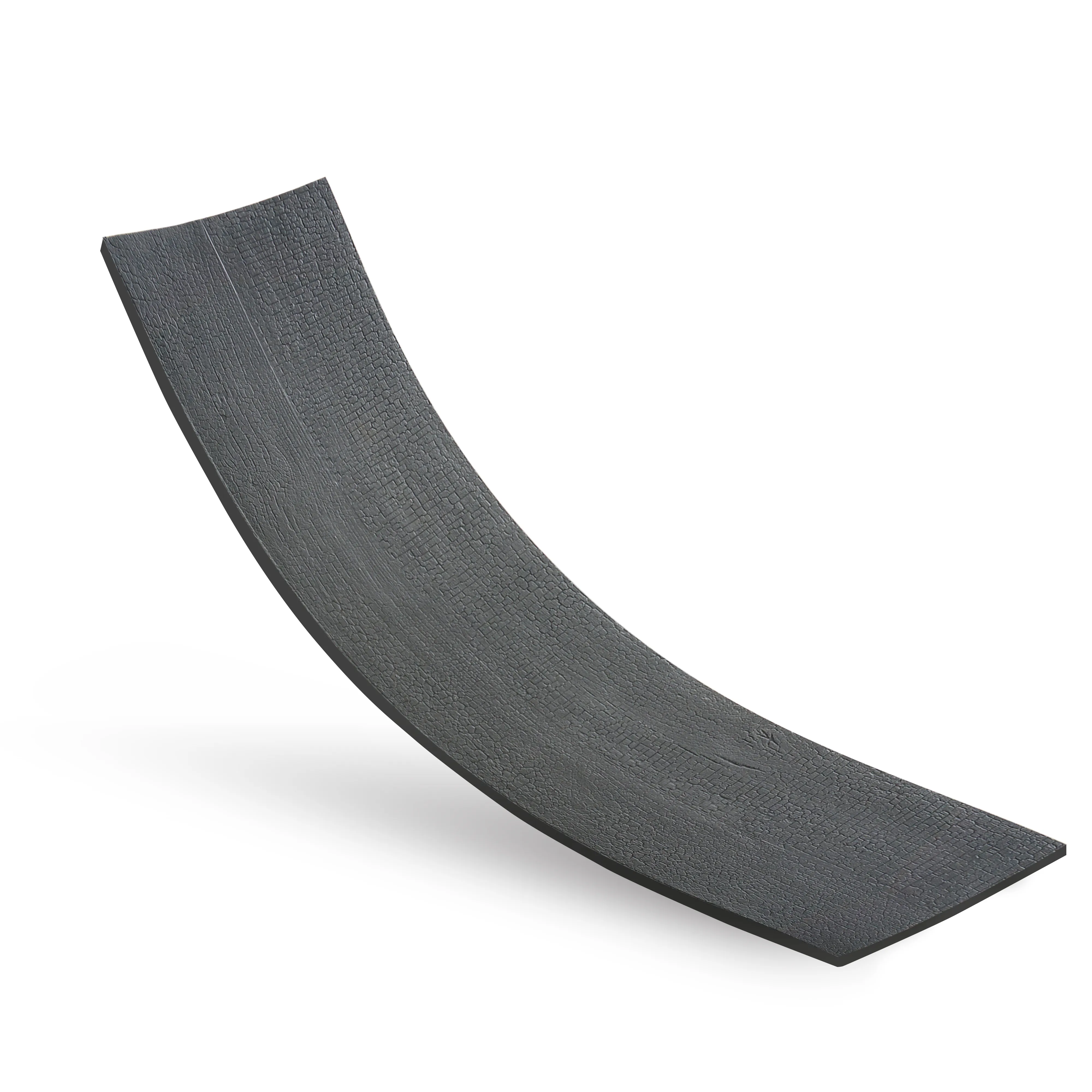
Now, let's talk about pH—a term you might remember from high school chemistry, but one that has big implications for your building materials. pH measures how acidic or alkaline a substance is, on a scale of 0 (most acidic) to 14 (most alkaline). Why does this matter for charcoal burnt wood board? Two words: compatibility and durability .
First, compatibility. If you're installing charcoal burnt wood board alongside metal fasteners (like nails or screws) or other materials, pH can cause corrosion. For example, highly acidic materials (pH <4) can eat away at steel over time, weakening the structure. Charcoal burnt wood board typically has a slightly acidic pH, around 5.5-6.5—close to neutral, which is good news. It's acidic enough to resist mold growth (mold loves alkaline environments) but not so acidic that it will corrode standard steel fasteners.
Compare that to rough granite stone (medium grey) , a popular choice for countertops and accent walls. Granite is often alkaline (pH 7.5-8.5), which can react with acidic cleaners, but it's less likely to corrode metal. Or take fair-faced concrete, which is highly alkaline (pH 11-13). While concrete is durable, its high pH can leach into surrounding materials, causing discoloration or weakening organic materials like wood over time. That's why you rarely see untreated wood in direct contact with concrete—it's a pH compatibility issue.
Second, durability. pH affects how well a material resists decay. The slightly acidic surface of charcoal burnt wood board creates an environment where fungi and bacteria (which cause rot) struggle to thrive. This, combined with the char layer, gives the board a longer lifespan than untreated wood—sometimes up to 50 years with proper maintenance.
Fire ratings tell part of the story, but flame retardancy is about how a material behaves during a fire. Let's say a fire breaks out in a room with charcoal burnt wood board walls. What happens next? The charred layer will start to smolder, but it won't ignite easily. If the fire is small, the board might even self-extinguish once the heat source is removed. That's because the carbon layer doesn't support combustion—it's already been burnt.
Contrast that with wood grain board , which is often made from composite materials (like particleboard or MDF) with a printed wood pattern. Without added flame retardants, these boards can melt or ignite quickly, releasing toxic fumes from the adhesives used in their construction. Even with chemical treatments, they rarely match the natural flame retardancy of charcoal burnt wood board.
Another material worth mentioning is foamed aluminium alloy board (vintage silver) , a lightweight, modern option. While aluminium is non-combustible, foamed alloys can melt at high temperatures (around 660°C for pure aluminium), which means they might lose structural integrity in a prolonged fire. Charcoal burnt wood board, on the other hand, maintains its shape longer, even as the surface chars.
We've talked a lot about fire ratings and pH, but let's not forget the reason this material caught your eye in the first place: aesthetics . Architects and designers love charcoal burnt wood board because it lets them have it all—safety and style. Imagine a restaurant with a feature wall of charcoal burnt wood, its deep blacks and rich grains complementing warm lighting. Now imagine knowing that same wall is helping keep patrons safe in a fire. That's the power of a material that doesn't compromise.
It's also versatile. Use it indoors for accent walls, ceilings, or even furniture. Outdoors, it holds up to rain, snow, and UV rays better than untreated wood, making it perfect for patios or exterior cladding. And because each board is unique—no two pieces char the same way—it adds a level of craftsmanship that synthetic materials just can't replicate.
At the end of the day, choosing building materials is about balance. You want something that looks good, lasts long, and keeps people safe. Charcoal burnt wood board checks all three boxes. Its Class A fire rating, balanced pH, and natural flame retardancy make it a smart choice for anyone who refuses to choose between aesthetics and safety.
So the next time you're admiring that stunning charcoal burnt wood wall, remember: there's more to it than meets the eye. It's a material that's been tested, refined, and designed to protect as much as it pleases. And in a world where building safety is more important than ever, that's a story worth telling.
Recommend Products












