
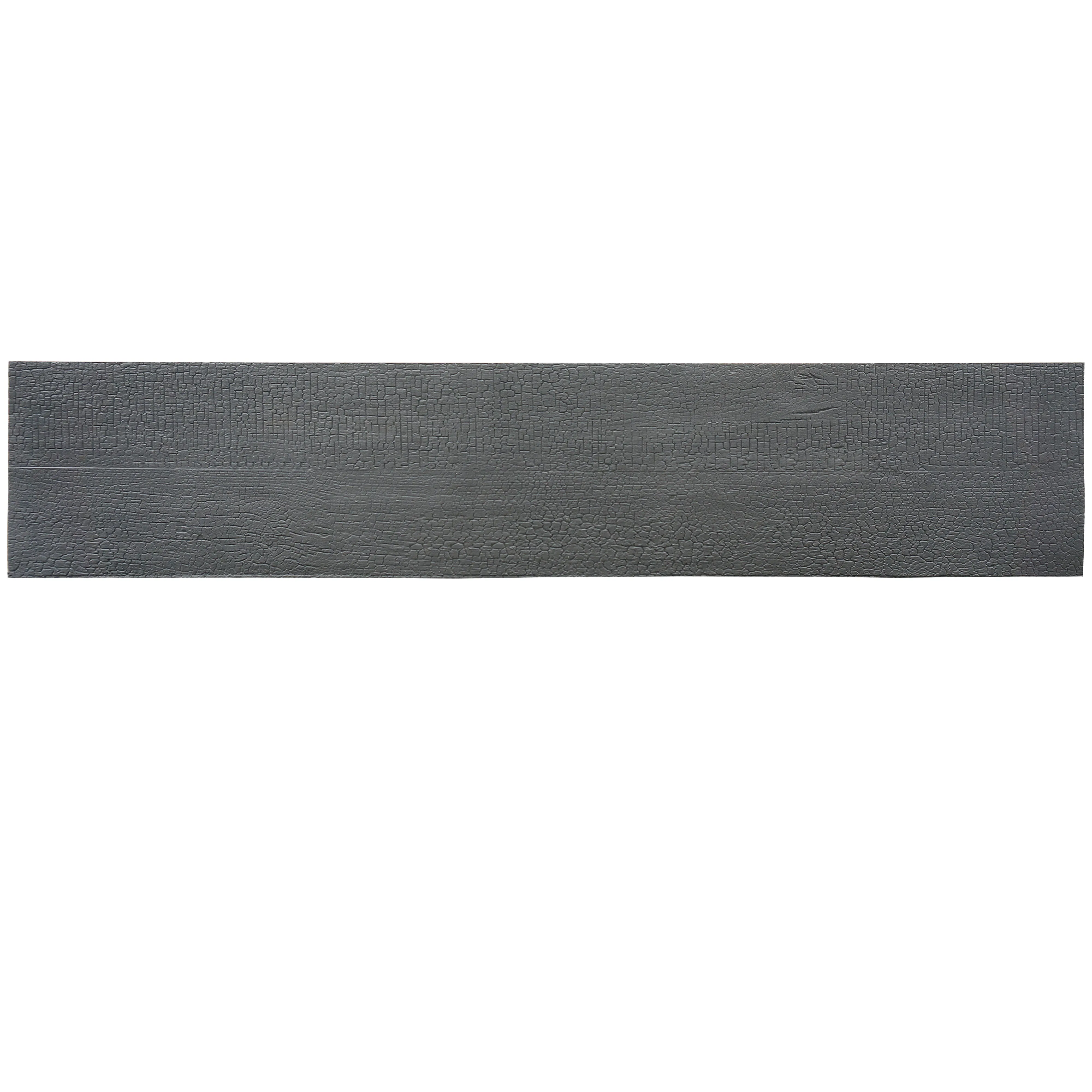
Step into a modern home, a boutique hotel, or a trendy co-working space, and you might find your eyes drawn to a material that feels both timeless and cutting-edge: Charcoal Burnt Wood Board. With its deep, smoky hues and textured surface—reminiscent of aged timber kissed by flame—it's no wonder designers and homeowners alike are embracing it for walls, ceilings, and even furniture. But as with any building material, especially one derived from wood, there's a critical question that demands attention: How does it hold up when fire is in the picture? In this guide, we'll dive into the fire resistance of Charcoal Burnt Wood Board, break down the safety ratings that matter, and compare it to other popular materials like Fair-faced Concrete and Wood Grain Board. Because when it comes to building, beauty should never come at the cost of safety.
First, let's get clear on what we're talking about. Charcoal Burnt Wood Board—sometimes called "shou sugi ban" after the traditional Japanese technique that inspired it—involves torching the surface of wood planks to create a layer of char. This process isn't just for aesthetics (though the resulting look is undeniably striking). Historically, it was used to protect wood from rot, pests, and yes, fire. Today's versions often combine this ancient method with modern engineering, resulting in boards that are durable, weather-resistant, and increasingly popular in sustainable building projects. But how exactly does that charred layer translate to fire safety?
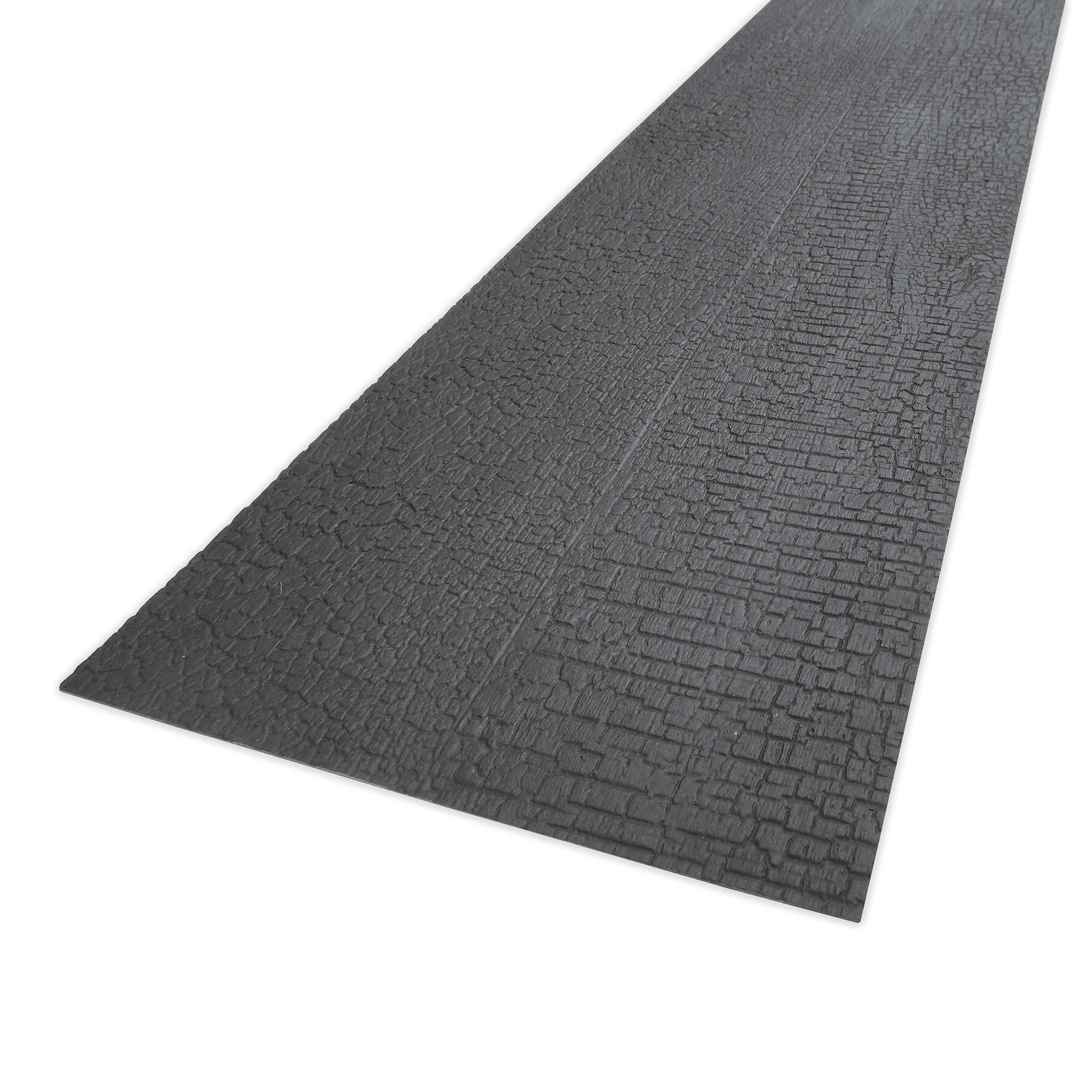
To understand Charcoal Burnt Wood Board's fire resistance, let's start with the basics of how wood burns. Unmodified wood is combustible: when heated, it releases flammable gases that ignite, and the wood itself catches fire, spreading flames quickly. But Charcoal Burnt Wood Board is different. The controlled torching process creates a thin, outer layer of char—carbon-rich, porous, and insulating. When exposed to high heat or flame, this charred layer acts as a barrier. It slows the transfer of heat to the unburnt wood beneath, reducing the rate at which the material ignites and burns. Think of it like a fireproof blanket wrapped around the wood: the char doesn't burn easily, and it buys time for the core wood to resist combustion.
But it's not just the char layer. The torching process also drives off moisture and volatile compounds from the wood's surface, leaving behind a denser, more heat-resistant material. Some manufacturers even add natural fire-retardant treatments (like boron compounds) to enhance this effect, though the charring alone provides a significant boost. The result? A wood product that doesn't just burn slower—it actively resists ignition in the first place.
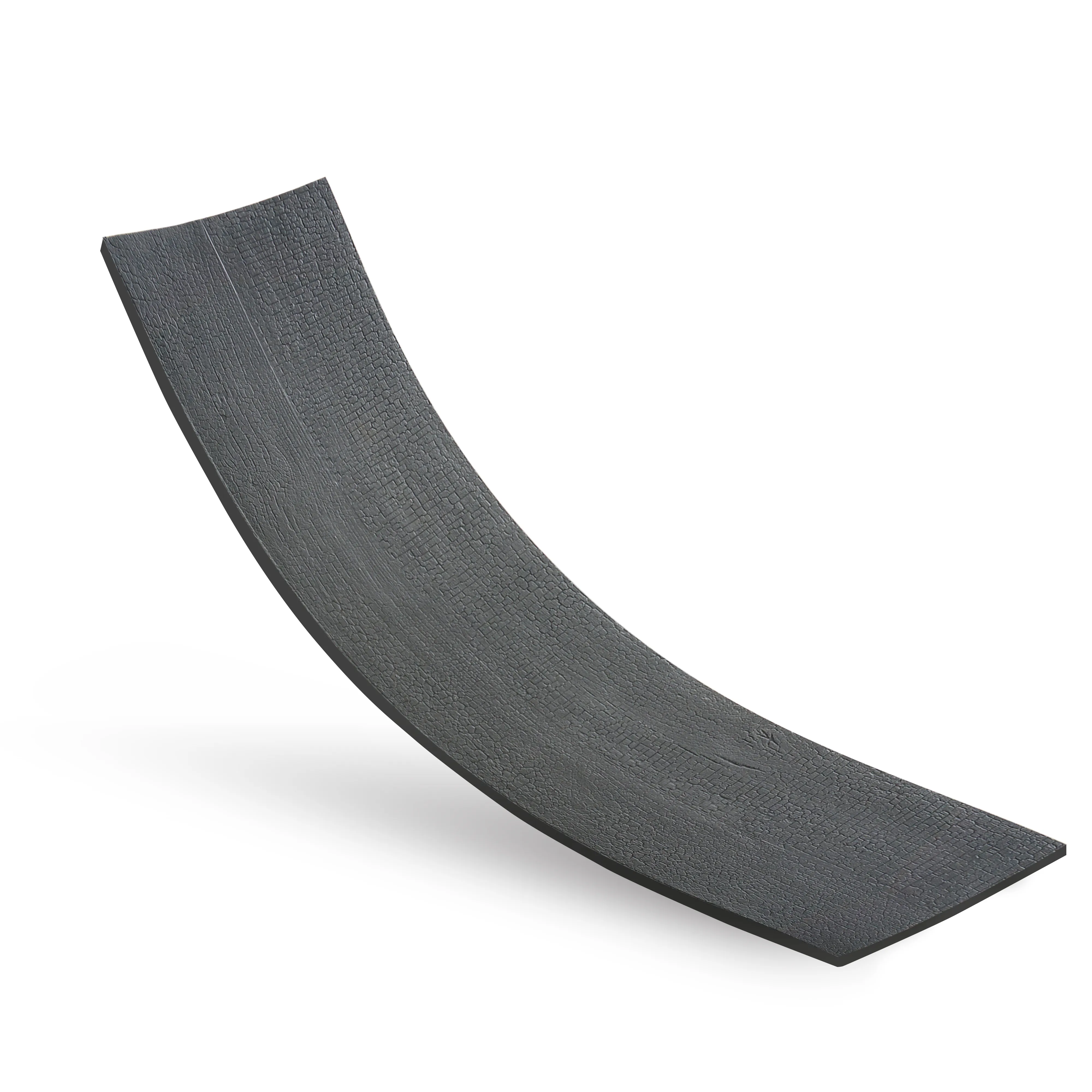
Before we dive into Charcoal Burnt Wood Board's specific ratings, let's make sure we're all speaking the same language. Fire safety ratings aren't just arbitrary labels—they're the result of rigorous testing designed to measure how a material behaves in a fire. The two most common standards you'll encounter are:
For most building codes, Class A (ASTM) or A2 (EN) is the gold standard for high-risk areas like commercial buildings, multi-family homes, or structures near wildfire zones. So where does Charcoal Burnt Wood Board fall?
The good news: Charcoal Burnt Wood Board consistently scores well in fire testing. According to third-party labs, most commercially available Charcoal Burnt Wood Boards achieve an ASTM E84 Class A rating. That means a flame spread index of 25 or lower—comparable to brick or concrete in terms of flame spread. For example, one leading manufacturer's tests showed a flame spread index of just 15 and a smoke development index of 30 (well below the 450 limit for Class A). In EN 13501-1 testing, it often meets Class A2-s1, d0, meaning limited combustibility, low smoke production (s1), and no flaming droplets (d0)—a top-tier rating for a wood product.
But ratings tell only part of the story. Real-world performance matters too. In controlled burn tests, Charcoal Burnt Wood Board has been shown to maintain structural integrity longer than untreated wood. When exposed to a 1,000°F flame for 30 minutes, the char layer thickens slightly, but the core wood remains stable, with no significant flame spread. This is crucial: in a house fire, every minute counts, and materials that slow flame spread can mean the difference between a small incident and a total loss.
To put Charcoal Burnt Wood Board's fire resistance in context, let's compare it to two other popular building materials: Fair-faced Concrete (a raw, uncoated concrete with a minimalist look) and Wood Grain Board (a composite wood product designed to mimic natural wood grain). Here's how they stack up:
| Material | ASTM E84 Fire Rating | Key Fire Performance | Best For | Trade-offs |
|---|---|---|---|---|
| Charcoal Burnt Wood Board | Class A (FSI ≤25) | Slow flame spread, low smoke, char layer insulates core wood | Exterior siding, accent walls, ceilings, furniture | More expensive than untreated wood; requires professional installation |
| Fair-faced Concrete | Class A (FSI 0–25) | Non-combustible, no smoke, heat resistance | Structural walls, floors, industrial interiors | Heavy; limited design flexibility; cold, industrial aesthetic |
| Wood Grain Board | Class C (FSI 76–200) (untreated) | High flame spread; may ignite quickly without fire-retardant treatments | Budget-friendly interiors, cabinetry, low-risk areas | Poor fire resistance unless treated; less durable than charred wood |
The takeaway? Charcoal Burnt Wood Board bridges the gap between aesthetics and safety. It offers the warmth of wood with fire resistance that rivals concrete, making it a versatile choice for both residential and commercial projects. Wood Grain Board, while affordable, can't compete in fire safety without added treatments, and Fair-faced Concrete, though fireproof, lacks the organic, inviting feel of wood.
So, when should you choose Charcoal Burnt Wood Board? Its Class A rating makes it suitable for a wide range of applications, but here are a few where fire resistance is especially critical:
Let's be clear: fire resistance is a big selling point, but Charcoal Burnt Wood Board has more to offer. For starters, it's durable. The char layer protects against rot, mold, and insects, so it lasts longer than untreated wood—up to 50 years with minimal maintenance. It's also sustainable: the torching process uses no toxic chemicals, and many manufacturers source wood from FSC-certified forests. And let's not forget the look: from deep ebony blacks to rich, smoky grays, it adds texture and drama to any space, whether you're going for a rustic cabin vibe or a sleek, modern aesthetic.
Before we wrap up, let's address a common misconception: Charcoal Burnt Wood Board is fire-resistant, not fireproof. No material is entirely fireproof, and under extreme conditions (like prolonged exposure to intense flames), even Class A materials will burn. The key is that Charcoal Burnt Wood Board resists ignition, slows flame spread, and produces less smoke—all of which improve safety. Another myth? "All charred wood is the same." Not true: the quality of the wood, the torching technique, and any added treatments can affect fire performance. Always look for third-party certifications (like ASTM E84 Class A) when buying.
At the end of the day, building materials are about balance—function, form, and safety. Charcoal Burnt Wood Board nails that balance. Its Class A fire rating, combined with durability, sustainability, and stunning aesthetics, makes it a standout choice for modern builders and designers. Whether you're renovating a home or planning a commercial project, it's worth considering alongside staples like Fair-faced Concrete and Wood Grain Board. Just remember: always check local fire codes, work with reputable manufacturers, and never skimp on professional installation. After all, the best buildings are the ones that protect us and make us proud to call them home.
So, the next time you see that striking, charred wood wall in a magazine or a friend's house, you'll know there's more to it than meets the eye. It's not just a design trend—it's a material that honors tradition, embraces innovation, and takes fire safety seriously. And in a world where we demand both beauty and peace of mind, that's a combination worth celebrating.
Recommend Products












