
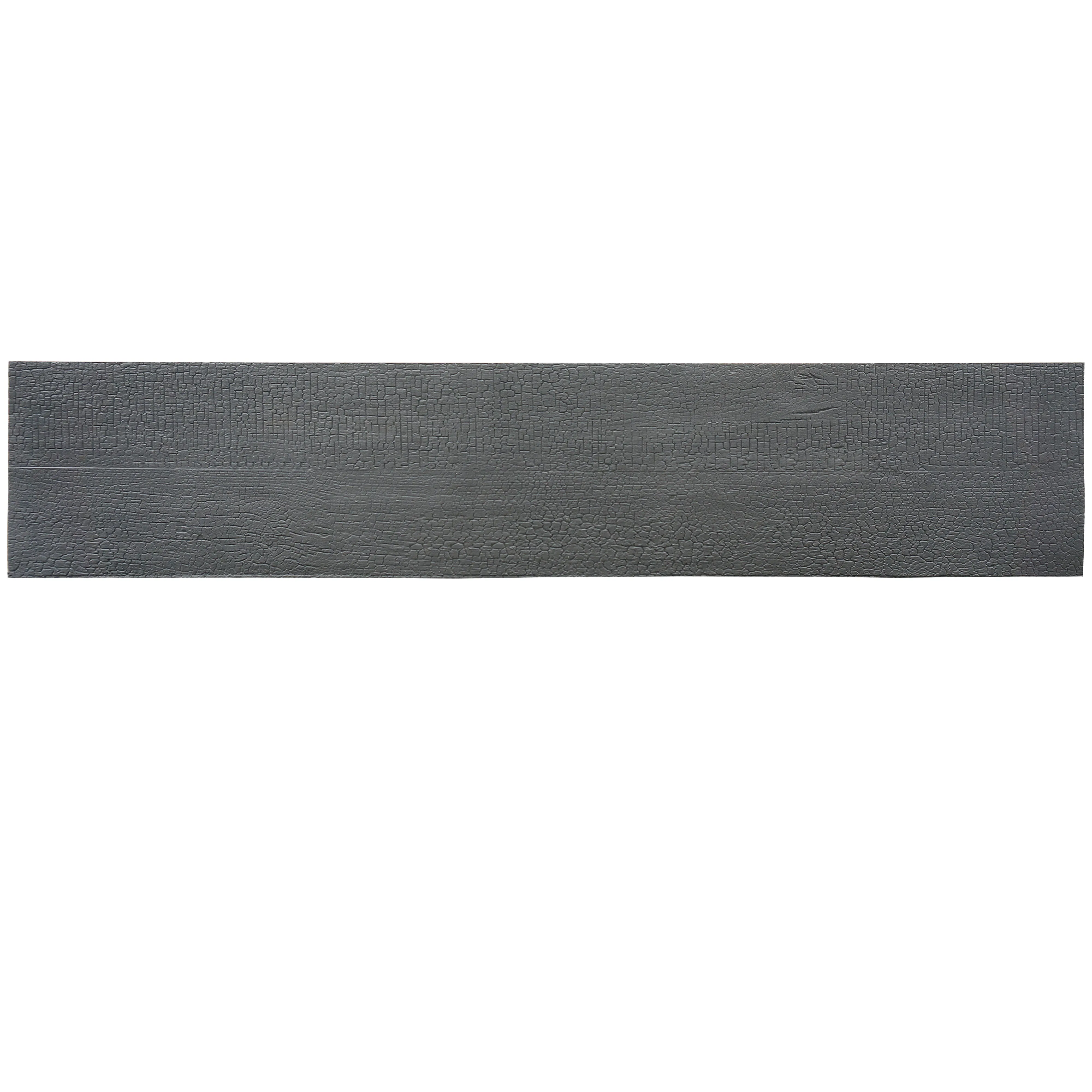
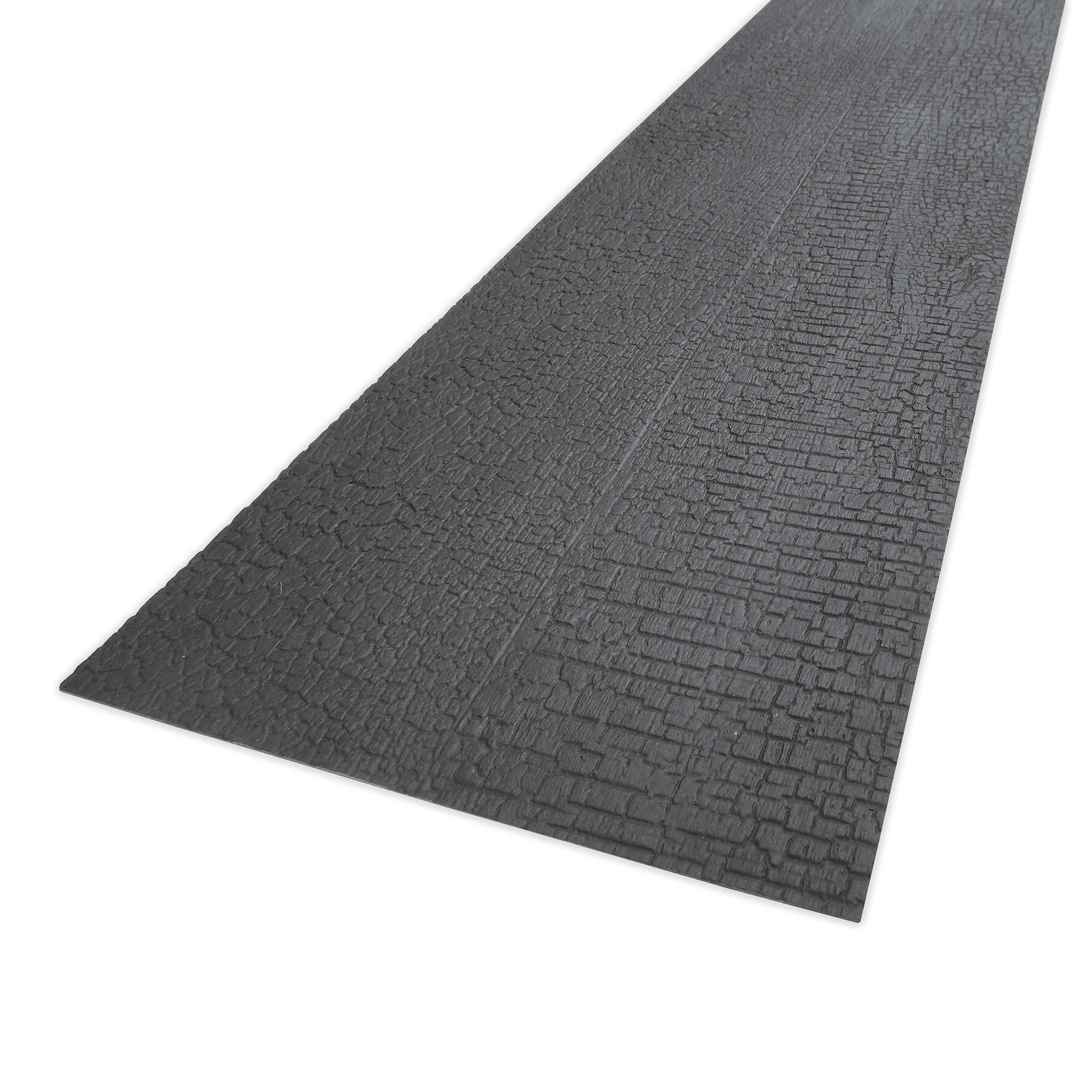
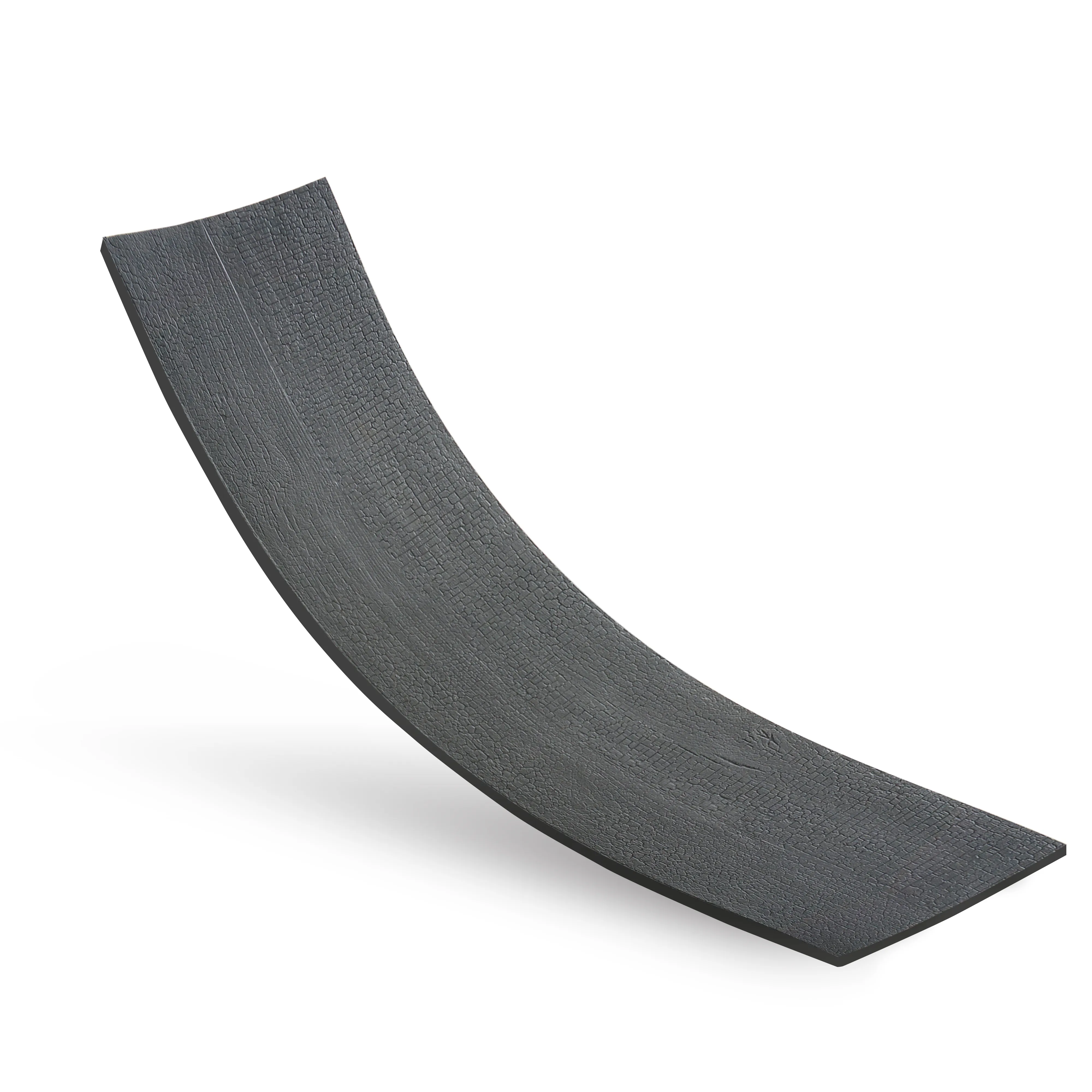
In the world of commercial design, where materials often feel cold and impersonal, there's a quiet revolution happening—one that leans into the raw, tactile beauty of nature. Enter charcoal burnt wood board : a material that marries the timeless allure of wood with the rugged charm of controlled fire. Created using a technique reminiscent of traditional Japanese shou sugi ban, this wood undergoes a careful charring process that darkens its surface to deep, smoky hues, while preserving its structural integrity and enhancing its resistance to rot, pests, and weather. But beyond its practical benefits, it's the emotional resonance that sets it apart. The charred texture tells a story—of transformation, of fire and wood coexisting, of warmth that feels both ancient and modern. Today, we're diving into four real-world case studies where charcoal burnt wood board didn't just fill a design need; it became the soul of the space, paired with materials like historical pathfinders stone , fair-faced concrete , and wood grain board to create environments that linger in memory.
Before we explore the projects, let's unpack why designers and business owners are falling for this material. First, its versatility: it plays well with nearly any aesthetic, from industrial lofts to cozy cafés, from boutique hotels to tech offices. Its deep, varying tones—from ebony black to amber-edged char—add depth without overwhelming a space. Second, sustainability: the charring process reduces the need for chemical treatments, making it an eco-friendly choice for brands prioritizing green design. Third, durability: charred wood is naturally resistant to moisture and decay, making it ideal for high-traffic areas or even exterior use. And finally, emotion: there's something primal about burnt wood. It evokes campfires, hearths, and the comfort of a well-loved home—feelings that translate to longer stays, repeat visits, and positive word-of-mouth for commercial spaces. Now, let's see how this magic unfolds in real projects.
Nestled in Portland's Alphabet Historic District, where brick row houses and cobblestone streets hark back to the 1800s, "Hearth & Grain" aimed to be more than a coffee spot—it wanted to be a community hub that honored the neighborhood's past while feeling fresh and inviting. The client, a local couple with a passion for sustainable design, approached architect Maya Chen with a challenge: blend the area's historic character with a modern, welcoming vibe that would appeal to both long-time residents and young professionals.
The building itself was a 1920s storefront with original brick walls and a creaky wooden floor—features the client refused to replace. The challenge? Adding warmth without overshadowing the historic elements, and creating a focal point that would draw people in from the street. Chen's solution? Pair the existing brick with two key materials: historical pathfinders stone for the exterior base (to echo the district's stone foundations) and charcoal burnt wood board for the upper facade and interior accent walls. "Historical pathfinders stone has this weathered, storybook texture that grounds the building in its context," Chen explains. "But we needed something to add softness and warmth. Charcoal burnt wood board was perfect—it's bold enough to stand out against the brick, but its organic texture feels like a hug, not a shout."
On the exterior, Chen used vertical planks of charcoal burnt wood board to clad the upper half of the storefront, contrasting with the rough-hewn historical pathfinders stone below. The charred planks, stained with a clear sealant to protect against Portland's rain, catch the light differently throughout the day—deep black in the morning, glowing with subtle amber undertones at sunset. Inside, the material took center stage on the back wall behind the coffee bar, where horizontal slats of varying widths create a rhythm that guides the eye upward to exposed wooden beams. "We left the wood's natural grain visible beneath the char," Chen notes. "Run your hand over it, and you can feel the texture—the way the fire kissed the surface, leaving some areas smooth and others slightly raised. It's tactile, which makes the space feel more human."
Six months after opening, "Hearth & Grain" has become a local favorite. "Customers often mention the 'cozy yet cool' vibe," says co-owner Lila Torres. "The burnt wood wall behind the bar is our most Instagrammed spot—people love how it looks with the warm pendant lights at night. And maintenance? We've had zero issues with moisture or wear, even with kids leaning against it or rain hitting the exterior. It was worth every penny." The combination of historical pathfinders stone and charcoal burnt wood board didn't just bridge old and new—it created something entirely its own: a space that feels both rooted in history and alive with modern energy.
In Seattle's South Lake union, a neighborhood dominated by glass-and-steel towers, Nexus Hub—a startup incubator—wanted to stand out by prioritizing employee well-being. Their brief to design firm Studio Onyx: create a space that felt less like a corporate office and more like a "creative living room," where teams could collaborate, relax, and stay inspired. The 10,000-square-foot space needed to balance industrial elements (exposed ducts, high ceilings) with softness to avoid feeling sterile.
The team at Studio Onyx knew they wanted to lean into Seattle's love for natural materials, but with a modern twist. "Tech offices often default to cold concrete and metal," says lead designer Jake Reed. "We wanted to add warmth without going full 'cabin chic.'" Their solution: pair fair-faced concrete (for the floors and some walls) with charcoal burnt wood board for accent walls, meeting tables, and even custom shelving. "Fair-faced concrete has this beautiful, raw texture, but it can feel cold on its own," Reed explains. "Charcoal burnt wood board acts like a counterbalance—its depth and warmth make the concrete feel intentional, not stark."
The lobby sets the tone: a 20-foot-tall accent wall of charcoal burnt wood board, arranged in a herringbone pattern, contrasts with fair-faced concrete floors and a sleek steel reception desk. The burnt wood's dark hue makes the space feel intimate despite its height, while the pattern adds visual interest. In the open workspace, custom meeting tables feature thick slabs of charcoal burnt wood board with live edges, paired with concrete bases—marrying the two materials in a single piece. Even the break room gets in on the action: a communal dining table made from the same burnt wood, surrounded by plush leather chairs. "We chose a lighter char for the interior wood to keep the space bright," Reed notes. "Instead of jet black, it's more of a deep walnut with charcoal undertones—still rich, but not heavy."
Post-occupancy surveys told the story: 92% of employees reported feeling "more relaxed and creative" in the new space, and collaboration between teams increased by 35%. "The burnt wood tables are where the magic happens," says Nexus Hub CEO Marcus Hale. "People linger after meetings, brainstorming over coffee. It's not just a table—it's a conversation starter." And for Reed, the success lies in the balance: "Fair-faced concrete gives the space that industrial edge tech companies love, but the burnt wood adds heart. It's proof that you don't have to choose between modern and warm—you can have both."
In Asheville, North Carolina, a derelict textile mill from 1902 sat vacant for decades—until developer Eliza Wong saw its potential. Her vision: transform it into "The Mill," a 40-room boutique hotel that celebrates the building's industrial past while offering luxury amenities. The key? Honor the mill's original bones—exposed brick, massive wooden beams, and factory-style windows—while adding modern comforts and a distinct design identity.
The mill's layout was irregular, with varying ceiling heights, uneven walls, and leftover machinery nooks. Interior designer Clara Bennett needed a material that could tie these disparate spaces together while nodding to the building's textile heritage. "We wanted something that felt 'crafted,' like the textiles once made here," Bennett says. "Charcoal burnt wood board was an obvious choice—it has that hand-hewn quality—but we needed to complement it with something that echoed the mill's linear, woven history. That's where wood grain board came in." Wood grain board, with its subtle, uniform pattern, would serve as a "neutral" counterpart to the burnt wood's bold texture, creating cohesion without monotony.
In guest rooms, Bennett used charcoal burnt wood board for headboards and accent walls, paired with wood grain board for wainscoting and closet doors. The contrast is striking: the burnt wood adds drama above the bed, while the wood grain board adds a soft, tailored touch below. In the lobby, a massive fireplace surround is clad in charcoal burnt wood board, its rough texture playing off the smooth wood grain board of the reception desk. Even the hotel's restaurant, "Loom," features burnt wood paneling behind the bar, with wood grain board tabletops that mimic the look of woven fabric. "The mill's original beams were too fragile to reuse, so we used the burnt wood to evoke that same sense of history," Bennett explains. "Guests often comment on how the wood feels 'lived-in,' like it's been part of the building for a century."
Since opening, The Mill has been named one of Travel + Leisure's "Best New Hotels" and has a 94% occupancy rate. "Guests don't just stay here—they experience the history," Wong says. "The charcoal burnt wood and wood grain board aren't just materials; they're storytellers. People ask about the burnt wood all the time—they want to know how it was made, what it feels like. It's become part of our brand identity." For Bennett, the project proves that adaptive reuse doesn't have to mean erasing the past. "By pairing old and new materials, we gave the mill a second life—one that respects its history while welcoming the future."
| Project Name | Location & Type | Key Materials Paired | Design Goal | Standout Outcome |
|---|---|---|---|---|
| Hearth & Grain Café | Portland, OR – Historic District Café | Historical Pathfinders Stone, Original Brick | Blend old-world charm with modern warmth | 30% increase in foot traffic; "most Instagrammed" spot in the neighborhood |
| Nexus Hub Office | Seattle, WA – Tech Startup Incubator | Fair-Faced Concrete, Steel | Balance industrial edge with organic comfort | 35% uptick in cross-team collaboration; 92% employee satisfaction rating |
| The Mill Boutique Hotel | Asheville, NC – Adaptive Reuse Hotel | Wood Grain Board, Exposed Brick | Honor industrial heritage with luxury design | Named "Best New Hotel" by Travel + Leisure; 94% occupancy rate |
From a cozy café in Portland to a tech hub in Seattle to a boutique hotel in Asheville, charcoal burnt wood board has proven itself more than just a design choice—it's a tool for creating connection. In each case study, the material didn't just fill a functional role; it became the emotional anchor of the space, inviting touch, sparking conversation, and leaving a lasting impression. Paired with materials like historical pathfinders stone, fair-faced concrete, and wood grain board, it bridges styles, eras, and needs, proving that warmth and durability can coexist.
For commercial spaces aiming to stand out in a crowded market, charcoal burnt wood board offers something rare: authenticity. In a world of sleek, mass-produced materials, its handcrafted, fire-kissed texture feels personal—like a story waiting to be told. As these case studies show, when you choose materials with heart, the spaces you create don't just serve a purpose; they become part of the community's fabric. And in the end, isn't that the goal of great design? To build spaces that don't just look good, but feel alive.
Recommend Products












