
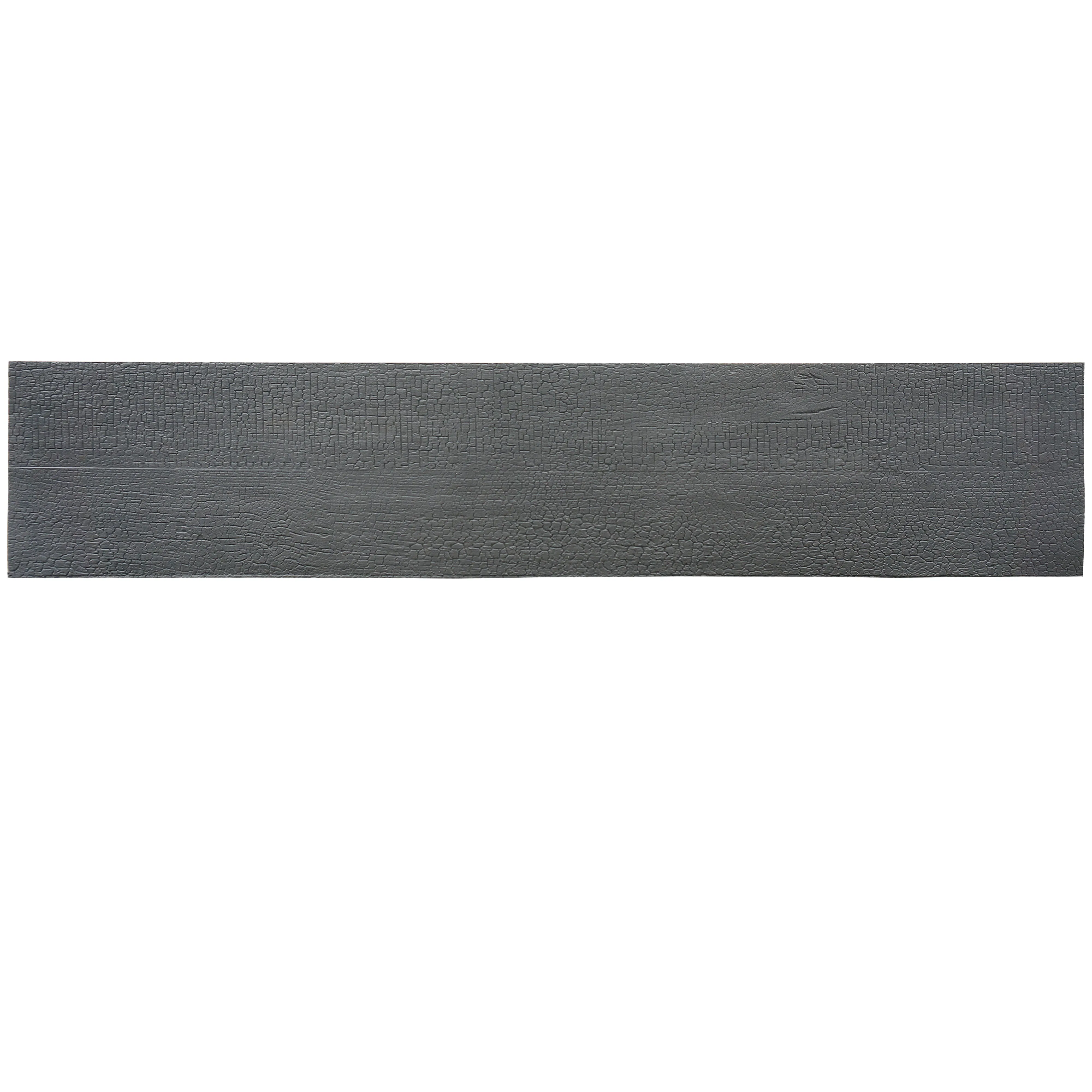
Walk into any school, and you'll quickly realize it's more than just a collection of classrooms. It's a living, breathing space where curiosity is sparked, friendships are forged, and young minds grow. The materials that shape these spaces? They matter—maybe more than we often stop to think. They need to keep up with the chaos of childhood (think: backpacks scraping walls, spills in art class, and the endless energy of kids racing to recess) while also creating an environment that feels warm, inspiring, and uniquely human. That's where Charcoal Burnt Wood Board comes in. A material that blends the timeless charm of wood with a rugged durability built for the demands of educational life, it's quietly redefining what school spaces can look and feel like.
In this article, we'll dive into why Charcoal Burnt Wood Board has become a go-to choice for architects and facility managers designing modern educational buildings. We'll explore its impressive durability—how it stands up to the wear and tear of daily school life—and its design versatility, which turns ordinary walls, floors, and furniture into storytelling elements. Along the way, we'll compare it to other materials like MCM Flexible Stone, Fair-faced Concrete, Wood Grain Board, and Bamboo Mat Board, showing why it often comes out on top when durability and design must coexist. Because in schools, the best materials don't just exist —they support learning, one scratch-resistant, sunlight-warmed surface at a time.
Let's start with the obvious: schools are tough places for materials. If you've ever watched a group of first graders pile into a classroom after lunch, you know what we're talking about. There are sticky fingers, dropped books, and the occasional science experiment gone slightly awry (remember that volcano project that oozed "lava" onto the floor?). Add in high-traffic hallways, lockers slamming, and the need for easy cleaning (because no one has time to fuss over delicate surfaces), and it's clear: durability isn't a nice-to-have here—it's a must.
Charcoal Burnt Wood Board was practically made for this chaos. Its secret lies in its name: "charcoal burnt." The material is created using a traditional Japanese technique called shou sugi ban , where wood is carefully charred, brushed, and sealed. This process isn't just for looks (though it does look stunning); the charring creates a protective layer that makes the wood highly resistant to fire, moisture, pests, and scratches. Unlike regular wood, which can warp, rot, or get chewed by termites, Charcoal Burnt Wood Board stands firm. Imagine a hallway wall that's seen five years of students dragging backpacks, leaning against it during passing periods, and even the occasional art project mishap—and still looks as rich and textured as the day it was installed. That's the durability we're talking about.
Compare that to, say, standard Wood Grain Board. While Wood Grain Board offers a smooth, uniform wood look, it often lacks the same level of protection. It might scratch easily or fade in direct sunlight, requiring frequent refinishing. Bamboo Mat Board, another eco-friendly option, is strong but can be prone to water damage if not sealed properly—risky in a cafeteria or near drinking fountains. Charcoal Burnt Wood Board, by contrast, laughs off these concerns. Its charred surface acts like a suit of armor, turning everyday wear into part of its character rather than a flaw.
Take the example of Lincoln Elementary in Portland, Oregon. A few years back, they renovated their 50-year-old building, replacing worn drywall and outdated paneling with Charcoal Burnt Wood Board in the main hallway and cafeteria. "We were tired of repainting walls every summer and replacing damaged panels in the lunchroom," says Maria Gonzalez, the school's facility manager. "Three years later, those walls still look brand new. Kids spill milk, drag chairs—nothing phases it. It's like the material embraces the chaos of school life instead of fighting against it."
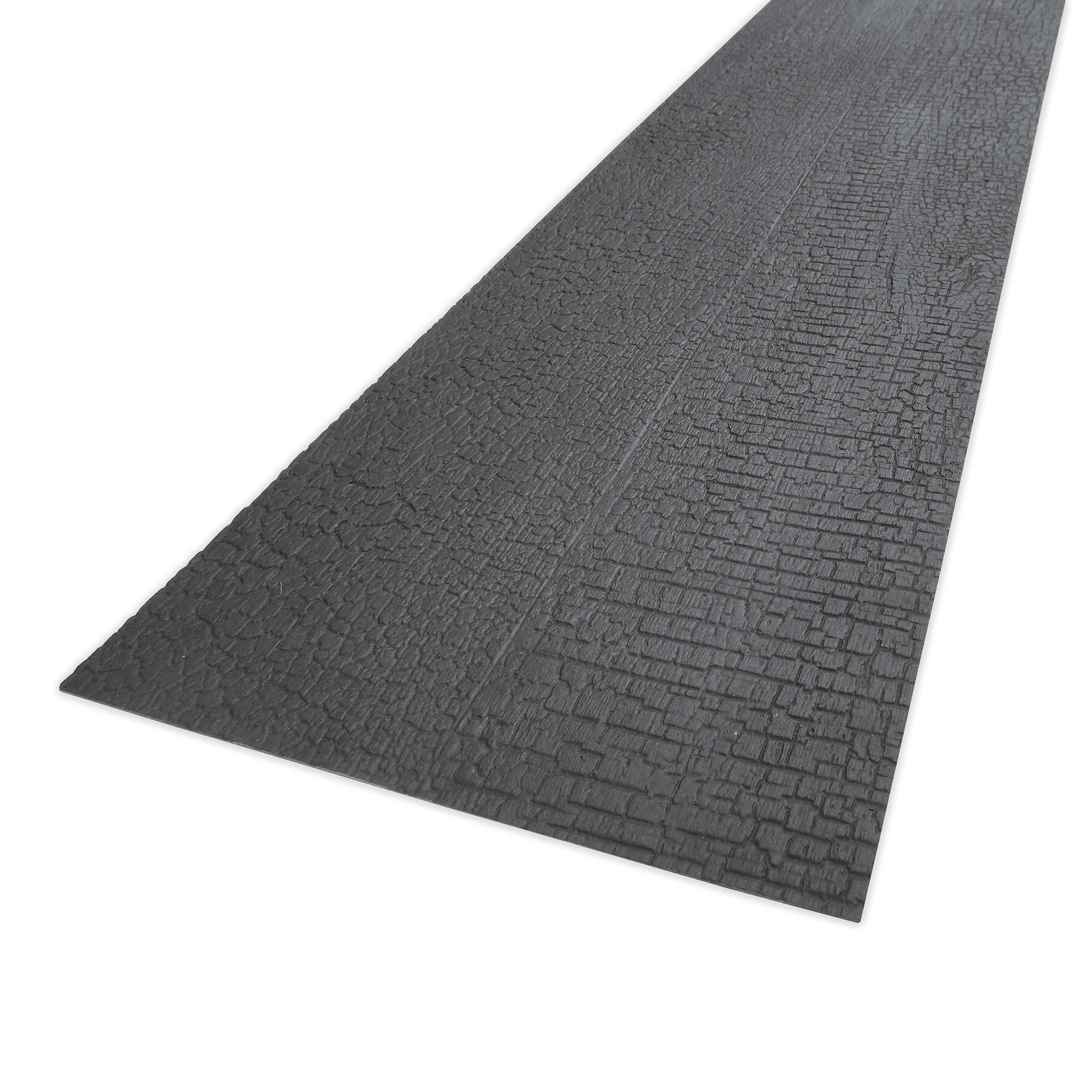
Durability is essential, but let's not forget: school spaces should also inspire . Walk into a room with cold, sterile walls, and you might feel like you're in a hospital waiting area—not a place where creativity should thrive. Charcoal Burnt Wood Board brings something different to the table: warmth. Its deep, rich tones—ranging from smoky grays to almost-black with hints of amber—add depth and texture that make a space feel cozy and inviting. It's wood, but with a story. The charring process leaves behind unique patterns—some boards have subtle, wispy grain lines, others have bold, almost sculptural textures—so no two panels are exactly alike. In a classroom, that means walls that don't just background learning, but participate in it. A student might trace a particularly interesting grain pattern during a quiet reading session, or a teacher might use the board's color as a jumping-off point for a lesson on nature or art.
What's most impressive, though, is how well Charcoal Burnt Wood Board plays with other materials. It pairs beautifully with MCM Flexible Stone, for example—a lightweight, versatile material that can mimic the look of natural stone, brick, or even concrete. Imagine a library where Charcoal Burnt Wood lines the bookshelves, adding warmth, while MCM Flexible Stone covers an accent wall in a soft, earthy tone, creating a balanced, layered look. Or a science lab where Fair-faced Concrete (with its raw, industrial vibe) forms the countertops, and Charcoal Burnt Wood Board wraps the lower cabinets, softening the space and making it feel less like a lab and more like a place where discoveries happen.
Compare that to a space done entirely in Fair-faced Concrete. While concrete is durable and modern, it can feel cold and uninviting—especially to younger students. Charcoal Burnt Wood Board acts as a bridge, adding that human touch without sacrificing strength. Similarly, Wood Grain Board, with its smooth, uniform look, can feel a bit "perfect" for schools; Charcoal Burnt, with its slightly weathered, organic texture, feels more lived-in , like a material that's ready to grow with the students using it.
Teachers notice the difference, too. "Our old classroom had plain white walls," says Mr. Lee, a fifth-grade teacher in Chicago whose room was renovated with Charcoal Burnt Wood Board accent walls last year. "Now, the kids talk about how 'cozy' it feels. They're more likely to sit quietly and read during free time, and I've even had parents comment that the room feels 'calmer.' It's not just a wall—it's part of the mood of the class."
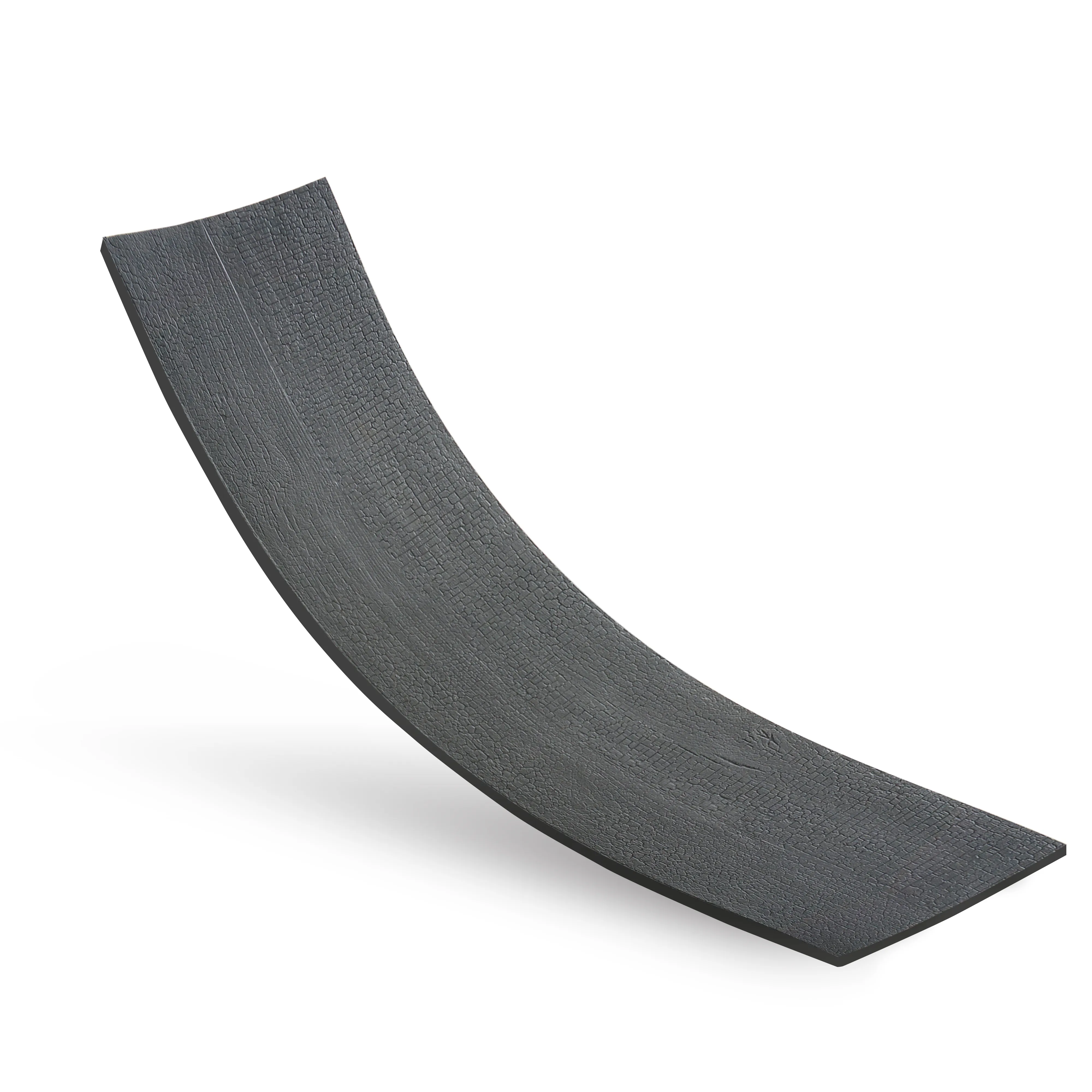
To really understand why Charcoal Burnt Wood Board shines in educational settings, it helps to see how it compares to other popular materials. Below is a breakdown of how it stacks up against MCM Flexible Stone, Fair-faced Concrete, Wood Grain Board, and Bamboo Mat Board in terms of durability, design versatility, sustainability, and ideal uses in schools.
| Material | Durability Features | Design Aesthetic | Sustainability | Ideal Educational Use |
|---|---|---|---|---|
| Charcoal Burnt Wood Board | Fire-resistant, moisture-resistant, scratch-resistant; charred layer protects against pests and decay. | Deep, smoky tones with unique, organic textures; warm, rustic yet modern. | Made from sustainably sourced wood; charring process uses minimal chemicals. | Hallways, classrooms, libraries, cafeteria walls, outdoor benches. |
| MCM Flexible Stone | Lightweight, impact-resistant, and weatherproof; good for high-traffic accent walls. | Mimics natural stone, brick, or concrete; versatile for modern or traditional designs. | Often made with recycled materials; low VOC emissions. | Accent walls, feature panels, outdoor walkway borders. |
| Fair-faced Concrete | Extremely durable, scratch-resistant, and easy to clean; withstands heavy use. | Raw, industrial look with a smooth or textured finish; modern and minimalist. | Energy-efficient to produce; can include recycled aggregates. | Countertops, floors, gymnasium walls, outdoor playground surfaces. |
| Wood Grain Board | Moderate durability; prone to scratching and fading without heavy sealing. | Smooth, uniform wood appearance; clean and contemporary. | Depends on sourcing; may use formaldehyde-based adhesives. | Low-traffic areas like teacher lounges, administrative offices. |
| Bamboo Mat Board | Strong and flexible; less resistant to moisture than Charcoal Burnt Wood. | Light, natural tone with a woven, organic texture; eco-friendly vibe. | Fast-growing bamboo; renewable and biodegradable. | Accent walls, lightweight furniture, partition screens. |
So, where exactly does Charcoal Burnt Wood Board work best in schools? The short answer: almost everywhere. Its versatility means it can adapt to the unique needs of different spaces, from quiet reading nooks to bustling cafeterias. Let's take a closer look at a few key areas:
Classrooms are the heart of any school, and they need to balance structure with comfort. Charcoal Burnt Wood Board works beautifully here, whether as an accent wall behind the teacher's desk or as wainscoting along the lower half of the walls (perfect for protecting against stray kicks or chair scrapes). Its warm color helps reduce eye strain compared to bright white walls, and its texture adds visual interest without being distracting. Plus, it's easy to hang student artwork or educational posters—just use removable adhesive strips, and the wood's surface won't peel or scuff when you take them down.
Libraries are meant to be sanctuaries—places where students can escape into books or dive deep into a project. Charcoal Burnt Wood Board helps set that mood, wrapping bookshelves, seating nooks, or even ceiling beams in a material that feels both timeless and comforting. Imagine a reading corner with Charcoal Burnt Wood walls, plush cushions, and soft lighting—it's the kind of space that makes you want to curl up with a book and stay awhile. And because it's so durable, it can handle the inevitable bumps and scrapes from students reaching for the top shelf or dragging chairs across the floor.
Schools aren't just indoors—playgrounds, walkways, and outdoor classrooms are vital parts of the learning experience, too. Charcoal Burnt Wood Board's resistance to moisture and UV rays makes it ideal for these spaces. It can be used to build benches, outdoor classroom walls, or even the borders of garden beds. Unlike regular wood, it won't warp in the rain or fade in the sun, so it stays looking good year after year. And because it's slip-resistant when sealed properly, it's safe for areas where kids might run or play.
If there's one place in a school that tests a material's limits, it's the cafeteria. Spills, food crumbs, and the constant clatter of trays and chairs—Charcoal Burnt Wood Board takes it all in stride. Its sealed surface is easy to wipe clean with a damp cloth, and its natural texture hides minor stains (because let's be real, some spills are inevitable). Plus, wood has natural sound-absorbing properties, which can help dampen the noise of 100 kids chatting at once—a small but significant win for both students and staff.
Today's students are more environmentally conscious than ever, and schools have a responsibility to model sustainable practices—not just in lessons, but in the buildings themselves. Charcoal Burnt Wood Board aligns with this mission in several ways. First, it's typically made from wood sourced from FSC-certified forests, ensuring that for every tree cut down, another is planted. Second, the charring process requires no harsh chemicals or toxic sealants; the wood is protected by the charred layer itself, making it a low-VOC (volatile organic compound) option. This is a big deal for indoor air quality, which directly impacts student health and focus.
Compare that to some synthetic materials, which rely on plastics or chemical treatments that can off-gas harmful fumes. Charcoal Burnt Wood Board, by contrast, brings a piece of the natural world into schools—reminding students that sustainability and durability can go hand in hand. It's a subtle lesson, but a powerful one: the choices we make about the materials we use matter for the planet.
Many schools are now pursuing LEED or WELL certifications, which recognize buildings that prioritize sustainability and wellness. Charcoal Burnt Wood Board can contribute to these certifications, checking boxes for sustainable sourcing and low-emission materials. For schools looking to teach environmental responsibility, this isn't just a bonus—it's part of the curriculum.
At the end of the day, Charcoal Burnt Wood Board isn't just about durability or design. It's about creating spaces that support the messy, wonderful, non-stop journey of learning. It's about walls that don't just keep the rain out, but also make a student feel welcome. It's about materials that don't just last, but also tell a story—of tradition (through the shou sugi ban technique), of sustainability, and of resilience.
In a world where so much of our built environment feels generic and disposable, Charcoal Burnt Wood Board stands out as a material with character—a material that grows with a school, that bears the marks of years of learning, and that remains beautiful through it all. For architects, facility managers, and educators who care about creating spaces that matter, that's a game-changer.
So the next time you walk into a school, take a moment to look around. Notice the walls, the floors, the furniture. If you spot that rich, smoky texture of Charcoal Burnt Wood Board, you'll know: this is a space built for the students—for their energy, their curiosity, and their future. And isn't that what school is all about?
Recommend Products












