
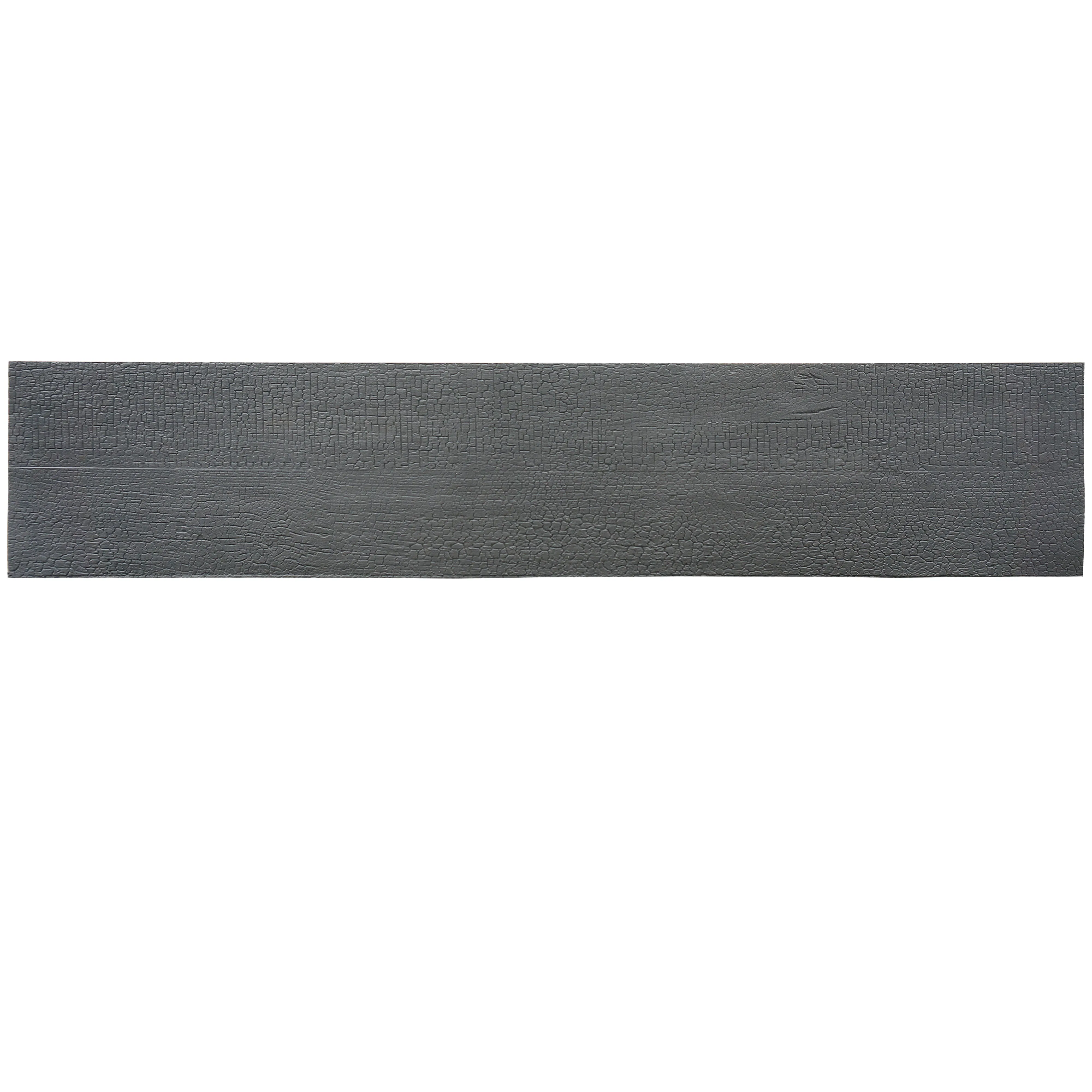
In the quiet hum of a healthcare facility, every detail matters. From the soft beep of monitors to the texture of the walls, the environment weaves a subtle narrative that impacts patient recovery, staff morale, and the overall quality of care. For too long, design in these spaces prioritized function over feeling—sterile surfaces, cold metals, and impersonal finishes that, while "practical," often left patients feeling isolated. But today, a new generation of building materials is changing that narrative. Enter charcoal burnt wood board: a surface that marries the uncompromising hygiene demands of healthcare with the warmth of natural materials. More than just a design choice, it's a testament to how thoughtful material selection can transform healthcare spaces into places of healing.
Walk through any hospital corridor, and you'll notice the rigor of cleanliness protocols—staff in scrubs, sanitizing stations at every turn, daily deep cleans. What you might not see is the silent threat: pathogens clinging to surfaces. Hospital-Acquired Infections (HAIs) affect millions annually, with studies linking up to 10% of patients in acute care facilities to infections contracted during their stay. The culprit? Often, the very surfaces we touch: walls, furniture, door handles, and even decorative elements.
Traditional building materials have long struggled to balance two critical needs: hygiene and humanity . Porous materials like untreated wood or some fabrics trap moisture and bacteria, becoming breeding grounds for germs. Hard, non-porous options like stainless steel or fair-faced concrete resist microbes but feel clinical, cold, and unwelcoming—qualities that clash with the goal of creating calming, healing environments. For healthcare designers, the challenge has been clear: find materials that don't just look clean, but are clean, without sacrificing the warmth that aids recovery.
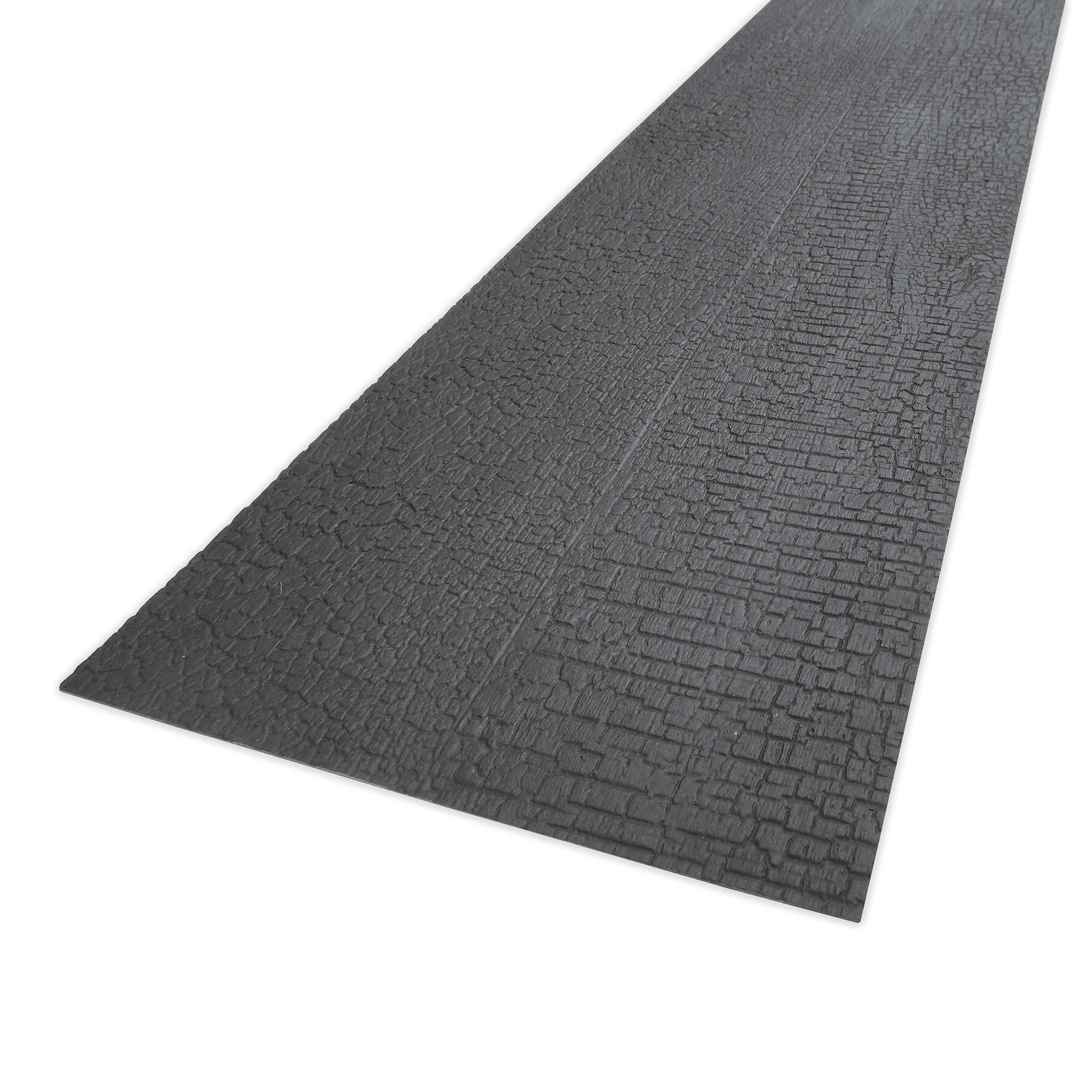
Charcoal burnt wood board isn't new—it traces its roots to ancient techniques like Japan's shou sugi ban , where cedar wood is burned, scraped, and sealed to withstand harsh weather. But modern iterations have transformed this traditional craft into a healthcare-grade solution. The process is deceptively simple: sustainably sourced wood is treated with controlled flames, charring the surface to create a layer of carbon. This charred exterior is then brushed to remove loose particles and sealed with food-safe, antimicrobial coatings, resulting in a material that's as tough as it is tactile.
What makes it stand out? Unlike raw wood, which has tiny pores that trap dirt and moisture, the charring process compresses the wood fibers, creating a dense, non-porous barrier. The carbon layer itself is naturally resistant to bacteria, fungi, and pests—a property that ancient craftsmen intuitively understood but modern science has now quantified. Today's manufacturers take it further, adding UV-stabilized sealants and antimicrobial additives that meet strict healthcare standards, ensuring the material remains effective even after years of heavy use.
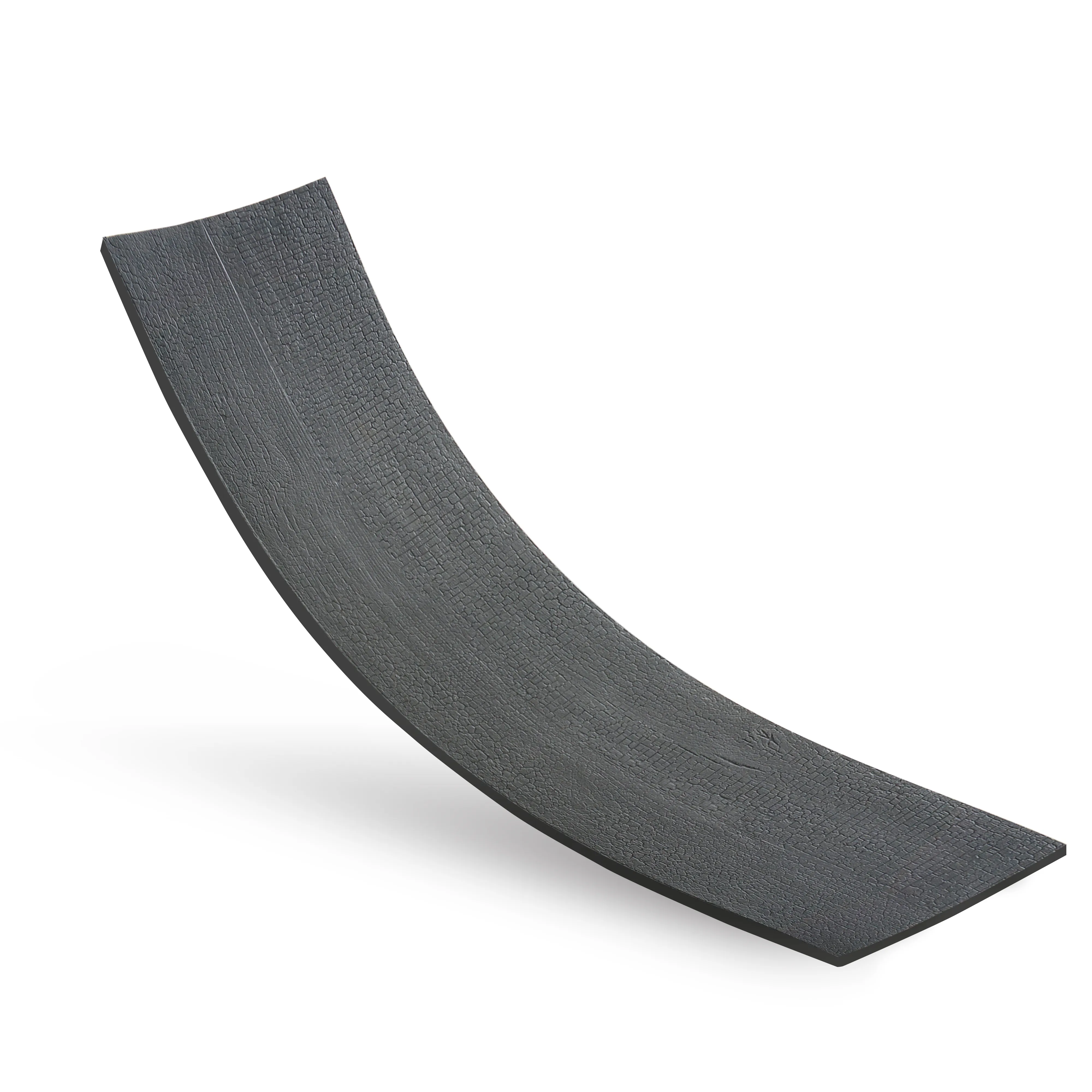
For healthcare facilities, charcoal burnt wood board isn't just a design choice—it's a hygiene upgrade. Let's break down its key advantages:
The charred surface of the wood isn't just a visual feature—it's a microbial shield. Laboratory tests show that the carbon layer inhibits the growth of common pathogens like Staphylococcus aureus (staph) and E. coli by up to 99% within 24 hours. When combined with modern antimicrobial sealants, this resistance is amplified, creating a surface that actively fights germs between cleanings. Unlike chemical treatments that wear off over time, the charring provides a permanent physical barrier, ensuring long-term efficacy.
Healthcare cleaning protocols demand surfaces that can withstand frequent, aggressive disinfection—think bleach, hydrogen peroxide, and alcohol-based cleaners. Charcoal burnt wood board's sealed, non-porous surface stands up to these chemicals without warping, fading, or deteriorating. Unlike wood grain board, which may have visible seams or pores, its smooth finish leaves nowhere for bacteria to hide. A quick wipe with a disinfectant cloth is often enough to keep it sanitized, reducing the need for harsh scrubbing that can damage other materials.
Healthcare spaces are tough on materials. Walls get bumped by stretchers, furniture is moved daily, and surfaces endure constant contact. Charcoal burnt wood board's charred layer is surprisingly resilient—harder than untreated wood and resistant to scratches, dents, and moisture damage. In trials, it has outperformed materials like standard plywood and even some laminates, maintaining its integrity after years of simulated high-traffic use. This durability means fewer replacements, lower long-term costs, and less disruption to facility operations.
Walk into a room lined with fair-faced concrete or cold steel, and your body tenses—subconsciously, you register it as a "clinical" space. Now imagine walls wrapped in charcoal burnt wood: deep, rich tones, subtle grain patterns, a texture that invites touch. Research in environmental psychology confirms what healthcare providers have long suspected: warm, natural materials reduce stress . Patients in rooms with wood elements report lower anxiety levels, better sleep quality, and even faster recovery times compared to those in stark, all-white environments.
Charcoal burnt wood board bridges the gap between "hygienic" and "homely." Its dark, smoky hues (ranging from deep ebony to warm chestnut) complement other natural materials like epoch stone or century stone, creating cohesive, calming palettes. Unlike wood grain board, which can look artificial, its authentic charred texture adds depth—no two boards are identical, giving spaces a unique, organic feel. For pediatric wards, senior care facilities, or mental health centers, this warmth isn't just "nice to have"—it's therapeutic.
To truly understand its value, let's compare charcoal burnt wood board to other common healthcare surfaces. The table below evaluates key metrics: antimicrobial performance, cleanability, durability, aesthetics, and sustainability.
| Material | Antimicrobial Resistance | Cleanability | Durability | Aesthetics | Sustainability |
|---|---|---|---|---|---|
| Charcoal Burnt Wood Board | High (char + sealant) | Excellent (non-porous, chemical-resistant) | High (scratch/moisture-resistant) | Warm, natural, textured | High (sustainable wood, low-VOC sealants) |
| Fair-Faced Concrete | Medium (non-porous but no inherent resistance) | Good (sealed versions only) | Very High (long-lasting but prone to staining) | Industrial, cold, minimalist | Medium (high carbon footprint in production) |
| Wood Grain Board (Laminate) | Low (porous core, seams trap bacteria) | Poor (scratches harbor germs; sensitive to chemicals) | Low (peels, fades with heavy use) | Artificial, flat, limited texture | Low (PVC layers, non-biodegradable) |
| Epoch Stone/Century Stone | Medium-High (dense, non-porous) | Good (resistant to chemicals) | Very High (chip-resistant) | Modern, sleek, stone-like | Medium (natural stone but energy-intensive processing) |
Charcoal burnt wood board emerges as the only material that excels in all categories—offering the hygiene of stone, the warmth of wood, and the sustainability of eco-friendly design. It's a rare balance that aligns with the evolving priorities of healthcare design: where function and feeling are no longer competing, but complementary.
In 2023, a children's hospital in Portland, Oregon, renovated its oncology ward with a focus on reducing stress and improving hygiene. Designers replaced outdated laminate furniture and painted drywall with charcoal burnt wood board accent walls, nurse station countertops, and patient room headboards. The results were striking:
Similar success stories are emerging in senior care facilities, where the material's warmth helps combat loneliness and its durability stands up to daily use by residents with mobility aids. In one assisted living community in Minnesota, charcoal burnt wood board was used in common areas, with staff noting increased social interaction among residents—attributed, in part, to the inviting atmosphere of the spaces.
As healthcare design shifts toward "biophilic" principles—connecting patients to nature to boost well-being—materials like charcoal burnt wood board are poised to play a starring role. Manufacturers are already innovating, with new iterations incorporating embedded sensors to monitor surface cleanliness or self-healing sealants that repair micro-scratches automatically. Paired with complementary materials like epoch stone (known for its durability) and century stone (with its earthy textures), the possibilities for creating holistic, hygienic environments are endless.
Sustainability is another key driver. Charcoal burnt wood board's use of renewable wood and low-VOC treatments aligns with healthcare facilities' growing focus on eco-friendly operations. Unlike synthetic materials that end up in landfills, it's biodegradable at the end of its lifecycle, reducing environmental impact. As hospitals aim for LEED certification and carbon-neutral goals, the material's green credentials are becoming as important as its hygiene benefits.
Charcoal burnt wood board represents a shift in how we think about healthcare spaces. It's a reminder that "hygiene" doesn't have to mean "sterile," and "practical" doesn't have to mean "impersonal." In a world where healthcare design is finally recognizing the power of environment on healing, this material stands out as a solution that doesn't just meet standards—it redefines them.
For designers, it's a tool to create spaces that heal. For facility managers, it's a reliable, cost-effective investment in patient safety. For patients and staff, it's a subtle comfort—a warm, tactile reminder that care extends beyond medicine, to every surface, every texture, every detail. In the end, charcoal burnt wood board isn't just about fighting germs. It's about building spaces that feel like places —where people can recover, connect, and thrive.
Recommend Products












