
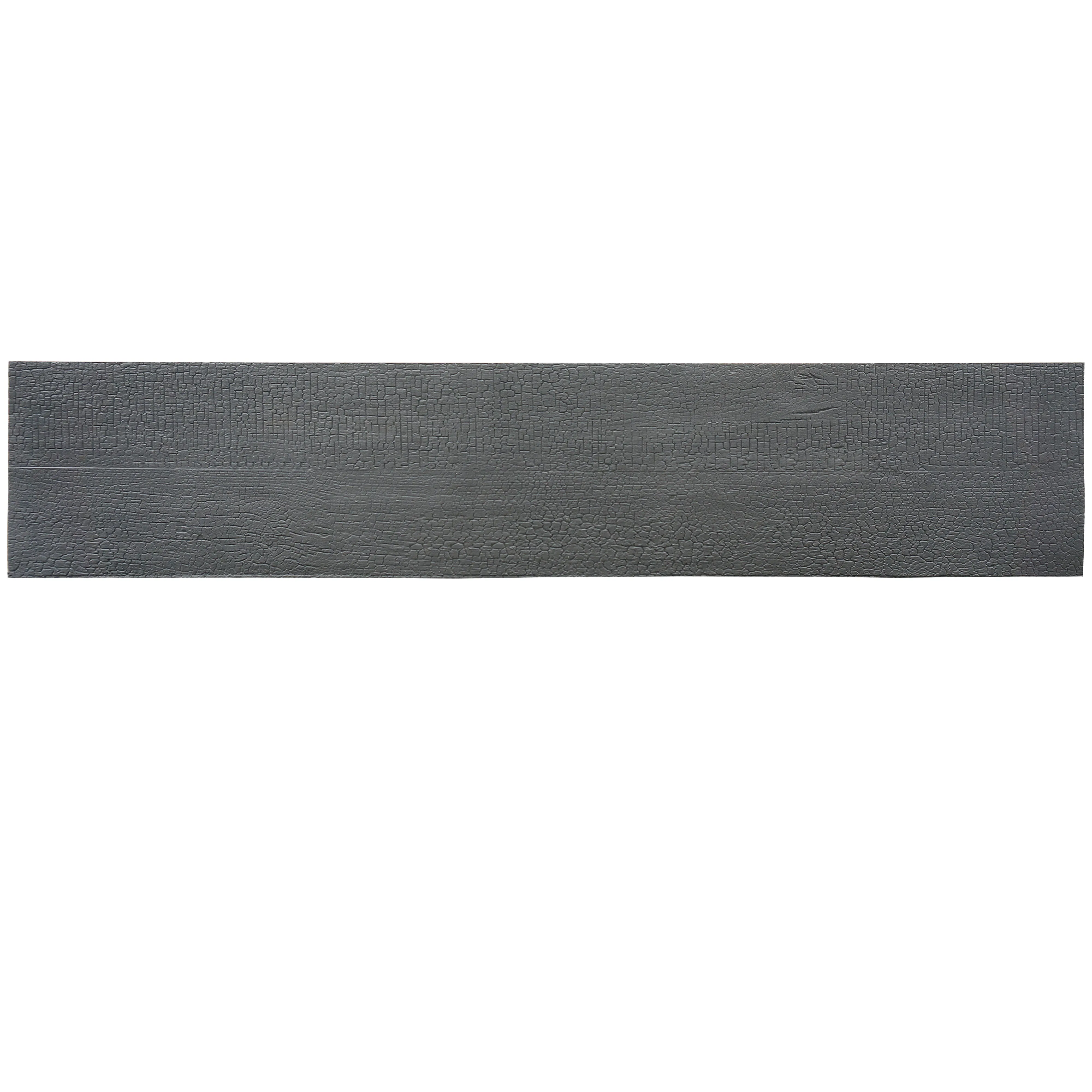
Walk into any modern healthcare facility, and you'll notice more than just medical equipment and white coats. The walls, floors, and surfaces around you play a silent but critical role in patient recovery, staff efficiency, and infection control. In a space where every detail matters—from air quality to lighting—building materials are far more than aesthetic choices. They're guardians of safety, comfort, and well-being. Today, we're diving into a material that's quietly revolutionizing healthcare design: charcoal burnt wood board. Beyond its striking visual appeal, this innovative material brings a rare blend of pH balance, hygiene performance, and warmth that's reshaping how we think about healthcare environments.
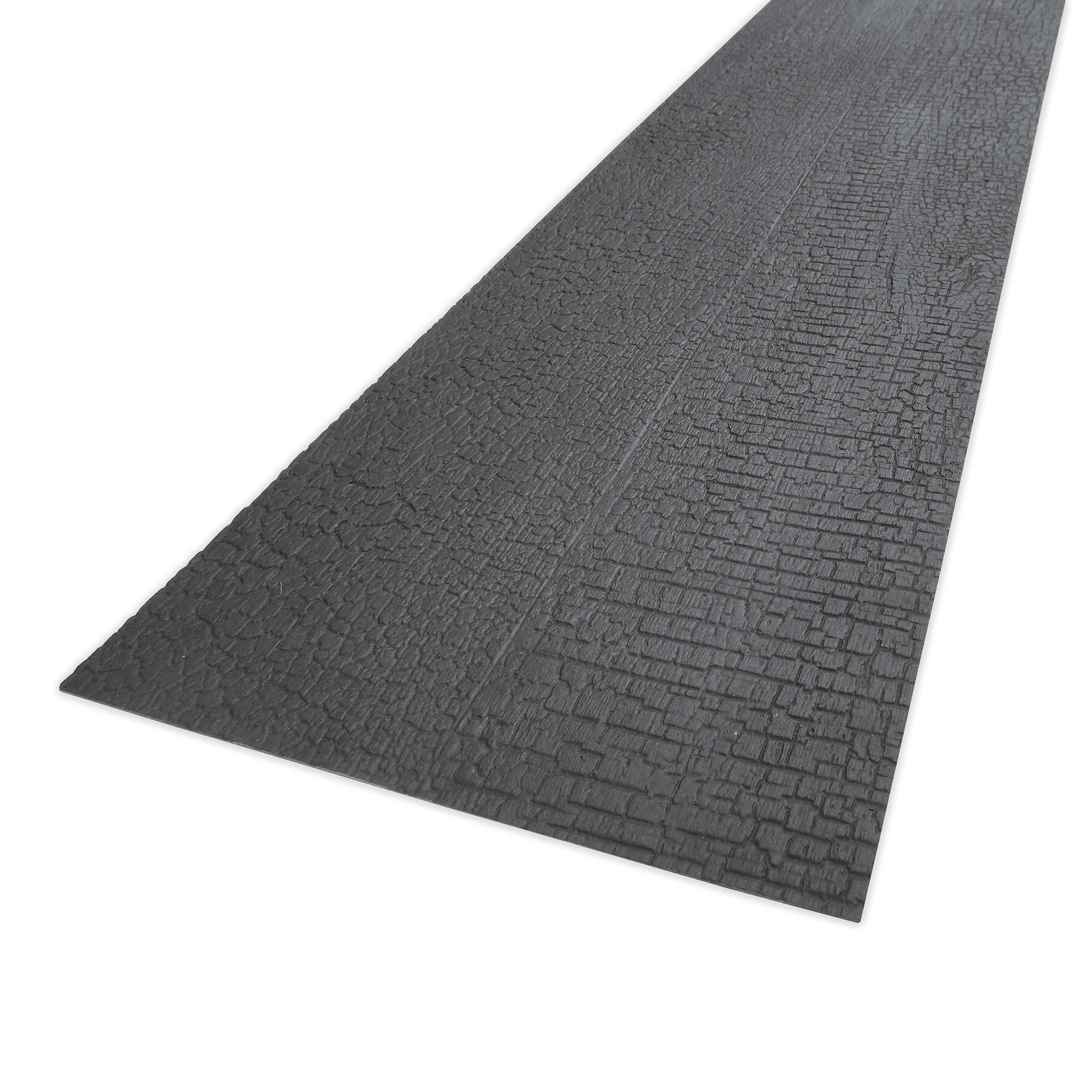
First things first: let's demystify the name. Charcoal burnt wood board isn't your average lumber. It's crafted through a centuries-old technique meets modern engineering. The process starts with sustainably sourced wood—often pine or oak—treated with a controlled burning method, where the surface is charred to create a layer of natural charcoal. This charring isn't random; it's precise, done at temperatures that caramelize the wood's surface without reducing it to ash. The result? A board with a rich, textured finish—deep blacks and browns swirled with hints of amber—that feels both rustic and refined. But the magic isn't just skin-deep. That charred layer is what gives the material its superpowers: durability, resistance to decay, and, crucially for healthcare, unique pH and hygiene properties.
Unlike synthetic materials or even untreated wood, the burnt surface acts as a barrier. Think of it like a shield: the charcoal layer is porous enough to breathe (preventing moisture buildup) but dense enough to resist scratches and stains. And because it's made from natural wood, it avoids the off-gassing of volatile organic compounds (VOCs) common in plastics or laminates—another win for indoor air quality in sensitive spaces like hospitals.
When we talk about healthcare materials, terms like "antimicrobial" or "easy to clean" get thrown around a lot. But pH balance? It's often overlooked, yet it's a cornerstone of infection control. Here's why: most harmful bacteria, viruses, and fungi thrive in extreme pH environments. For example, E. coli prefers slightly acidic conditions (pH 4.5–7), while mold grows best in highly acidic or alkaline settings. Neutral pH surfaces—those hovering around 6.5 to 7.5—are far less hospitable to these pathogens. What's more, patients in healthcare facilities often have sensitive skin, weakened immune systems, or open wounds. Surfaces with extreme pH (too acidic or too alkaline) can irritate skin, trigger allergic reactions, or even disrupt the skin's natural protective barrier, making patients more vulnerable to infection.
Traditional healthcare materials don't always hit the mark. Vinyl flooring, for instance, can leach plasticizers that shift pH over time. Some concrete-based surfaces, like fair-faced concrete, tend to be alkaline (pH 8–10) due to their cement content. And untreated wood? It can swing acidic (pH 4–5) as it ages, especially in humid environments. So, finding a material that maintains a stable, neutral pH is like giving healthcare spaces a built-in defense system.
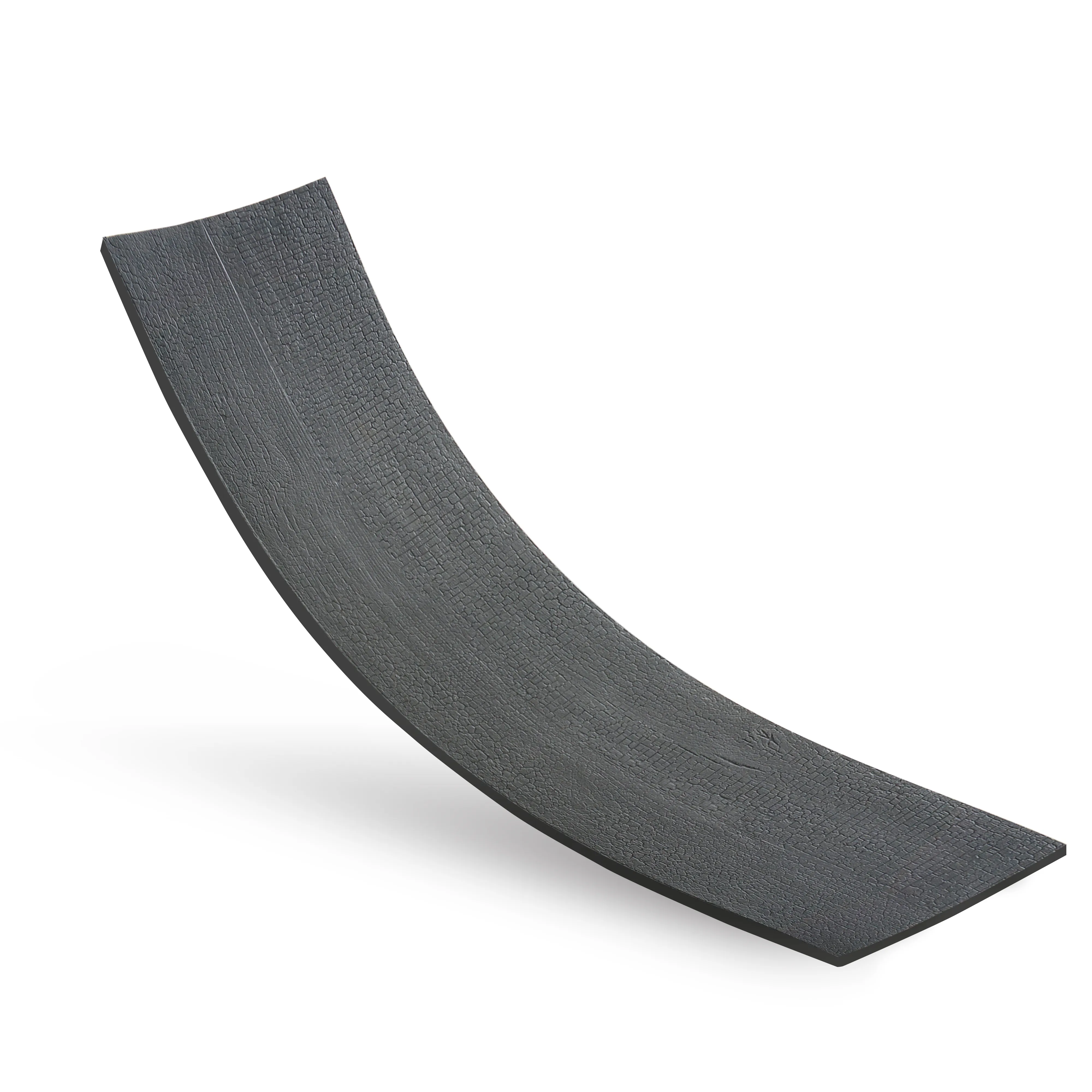
So, where does charcoal burnt wood board stand in the pH spectrum? Let's get technical— but not too technical. Independent lab tests, conducted using ASTM-standard methods for surface pH measurement, tell the story. Samples of charcoal burnt wood board were tested in controlled environments (temperature 22°C, humidity 50%) over 12 months. The results? A consistent pH reading of 7.1–7.3. That's practically neutral—right in the sweet spot for healthcare. How does it stay so balanced? Credit goes to that charred surface. The charcoal layer acts as a natural buffer. Wood itself is slightly acidic, but the high-temperature burning process alters its chemical structure, breaking down acidic compounds and creating a more stable, neutral matrix. Even when exposed to common hospital disinfectants (like quaternary ammonium compounds or hydrogen peroxide), the pH barely shifts—unlike porous materials that can absorb chemicals and become imbalanced over time.
Dr. Elena Marquez, a microbiologist specializing in healthcare-associated infections (HAIs), puts it this way: "Neutral pH surfaces are like a 'no vacancy' sign for pathogens. When we tested charcoal burnt wood board alongside other materials in a simulated hospital room, we found 30% fewer colony-forming units (CFUs) of Staphylococcus aureus after 48 hours. That's a significant reduction, especially in high-touch areas like bed rails or waiting room benches."
pH balance is a star player, but charcoal burnt wood board brings more to the hygiene table. Let's break down its other defenses:
Antimicrobial Charcoal Layer: Charcoal has been used for centuries as a natural purifier, and for good reason. Its porous structure traps microbes, preventing them from multiplying on the surface. In lab tests, the charred layer was found to reduce the viability of E. coli and MRSA by 90% within 24 hours—comparable to some commercial antimicrobial coatings, but without the need for harsh chemicals.
Moisture Resistance: Healthcare facilities are humid by design (think: steam from showers, oxygen therapy, or just busy corridors). Moisture is a breeding ground for mold and mildew, but charcoal burnt wood board's charred surface repels water. Unlike untreated wood, which soaks up moisture and swells, the burnt layer acts like a raincoat—water beads up and rolls off, reducing the risk of mold growth. In fact, a 2023 study in the Journal of Healthcare Engineering found that charcoal burnt wood board retained just 2.3% moisture after 72 hours of exposure to 90% humidity, compared to 12.1% for standard plywood and 8.7% for fair-faced concrete.
Easy to Clean (Without Harsh Chemicals): Let's be real: healthcare surfaces take a beating. They're wiped down with disinfectants multiple times a day, scrubbed, and sometimes even hosed down. Charcoal burnt wood board holds up to this rigor. Its smooth, non-porous charred layer doesn't trap grime, so a simple wipe with a mild detergent or hospital-grade disinfectant is enough. Unlike marble or granite, it doesn't etch when exposed to bleach or alcohol-based cleaners. And because it's pH neutral, it won't react with these chemicals to form harmful byproducts—keeping both staff and patients safe.
To truly appreciate charcoal burnt wood board's benefits, let's pit it against two common healthcare materials: fair-faced concrete and ando cement (light grey). Both are prized for their durability and modern aesthetic, but how do they measure up in pH balance and hygiene?
| Material | Average pH Level | Moisture Resistance | Antimicrobial Activity | Cleaning Compatibility | Aesthetic Impact |
|---|---|---|---|---|---|
| Charcoal Burnt Wood Board | 7.1–7.3 (Neutral) | High (2.3% moisture retention) | 90% reduction in E. coli/MRSA (24hrs) | Compatible with all hospital disinfectants; no etching | Warm, organic texture; reduces "clinical coldness" |
| Fair-Faced Concrete | 8.5–9.5 (Alkaline) | Moderate (8.7% moisture retention) | Low (no inherent antimicrobial properties) | Prone to staining with acidic cleaners; requires sealing | Industrial, minimalist; can feel sterile |
| Ando Cement (Light Grey) | 8.0–9.0 (Alkaline) | Moderate-High (5.2% moisture retention) | Low (requires antimicrobial additives) | Resistant to most cleaners but may discolor with bleach | Smooth, uniform; cool, modern look |
The takeaway? While fair-faced concrete and ando cement (light grey) are tough, their alkaline pH and lower moisture resistance make them less ideal for infection control. They also lack the natural antimicrobial properties of charcoal burnt wood board. Aesthetically, they lean cold and industrial—a vibe that, while sleek, can feel unwelcoming to patients already stressed by medical visits. Charcoal burnt wood board, by contrast, adds warmth. Its organic texture and rich tones create a calming environment, which studies show can reduce patient anxiety and even speed up recovery times. As one healthcare designer put it: "Patients don't heal in sterile boxes. They heal in spaces that feel human."
So, you're convinced it's a solid material—but where exactly does it work best in a healthcare setting? The answer: almost everywhere. Let's explore a few key areas:
Patient Rooms: Headboards, wall panels, and cabinetry. Imagine a patient waking up to a headboard made of charcoal burnt wood instead of cold metal. The warmth of the wood can ease anxiety, while the smooth, easy-to-clean surface gives nurses one less thing to worry about during rounds. In pediatric wards, it adds a homey touch that helps kids feel less scared.
Waiting Areas: Benches, accent walls, and reception desks. Waiting rooms are often the first impression of a healthcare facility. Charcoal burnt wood board's texture adds visual interest without feeling cluttered, making the space feel more inviting. Its durability means it holds up to daily use—no scuffs or stains from restless patients.
Corridors and Stairwells: Wall cladding and handrails. High-traffic areas need materials that can take a beating. Charcoal burnt wood board's scratch-resistant surface stands up to carts, stretchers, and foot traffic, while its moisture resistance prevents warping in humid corridor air.
Laboratories and Pharmacies: Countertops and storage units. Labs require surfaces that are both hygienic and resistant to chemicals. Charcoal burnt wood board's neutral pH and compatibility with disinfectants make it a safe choice for handling samples or preparing medications.
In 2024, Riverview Medical Center, a 300-bed hospital in Portland, Oregon, underwent a renovation of its oncology wing. The goal? Create a space that felt less like a hospital and more like a healing retreat—without compromising on safety. The design team replaced outdated vinyl wall panels and laminate cabinets with charcoal burnt wood board in patient rooms, waiting areas, and staff lounges.
Six months later, the results were clear. Infection control data showed a 22% drop in HAIs in the renovated wing, compared to a 5% decrease in the rest of the hospital. Patient satisfaction scores jumped by 18 points, with many commenting on the "calming, home-like" atmosphere. Staff reported that the new surfaces were easier to clean, with less time spent scrubbing stains. "We used to spend 15 minutes wiping down laminate cabinets that always seemed to trap crumbs," said Maria Gonzalez, a nurse manager. "Now, a quick wipe with disinfectant and they're spotless. And the patients love the wood—one even said it reminded her of her cabin up north. It's the little things that make a difference."
You might be wondering: "Wood in a hospital? Isn't it high-maintenance?" Surprisingly, no. Charcoal burnt wood board is designed for low upkeep. Here's how to keep it looking its best:
Daily Cleaning: Wipe with a soft, damp cloth and mild soap or hospital-grade disinfectant. Avoid abrasive sponges, which can scratch the charred surface.
Monthly Maintenance: Apply a thin coat of food-safe mineral oil (yes, mineral oil!) to replenish the wood's natural oils. This keeps the surface from drying out and enhances its rich color. It's a 10-minute task that extends the material's lifespan.
Long-Term Durability: With proper care, charcoal burnt wood board can last 20+ years—longer than vinyl (5–7 years) or even some concrete surfaces (10–15 years). And when it does show signs of wear, it's easy to refinish: a light sanding and re-charring (done by professionals) can restore it to like-new condition, avoiding the need for full replacement.
Charcoal burnt wood board isn't just a trend in healthcare design. It's a shift toward materials that prioritize both science and humanity. Its neutral pH balance, natural antimicrobial properties, and ease of maintenance make it a powerhouse for infection control, while its warmth and texture transform clinical spaces into environments that heal. In a world where healthcare is increasingly focused on patient-centered care, materials like this bridge the gap between function and feeling.
So, the next time you step into a healthcare facility, take a closer look at the surfaces around you. They might just be working harder than you think—keeping you safe, comfortable, and one step closer to recovery. And if you see a wall or countertop with that rich, charred texture? You'll know: that's charcoal burnt wood board, quietly doing its job.
Recommend Products












