Low-rise buildings—think cozy cottages, charming townhouses, or boutique offices—hold a special place in our urban and rural landscapes. They feel approachable, blend gently with their surroundings, and often prioritize character over sheer height. But here's the thing: building them isn't just about picking pretty materials. It's about balancing aesthetics with practicality, and one of the most underrated practicalities is
installation efficiency
. How quickly can a material go up? How easy is it to handle? Does it save labor costs? And does it hold up over time without constant fuss? These are the questions that keep builders, architects, and homeowners up at night. Lately, one material has been turning heads as a solution to these questions:
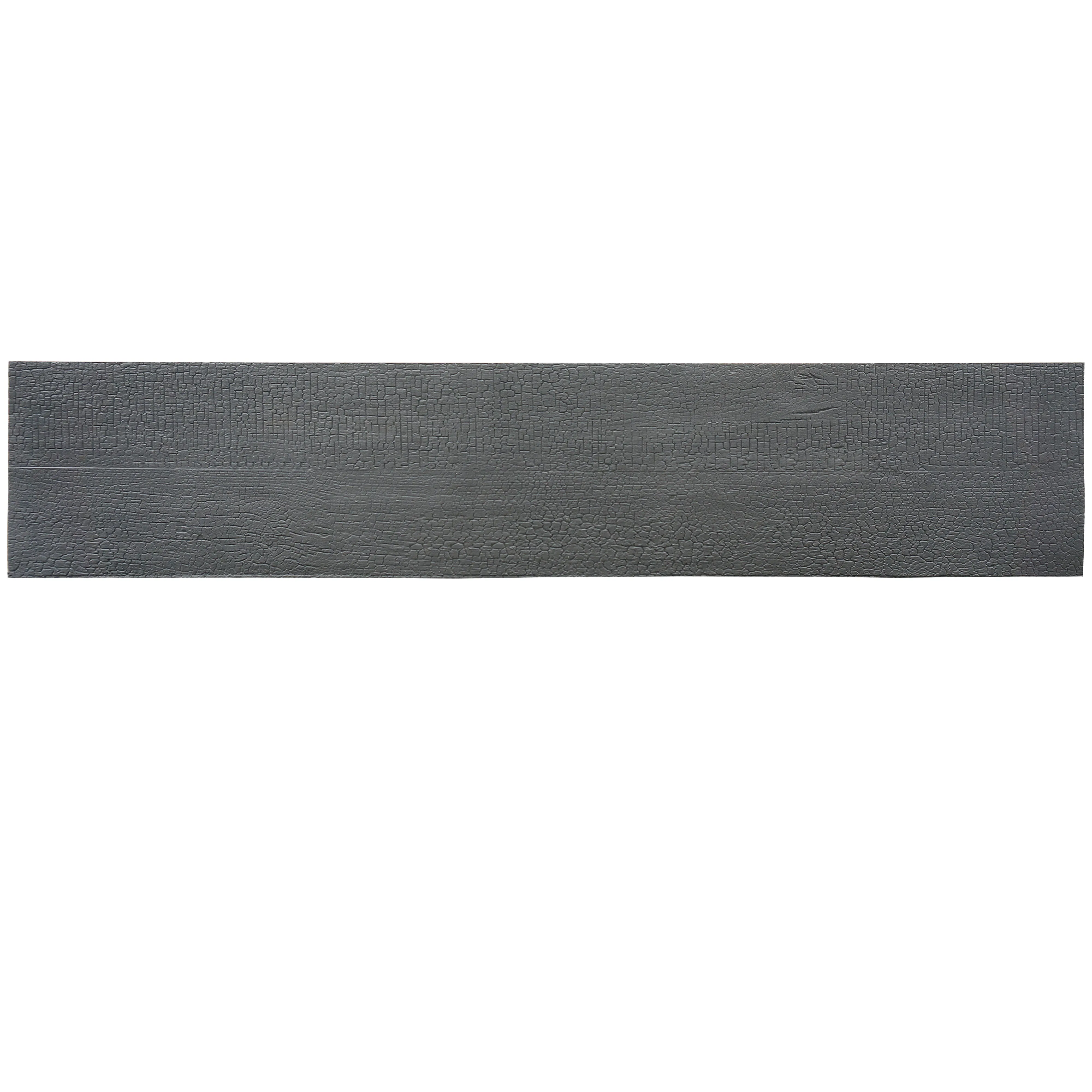
charcoal burnt wood board. Let's dive into why this unique cladding option is becoming a go-to for low-rise projects, and how its installation efficiency sets it apart.
First, let's get past the name.
Charcoal burnt wood board sounds like something you'd find in a medieval blacksmith's workshop, but it's actually a clever blend of ancient technique and modern engineering. You might have heard of
shou sugi ban
—the traditional Japanese method of preserving wood by charring its surface with fire. Well,
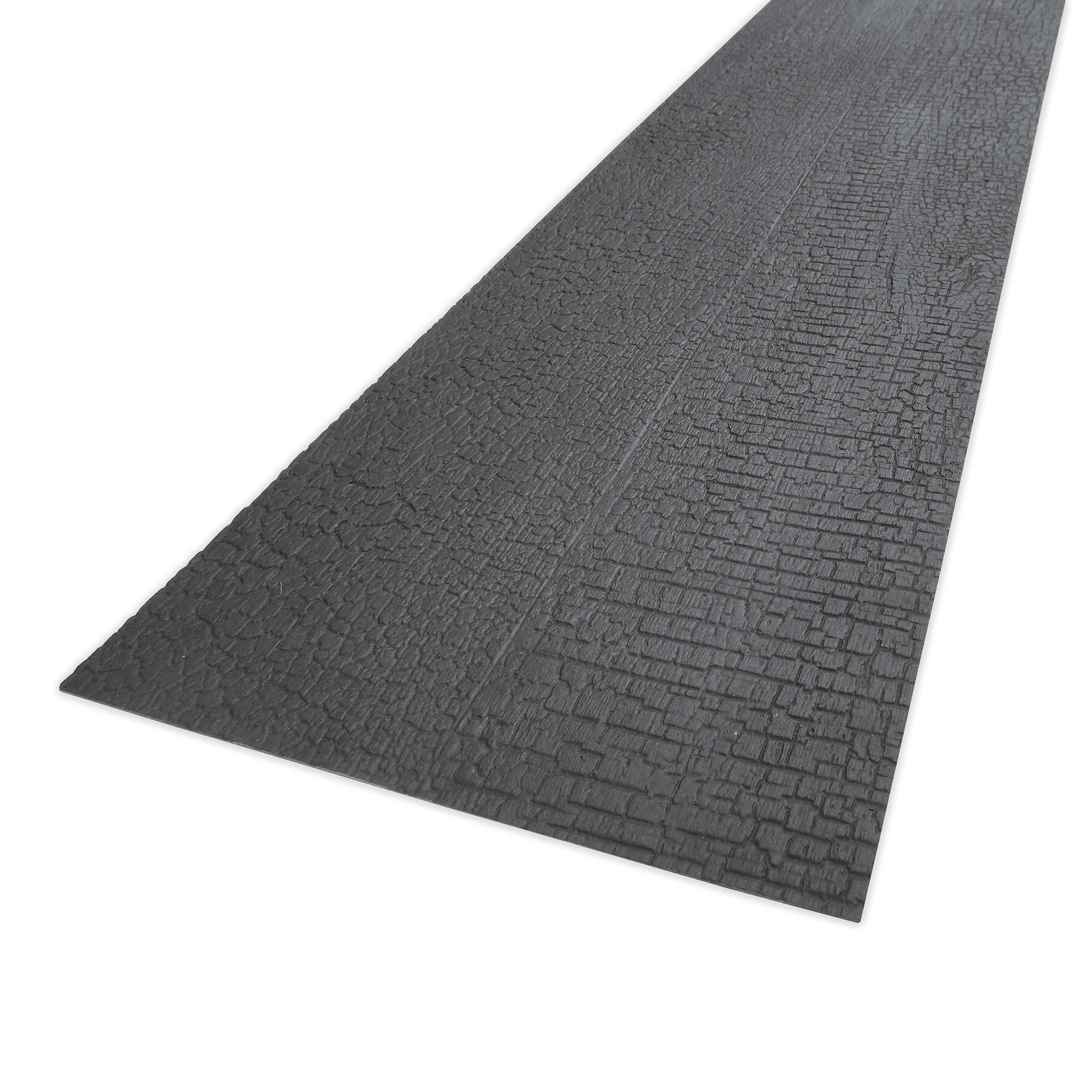
charcoal burnt wood board takes that idea and supercharges it for today's construction needs. Here's how it works: sustainably sourced wood (often cedar, cypress, or pine) is treated with controlled heat, which chars the outer layer into a dark, textured surface. Then, the charred layer is brushed lightly to remove loose particles, and sealed with a low-VOC finish to lock in the wood's natural durability. The result? A board that looks like it's been kissed by flame—rich, earthy, with depth that paint or stain can't replicate—while being surprisingly tough.
But it's not just about looks. That charred layer acts like a suit of armor. It's resistant to rot, pests (termites hate it), and even fire (ironic, right? The charred surface is less likely to catch flame than raw wood). And because the process uses heat instead of harsh chemicals, it's often more eco-friendly than pressure-treated lumber. Many manufacturers use FSC-certified wood and water-based sealants, making it a solid choice for green builds. So, it's pretty, it's tough, and it's kind to the planet. But how does that translate to installation efficiency? Let's break it down.
Why Low-Rise Buildings Love It (Spoiler: It's All About the "Low" Part)
Low-rise buildings have different needs than skyscrapers. They don't require steel girders or reinforced concrete cores to hold up hundreds of floors, but they do demand flexibility. Maybe the site is tight (hello, urban infill projects), or the client wants a custom design without blowing the budget. Low-rise also tends to prioritize "human scale"—materials that feel warm and inviting, not cold and industrial.
Charcoal burnt wood board checks all these boxes, starting with its weight. Unlike heavy materials like
fair-faced concrete or even some stone cladding, charcoal burnt wood is lightweight. A typical 4x8-foot board weighs in at around 15-20 pounds, compared to, say, a similar-sized
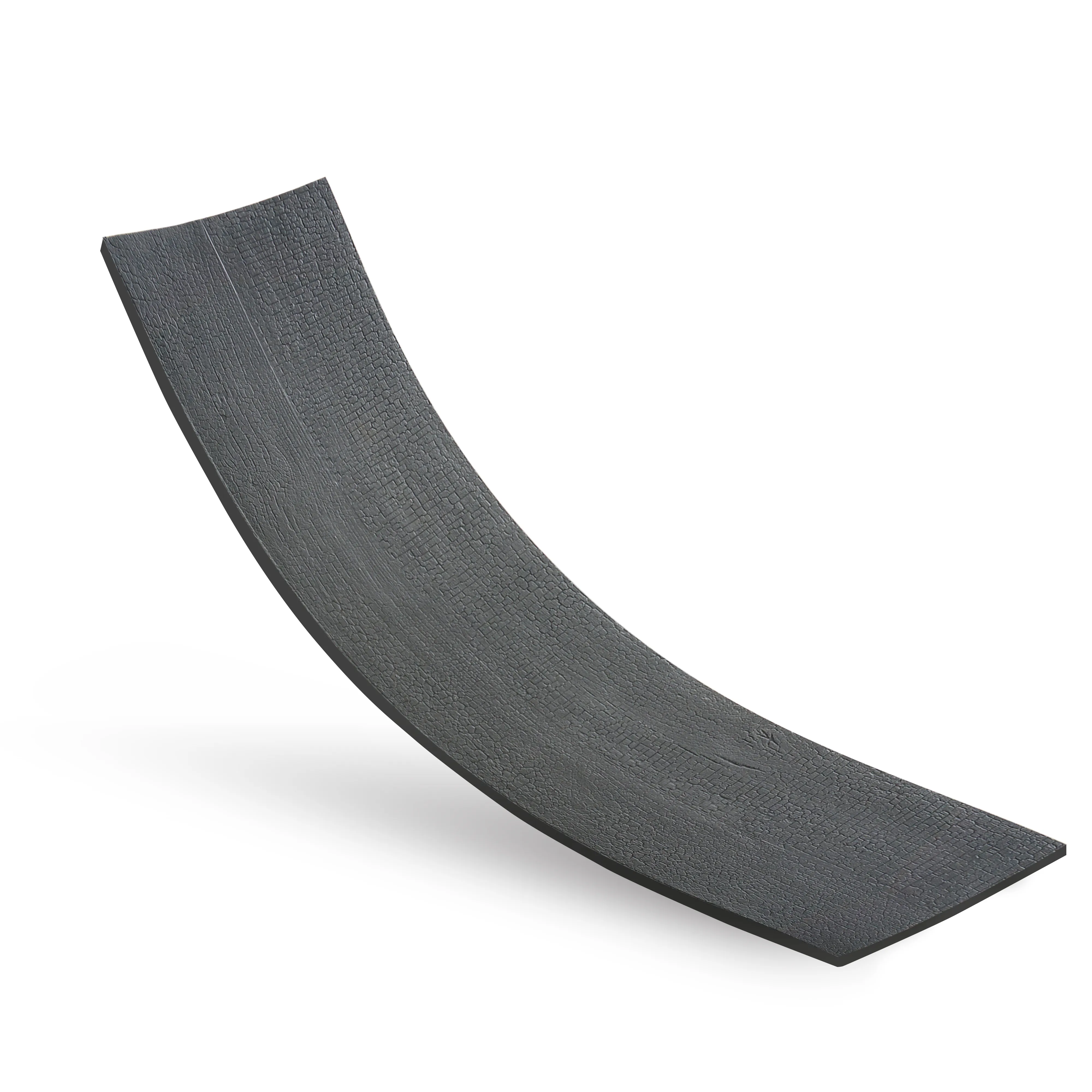
fair-faced concrete panel that might hit 50+ pounds. That lightness matters when you're working on a small site with limited crane access or just a few workers. You don't need a crew of six to hoist it up—two people can carry a stack without breaking a sweat.
Then there's the design flexibility. Low-rise projects often play with mixed materials—think a brick base with wood cladding, or a concrete wall accented with natural stone.
Charcoal burnt wood board plays well with others. Its dark, textured surface contrasts beautifully with lighter materials like lime stone (beige) or
fair-faced concrete, or complements warmer tones like
bamboo mat board. And since it's available in various widths and lengths (including custom cuts), you can get creative with patterns—horizontal planks, vertical strips, or even geometric accents—without spending days on-site cutting.
Installation Efficiency: The Nuts and Bolts
Let's get granular. What makes installing
charcoal burnt wood board so efficient? Let's start with
prep work
. Unlike materials that need complicated substrates—like tile that requires a perfectly flat, waterproof backer board—
charcoal burnt wood board is pretty forgiving. As long as the wall or roof substrate (plywood, OSB, or even metal framing) is clean, dry, and mostly level, you're good to go. No need for expensive underlayment or specialized moisture barriers (though a breathable house wrap is still a smart idea in humid climates). That cuts down on prep time right off the bat.
Next,
handling and cutting
. Because it's lightweight, (carrying) the boards around the site is a breeze. No more strained backs or renting heavy lifting equipment. And cutting? It's just wood. You can use a standard circular saw with a fine-tooth blade (though you'll want to wear a dust mask—the charred layer creates fine black dust). Compare that to cutting something like
dolomitic travertine (dark grey), which requires diamond blades and a steady hand to avoid chipping. With charcoal burnt wood, even a DIY-savvy homeowner could make straight cuts if needed—though pros will obviously zip through it faster.
Then there's the
fastening
. Most charcoal burnt wood boards come with a tongue-and-groove system or pre-drilled holes for easy installation. Some even use a simple clip system that attaches to furring strips, so you don't have to drill through the face of the board (keeping that charred texture intact). For vertical cladding, you might use stainless steel screws (to avoid rust stains) driven into the studs; for horizontal runs, staples or adhesive could work, depending on the substrate. The point is: you don't need specialized tools. A drill, a level, and a tape measure are often enough. No need for mortar, grout, or formwork—unlike, say,
masonry stone, which requires mixing mortar, setting each stone, and waiting for it to cure.
And let's not forget
weather resilience during installation
. If you're working on a low-rise project, chances are you don't have the luxury of a huge construction tent to shield you from the elements.
Charcoal burnt wood board is pretty chill about weather. A light rain shower? No problem—the sealed surface repels water, and the wood itself is already resistant to moisture. You don't have to rush to cover it like you would with
wood grain board that's still raw and prone to warping. Cold weather? As long as the substrate isn't frozen, you can keep installing. Compare that to
fair-faced concrete, which needs warm temperatures to cure properly, or lime stone (beige) that can absorb water and crack if it freezes.
How Does It Stack Up Against Other Materials? Let's Compare
Words are great, but numbers tell the real story. Let's put
charcoal burnt wood board head-to-head with some common low-rise cladding options. We'll look at weight, installation time, tools needed, skill level required, and post-installation maintenance—all key parts of "efficiency."
|
Material
|
Weight (per sqm)
|
Installation Time (per sqm)*
|
Tools Required
|
Skill Level Needed
|
Maintenance Post-Install
|
|
Charcoal Burnt Wood Board
|
8-10 kg
|
0.5-1 hour
|
Circular saw, drill, level, tape measure
|
Basic (DIY-friendly)
|
Seal every 5-7 years
|
|
Fair-Faced Concrete
|
40-50 kg
|
3-4 hours
|
Formwork, mixer, trowels, curing blankets
|
Advanced (needs pro crew)
|
Seal every 2-3 years; prone to cracking
|
|
Wood Grain Board (Unfinished)
|
7-9 kg
|
1-1.5 hours
|
Saw, drill, sander, paint/stain tools
|
Moderate (needs finishing on-site)
|
Stain/seal every 2-3 years; prone to rot/pests
|
|
Bamboo Mat Board
|
12-15 kg
|
1.5-2 hours
|
Saw, adhesive, clamps, level
|
Moderate (tricky with moisture)
|
Seal annually in humid climates; prone to warping
|
*Based on a 2-person crew with average experience. Times include prep, cutting, and fastening.
The table says it all.
Charcoal burnt wood board is lighter than
bamboo mat board, faster to install than
wood grain board, and requires way less skill than
fair-faced concrete. And while
wood grain board might seem similar, remember: charcoal burnt wood comes pre-finished. You don't have to spend extra time sanding, staining, or sealing on-site. That alone can save a full day (or more) on a small project. Plus, its low maintenance needs mean less hassle down the line—no repainting every few years, no worrying about termites.
Real-World Win: A Townhouse Project That Swore By It
Let's talk about a real example. A few years back, a small development in Portland, Oregon, was building 12 townhouses. Originally, the plan was to use standard cedar siding—classic, but time-consuming. The crew was on a tight schedule, and the budget was shrinking by the week. Then the architect suggested switching to
charcoal burnt wood board. Skeptical at first, the builder agreed to a test: two townhouses with cedar, two with charcoal burnt wood. The results? The charcoal burnt wood units took
30% less time
to side. Why? Because the boards were lighter, pre-cut to the exact height of the walls, and the tongue-and-groove system meant fewer gaps to seal. The crew of four could side an entire house in a day, compared to a day and a half with cedar. Labor costs dropped, and the project finished a week early. And the homeowners? They loved the look—the dark, charred boards contrasted beautifully with the white trim, and they got compliments from neighbors before they even moved in. Three years later, the siding still looks brand new, with no signs of rot or fading. The builder now uses
charcoal burnt wood board on almost all their low-rise projects.
Is It Perfect? A Few Things to Keep in Mind
Let's be real: no material is flawless.
Charcoal burnt wood board does have a few considerations. First, cost. It's not the cheapest option out there—you'll pay more upfront than, say, vinyl siding or plywood. But remember: you're saving on installation labor and long-term maintenance. For many homeowners, the trade-off is worth it for the durability and unique look. Second, texture. That charred surface is rough—great for grip if you're using it for a deck, but maybe not ideal for a wall where kids will be leaning against it (though the sealant helps keep the black dust from rubbing off). And third, availability. It's not yet as widely stocked as standard wood siding, so you might need to order it in advance. But as demand grows, that's changing fast.
Wrapping It Up: Efficiency Without Sacrifice
Low-rise buildings deserve materials that work as hard as they do—materials that don't just look good, but make the building process smoother, faster, and less stressful.
Charcoal burnt wood board nails that balance. It's got the aesthetic appeal to make a project stand out, the durability to last decades, and the installation efficiency to keep builders (and budgets) happy. Whether you're building a cozy cottage, a trendy boutique office, or a row of townhouses, it's a material that proves you don't have to choose between beauty and practicality. So, the next time you're planning a low-rise build, ask yourself: why not let your walls tell a story—one that starts with fire, ends with efficiency, and looks amazing in between?