
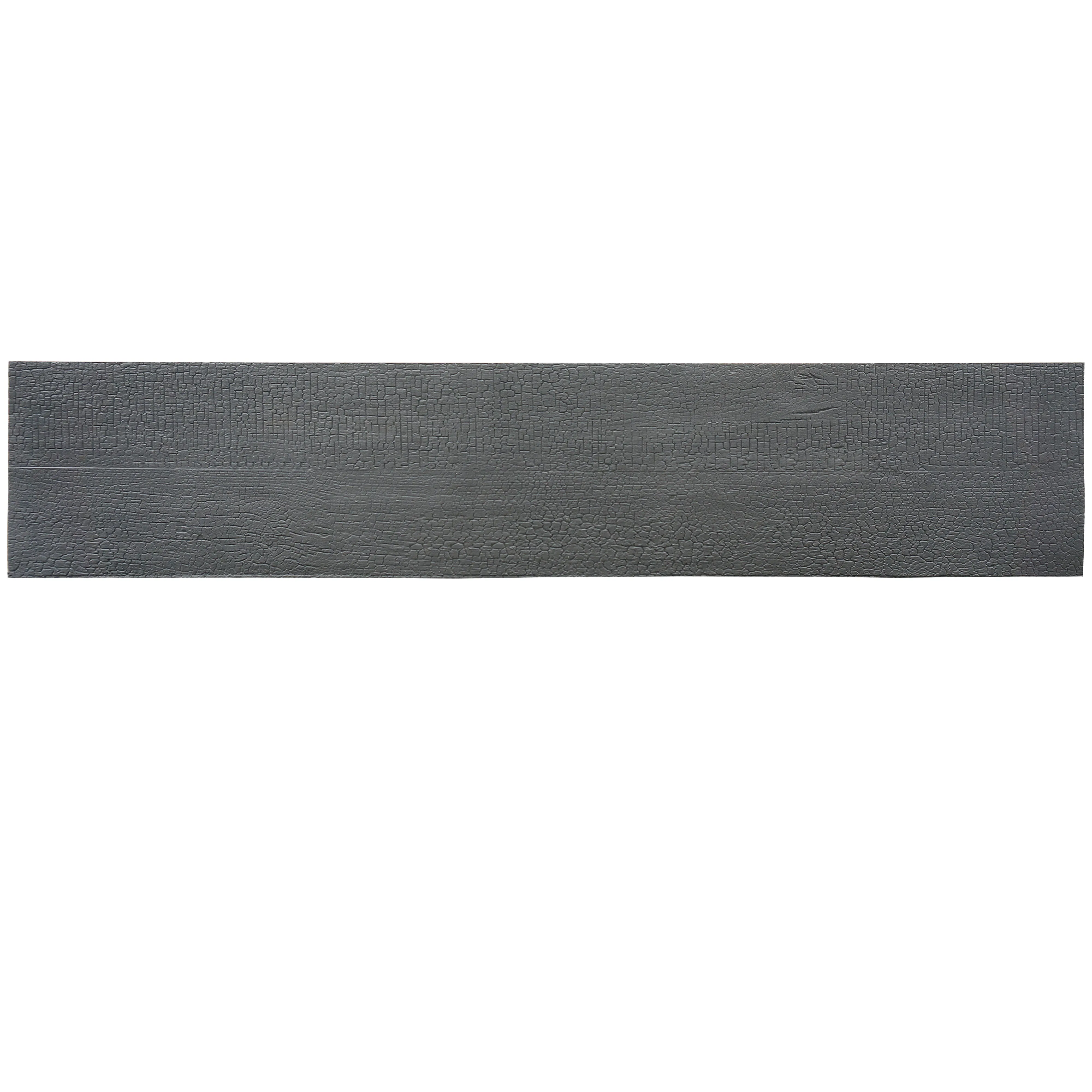
Step into a retail space, and the first thing that wraps around you isn't just the products on the shelves—it's the atmosphere. The way light filters through windows, the texture of walls under your fingertips, the subtle warmth of materials that feel less like "design" and more like a silent storyteller. In a world where shoppers crave connection over transactions, the choice of materials becomes a language. And among the most eloquent speakers in this language is the charcoal burnt wood board—a material that marries raw, earthy charm with timeless sophistication, turning ordinary retail spaces into memorable experiences.
But what makes charcoal burnt wood board more than just another trend? Why are designers and retailers alike drawn to its charred surface and weathered grace? Let's dive into the heart of this material—its origins, its aesthetic magic, and how it transforms the spaces where we browse, discover, and connect.
Charcoal burnt wood board isn't born from a factory assembly line—it's a revival of an ancient craft with roots in Japan, known as shou sugi ban (or yakisugi ). Centuries ago, Japanese artisans developed this technique to protect wood from the harsh elements: they'd burn the surface of cedar planks, brush away the loose char, and seal the wood to create a barrier against rot, pests, and fire. What began as a practical solution soon revealed itself as something extraordinary—a material with a depth of texture and color that seemed to capture both the fierceness of flame and the serenity of nature.
Today, this tradition has been reimagined for modern spaces. While the core process remains—controlled burning, brushing, sealing—the result is no longer just functional. It's artisanal. Imagine running your hand over a plank: the surface isn't smooth or uniform. Instead, it's a landscape of peaks and valleys, where the charred outer layer gives way to softer, warm-toned wood beneath. Some areas are deeply black, almost velvety; others reveal streaks of amber or chestnut, like sunlight filtering through burnt branches. It's a material that feels alive, bearing the marks of the fire that shaped it—each board unique, no two patterns exactly alike.
This craftsmanship is key to its appeal in retail. In a world of mass-produced everything, charcoal burnt wood board carries the weight of human touch. It whispers of the artisan who tended the flame, who brushed away the ash with care, who ensured each plank told its own story. For retailers, this translates to authenticity—a quality shoppers crave when they step out of the digital world and into a physical space. It says, "This place was made with intention."
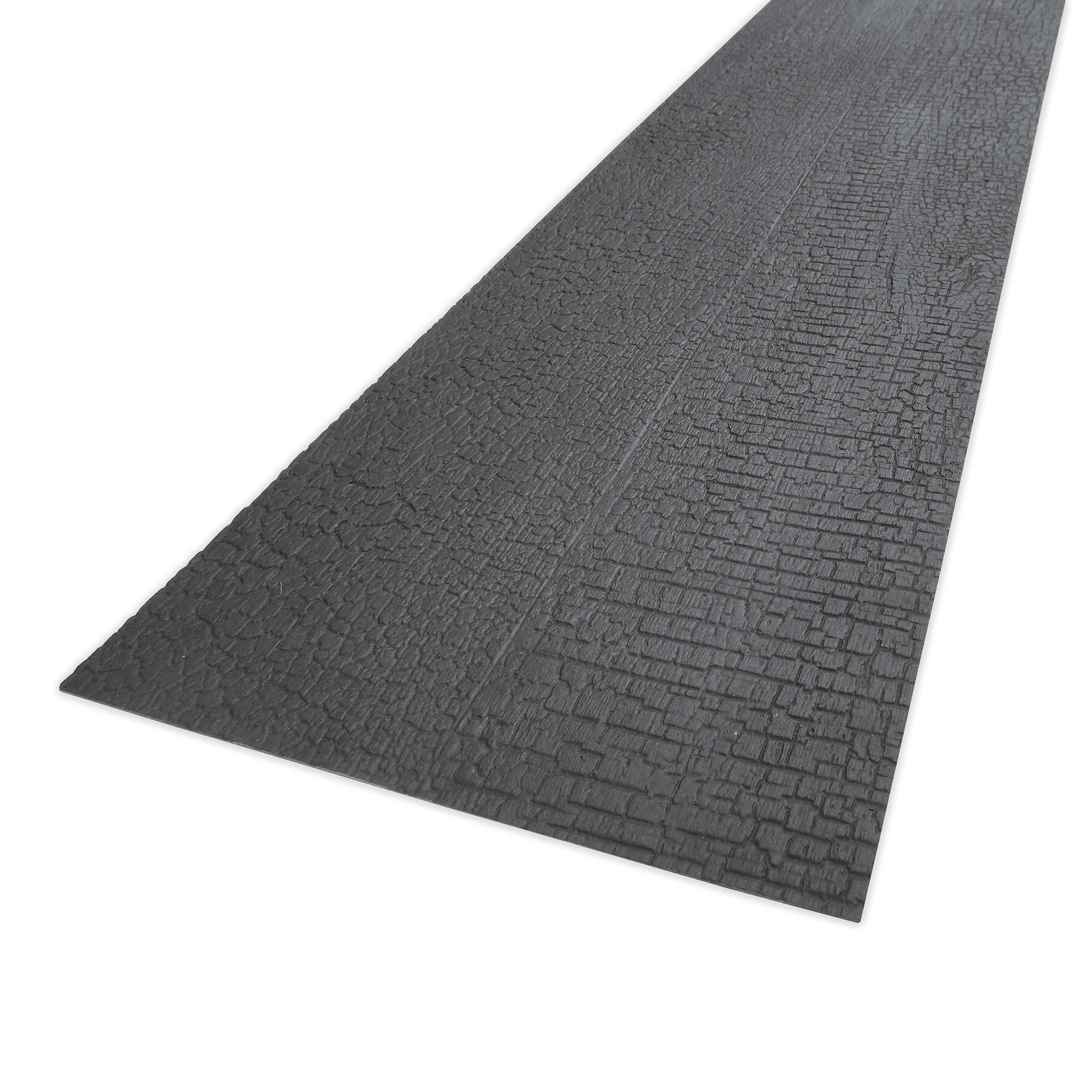
Let's talk about the look —because in retail, where first impressions last, aesthetics are everything. Charcoal burnt wood board is a masterclass in visual contrast and depth, offering elements that engage the eye and stir the senses.
Texture is where this material truly shines. Unlike smooth, polished surfaces that feel cold and distant, charcoal burnt wood invites interaction. Run a finger along its edge, and you'll feel the roughness of the charred layer, the slight give of the wood beneath, the way the grain rises and falls like a tiny mountain range. In a retail setting, this texture adds layers of interest: a wall clad in charcoal burnt wood doesn't just look dimensional—it feels like a place to explore. Imagine a clothing boutique where the changing room walls are wrapped in this wood; suddenly, trying on a dress becomes an experience, not a chore, because the space itself feels tactile and inviting.
Light amplifies this texture, turning static walls into dynamic canvases. Morning sunlight might highlight the deep grooves, casting shadows that shift as the day goes on. Warm overhead lights could make the amber undertones glow, softening the bold black surface. Even artificial LED lighting plays with the wood—cool tones emphasize the charcoal blacks, creating a moody, intimate vibe, while warm tones bring out the wood's natural warmth. It's a material that responds to its environment, ensuring the space never feels flat or static.
At first glance, you might think charcoal burnt wood is "just black." But look closer, and you'll discover a spectrum of hues. The burnt surface ranges from inky black to deep charcoal, but beneath that lies the wood's natural color—rich browns, warm chestnuts, even hints of red or gold, depending on the wood species. This duality is what makes it so versatile. It can anchor a space with its boldness, but it never feels heavy or oppressive because those warm undertones keep it grounded.
In retail design, color sets the mood. A cosmetics store might pair charcoal burnt wood with soft pastels to create contrast, making products pop against the dark backdrop. A high-end furniture shop could use it alongside metallic accents (think gold or brass fixtures) to add luxury without kitsch. Even in a casual café, it works—paired with creamy whites and natural linens, it creates a cozy, cabin-like atmosphere that makes customers want to linger. It's a chameleon, adapting to the brand's personality rather than dictating it.
Here's the secret most materials hide: they fade. Paints chip, laminates peel, woods lose their luster. But charcoal burnt wood board does the opposite—it improves with age. Over time, the surface develops a subtle patina, where the black tones mellow slightly, and the wood's natural character becomes more pronounced. Maybe a corner gets a little lighter from repeated touch, or a section near a window softens into a warm gray-brown. These "imperfections" aren't flaws—they're stories. They tell of the customers who leaned against the wall, the sunlight that streamed in daily, the life of the space itself.
For retailers, this aging process is a gift. It means the space evolves with the brand, growing more charming and authentic over the years. Unlike trendy materials that feel dated after a season, charcoal burnt wood board becomes a timeless backdrop, adapting as styles change but never losing its core appeal.
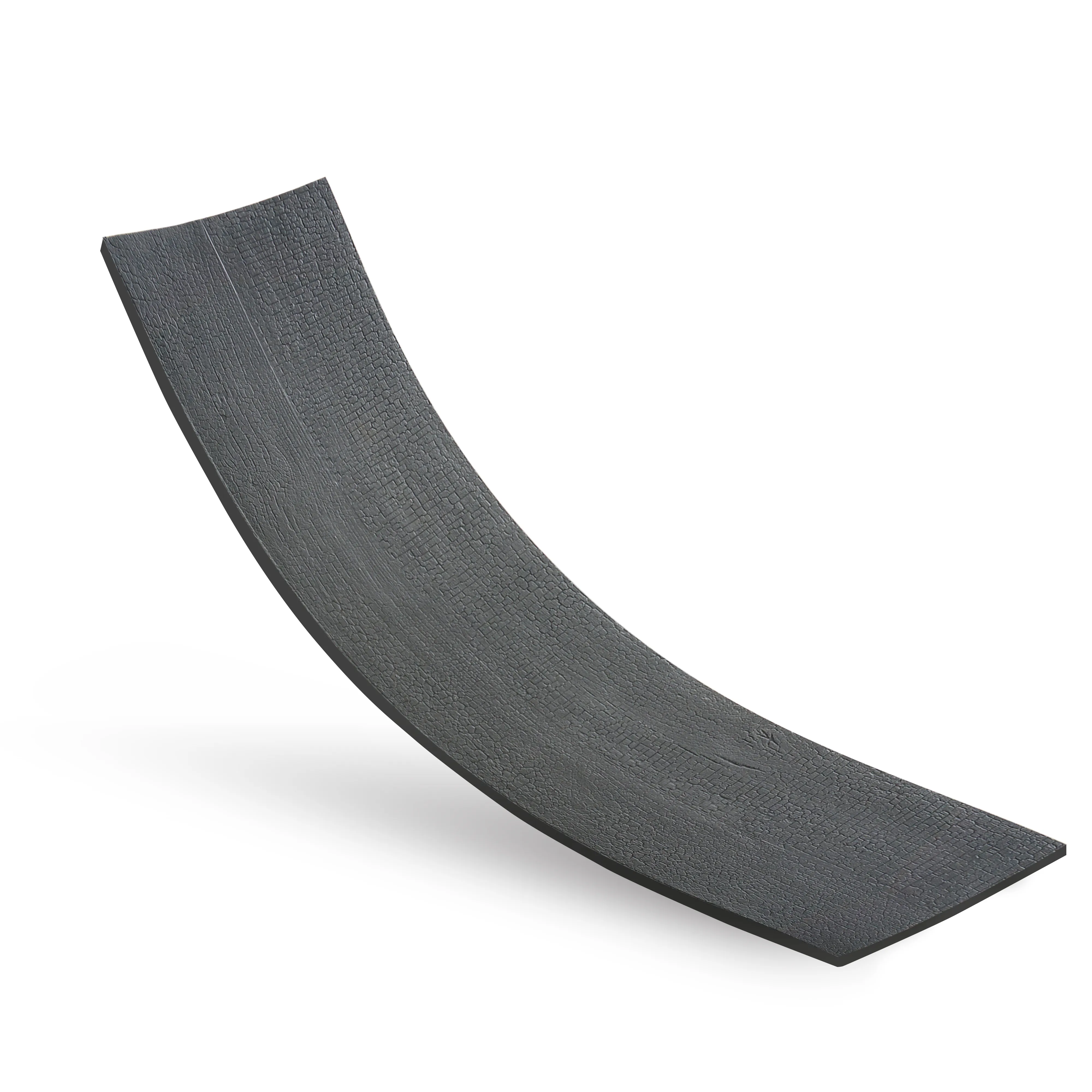
Aesthetic appeal is only half the equation—retail spaces need materials that can keep up with the chaos of daily life. Coffee spills, scuff marks, the constant shuffle of feet and shopping bags: durability matters. Here, charcoal burnt wood board shines, proving it's not just a pretty face.
Remember its origins? Shou sugi ban was designed to withstand the elements, and that resilience translates perfectly to retail. The burnt surface is naturally resistant to fire (ironic, given its creation), pests, and rot. Unlike untreated wood, it won't warp or crack easily, even in humid environments like boutiques or cafes. Spills? Wipe them up with a damp cloth—no staining, no fuss. Scuffs from chairs or shopping carts? They blend into the wood's textured surface, becoming part of its character rather than an eyesore.
This durability is a budget-saver, too. Retailers won't need to replace or refinish walls every few years, and maintenance is minimal. A quick seal every 3-5 years (depending on foot traffic) is all it takes to keep the wood protected—no harsh chemicals, no expensive treatments. It's a material that works as hard as the staff behind the counter.
Today's shoppers care about sustainability—and brands are taking notice. Charcoal burnt wood board aligns with this ethos beautifully. By extending the life of wood (thanks to its resistance to decay), it reduces the need for frequent replacements, cutting down on waste. Unlike pressure-treated wood, which relies on chemicals to resist pests, shou sugi ban uses only fire and natural sealants (like beeswax or plant-based oils), making it non-toxic and safe for indoor spaces.
For retailers, this sustainability story is a marketing tool. Imagine a brand that prides itself on eco-consciousness—displaying signs that explain the shou sugi ban process, highlighting the artisanal, low-waste production. It turns the material into a conversation starter, letting customers feel good about supporting a business that cares for the planet. In a world where transparency matters, charcoal burnt wood board doesn't just look good—it does good.
Charcoal burnt wood board is a team player—it shines brightest when paired with other materials that complement its boldness or soften its edge. For retailers, this versatility opens up endless design possibilities, whether you're going for industrial chic, bohemian warmth, or minimalist elegance. Let's explore a few pairings that work magic in retail spaces:
| Material Pairing | Aesthetic Effect | Retail Vibe |
|---|---|---|
| Wood Concrete Board | Charcoal burnt wood's organic texture balances wood concrete board's smooth, industrial finish. The wood adds warmth; the concrete adds edge. | Modern, urban boutiques or home decor stores aiming for a "raw luxury" feel. |
| Fair-Faced Concrete | Cool, gray concrete contrasts with the wood's warm undertones, creating a sleek, minimalist look with just enough texture. | High-end fashion stores or art galleries where the focus is on the products (or art) themselves. |
| Weaving (Khaki) | Soft, textured khaki weaving (think wall hangings, curtains, or upholstery) adds a bohemian, cozy layer to the wood's ruggedness. | Boutiques selling boho clothing, natural skincare, or artisanal home goods. |
Take, for example, a hypothetical café called "Burnt Timber & Brew." The walls are clad in charcoal burnt wood board, their rich black surface offset by wood concrete board countertops—smooth, gray, and subtly marbled. The bar stools have woven khaki seats, their soft texture inviting customers to linger. Sunlight streams through large windows, hitting the wood and concrete, creating a space that feels both industrial and homey. It's not just a place to grab coffee; it's a place to be .
Or picture a clothing boutique for sustainable fashion. Here, charcoal burnt wood board lines the fitting rooms, paired with fair-faced concrete floors. The contrast is striking: the wood's warmth makes the small space feel cozy, while the concrete keeps it modern and uncluttered. Nearby, a display shelf made of wood concrete board holds folded sweaters, their soft neutrals popping against the gray surface. It's a space that reflects the brand's values—sustainable, intentional, and beautiful.
Hana & Co., a boutique selling handmade jewelry and bohemian clothing, wanted a space that felt "like a friend's living room—warm, inviting, and full of stories." Their designer chose charcoal burnt wood board for the accent wall behind the cash register, pairing it with weaving (khaki) textiles draped from the ceiling and vintage wooden mannequins. The result? The burnt wood's rugged texture grounds the softness of the weaving, while the khaki tones bring out the wood's amber undertones. Customers often comment on how "cozy" the space feels—many stay to chat, not just shop. Sales have increased by 20% since the redesign, with customers citing the "unique atmosphere" as a key reason for returning.
Urban Edge, a store specializing in modern, minimalist furniture, needed a backdrop that would let their products shine without feeling cold. They opted for charcoal burnt wood board on one wall, paired with fair-faced concrete floors and wood concrete board shelving. The wood adds warmth to the concrete's coolness, while the clean lines of the concrete keep the space from feeling too rustic. The store's owner notes, "Customers used to rush through, but now they slow down. They touch the walls, comment on the texture—they're more engaged with the space, which means they're more engaged with our products."
Trends come and go, but materials that blend beauty, function, and authenticity stick around. Charcoal burnt wood board is one of those rare finds. It carries the weight of tradition but feels fresh and modern. It's bold enough to make a statement but versatile enough to adapt to any brand's voice. It's durable enough for the chaos of retail but beautiful enough to turn a store into a destination.
For retailers, it's more than a wall covering—it's a tool to connect. It says, "We care about craft. We care about sustainability. We care about you ." In a world where shopping is often reduced to clicks and carts, that connection is priceless.
So the next time you walk into a retail space and feel an pull—maybe it's the way the light hits the walls, or the texture under your hand—take a closer look. Chances are, you're standing in the presence of charcoal burnt wood board: a material that doesn't just decorate spaces, but transforms them. And isn't that what great retail is all about?
Recommend Products












