
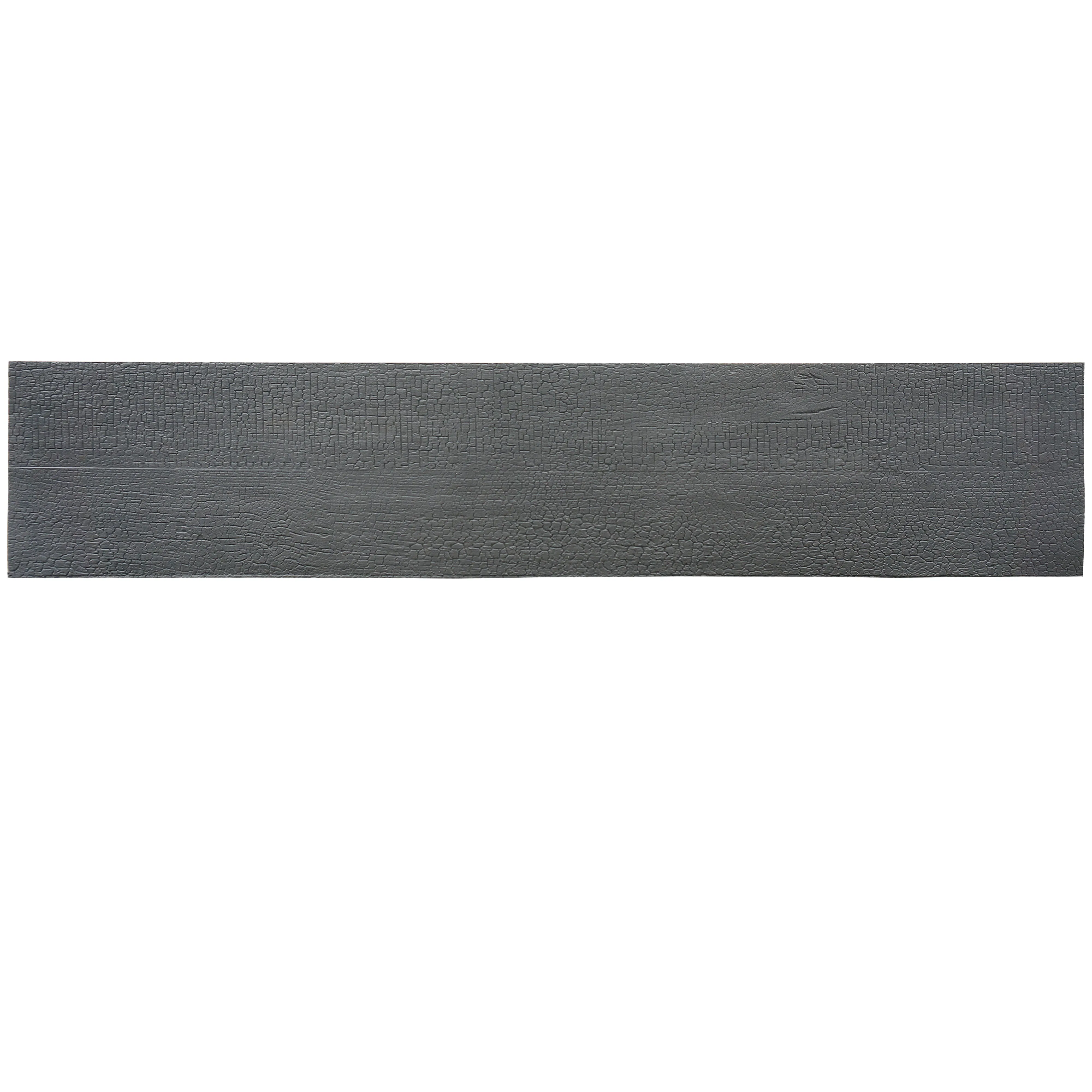
Walk through the sunlit streets of Riyadh, and you'll notice a silent battle unfolding on the facades of buildings. The harsh Saudi Arabian sun beats down relentlessly, sandstorms sweep through with gritty force, and occasional rains—though rare—carry subtle hints of acidity. For decades, builders here have struggled with a simple question: what materials can truly stand the test of this unforgiving climate? Wood, once a beloved choice for its warmth, often warps or rots within years. Concrete, while sturdy, can crack under extreme temperature swings. Even natural stone, like travertine, sometimes fades or erodes when exposed to the region's unique pH conditions. Enter charcoal burnt wood board—a material that's not just redefining durability but also mastering the art of pH adaptation in Saudi Arabia's challenging environment.
To understand why charcoal burnt wood board is gaining traction, we first need to appreciate the hurdles Saudi Arabia's climate throws at construction materials. Let's break it down:
Temperature Extremes: Summer temperatures regularly soar above 45°C (113°F), with some inland areas hitting 50°C (122°F). In winter, nights can drop to 5°C (41°F) in cities like Riyadh. This constant expansion and contraction stress materials, weakening their structure over time.
Humidity and Rainfall: Coastal cities like Jeddah face high humidity (up to 85% in summer), creating a breeding ground for mold and mildew. Inland, humidity is low, but when rain does come—usually brief, intense showers—it's often slightly acidic due to dust and pollutants. This acidity can eat away at porous materials.
Soil and Air pH: Saudi Arabia's soil varies widely, from alkaline desert sands (pH 7.5–8.5) to slightly acidic coastal soils. Meanwhile, air pollutants from urban areas can make dew or light rain slightly acidic (pH 5.6–6.0). For materials in direct contact with soil or exposed to the elements, these pH levels are silent enemies.
Traditional wood, for example, absorbs moisture from humid air or rain, allowing fungi to thrive in its pores. Over time, this leads to rot. Even treated wood often succumbs because the treatments can break down under UV radiation. Concrete, while alkaline, can react with acidic rainwater, leading to "carbonation"—a process that weakens its structural integrity. So, what makes charcoal burnt wood board different?
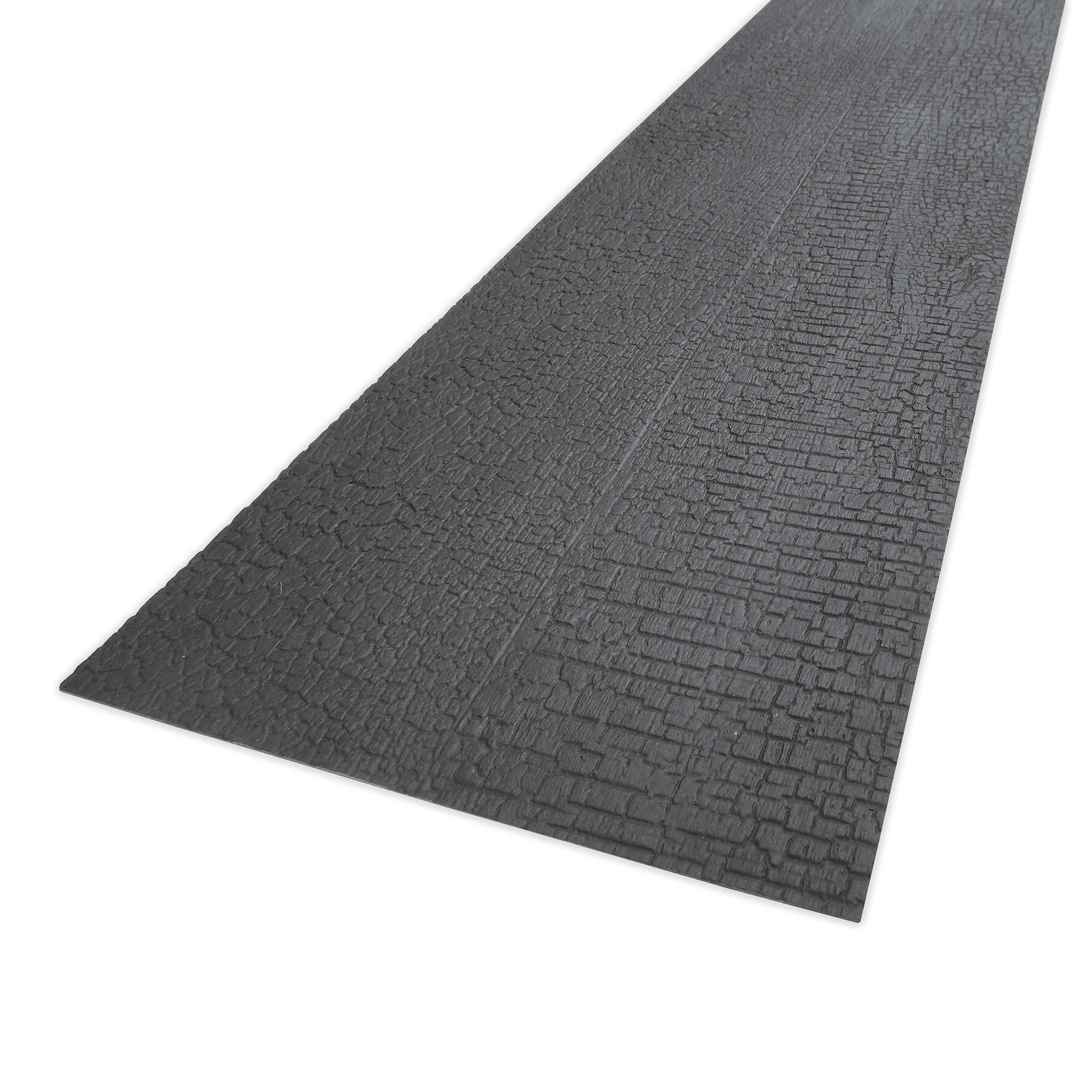
At first glance, charcoal burnt wood board might look like any other wood panel, but its surface tells a story of intentional transformation. The process, rooted in ancient techniques (think Japanese shou sugi ban , where wood is charred to resist fire and pests), has been modernized for today's construction needs. Here's how it works:
Wood planks—often sourced from durable species like cedar or pine—are subjected to controlled charring. Using high heat (around 200–300°C), the surface layer of the wood is burned to a deep, rich charcoal. This charring isn't random; it's precise, leaving the inner wood intact while creating a protective outer shell. The result? A board that's dark, textured, and surprisingly resilient.
Historically, charring was valued for fire resistance and pest deterrence. But modern manufacturers have taken it further, optimizing the process to enhance pH resistance —a feature tailor-made for regions like Saudi Arabia. Let's dive into why that matters.
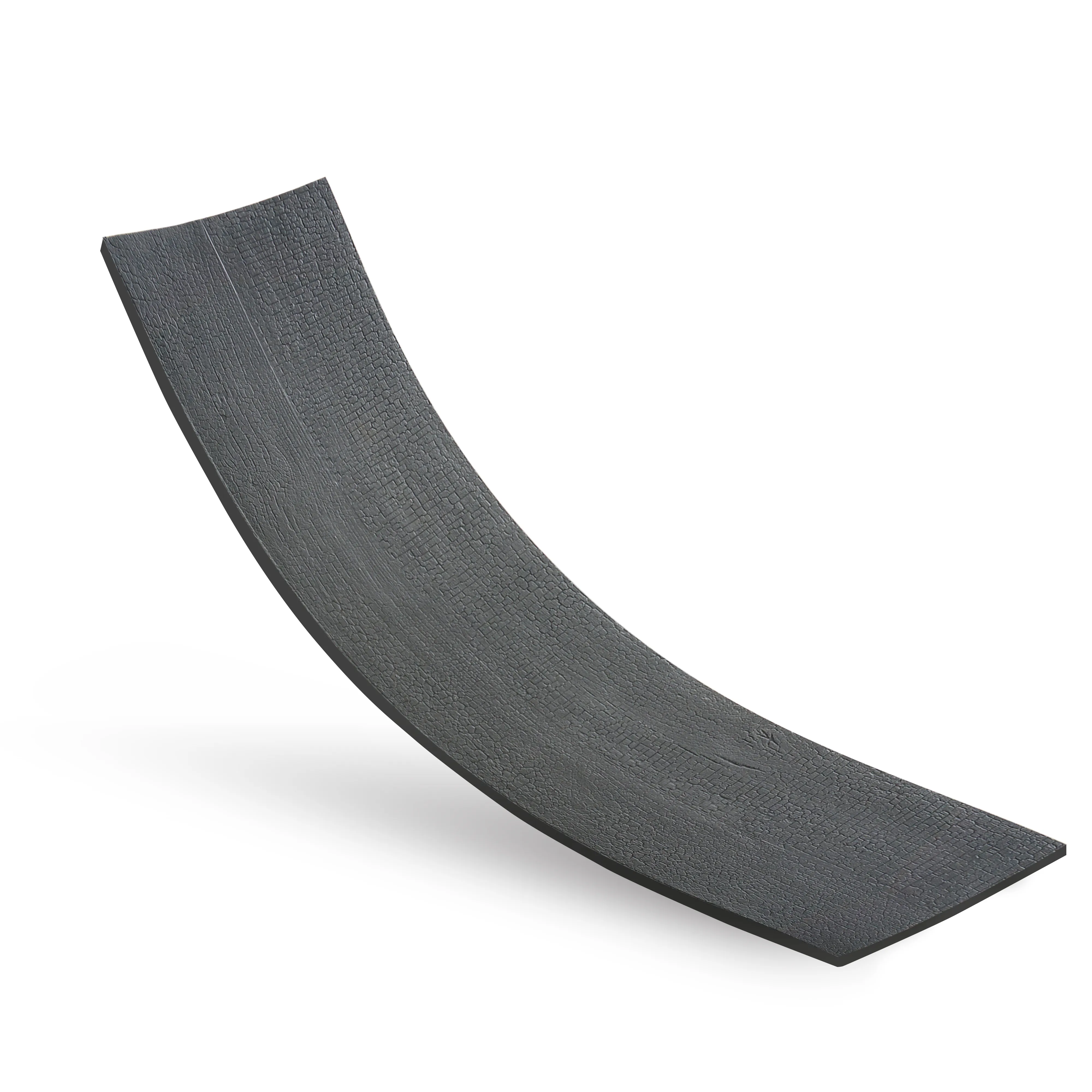
pH, a measure of acidity or alkalinity, ranges from 0 (highly acidic) to 14 (highly alkaline). For building materials, staying stable across this spectrum is key to longevity. Here's how charcoal burnt wood board excels:
The Charred Surface: A Natural Alkaline Barrier When wood is charred, its surface undergoes a chemical change. The charred layer is rich in carbonates and hydroxides, giving it a naturally high pH (around 9–10—slightly alkaline). This alkalinity acts as a shield against acidic elements, like mild acid rain or dew. Acidic substances (pH <7) react with alkaline materials, neutralizing each other. So, when a light acid rain droplet hits the charred surface, the board's alkalinity neutralizes the acid, preventing it from penetrating the wood.
Reduced Porosity, Reduced Risk Charring also seals the wood's pores. Unburnt wood is porous, absorbing moisture and allowing acids to seep in. The charred layer, however, is dense and less permeable. This means less water absorption, fewer opportunities for mold growth, and a lower risk of acid-induced decay.
Resistance to Alkaline Soils In Saudi Arabia's desert regions, soil is often alkaline (pH 8.0+). Traditional wood buried or in contact with such soil can suffer from "alkaline hydrolysis," where wood fibers break down. Charcoal burnt wood board's alkaline surface, however, is already adapted to high pH environments. It doesn't react negatively with alkaline soil, making it ideal for outdoor applications like decking, fences, or ground-level cladding.
To truly appreciate charcoal burnt wood board's pH adaptation, let's compare it to two common alternatives in Saudi Arabia: fair-faced concrete and travertine (starry green). The table below breaks down their performance in key areas:
| Material | pH Resistance (Acid/Alkaline) | Durability in High Heat | Moisture Absorption | Aesthetic Appeal |
|---|---|---|---|---|
| Charcoal Burnt Wood Board | High: Alkaline surface neutralizes acids; resists alkaline soils | Excellent: Charred layer insulates inner wood from heat | Low: Sealed pores reduce moisture uptake | Warm, textured, natural look; ages gracefully |
| Fair-Faced Concrete | Moderate: Alkaline but prone to carbonation from acid rain | Good: Heat-resistant but can crack from expansion/contraction | Moderate: Porous; may absorb moisture and harbor mold | Industrial, sleek; can fade or stain over time |
| Travertine (Starry Green) | Low: Highly porous; acidic rain causes pitting and discoloration | Good: Heat-resistant but prone to fading under UV light | High: Very porous; requires regular sealing to repel moisture | Elegant, natural stone look; but high maintenance |
The table tells a clear story: while fair-faced concrete and travertine have their merits, charcoal burnt wood board outperforms them in pH resistance and moisture control—two critical factors in Saudi Arabia. Its natural warmth also adds an aesthetic dimension that concrete and stone often lack, making it a favorite for designers aiming to balance durability with beauty.
Charcoal burnt wood board isn't just a lab-tested material—it's already making waves in Saudi Arabia's construction scene. Take, for example, a residential villa project in north Riyadh. The architects wanted an outdoor deck that could withstand the summer heat and occasional rain without warping. They chose charcoal burnt wood board, and after two years, the deck remains stable, with no signs of rot or discoloration. The homeowner notes, "We were worried about maintenance, but we've only had to hose it down occasionally. It still looks as rich and dark as the day it was installed."
In Jeddah, a beachfront café used charcoal burnt wood board for its exterior cladding. Despite the high humidity and salt-laden air, the boards have resisted mold and retained their texture. "We wanted something that felt warm and inviting, even in the harsh coastal climate," says the café owner. "Traditional wood would have needed constant staining and repairs. This stuff just works."
While charcoal burnt wood board shines on its own, it often pairs beautifully with another innovative material: MCM flexible stone. MCM (Modified Composite Material) flexible stone is a lightweight, durable cladding option that mimics the look of natural stone but with enhanced flexibility and weather resistance. Together, they address two key needs in Saudi construction: durability and design versatility.
For example, a commercial building in Dammam combined charcoal burnt wood board for its wooden accents (balconies, trim) with MCM flexible stone for the main facade. The wood adds warmth, while the MCM stone provides a sleek, modern backdrop. Both materials are pH-resistant—MCM stone's composite structure resists acid rain, while the wood handles alkaline soils. The result? A building that's both striking and built to last.
Saudi Arabia's construction industry is evolving, with a growing focus on sustainability and longevity. Charcoal burnt wood board, with its natural pH adaptation, isn't just a trend—it's a solution rooted in science and tested by the region's toughest conditions. It combines the timeless beauty of wood with the resilience needed to thrive in heat, humidity, and varying pH levels. Whether used alone or paired with materials like MCM flexible stone, it's proving that durability and aesthetics don't have to be mutually exclusive.
As more architects and builders in Saudi Arabia discover its benefits, we can expect to see charcoal burnt wood board gracing more facades, decks, and outdoor spaces. It's a material that doesn't just survive the Saudi climate—it embraces it, turning challenges like pH fluctuations into opportunities for innovation. In a country where the environment is as bold as its vision, charcoal burnt wood board is more than a building material; it's a partner in building a resilient future.
Recommend Products












