
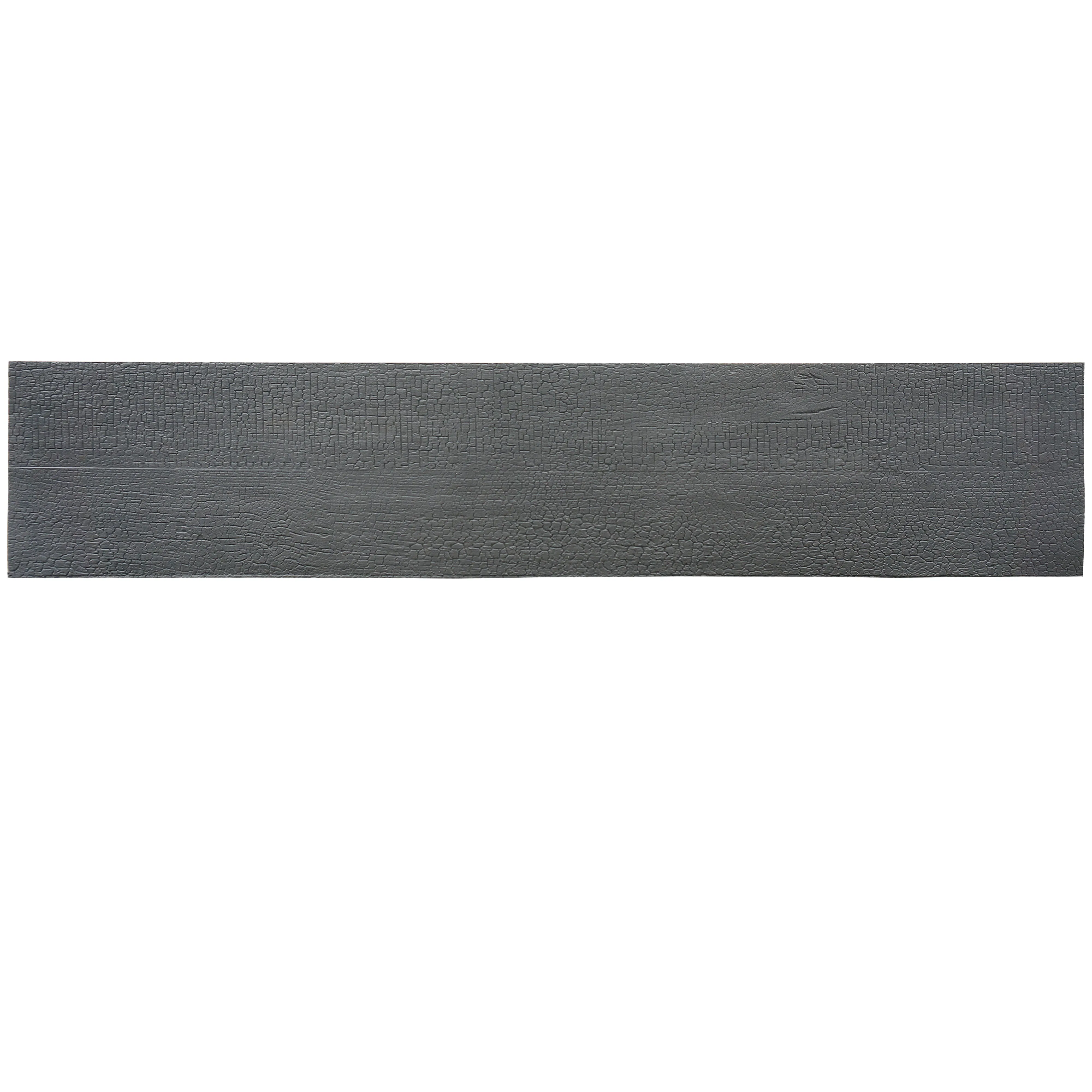
Walk onto any modern construction site these days, and you're likely to hear the buzz: "Have you used Charcoal Burnt Wood Board yet?" It's not hard to see why. With its rich, smoky (texture) that brings warmth to both commercial facades and residential interiors, this material has become a go-to for contractors aiming to blend rustic charm with contemporary durability. But here's the thing—for all its visual appeal, Charcoal Burnt Wood Board has a quiet secret that can turn a smooth installation into a costly headache: pH.
I've talked to dozens of contractors over the years, and the story often goes like this: They spend weeks prepping the site, carefully measuring and cutting each board, only to notice a few months later that the wood has started to discolor, or the sealant is peeling, or worst of all, the adjacent materials—like that sleek fair-faced concrete wall they paired it with—are reacting in ways no one anticipated. More often than not, the culprit isn't shoddy craftsmanship or low-quality materials. It's pH imbalance.
For contractors, understanding pH isn't just about chemistry class flashbacks. It's about protecting your reputation, avoiding callbacks, and ensuring the projects you build stand the test of time. In this article, we're diving deep into the world of pH considerations for Charcoal Burnt Wood Board installation—why it matters, what can go wrong, how to test for it, and the practical steps you can take to keep your installations looking sharp for years to come. Let's start by breaking down what makes this material unique, and why pH is the unsung hero (or villain) of its performance.
Before we get into the nitty-gritty of pH, let's make sure we're all on the same page about the star of the show. Charcoal Burnt Wood Board—sometimes called Shou Sugi Ban, after the traditional Japanese technique that inspired it—is wood that's been treated by burning the surface to create a layer of carbon. This process isn't just for looks (though the deep, charred finish is undeniably striking); it also makes the wood highly resistant to rot, pests, and fire. That's why it's exploded in popularity for exteriors like siding and fencing, as well as interior accent walls and ceilings.
But here's where it gets tricky: the burning process alters the wood's natural chemistry. Unlike untreated wood, which has a pH that's generally slightly acidic (around 4.5 to 6.0), charred wood can swing in either direction depending on the type of wood, the intensity of the burn, and the post-treatment steps (like brushing off excess char or applying a sealant). Some charred woods lean acidic; others, especially if the burn is uneven or the wood is from a species with high mineral content, might edge toward neutral or even slightly alkaline. And that variability? That's where pH becomes a critical factor for installers.
Think about it: when you're installing Charcoal Burnt Wood Board, you're rarely using it in isolation. It's glued to substrates, sealed with coatings, and surrounded by other materials—like the wood concrete board you might use as a backing, or the rough granite stone countertop that butts up against it in a kitchen reno, or even the travertine (beige) tile that sits below it on a bathroom wall. Each of these materials has its own pH profile, and when they interact, they can throw off the balance, leading to issues that show up months (or even years) after installation.
Take fair-faced concrete, for example—a material many contractors love for its industrial, raw look. Fresh concrete is highly alkaline, with a pH that can soar above 12. If you install Charcoal Burnt Wood Board directly against it without a barrier, that alkalinity can leach into the wood over time, breaking down the carbon layer and causing discoloration or even structural weakening. On the flip side, if the charred wood is too acidic, it can corrode metal fasteners or react with alkaline adhesives, leading to bond failure. It's a delicate dance, and the first step to mastering it is understanding what pH actually does in the context of your installation.
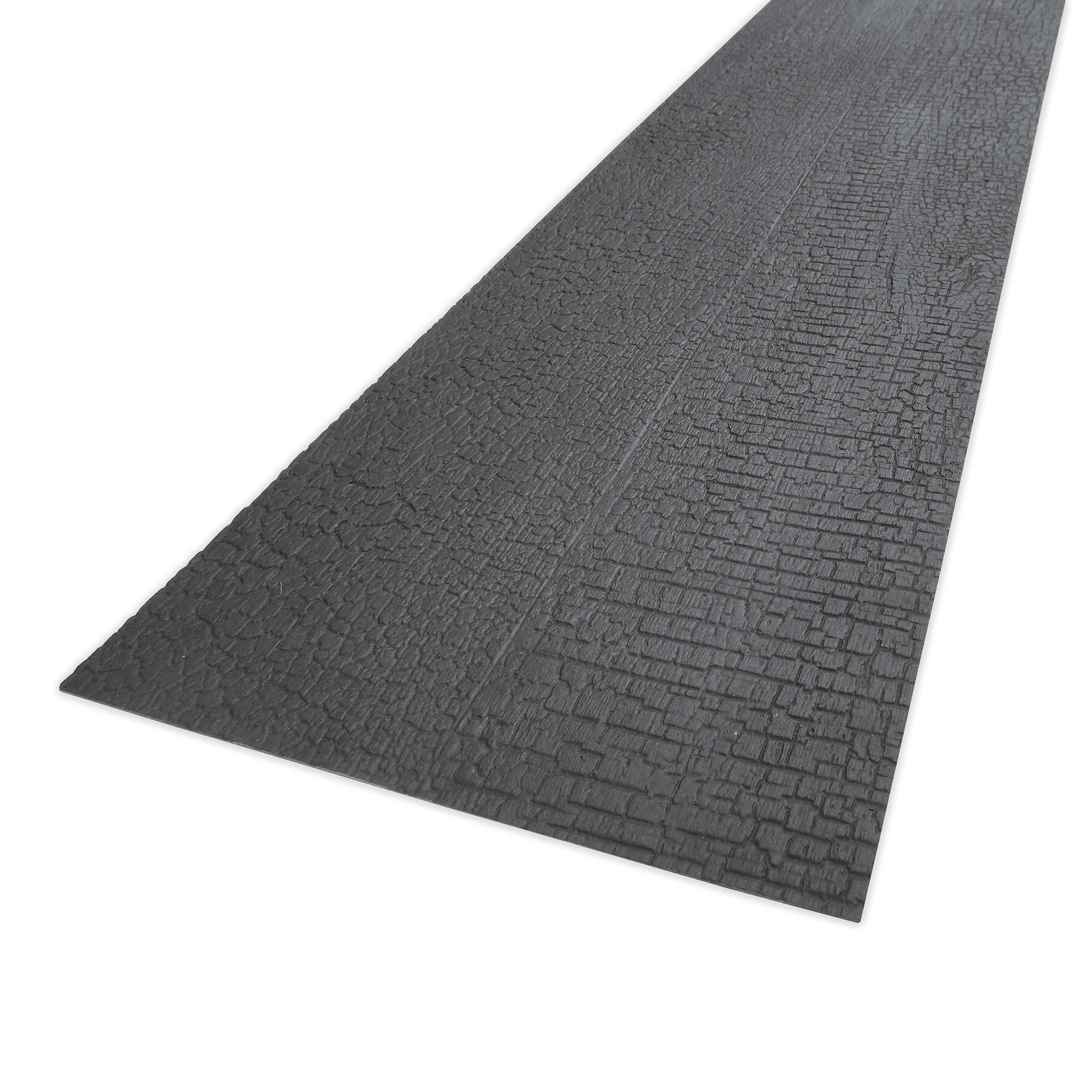
Let's keep this simple: pH is a measure of how acidic or alkaline a substance is, on a scale from 0 (highly acidic) to 14 (highly alkaline). Neutral is 7. Now, why does this matter for your Charcoal Burnt Wood Board installation? Because pH affects everything from how well adhesives stick to how the wood ages, to how it interacts with the elements.
Let's start with adhesion. Most contractors rely on construction adhesives or mortar to secure Charcoal Burnt Wood Board to substrates like wood concrete board or plywood. Adhesives are formulated to work within specific pH ranges. If the wood's pH is too far outside that range—say, the wood is highly acidic (pH 3.0) and the adhesive is designed for neutral substrates (pH 6.5–7.5)—the chemical reaction that makes the adhesive bond might not happen. Instead of a strong hold, you get a weak bond that could fail when the wood expands or contracts with temperature changes. I've heard horror stories of entire accent walls peeling away from the substrate six months after installation, and more often than not, pH mismatch was the root cause.
Then there's discoloration. Charcoal Burnt Wood Board's appeal lies in its deep, consistent color—but pH imbalances can throw that off. Alkaline substances (like runoff from fair-faced concrete) can react with the carbonized layer, turning it a patchy gray or even a sickly green. Acidic conditions, on the other hand, might leach color from the wood, leaving lighter spots or streaks. Imagine installing a feature wall in a restaurant, only to have the client call you back three months later asking why half the boards look like they've been bleached. Not a conversation anyone wants to have.
Pest and rot resistance is another casualty of pH issues. Remember, the charring process is supposed to make the wood pest-resistant, but if the pH is off, that protection can break down. For example, wood with a pH that's too high (alkaline) can attract certain types of fungi that thrive in alkaline environments, undoing the fire and rot resistance you paid for. And if the wood absorbs moisture because the sealant failed (thanks to pH-incompatible sealant), you're looking at warping, cupping, or even mold—all of which eat into your profit margin and reputation.
Finally, there's the matter of adjacent materials. Let's say you're installing Charcoal Burnt Wood Board as a backsplash next to a rough granite stone countertop. Granite is generally neutral to slightly alkaline, but some varieties (like portoro granite, though we're focusing on rough granite stone here) can have trace minerals that leach into the wood if there's direct contact and moisture. Similarly, travertine (beige), a popular flooring material, is a type of limestone that's naturally alkaline. If water gets between the travertine and the wood, that alkalinity can migrate upward, causing the wood to degrade from the bottom up. It's not just about the wood itself—it's about the entire ecosystem of materials in your installation.
The bottom line? pH isn't a "nice-to-know" metric. It's a "must-know" if you want your Charcoal Burnt Wood Board installations to hold up, look good, and keep your clients happy. Now, let's talk about how to actually test for pH on the job site—no lab coat required.
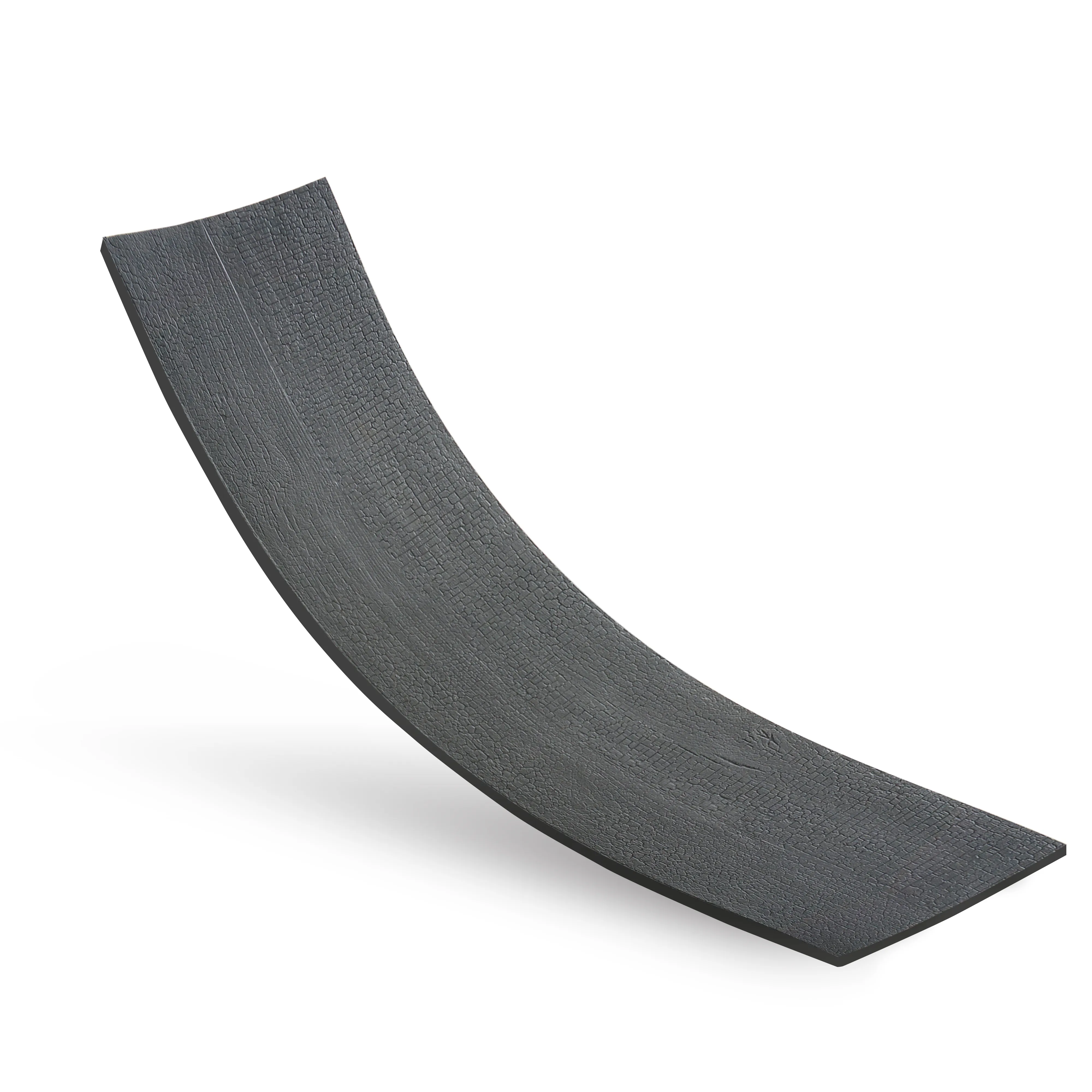
You don't need a chemistry degree to test pH on the job site. In fact, the tools you need are probably already in your truck or can be picked up at any hardware store for less than $20. Let's walk through the process step by step, so you can start testing like a pro before the first board goes up.
Start with the material you're installing. Take a sample board (always test a few boards from different batches—manufacturing can vary) and lightly sand a small, inconspicuous area (the back or an edge) to remove any surface sealant or debris. Then, spray or (dropper) a few drops of distilled water onto the sanded area. Let it sit for 60–90 seconds to allow the water to absorb and interact with the wood's chemistry.
Next, press a pH test strip onto the wet area, making sure the strip is fully saturated. Hold it there for 10–15 seconds, then compare the color to the chart on the test strip package. Note the pH reading. For Charcoal Burnt Wood Board, you ideally want a pH between 5.5 and 7.5—slightly acidic to neutral. Readings below 5.0 mean it's too acidic; above 8.0, too alkaline.
Now, move on to the materials that will touch or be near the Charcoal Burnt Wood Board. Let's say you're installing it over wood concrete board—test that substrate. For fair-faced concrete walls, test the surface (if it's cured; fresh concrete will be highly alkaline, so wait until it's fully cured, usually 28 days). For rough granite stone countertops or travertine (beige) flooring, test a small area of the material that will be adjacent to the wood.
The process is similar: dampen the material with distilled water, let it sit, then apply the test strip. For wood concrete board, aim for a pH between 6.0 and 8.0. Fair-faced concrete, once cured, should be around 8.0–10.0 (still alkaline, but less so than fresh). Rough granite stone is typically 6.0–7.5 (neutral), and travertine (beige) is usually 7.5–9.0 (mildly alkaline). The key is to check for extremes—if the concrete is still 12.0 after curing, or the travertine is 10.0, you'll need to take extra precautions.
Don't forget the products you'll use to install and finish the wood. Most adhesives and sealants list their pH on the technical data sheet (TDS), but it's worth testing them yourself, especially if you're using a new brand. To test a sealant, apply a small bead to a piece of glass or plastic, let it cure according to the instructions, then dampen it with distilled water and test with a strip. Adhesives can be tested similarly—apply a small amount to a non-porous surface, let it set, then test.
You want adhesives and sealants that are pH-neutral (6.5–7.5) when cured, to avoid reacting with the wood. If the adhesive is too acidic (pH <5.5) or too alkaline (pH >8.5), it will interact with the wood's pH, leading to the issues we talked about earlier—bond failure, discoloration, etc.
Wood is a natural material, so pH can vary even within the same batch. Test at least 3–5 boards from different parts of the shipment. Similarly, concrete walls might have varying pH levels if the mix was inconsistent, or if there are efflorescence (white, powdery deposits) which indicate high alkalinity. The more data points you have, the better you can plan for mitigation.
Now that you know how to test, let's look at what to do when the numbers are outside the ideal range. Because let's be real—no job site is perfect, and you'll rarely get all materials to hit the "ideal" pH sweet spot. The good news is, there are simple strategies to mitigate pH issues and keep your installation on track.
So you've run your tests, and the numbers are… not ideal. Maybe the Charcoal Burnt Wood Board is sitting at pH 4.0 (too acidic), or the fair-faced concrete wall is still 11.0 (way too alkaline). Don't panic—this is where your problem-solving skills as a contractor shine. Let's break down the most effective ways to mitigate pH imbalances, depending on what you're dealing with.
If your wood is too acidic, the goal is to neutralize it without damaging the charred finish. Start with a pH-neutralizing sealer. Look for sealants labeled "acid-neutralizing" or "pH-balancing," usually water-based acrylics or polyurethanes with a pH between 6.5–7.5. Apply a thin coat to the entire surface (and edges!) of the boards before installation. This creates a barrier that stabilizes the wood's pH and prevents acid from leaching into adhesives or adjacent materials.
Avoid oil-based sealants here—they can react with acidic wood, causing discoloration. And skip vinegar or other home remedies for neutralizing acid; they're unpredictable and can damage the charred layer. Stick to commercial sealants designed for wood, and always test the sealant on a scrap board first to ensure it doesn't alter the color or texture.
When it comes to adhesives, opt for alkaline or neutral adhesives to counteract the wood's acidity. Look for products with a pH of 7.0–8.0. For example, polyurethane adhesives are often neutral and work well with slightly acidic woods. Avoid acidic adhesives (like some contact cements), which will only make the problem worse.
Alkaline wood is less common, but it happens—usually due to over-burning or wood species with high mineral content (like oak or ash). To tackle this, use an acidic primer or conditioner before sealing. These products (often labeled "wood brighteners" or "acid conditioners") lower the pH gently without stripping the charred layer. Apply them according to the manufacturer's instructions, then test the pH again after 24 hours—you should see it drop into the 6.0–7.5 range.
Adhesives for alkaline wood should be slightly acidic to neutral (pH 5.5–7.0). Epoxy-based adhesives are a good choice here, as they're often pH-neutral and bond well to alkaline surfaces. Just make sure to apply them in thin, even layers—too much adhesive can trap moisture, which exacerbates pH issues.
Fair-faced concrete and travertine (beige) are the usual suspects here. To prevent their alkalinity from migrating into the Charcoal Burnt Wood Board, install a physical barrier between them. A thin sheet of polyethylene (6-mil or thicker) works well for vertical applications (like between concrete walls and wood siding). For horizontal applications (like between travertine flooring and wood baseboards), use a pH-neutral foam backer rod or a layer of felt paper treated with a pH-neutral sealant.
Another trick for concrete: apply a concrete sealer designed to reduce alkalinity. These sealers (often silane or siloxane-based) penetrate the concrete and block the migration of alkaline salts. Apply two coats, allowing 24 hours between coats, and test the pH again before installing the wood. For travertine, a penetrating sealer (specifically for natural stone) will help lock in its pH and prevent moisture absorption.
Wood concrete board is a popular substrate because it's strong and moisture-resistant, but its pH can vary. If your test shows it's too acidic or alkaline, treat it with a primer that matches the wood's pH. For example, if the wood is slightly acidic (pH 5.5) and the wood concrete board is 8.0 (alkaline), use an acidic primer on the substrate to balance it out. Alternatively, use a decoupling membrane (like those used in tile installations) to separate the wood from the substrate entirely, preventing direct chemical interaction.
No matter what other steps you take, finish the Charcoal Burnt Wood Board with a pH-neutral sealant. This acts as the final barrier, protecting the wood from environmental factors (rain, humidity, cleaning products) that can alter pH over time. Look for sealants labeled "pH-neutral" or "for use on charred wood," and reapply every 2–3 years (or as recommended by the manufacturer) to maintain protection. Avoid power washing the wood—high-pressure water can strip the sealant and disrupt the pH balance. Instead, clean with a soft brush and mild, pH-neutral soap.
By now, you might be thinking, "This sounds like a lot of extra steps." And it is—but consider the alternative: callbacks, repairs, and unhappy clients. A little extra time upfront to test and mitigate pH issues will save you weeks of headaches (and lost income) later. To drive this home, let's look at two real-world scenarios (based on conversations with contractors I've worked with) where pH was either ignored… or prioritized.
Mike, a contractor in Colorado, was hired to install a Charcoal Burnt Wood Board accent wall in a new farm-to-table restaurant. The design called for the wood to be installed directly over a fair-faced concrete wall (which had been cured for only 14 days, not the full 28) and paired with travertine (beige) flooring. Mike skipped pH testing, figuring "concrete is concrete" and the wood was "pre-sealed, so it's fine."
Three months after opening, the restaurant owner called Mike in a panic: the wood boards closest to the concrete wall were streaked with light gray lines, and the area above the travertine flooring was discolored, with some boards starting to warp. Mike tested the pH on-site and found the concrete was still 11.5 (way too alkaline), the travertine was 9.0, and the wood's pH had spiked to 8.5 in the affected areas. The pre-sealed wood hadn't been tested, and the sealant was oil-based—reacting with the alkaline concrete to break down, allowing moisture and alkalinity to seep in.
Mike had to replace 20% of the boards, install a polyethylene barrier between the concrete and wood, and reseal the entire wall with a pH-neutral sealer. The cost? Over $3,000 in materials and labor, plus a hit to his reputation. "I learned the hard way that 'good enough' doesn't cut it with this stuff," he told me. "Now I test pH on every job, no exceptions."
Contrast that with Sarah, a contractor in coastal Carolina, who installed Charcoal Burnt Wood Board siding on a beach house. Knowing coastal environments are harsh (salt air, high humidity), Sarah tested the wood (pH 6.0), the plywood substrate (pH 6.5), and the adjacent fair-faced concrete foundation (pH 9.0 after 28-day cure). She applied a pH-neutral primer to the concrete, installed a polyethylene barrier, and used a polyurethane adhesive (pH 7.0) to secure the wood.
Six months later, the area was hit by a Category 2 hurricane, with 100+ mph winds and driving rain. When Sarah checked on the house afterward, the siding was intact—no warping, no discoloration, no mold. The homeowner was thrilled, and Sarah got referrals from three other homeowners in the neighborhood. "It took an extra day to test and prep, but that day saved me from a disaster," she said. "Now my clients ask for pH testing as part of the quote."
The takeaway? pH testing and mitigation aren't optional—they're part of doing quality work. And with that, let's wrap up with some best practices to keep in mind for every Charcoal Burnt Wood Board installation.
To make it easier to plan your installations, here's a quick reference table comparing the typical pH ranges of Charcoal Burnt Wood Board and other materials you're likely to work with. Remember, these are averages—always test on-site for exact readings!
| Material | Typical pH Range | Compatibility with Charcoal Burnt Wood Board (Ideal pH 5.5–7.5) | Key Considerations |
|---|---|---|---|
| Charcoal Burnt Wood Board | 5.0–8.0 (varies by burn intensity) | Ideal: 5.5–7.5 | Test each batch; seal with pH-neutral sealant. |
| Fair-Faced Concrete (Cured) | 8.0–10.0 | Moderate (alkaline; use barrier) | Apply alkalinity-reducing sealer; install polyethylene barrier. |
| Wood Concrete Board | 6.0–8.0 | High (neutral to slightly alkaline) | Test substrate pH; use compatible primer if needed. |
| Rough Granite Stone | 6.0–7.5 | High (neutral) | Generally safe; seal to prevent mineral leaching. |
| Travertine (Beige) | 7.5–9.0 | Moderate (mildly alkaline) | Use stone sealer; install barrier for horizontal contact. |
Before we wrap up, let's distill everything into a quick checklist you can keep in your truck or save to your phone. Print it out, tape it to your toolbox—whatever works to make sure you don't skip these steps:
By following these steps, you'll not only avoid pH-related disasters but also position yourself as a contractor who cares about the details—the kind of contractor clients recommend and come back to.
Charcoal Burnt Wood Board is more than just a pretty face—it's a durable, versatile material that can elevate any project. But like any material, it has its quirks, and pH is chief among them. By taking the time to test, understand, and mitigate pH issues, you're not just protecting your work—you're protecting your reputation as a skilled, detail-oriented contractor.
Remember, the contractors who stand out aren't the ones who cut corners—they're the ones who anticipate problems before they happen. pH testing might seem like one more thing on an already long to-do list, but it's the kind of "one more thing" that turns a good installation into a great one. And in an industry where word of mouth is everything, great installations are what keep the phone ringing.
So the next time you're getting ready to install Charcoal Burnt Wood Board, grab those test strips, check the pH, and breathe easy knowing you've done everything to ensure that beautiful, charred finish stays looking its best for years to come. Your clients (and your bottom line) will thank you.
Recommend Products












