
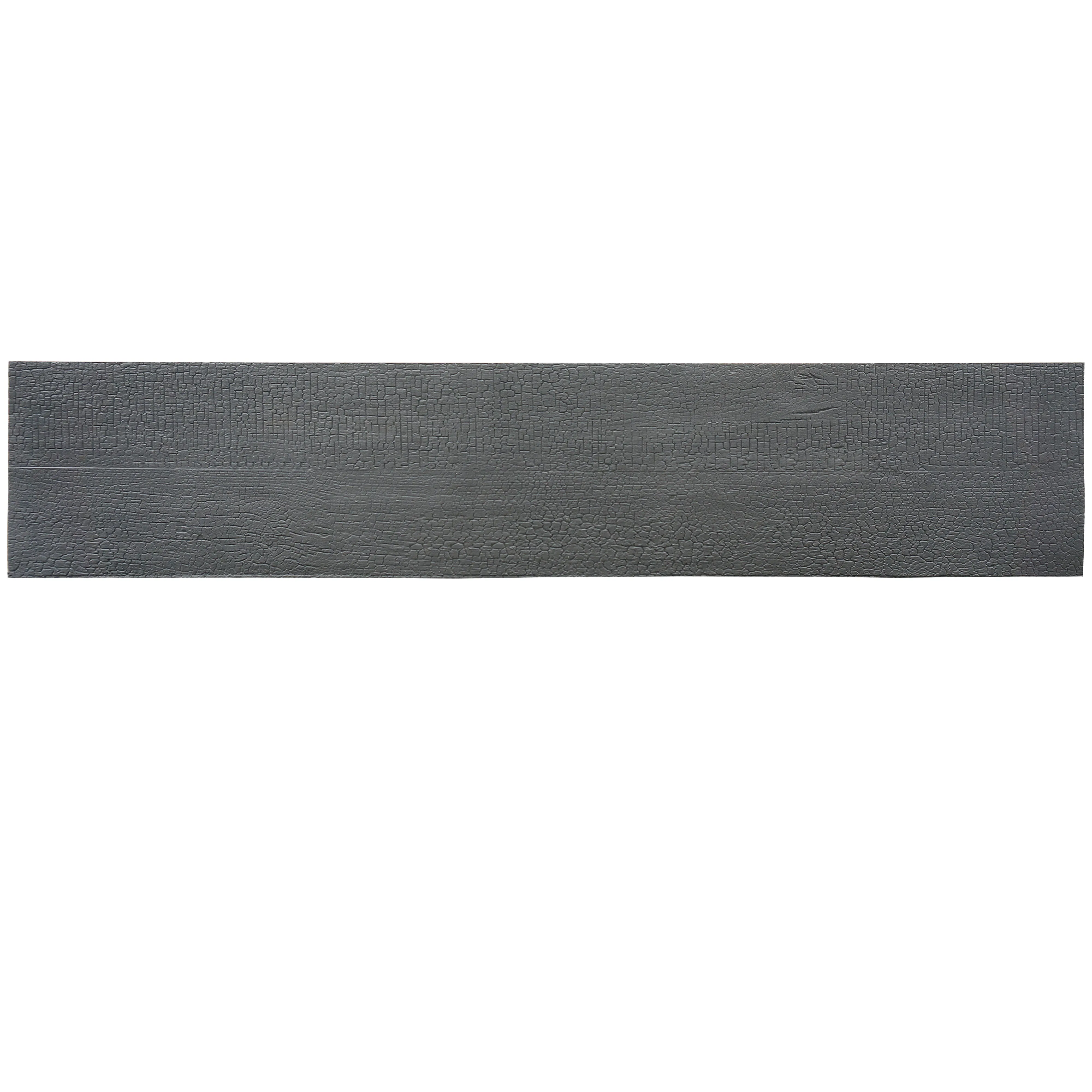
Picture this: You've just finished designing your dream kitchen. The centerpiece? A stunning charcoal burnt wood board, its deep, smoky grains catching the light and adding warmth to every corner. You spent weeks choosing it—drawn to its rustic charm, the way it tells a story of fire and nature, and how it ties together your home's earthy aesthetic. But a few months in, you notice something off: faint white streaks along the edges, a slight warp near the sink, and a musty smell you can't quite place. You clean it, you polish it, but the issues linger. What's going on? Chances are, you're overlooking one of the most critical yet underrated aspects of wood care: pH balance.
Charcoal burnt wood boards—also known as shou sugi ban, a traditional Japanese technique—are more than just decorative. They're living, breathing materials, porous and sensitive to the world around them. And at the heart of keeping them looking their best? Maintaining the right pH level. In this guide, we'll dive into why pH matters, how to monitor it, and the simple (yet effective) steps to preserve your board's beauty for decades. Along the way, we'll touch on related materials like wood concrete board and rough granite stone (medium grey), because caring for your wood board doesn't happen in isolation—it's part of a larger ecosystem of your home's surfaces.
First, let's get to know your wood board a little better. Charcoal burnt wood is created by torching the surface of wood (typically cedar, cypress, or pine) to char the outer layer, then brushing off the loose soot. This process does more than create that striking blackened finish—it also makes the wood resistant to rot, insects, and moisture. But here's the catch: the charred layer, while durable, is still porous. It acts like a sponge, absorbing everything from water and oil to the chemicals in your cleaning products. And that's where pH comes in.
pH is a measure of how acidic or alkaline a substance is, ranging from 0 (highly acidic) to 14 (highly alkaline). Pure water is neutral, at 7. Wood, in its natural state, has a slightly acidic pH, usually between 4.5 and 6.5. When this balance is disrupted—by something too acidic (like lemon juice) or too alkaline (like bleach)—the wood's structure starts to break down. Acidic substances can eat away at the charred layer, fading color and exposing raw wood underneath. Alkaline cleaners, on the other hand, can strip the wood of its natural oils, leaving it dry, brittle, and prone to cracking. Even moisture itself, if left unchecked, can shift pH: standing water absorbs minerals from the air, becoming more acidic or alkaline over time, and seeps into the wood's pores, throwing off its delicate balance.
Think of your wood board as a guest in your home. It's tough, but it has preferences. It likes things calm, balanced, and not too extreme. Ignore its pH needs, and you're not just dulling its appearance—you're shortening its lifespan. But get it right, and that board will age like fine wine, growing more beautiful with every year.
Your charcoal burnt wood board rarely exists alone. In most homes, it's paired with other materials that complement its style—think countertops, backsplashes, or flooring. Two common companions? Wood concrete board and rough granite stone (medium grey). Both are popular for their durability and natural look, but they can also influence your wood board's pH balance if you're not careful.
Wood concrete board, a blend of wood fibers and concrete, has a pH all its own—typically more alkaline, thanks to the concrete component. If it's installed adjacent to your charcoal burnt wood board (say, as a backsplash above a wood countertop), moisture or cleaning runoff from the concrete board can leach onto the wood, raising its pH. Over time, this can lead to discoloration or even mold growth where the two materials meet. Similarly, rough granite stone (medium grey), with its porous surface and mineral-rich composition, can trap moisture and chemicals. If you place acidic foods (like tomatoes or citrus) directly on the granite, then set a wet dish on the wood board nearby, the acid can transfer, throwing off the wood's pH.
The good news? These materials can coexist beautifully—you just need to be mindful of their interactions. Think of them as roommates: they get along, but they need clear boundaries (like sealing, regular cleaning, and drying) to avoid "drama."
Now, let's get practical. Maintaining pH balance isn't about complicated science experiments—it's about building simple habits into your routine. Here's how to do it:
Your first line of defense? Choosing pH-neutral cleaners. Harsh chemicals are the biggest enemy of pH balance. Bleach (highly alkaline, pH 11-13) will strip the wood's natural oils and raise pH to damaging levels. Vinegar (acidic, pH 2-3) might seem "natural," but its acidity can etch the charred surface and lower pH over time. Even some "wood-specific" cleaners can be problematic—check the label for "pH-neutral" (aim for 6.5-7.5) to be safe.
What should you use instead? Mild dish soap (like Castile soap) diluted in warm water is a great start. Mix 1 teaspoon of soap with 2 cups of water, dip a soft cloth in, wring it out well (you want damp, not wet), and wipe the board gently. For stuck-on food or grease, add a pinch of baking soda (mildly alkaline, pH 8.3) to the cloth—its gentle abrasiveness won't scratch, and its pH is close enough to neutral to avoid disruption. After cleaning, dry the board immediately with a clean towel—never let water sit, as it can seep in and alter pH.
Pro tip: Keep a separate cleaning cloth just for your wood board. Using the same cloth you use for granite countertops (which might have residual acidic or alkaline cleaners) is a surefire way to cross-contaminate.
Sealing is non-negotiable for charcoal burnt wood. The charred layer, while resistant, is still porous, and sealant acts as a barrier, blocking moisture and chemicals from altering pH. But not all sealants are created equal—some are acidic, some are alkaline, and some are perfectly balanced.
Look for sealants labeled "pH-neutral" or "for use on charred wood." Beeswax-based sealants are a great natural option—they have a pH around 6.5, close to wood's natural level, and they penetrate deep into the pores to lock out moisture. Polyurethane sealants work too, but opt for water-based versions (pH 7-7.5) over oil-based (which can be more acidic). Apply sealant every 6-12 months, depending on use: if your board is in a high-traffic area (like a kitchen counter), seal every 6 months; if it's a decorative wall panel, once a year might suffice.
When sealing, pay extra attention to edges and corners—these are the spots where moisture (and pH imbalances) tend to start. Use a small brush to get into crevices, and let the sealant dry completely (check the label for drying time) before using the board again. Rushing this step can trap moisture under the sealant, creating a breeding ground for mold and pH issues.
You don't need a lab to check your wood board's pH—just a pack of pH test strips (easily found at hardware or pet stores, since they're used for aquariums too). Here's how: dampen a clean cloth with distilled water (which has a neutral pH of 7), wipe a small, inconspicuous area of the board (like the bottom edge), then press a test strip onto the damp spot. Wait 15 seconds, then compare the strip to the color chart. A healthy charcoal burnt wood board should read between 5 and 7—slightly acidic to neutral. If it's below 5 (too acidic), you might notice red or brown discoloration; above 7 (too alkaline), white streaks or a chalky residue.
Test monthly in high-use areas, or seasonally if the board is less used. Keep a log—note the date, pH reading, and any changes in the board's appearance. Over time, you'll start to see patterns: maybe pH drops in humid summer months, or rises after you clean with a new soap. This log becomes your secret weapon, helping you adjust your routine before small issues become big problems.
If your pH test shows your board is too acidic (below 5), don't panic—you can neutralize it gently. Mix 1 tablespoon of baking soda (pH 8.3) into 2 cups of distilled water, dip a soft cloth in, wring it out, and wipe the board. Baking soda is a mild alkali, so it will raise pH without harshness. Let it sit for 5 minutes, then wipe with a damp, pH-neutral cloth to remove any residue. Repeat once a week until pH stabilizes.
Too alkaline (above 7)? Reach for white vinegar—but dilute it! Undiluted vinegar is too acidic (pH 2-3), but a 1:10 vinegar-to-water solution (1 tablespoon vinegar in 10 tablespoons water) has a pH around 5, which can gently lower pH. Wipe the board with this solution, let it sit 5 minutes, then rinse with a damp, neutral cloth. Again, repeat weekly until levels balance.
Important: Never use both baking soda and vinegar on the same day—they'll react and cancel each other out, leaving you with a salty mess. And always test these solutions on a hidden spot first to ensure they don't discolor the wood.
Your home's environment plays a huge role in your board's pH. Humidity, for example, can cause wood to absorb moisture, lowering pH over time. If you live in a humid climate, use a dehumidifier near the board to keep humidity levels between 40-60%. In dry climates, a humidifier can prevent the wood from drying out (which raises pH, as dry wood is more alkaline). Similarly, direct sunlight can dry out the board, so use curtains or blinds to filter harsh rays—your wood will thank you for the shade.
Heat is another culprit. Placing hot pots or pans directly on the board can scorch the surface, but it also dries out the wood, altering pH. Always use trivets—preferably wood or silicone (avoid metal, which can conduct heat and cause hot spots). And if you spill something hot (like coffee or soup), wipe it immediately—don't let it cool and soak in.
To make your maintenance routine easier, we've put together a table of pH-neutral products that work wonders for charcoal burnt wood boards. We've also included notes on compatibility with wood concrete board, since many of you have both in your homes!
| Product Type | pH Level | Key Ingredients | Best For | Application Frequency | Compatible with Wood Concrete Board? |
|---|---|---|---|---|---|
| Castile Soap (Unscented) | 7.0 (Neutral) | Olive Oil, Coconut Oil | Daily light cleaning | As needed (2-3x/week) | Yes—gentle on concrete too |
| Beeswax Sealant | 6.5 (Slightly Acidic) | Beeswax, Jojoba Oil | Deep conditioning, moisture barrier | Every 6-12 months | No—use concrete-specific sealant for wood concrete board |
| Water-Based Polyurethane | 7.0-7.5 (Neutral) | Acrylic Resin, Water | High-traffic areas (kitchen counters) | Every 6 months | Yes—works on both wood and concrete |
| Baking Soda Solution (1:20) | 8.0 (Mildly Alkaline) | Baking Soda, Distilled Water | Neutralizing acidic spills | Only when pH is below 5 | Yes—safe for concrete surfaces |
| Diluted White Vinegar (1:10) | 5.0 (Mildly Acidic) | Vinegar, Distilled Water | Neutralizing alkaline residues | Only when pH is above 7 | No—vinegar can etch concrete; use separately |
Even with the best care, issues can pop up. Here's how to spot and solve the most common pH-related problems with charcoal burnt wood boards:
This is a classic sign of high pH (alkaline). It often happens when hard water (rich in minerals like calcium and magnesium) dries on the board, leaving behind alkaline deposits. To fix: Mix a 1:10 vinegar-to-water solution, wipe the streaks, let sit 5 minutes, then rinse with a damp, neutral cloth. Dry thoroughly. To prevent it, use distilled water for cleaning, or wipe up water spills immediately.
Acidic damage often shows up as red or brown spots, especially around areas where acidic foods (lemon, tomatoes) or cleaners (vinegar, citrus-based sprays) have been spilled. Fix: Make a baking soda paste (1 tbsp baking soda + 1 tsp water), apply to the spot, let sit 10 minutes, then wipe away with a damp cloth. Repeat if needed. Avoid the area until pH stabilizes (test with a strip after a week).
When wood absorbs too much moisture (lowering pH) or dries out too much (raising pH), it can warp or cup (curve upward at the edges). This is often due to uneven humidity. Fix: Move the board to a more climate-controlled area (40-60% humidity). If warping is minor, place a heavy, flat object (like a stack of books) on the warped area for 24-48 hours. For severe cases, consult a wood restorer—they can sand and refinish the board to even it out.
Mold loves moisture and imbalanced pH. If your board smells musty, it's likely due to trapped moisture (low pH) or high humidity. Fix: Mix equal parts water and hydrogen peroxide (pH 6-7, mild and effective), spray lightly on the board, let sit 10 minutes, then wipe dry. Open windows to air out the area. If mold persists, check for leaks nearby—moisture from a leaky sink is a common hidden culprit.
At the end of the day, maintaining pH balance in your charcoal burnt wood board isn't just about cleaning—it's about connection. It's about honoring the material, respecting the craftsmanship that went into creating it, and ensuring it remains a part of your home's story for years to come. When you wipe it down with a pH-neutral cloth, when you seal it with care, when you check its pH levels like you'd check a friend's well-being, you're not just preserving wood—you're preserving memories.
And here's the beauty of it: these habits aren't hard. They're small, intentional acts that fit into your routine. A quick wipe after dinner, a monthly pH test while you're making coffee, a yearly sealing weekend with some music and a cup of tea. Over time, they become second nature, and your wood board? It becomes more than a surface. It becomes a testament to the care you put into your home.
So the next time you look at your charcoal burnt wood board, take a moment to appreciate it. Notice the way the light plays on its grains, the stories hidden in its charred edges, and the fact that it's thriving because of you. pH balance might sound technical, but really, it's just another way to say, "I value this." And that's a sentiment no amount of science can beat.
Here's to many more years of beauty, balance, and that perfect smoky glow.
Recommend Products












