
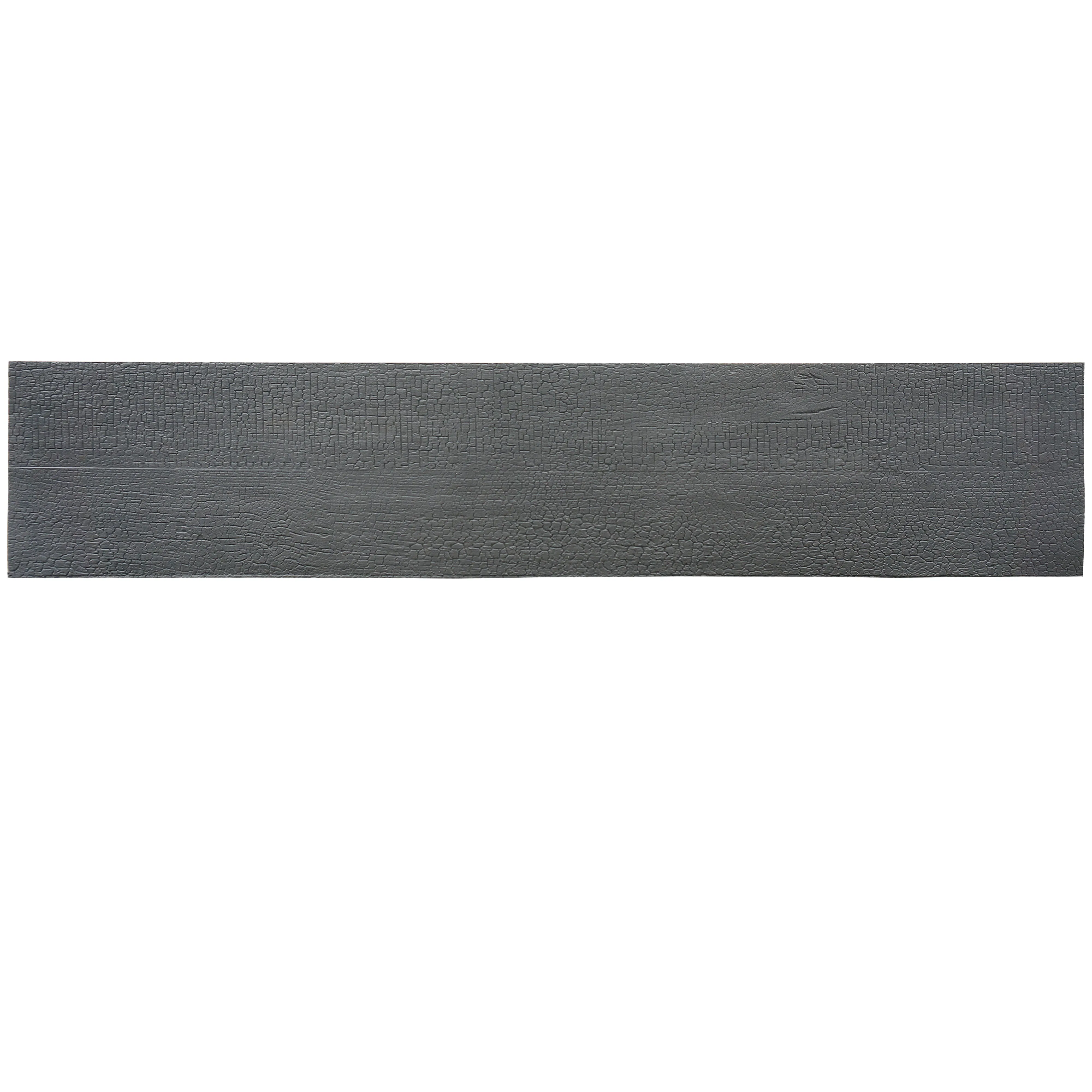
There's something undeniably timeless about a charcoal burnt wood board. Its deep, smoky hues—rich with amber undertones and subtle grain patterns—add warmth to kitchens, living rooms, and commercial spaces alike. Whether it's a countertop in your home bar, a dining table centerpiece, or a wall panel in a boutique café, this material feels both rustic and refined. But like any natural material, it needs a little TLC to stay looking its best. Scratches, stains, and sun damage can dull its luster over time, but with the right care, your charcoal burnt wood board can remain a showstopper for decades. Let's dive into the essential maintenance tips that will help you protect this beauty.
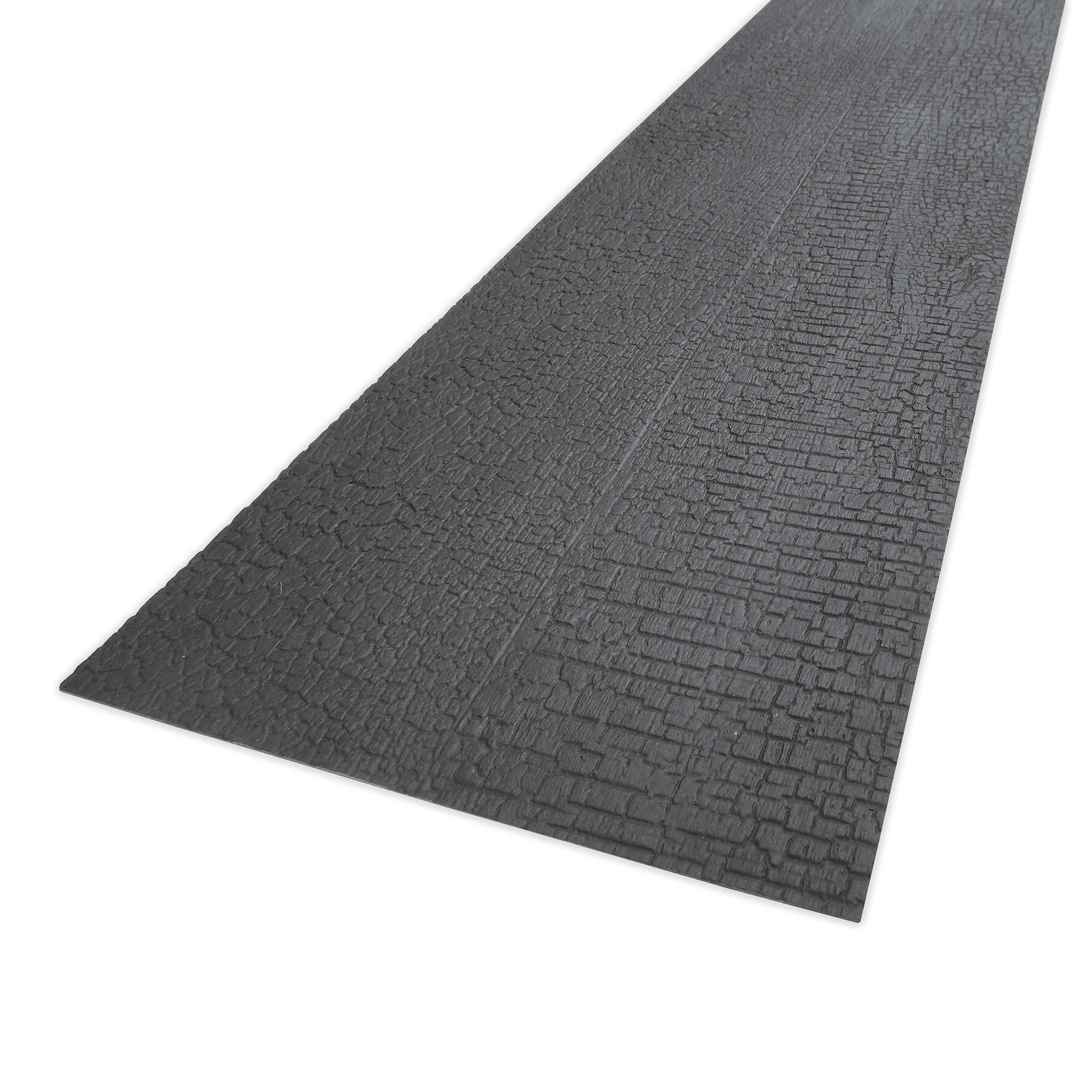
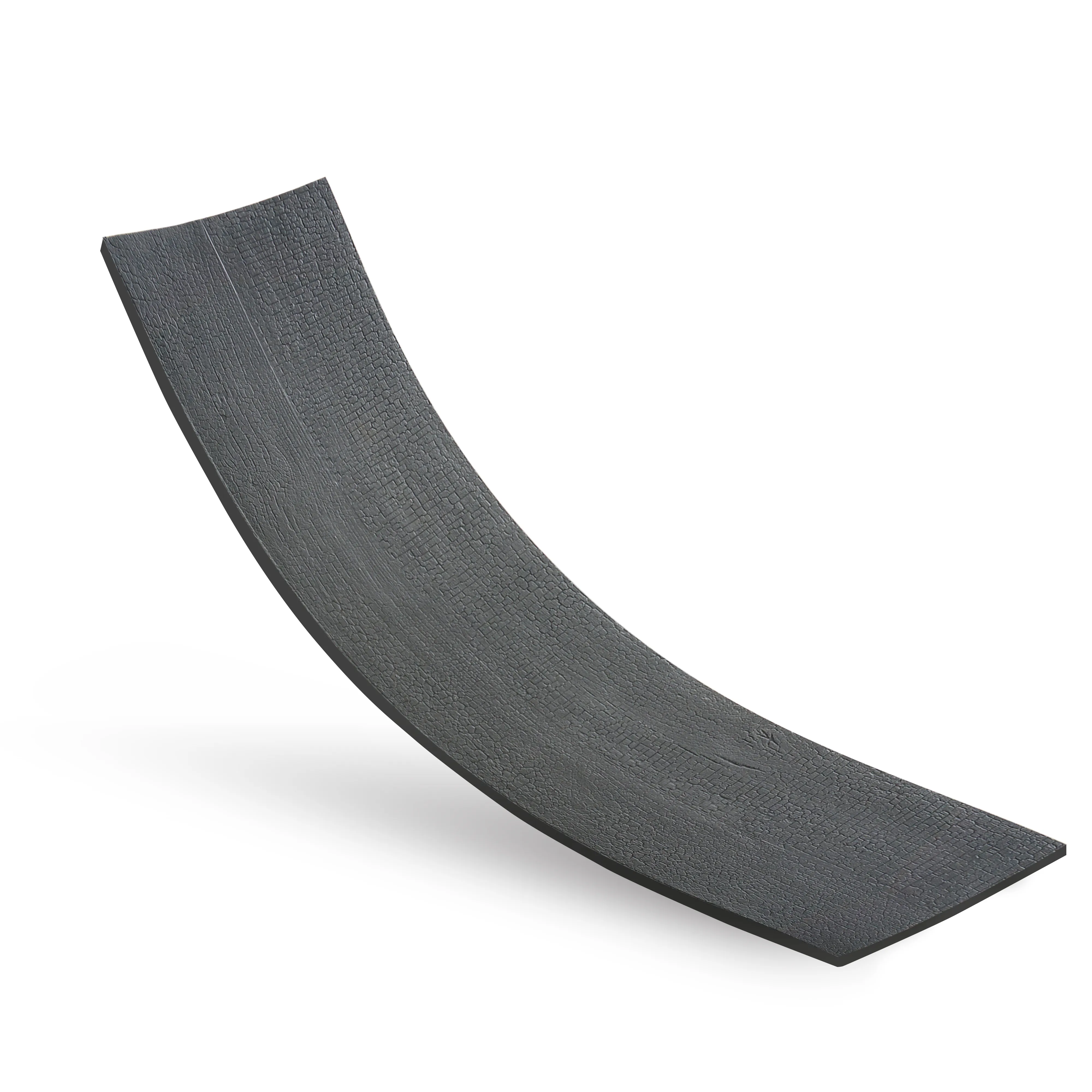
Before we jump into maintenance, let's talk about what makes charcoal burnt wood unique. Unlike rough granite stone —which is tough and resistant to almost everything—charcoal burnt wood is a treated natural material. The surface is intentionally charred (often using traditional techniques like shou sugi ban) to create a protective layer, but that layer isn't invincible. The charring process hardens the wood's outer surface, making it more resistant to fire, insects, and rot, but the underlying wood is still porous and sensitive to moisture, heat, and abrasion. Think of it like a leather jacket: durable, but in need of regular conditioning to avoid cracking or fading.
Another thing to note: charcoal burnt wood often pairs beautifully with other materials in modern design—think fair-faced concrete walls, bamboo mat board accents, or even metal fixtures. While these materials have their own care needs, today we're focusing solely on keeping your wood board in top shape. Let's start with the basics: daily cleaning.
You might think, "It's just wood—how hard can cleaning be?" But the truth is, even small missteps in daily care can add up over time. Let's break it down step by step.
Dust might seem harmless, but when left to accumulate, it acts like sandpaper. Every time you run a cloth over dusty wood, those tiny particles scratch the surface. Start by dusting your board with a soft, dry microfiber cloth. Microfiber is key here—it traps dust instead of pushing it around, and it's gentle enough not to abrade the charred layer. Avoid feather dusters (they just spread dust) or paper towels (they're too rough and can leave lint behind). A quick once-over with a microfiber cloth every morning or evening takes 30 seconds and goes a long way in preventing micro-scratches.
Life happens: a glass of water spills, a splash of soup lands on the edge, or your morning coffee drips. The golden rule? Blot, don't rub. Grab a clean microfiber cloth and gently blot the spill to absorb as much liquid as possible. Rubbing can push the liquid deeper into the wood's pores, leading to stains or warping. If the spill is larger, use a slightly damp (not wet!) cloth to wipe the area, then dry it immediately with another dry cloth. Never let water sit on the board—even for a few minutes. Remember: wood and water are not BFFs, even when charred.
You might reach for vinegar or lemon juice thinking, "It's natural, so it must be safe!" Wrong. Both are highly acidic and can eat away at the charred finish, leaving the wood vulnerable. The same goes for bleach, ammonia, or abrasive cleaners like scouring powder—they'll strip the color and damage the surface. Stick to mild, pH-neutral soaps if you need more than water. A drop of dish soap (like Dawn) mixed with warm water is perfect for occasional deeper cleans. Dip your cloth in the solution, wring it out until it's almost dry, wipe the board, then dry immediately with a clean cloth.
| Cleaning Product | Safe for Charcoal Burnt Wood? | Why/Why Not |
|---|---|---|
| Microfiber Cloth (Dry) | Yes | Traps dust without scratching; gentle on charred finish. |
| Mild Dish Soap + Water | Yes (in moderation) | pH-neutral; effective for light grease; rinse and dry immediately. |
| Vinegar | No | Acidic; erodes charred layer and damages wood fibers over time. |
| Bleach | No | Corrosive; discolors wood and weakens the charred protective layer. |
| Furniture Polish (Silicone-Based) | No | Leaves a sticky residue that attracts dust; blocks wood's ability to breathe. |
Cleaning is important, but preventing damage in the first place is even better. Let's talk about the biggest threats to your charcoal burnt wood board and how to avoid them.
Natural light makes a room feel bright and welcoming, but direct sunlight is wood's worst enemy. Over time, UV rays break down the pigments in the charred layer, turning that rich, deep color into a faded, lackluster version of its former self. If your board is near a window, consider installing UV-blocking curtains or blinds. Even sheer curtains can filter out enough UV to slow fading. If you love the light, rotate decorative items on the board periodically—this ensures even exposure and prevents "sun spots" where the wood fades unevenly. Pro tip: If you're using the board as a tabletop, place a centerpiece (like a vase or a stack of books) in the sunniest spot to protect that area.
We've all been there: you pull a hot pan out of the oven and set it directly on the counter without thinking. For rough granite stone or fair-faced concrete , that might be fine—but charcoal burnt wood? Not so much. Extreme heat can cause the wood to expand rapidly, leading to cracks or warping. Even a hot mug can leave a white heat mark (those are actually moisture trapped under the finish). Always use trivets or coasters. For a stylish touch, try bamboo mat board trivets—they complement the wood's natural vibe and provide a protective barrier. Avoid plastic trivets (they can melt onto the wood if the pan is too hot) and opt for heat-resistant materials like cork, silicone, or bamboo instead.
Charcoal burnt wood has a textured surface, which can hide small scratches, but deeper ones are hard to miss. To prevent scratches, avoid dragging heavy objects across the board—lift, don't slide. If you're placing decor on the board (like a lamp or a bowl), add felt pads to the bottom of the items. Felt is soft and won't scratch, and it's easy to find in home improvement stores. Also, be mindful of sharp objects: keys, knives, and even pet claws can leave marks. If you have a cat that loves to sharpen its claws on wood, provide a scratching post nearby to redirect the behavior.
No matter how careful you are, stains happen. The key is to act fast and use the right method for the type of stain. Let's tackle the most common culprits.
You set a cold glass down without a coaster, and hours later, there's a cloudy white ring. Ugh. The good news? Water stains are often just moisture trapped in the finish, not the wood itself. Here's how to fix it: Grab a clean, dry cloth and a household iron. Set the iron to the lowest heat setting (no steam!) and place a thin cotton towel over the stain. Gently press the iron onto the towel for 5-10 seconds, then lift and check. The heat from the iron should evaporate the trapped moisture. Repeat if needed, but don't hold the iron in one spot too long—you don't want to damage the wood with excess heat. If the stain is still there, try rubbing a small amount of mayonnaise (yes, mayonnaise!) onto the ring, let it sit overnight, then wipe clean with a damp cloth. The oil in the mayo helps loosen the moisture. Crazy, but it works!
Oil stains are trickier because oil seeps into wood pores. If you spill cooking oil, butter, or salad dressing, blot immediately with a paper towel (this is one time paper towels are okay—you want to absorb as much oil as possible). Then, sprinkle the area with baking soda and let it sit for 15-20 minutes. Baking soda is a mild abrasive and absorbent, so it will draw out the remaining oil. Wipe away the baking soda with a damp cloth, then dry thoroughly. For older oil stains, mix baking soda with a few drops of water to make a paste, apply it to the stain, and let it sit for an hour before wiping. Avoid using dish soap on oil stains—soap and oil don't mix, and it can spread the stain further.
Kids, guests, or even your own absent-minded self—ink stains happen. For ballpoint pen ink, dab a cotton ball in rubbing alcohol and gently blot the stain (test the alcohol on an inconspicuous area first to make sure it doesn't discolor the wood). The alcohol breaks down the ink, which you can then blot away with a clean cloth. For permanent marker, you might need a stronger solution: mix equal parts baking soda and toothpaste (non-gel, white toothpaste works best), rub the paste onto the stain with a soft cloth in a circular motion, then wipe clean. Repeat until the stain fades. Note: This method is abrasive, so use it sparingly to avoid damaging the charred layer.
Wood is a living material, even after it's been cut and treated. It expands in humid weather and contracts in dry weather, which can lead to cracks, warping, or gaps. Let's adapt your maintenance routine to the seasons.
High humidity means more moisture in the air, which wood absorbs. Too much moisture can cause the board to swell, warp, or even grow mold. Use a dehumidifier in the room where the board is located to keep humidity levels between 40-60%. If you live in a particularly humid climate, check the board regularly for signs of mold (black or green spots). If you spot mold, mix a solution of equal parts water and white vinegar (yes, vinegar—this is an exception because mold needs to be killed), dip a cloth in it, and gently wipe the area. Then dry thoroughly and increase ventilation. Avoid placing the board near humidifiers, showers, or dishwashers—any source of excess moisture.
Winter brings dry air from heaters, which sucks moisture out of wood, causing it to shrink and crack. To combat this, use a humidifier to keep indoor humidity around 40-50%. You can also place a shallow bowl of water near the board (out of the way of traffic, of course) to add moisture to the air. Avoid placing the board directly in front of a fireplace, radiator, or heating vent—the direct heat will dry it out even faster. If you notice small cracks starting to form, don't panic—they might close up when humidity levels rise in spring. For larger cracks, consult a professional woodworker to fill them with wood filler and refinish the area.
Even with perfect daily care, your charcoal burnt wood board will need some extra love every few years to keep its protective layer intact. Here's how to keep it looking fresh for decades.
Most charcoal burnt wood boards come pre-sealed, but the sealant wears off over time—especially with regular use. Plan to reseal your board every 1-2 years, depending on how much use it gets (a kitchen countertop will need sealing more often than a decorative wall panel). Choose a sealant specifically designed for charred wood or outdoor wood (even if it's indoors—outdoor sealants are more durable). Look for oil-based sealants like linseed oil or tung oil, which penetrate the wood and enhance its natural color. Avoid water-based sealants, which can sit on the surface and peel. Apply the sealant with a clean cloth, following the grain of the wood, and let it dry completely (24-48 hours) before using the board. You'll notice the wood looks richer and darker after sealing—that's the oil replenishing the charred layer.
After 5-10 years (or sooner if the board is heavily used), you might notice the charred layer is thin in spots, or the wood looks dull and worn. This is when refinishing comes in. Refinishing involves lightly sanding the surface to remove the old charred layer and re-applying the charring treatment and sealant. Unless you're experienced with woodworking, this is a job best left to professionals. They have the tools to sand evenly without damaging the wood and can re-char the surface to match the original color and texture. It's an investment, but it will make your board look brand new again.
Charcoal burnt wood isn't just a building material—it's a piece of craftsmanship that adds character and warmth to your space. With a little daily care, proactive prevention, and seasonal attention, you can keep it looking as stunning as the day you brought it home. Remember: the goal isn't perfection, but consistency. A quick dust here, a coaster there, and an occasional sealing session will go a long way in preserving its beauty for years to come.
And the next time you're admiring your board, take a moment to appreciate how it interacts with the other materials in your home—whether it's the cool contrast of fair-faced concrete , the natural texture of bamboo mat board , or the ruggedness of rough granite stone . Together, these materials create a space that feels intentional and alive. But today, let's celebrate your charcoal burnt wood board—the unsung hero that ties it all together. Here's to many more years of enjoying its rich, smoky charm.
Recommend Products












