
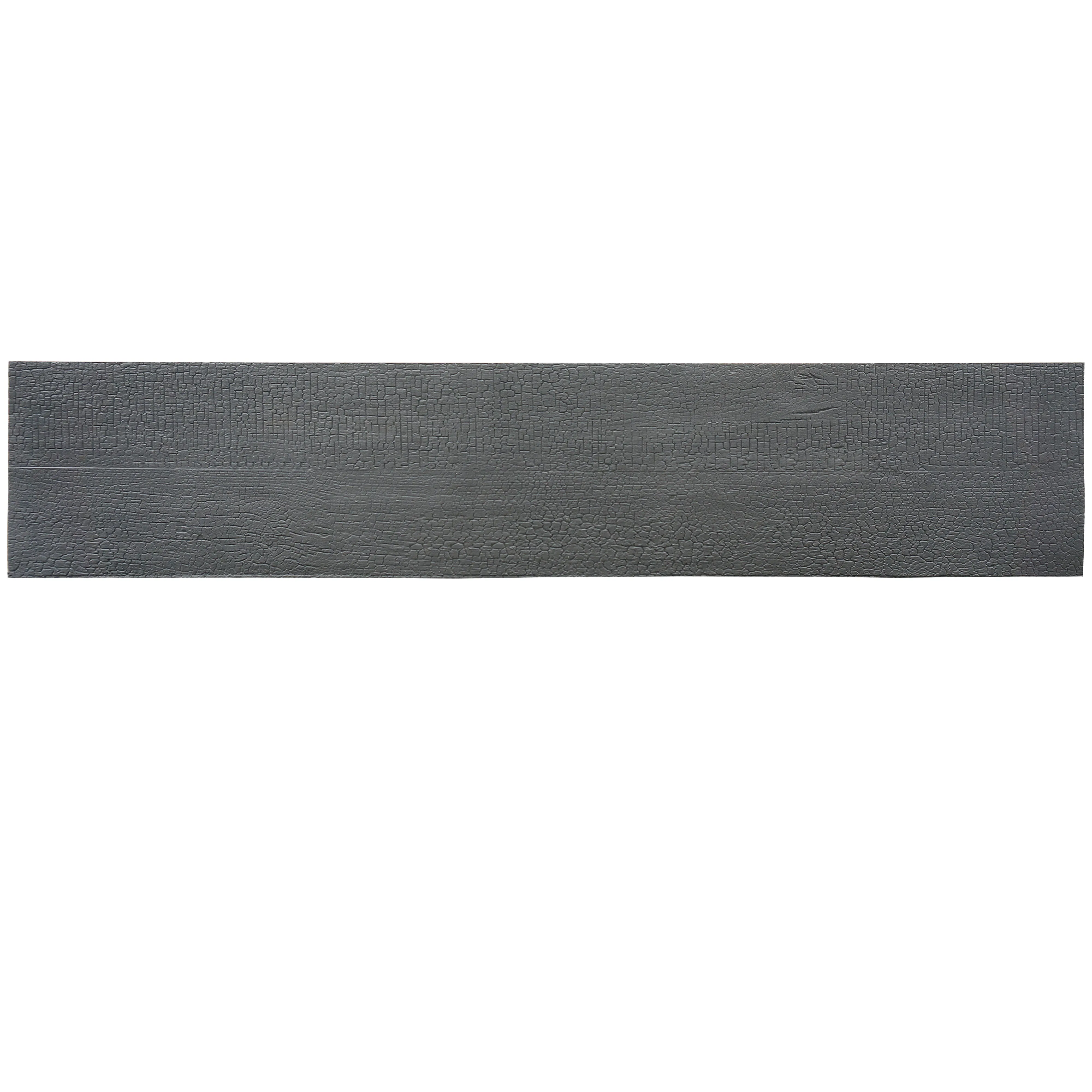
It's a crisp autumn morning, and Maria, an architect with a passion for sustainable design, stands on the construction site of her latest project—a boutique hotel nestled in the hills of Vermont. The exterior calls for warmth, texture, and a connection to nature, which is why she specified charcoal burnt wood boards for the facade. They're supposed to bring that rich, smoky depth that makes buildings feel both timeless and alive. But last week, she received a troubling call from the contractor: "The samples we got? They're warping. And there's this weird white residue seeping out."
Maria's heart sank. She'd spent months researching suppliers, poring over catalogs filled with stunning images of charcoal burnt wood board samples, each promising durability and beauty. Yet here they were, facing delays and potential rework—all because no one thought to ask about pH certification. "What even is pH certification?" the contractor had mumbled. "Isn't wood just… wood?"
It's a question that plagues many in the industry. When we talk about building materials, we focus on aesthetics, cost, and sustainability—but rarely do we dive into the quiet science of pH. Yet for charcoal burnt wood board suppliers, this overlooked metric can make or break a project. It's not just a piece of paper; it's a promise that the material will stand the test of time, keep occupants safe, and play nice with other elements like weaving (khaki) textiles in the lobby or wood concrete board (light grey) accents on the patio. Today, we're pulling back the curtain on why real pH certification isn't a "nice-to-have"—it's non-negotiable.
Before we get into pH, let's ground ourselves in what charcoal burnt wood board actually is. You might know it by other names—shou sugi ban, yakisugi, or simply "burnt wood"—a traditional Japanese technique where wood is charred, brushed, and sealed to enhance its natural properties. The process involves carefully burning the surface of the wood to create a layer of carbon, which acts as a barrier against rot, insects, and fire. The result? A material with a striking, almost otherworldly texture—deep blacks and grays that catch the light, with hints of the wood's original grain peeking through like memories.
In recent years, it's exploded in popularity. Designers love it for its versatility: it works in modern homes with clean lines, rustic cabins, even commercial spaces like coffee shops and coworking studios. And it's not just about looks. Proponents argue it's eco-friendly—no harsh chemicals, just fire and wood—and long-lasting. But here's the catch: not all charcoal burnt wood boards are created equal. The difference often lies in one tiny, critical factor: pH balance.
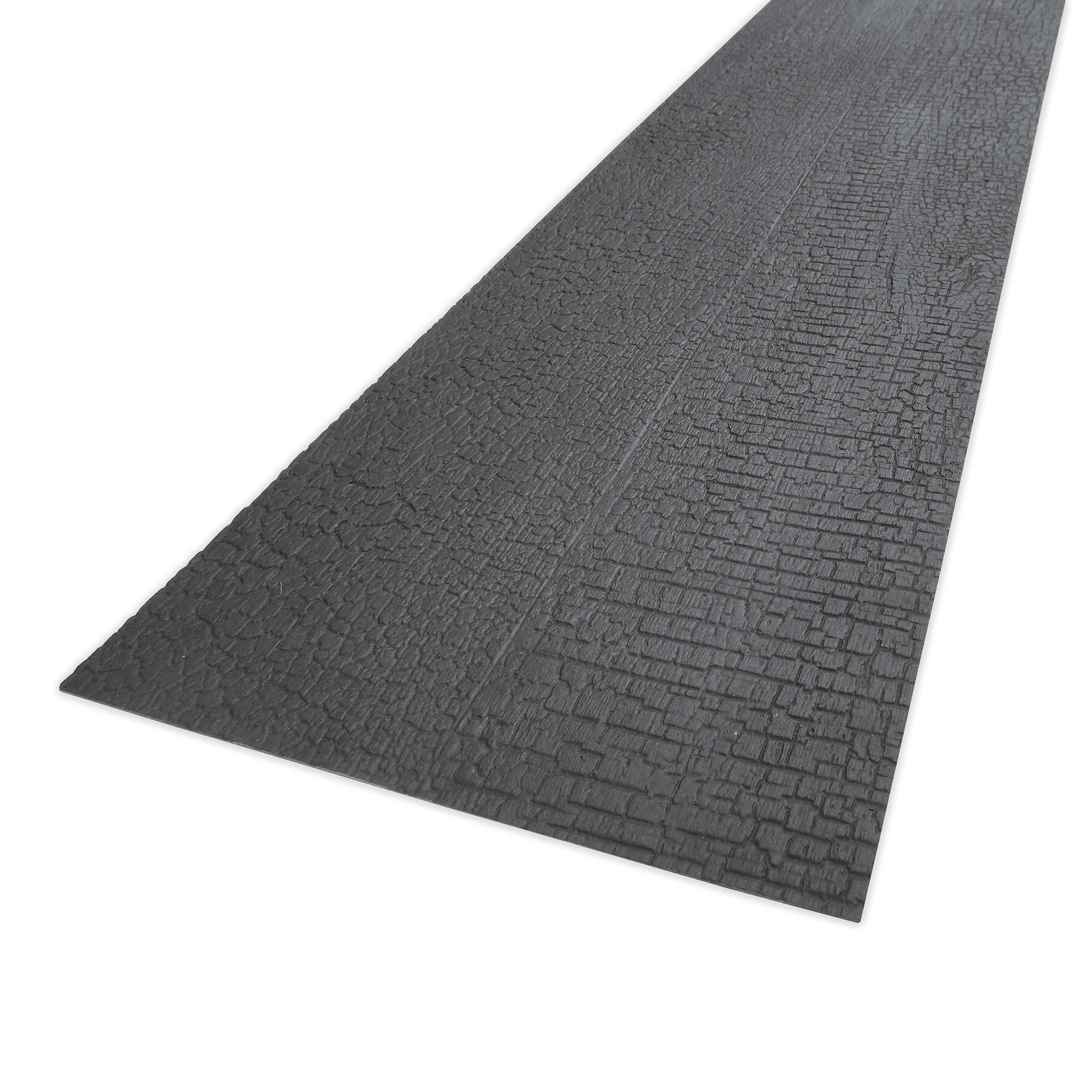
pH is a measure of how acidic or alkaline a substance is, ranging from 0 (highly acidic) to 14 (highly alkaline). For most building materials, balance is key—especially organic ones like wood. Unburnt wood typically has a pH around 4.5 to 6.0 (mildly acidic), thanks to natural compounds like tannins. But when you burn wood, something shifts. The charring process can alter the pH dramatically, depending on factors like the type of wood, burn temperature, and post-treatment.
Why does this matter? Imagine your skin. If your soap is too acidic, it dries you out; too alkaline, and it irritates. Wood is similar. A board with a pH that's too low (acidic) might corrode metal fasteners over time. One that's too high (alkaline) could leach minerals, leaving that white residue Maria saw on her site—or worse, react with sealants, causing them to peel or discolor. And when you pair it with other materials? A rough granite stone (medium grey) accent wall next to an unbalanced wood board could become a chemical battleground, with one material breaking down the other.
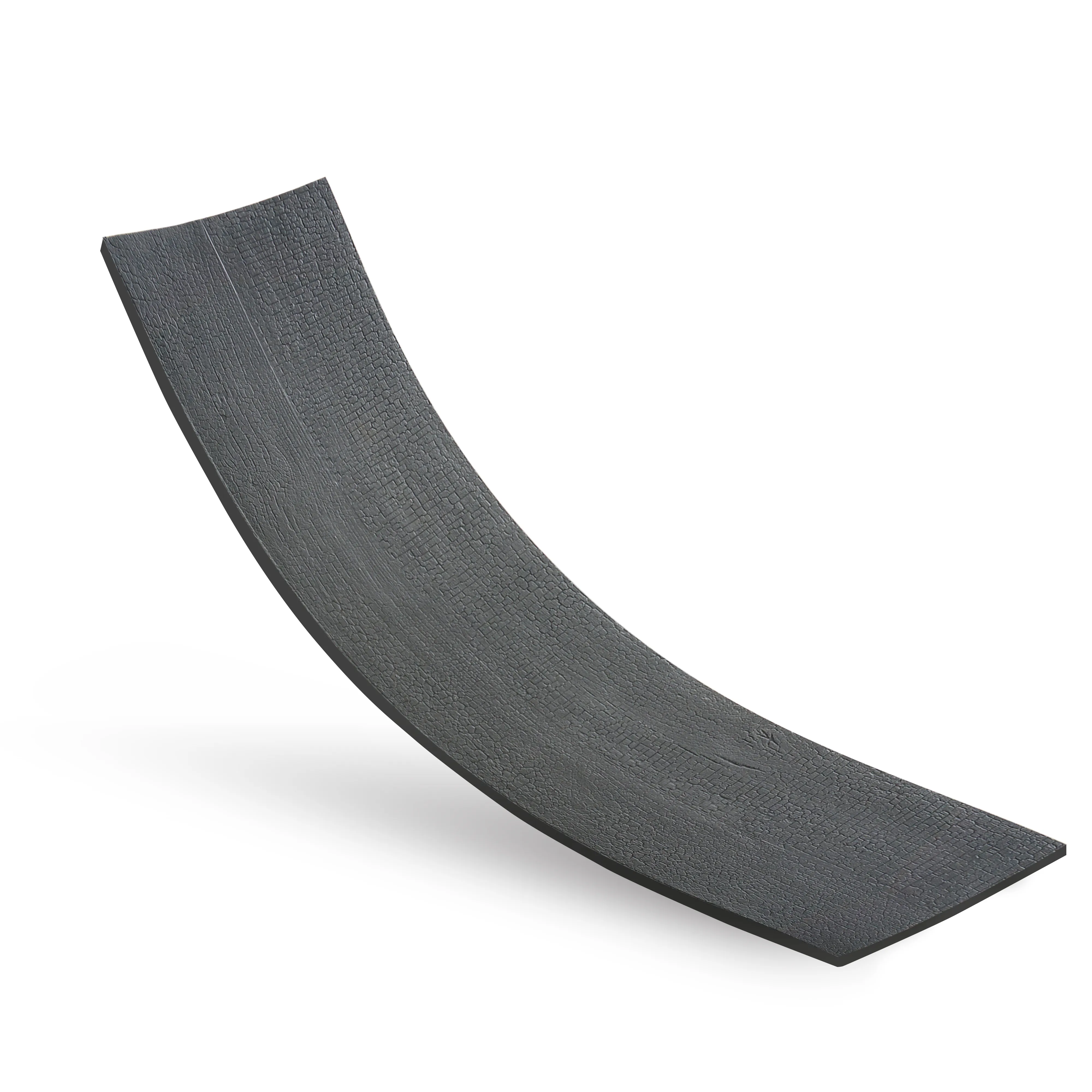
Let's cut to the chase: For charcoal burnt wood board suppliers, pH certification isn't just a marketing tool. It's a lifeline for their reputation—and for the projects their materials end up in. Here's why it should matter to you, too.
Remember Maria's warping boards? Chances are, pH imbalance was the culprit. Acidic wood absorbs moisture like a sponge, swelling and warping as seasons change. Alkaline wood, on the other hand, can dry out too quickly, cracking and splintering. Either way, the result is the same: a material that fails years before it should. Certified suppliers test their boards to ensure a pH between 6.5 and 8.5 (neutral to slightly alkaline)—the sweet spot where moisture resistance is maximized, and structural integrity holds strong.
Case Study: The Ski Lodge That Crumpled
A few years back, a ski resort in Colorado opted for uncertified charcoal burnt wood boards for their guest cabins. By the first winter, the boards were warping so badly that snow seeped in, causing mold in the walls. The resort spent $200,000 on repairs—all because the supplier skipped pH testing. "We thought 'burnt wood' was foolproof," the project manager later told a trade publication. "We were wrong."
We often associate "natural" materials with safety, but unbalanced pH can introduce hidden risks. Highly acidic wood, for example, can off-gas volatile organic compounds (VOCs) as it breaks down—compounds that irritate eyes, noses, and lungs, especially in poorly ventilated spaces. Alkaline boards might leach calcium or magnesium, which can react with paint or adhesives, releasing harmful fumes. pH certification ensures these risks are minimized, giving homeowners and businesses peace of mind that their walls aren't silently making them sick.
Buildings are puzzles, and every piece needs to fit. A charcoal burnt wood board isn't just a standalone element—it's adjacent to foamed aluminium alloy board (vintage silver) trim, weaving (khaki) wall hangings, or lime stone(beige) flooring. If the wood's pH is off, it can throw the whole puzzle into chaos. Acidic wood might stain limestone floors with rust-like marks; alkaline wood could corrode the finish on aluminium trim. Certified suppliers test their boards against common companion materials, ensuring they won't sabotage the rest of your design.
In many regions, building codes are tightening around material safety and durability. For commercial projects, non-certified materials can lead to failed inspections, fines, or even forced demolition. Imagine investing in a restaurant renovation, only to have the health department shut you down because your wood panels are leaching chemicals. pH certification isn't just about quality—it's about staying on the right side of the law.
So, what does a supplier who takes pH seriously actually do? It starts long before the boards reach your site. Here's a peek behind the curtain:
1. Rigorous Sourcing: They start with high-quality wood—species like cedar, cypress, or pine that naturally resist rot and have stable pH profiles. "We visit the forests where our wood is harvested," says Jake, a supplier with 15 years in the industry. "We check the soil, the climate—even the time of year the trees are cut. All of it affects pH."
2. Controlled Charring: Instead of winging it with a blowtorch, they use precision kilns to monitor temperature and burn duration. "Too hot, and you get ash, which is alkaline," Jake explains. "Too cool, and the char layer is thin, leaving the wood acidic. We aim for 300–400°C for exactly 20 minutes—science, not guesswork."
3. Third-Party Testing: Real certification doesn't come from a supplier's own lab. Reputable companies send samples to independent labs like ASTM International or SGS, which test pH using standardized methods (think: extracting water from the wood and measuring with a calibrated meter). The result? A certificate with specific numbers, not vague claims like "pH balanced."
4. Batch Tracking: Every batch of boards gets a unique ID, linked to its pH test results. "If a customer calls with an issue, we can trace exactly when and how that batch was made," Jake says. "Transparency isn't optional—it's how we sleep at night."
| Aspect | Certified Charcoal Burnt Wood Board | Uncertified Charcoal Burnt Wood Board |
|---|---|---|
| pH Range | 6.5–8.5 (neutral to slightly alkaline) | Often <5.0 (acidic) or >9.0 (alkaline) |
| Durability | Resists warping, cracking, and rot for 20+ years | May warp or degrade in 3–5 years |
| Safety | Low VOC emissions; safe for indoor use | May off-gas harmful compounds |
| Compatibility | Works with materials like wood concrete board (dark grey) and foamed aluminium alloy board (vintage gold) | May react with adjacent materials, causing staining or corrosion |
| Regulatory Compliance | Meets international standards (e.g., ASTM E84 for fire safety) | May fail local building code inspections |
Warning Signs You're Dealing with a Shady Supplier:
Maria's Vermont hotel project had a happy ending, by the way. After the warped samples, she switched to a supplier who provided pH certification—complete with lab reports, batch tracking, and a 25-year warranty. Today, the facade glows in the mountain light, its charcoal boards as sturdy as the day they were installed. The lobby, with its weaving (khaki) rugs and wood concrete board (light grey) accents, feels warm and safe—no strange residues, no unexpected delays.
At the end of the day, pH certification isn't about bureaucracy. It's about trust. Trust that the supplier cares as much about your project as you do. Trust that the materials you're investing in won't let you down. So the next time you're scrolling through catalogs of charcoal burnt wood board samples, or chatting with a supplier about your dream build, ask the question: "Can I see your pH certification?" It might just be the most important question you'll ask.
Because in construction, as in life, the smallest details often hold the biggest power. And when it comes to building something that lasts? You don't just want wood that looks good—you want wood you can count on. pH certification is how you get there.
Recommend Products












