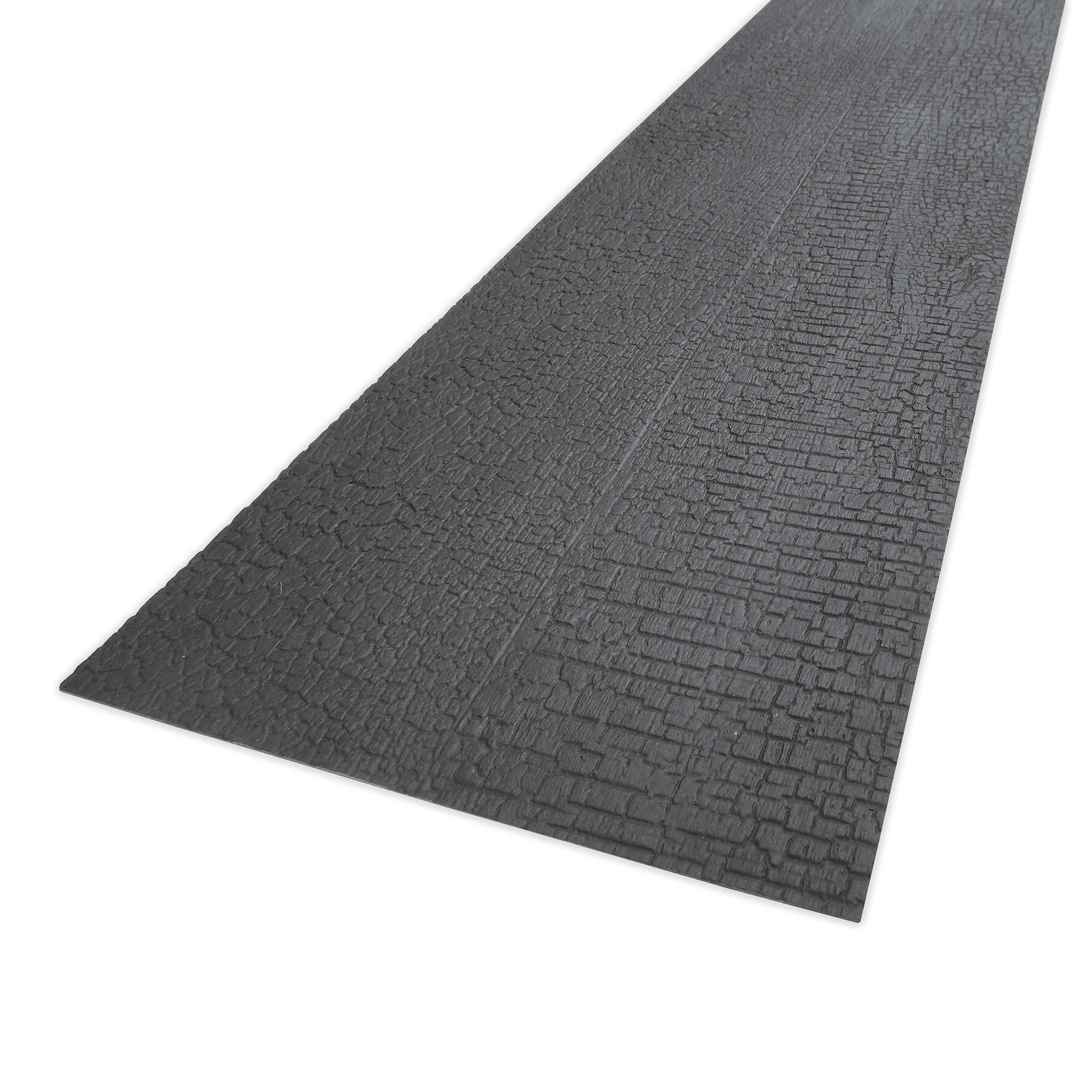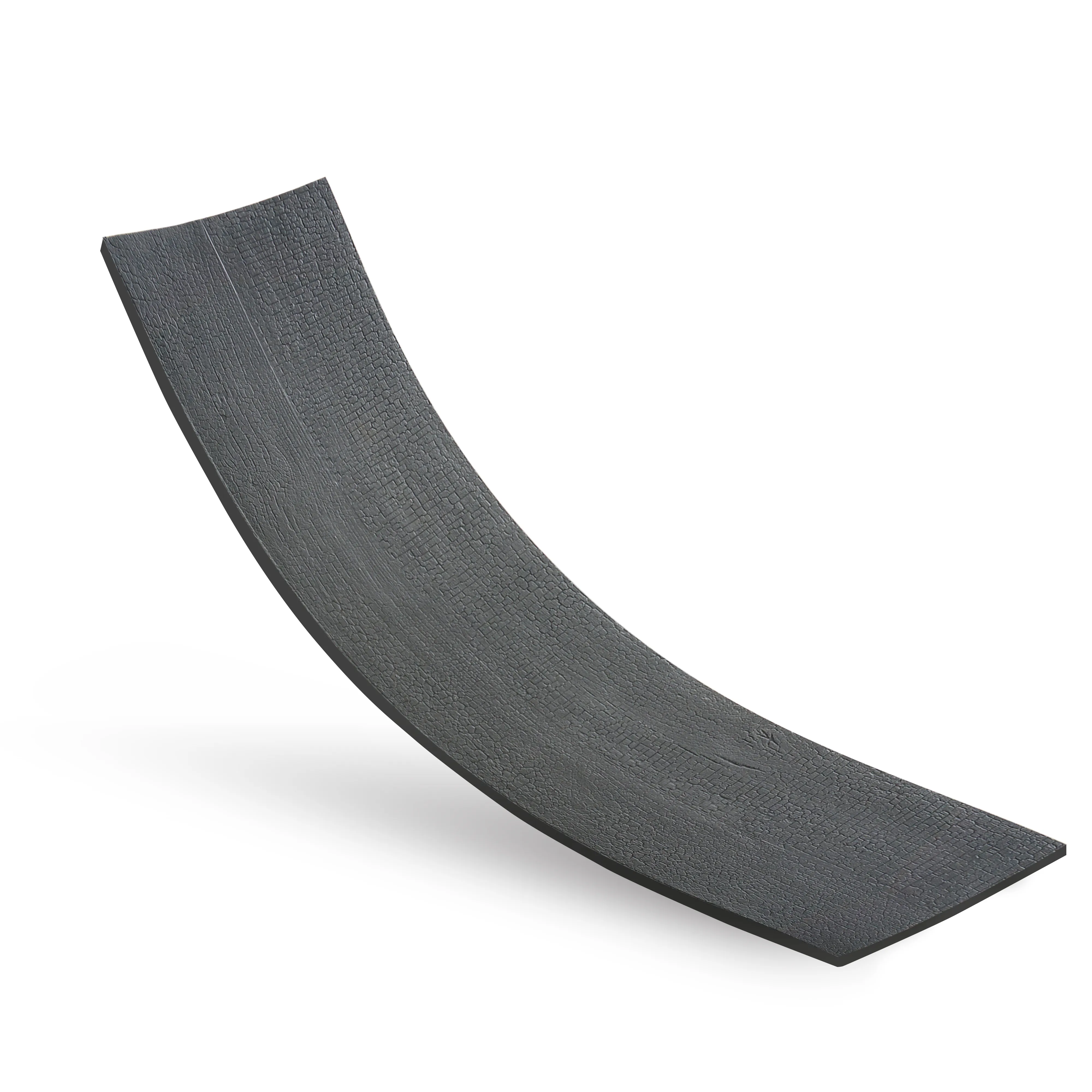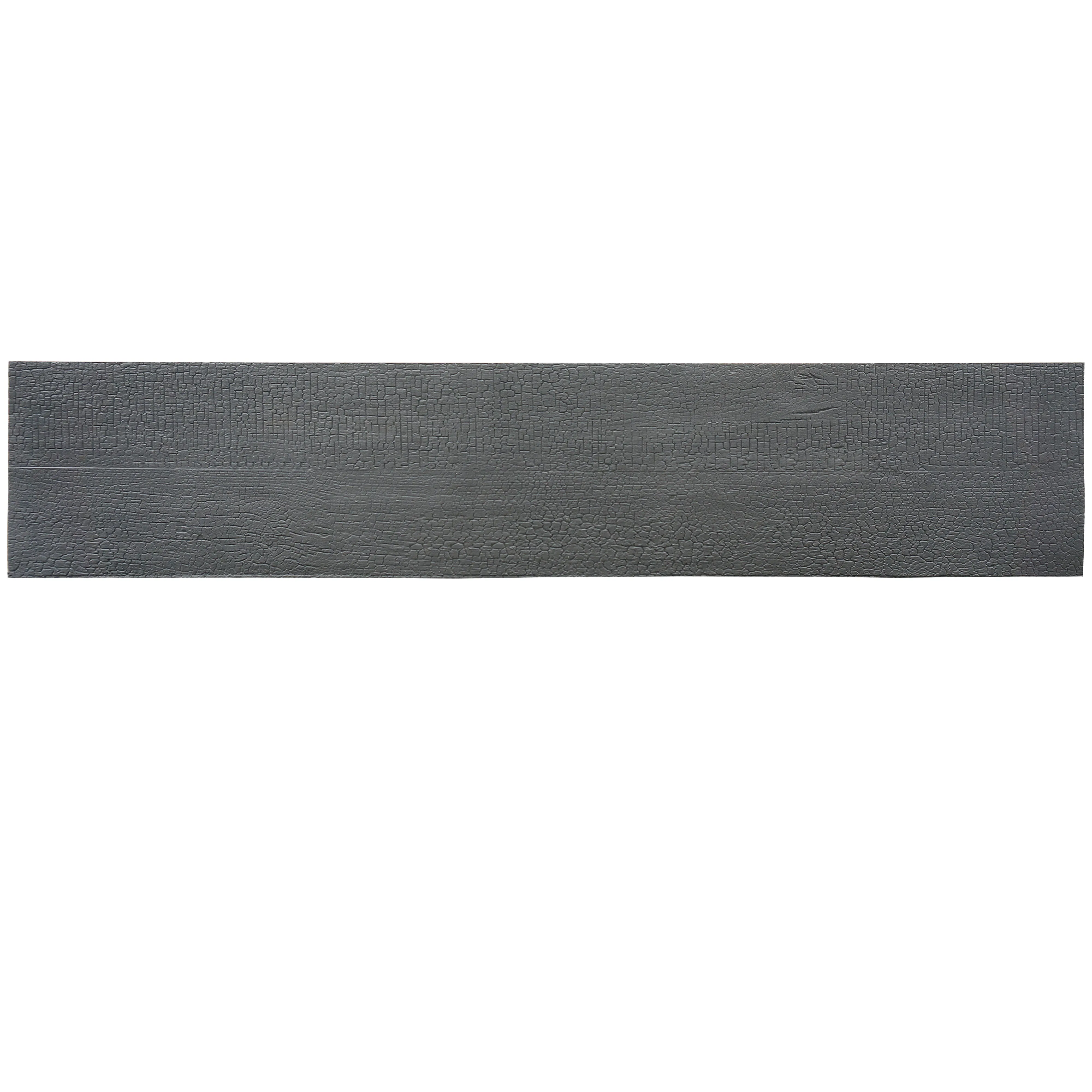
In an era where every industry is being called to account for its environmental footprint, construction stands at a crossroads. For decades, the sector has relied on resource-heavy materials and energy-intensive processes, but today, a quiet revolution is underway. Builders, architects, and homeowners alike are turning to materials that don't just serve a functional purpose—they tell a story of responsibility. Enter charcoal burnt wood board : a material that marries ancient craftsmanship with modern sustainability, proving that tradition and eco-consciousness can walk hand in hand.
But what makes a material "sustainable"? It's not just about using natural resources—it's about verifying that those resources are sourced ethically, processed responsibly, and contribute to healthier living spaces. This is where certifications like LEED come into play. They're not just labels; they're promises. Promises that the wood in your wall didn't come from a clear-cut forest, that the finishes don't off-gas harmful chemicals, and that your building project is leaving a lighter footprint on the planet. In this article, we'll dive deep into how charcoal burnt wood board earns these promises, why certifications matter, and how materials like fair-faced concrete and rammed earth board (with its stunning gradient variations) are joining the movement.