
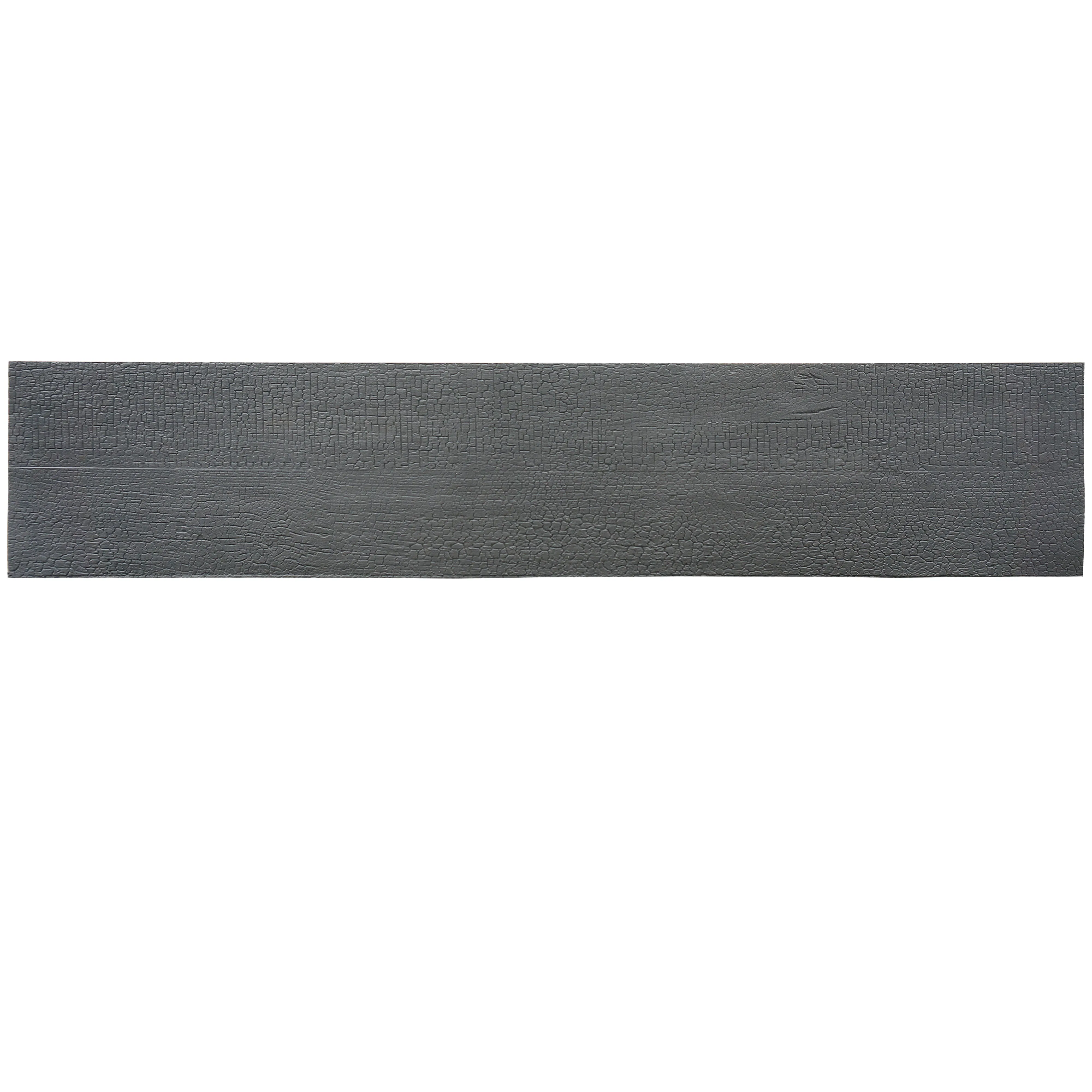
Texture is the silent storyteller of interior design. It doesn't just catch the eye—it invites touch, stirs emotion, and shapes the way we experience a space. Among the many materials that bring texture to life, charcoal burnt wood board stands out for its unique blend of raw beauty and timeless appeal. But within this category lies a choice that can transform the mood of a room entirely: smooth or rustic texture. Let's dive into the nuances of these two options, exploring how they feel, look, and elevate the spaces they inhabit.
Before we compare textures, let's ground ourselves in the material itself. Charcoal burnt wood board—also known as shou sugi ban, a technique rooted in ancient Japanese craftsmanship—involves charring wood surfaces with fire, then sealing them to enhance durability and deepen their visual allure. The process not only protects the wood from rot and pests but also unlocks a spectrum of tones, from deep ebony to warm amber, with the texture playing a starring role in how these tones are perceived. Whether you lean toward the sleekness of smooth or the rugged charm of rustic, this material carries a story of transformation: wood, kissed by flame, reborn as something both resilient and radiant.
What makes charcoal burnt wood board so versatile is its ability to adapt to different textures. The charring process can be controlled to leave the surface either polished down to a near-silk finish or left intentionally rough, allowing the natural grain and knots to take center stage. This duality—smooth vs. rustic—is where the magic happens, offering designers and homeowners a tool to craft spaces that feel either meticulously curated or organically lived-in.
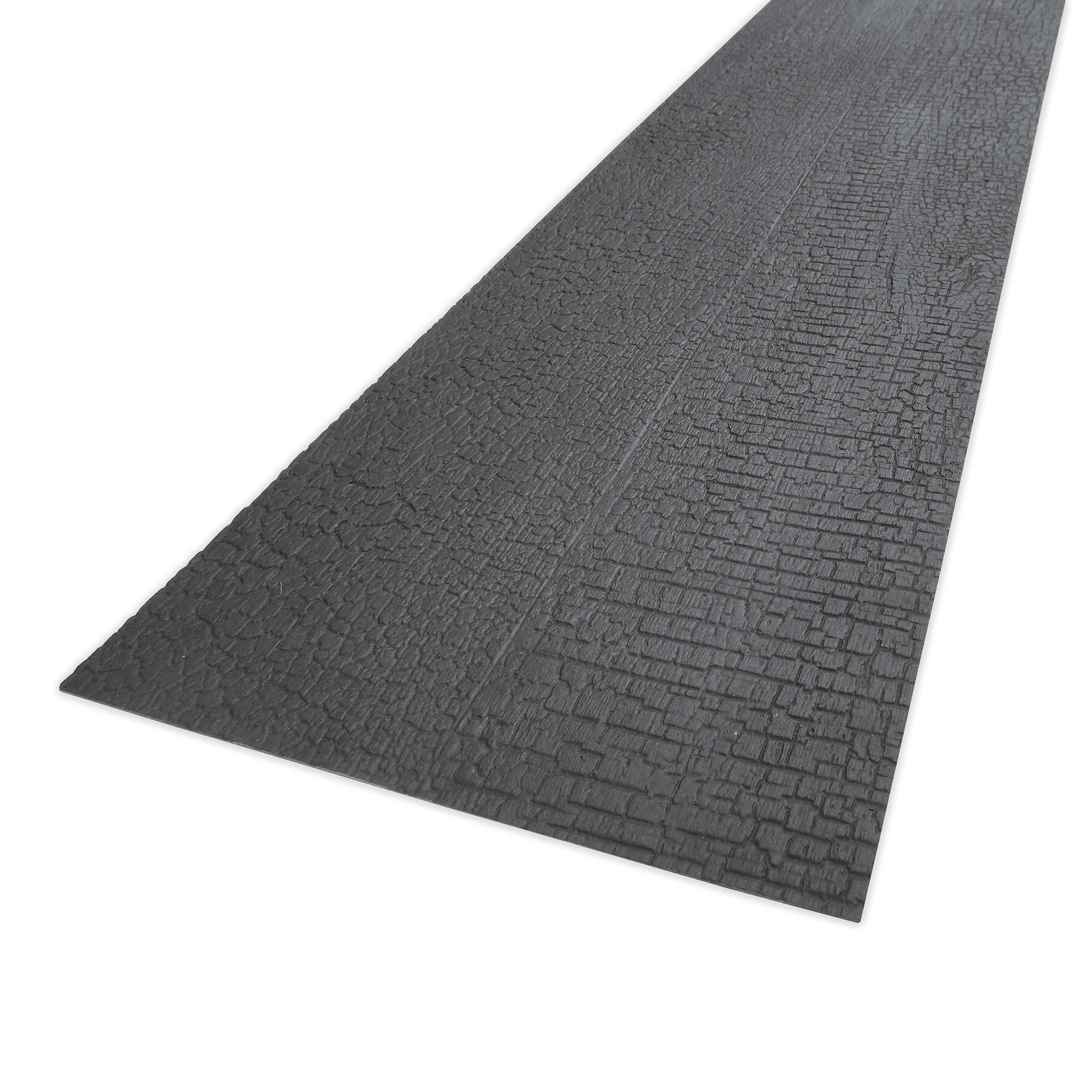
Run your hand along a smooth charcoal burnt wood board, and you'll be surprised by the contrast between its name and its feel. Where "charcoal burnt" might evoke images of roughness, the smooth variant feels almost silky, with the charred layer sanded down to a uniform surface. The wood's natural grain is still visible, but it lies gently beneath the surface, like a memory preserved in soft focus. This texture is all about subtlety—quietly sophisticated, it lets light dance across its planes, creating a sense of calm and order.
Smooth texture is defined by its evenness. After the charring process, the wood is sanded repeatedly, removing any raised grain or irregularities. The result is a surface that's consistent to the touch, with no splinters or rough patches. The color here tends to be more uniform too; the charring is controlled to create a deep, rich base, and sanding softens the edges of the burn, blending tones into a seamless gradient from dark to light. Think of it as wood that's been "calmed"—the fire's intensity tamed into something serene.
Light plays a crucial role with smooth textures. Unlike rough surfaces that absorb light, smooth charcoal burnt wood reflects it, making spaces feel brighter and more open. This reflective quality also enhances the wood's natural luster; catch it at the right angle, and you'll notice a soft sheen that adds depth without overwhelming. It's a texture that feels intentional, as if every inch was crafted to perfection—a nod to modern design's love for clean lines and understated luxury.
Smooth charcoal burnt wood board thrives in spaces that crave order and elegance. Imagine a modern kitchen, where sleek cabinetry in smooth charcoal burnt wood pairs with marble countertops and stainless steel appliances. The wood's dark, even surface grounds the space, while its smoothness mirrors the polished surfaces around it, creating a cohesive, high-end look. Here, the texture doesn't compete—it complements, letting the kitchen's functionality and minimalist take center stage.
Bedrooms are another ideal setting for smooth textures. A headboard made of smooth charcoal burnt wood feels cool to the touch, a subtle contrast to soft linens and plush pillows. It adds warmth without clutter, turning the bed into a sanctuary of calm. In home offices, a smooth wood desk surface feels professional yet inviting; it's easy to wipe clean, resistant to scratches (thanks to the sealed charred layer), and its neutral tone keeps distractions at bay, letting focus flow.
Even commercial spaces benefit from smooth charcoal burnt wood. Cafés with a modern industrial vibe use it for tabletops and accent walls, where its sleekness balances exposed brick and metal fixtures. Retail stores, too, opt for smooth textures to create a backdrop that makes products pop—its understated nature ensures the merchandise remains the star, while still infusing the space with warmth.
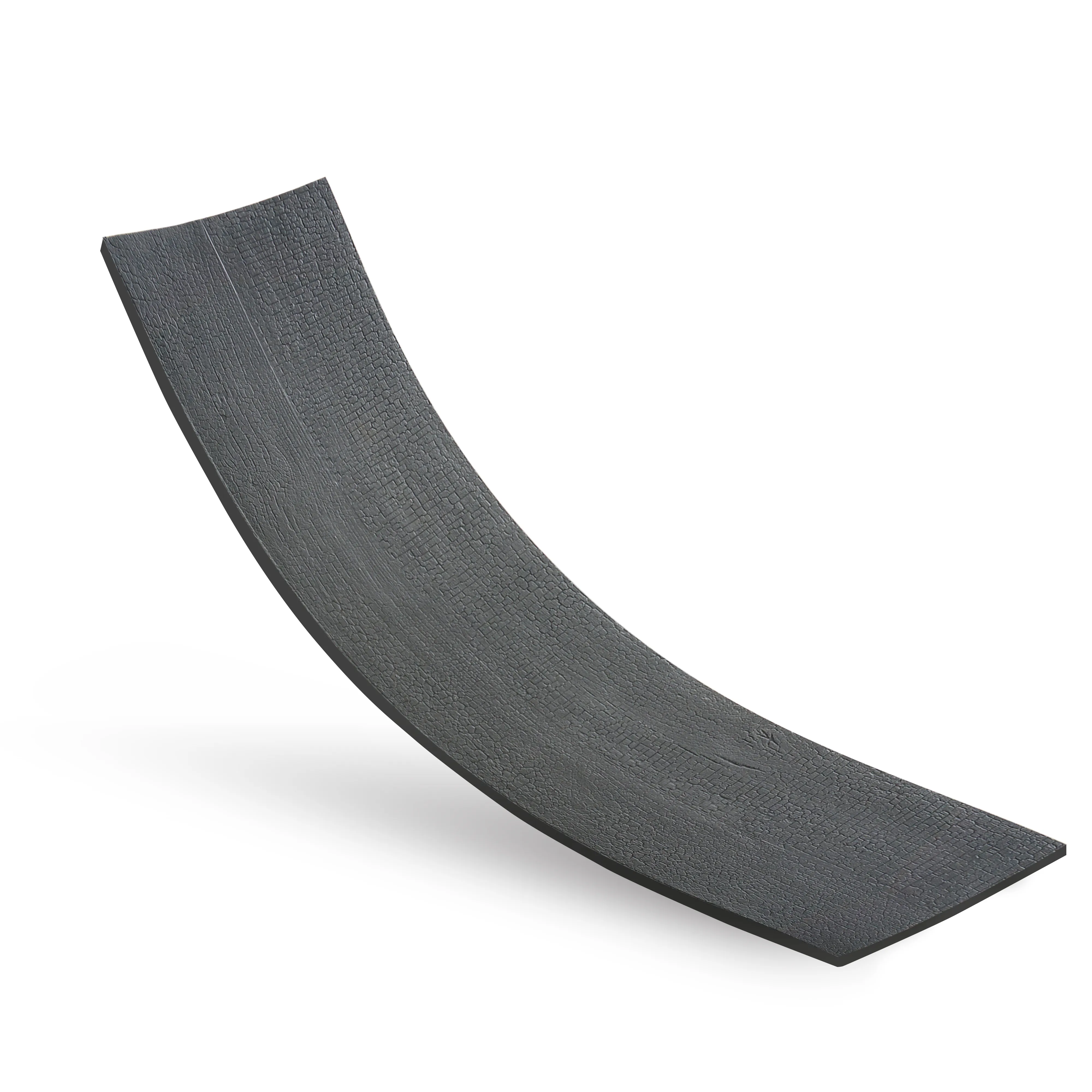
Now, run your hand along a rustic charcoal burnt wood board, and the experience shifts entirely. Here, the charring process leaves the wood's natural texture intact—maybe even accentuates it. Knots, grain lines, and small cracks become focal points, each telling a story of the tree's growth. The surface is rough to the touch, with peaks and valleys that catch your fingertips as you move them across the wood. This is texture with personality: bold, unapologetic, and deeply connected to nature.
Rustic texture celebrates imperfection. Instead of sanding down the charred layer, artisans leave it slightly raised, preserving the wood's natural irregularities. The charring itself may be uneven—darker in some spots, lighter in others—mimicking the way fire naturally dances across a surface. This creates a visual tapestry of tones: deep blacks, warm browns, and hints of amber that shift as light changes throughout the day. Unlike smooth texture, which feels controlled, rustic texture feels alive, as if the wood is still breathing.
One of the most striking features of rustic charcoal burnt wood is how it highlights the wood's grain. The charring process darkens the softer parts of the wood more than the harder grain, creating a striking contrast that makes the grain pop. It's similar to how a wood grain board emphasizes natural patterns, but with the added drama of the charred finish. Every knot becomes a "beauty mark," every split a testament to the wood's journey from forest to home.
Rustic charcoal burnt wood board is at home in spaces that crave warmth and character. Think of a mountain cabin's living room, where a rustic wood accent wall serves as the backdrop for a stone fireplace and plush leather couches. The rough texture of the wood adds layers of coziness, making the space feel like a retreat from the outside world. In this setting, the wood doesn't just fill the room—it wraps around it, creating a sense of security and belonging.
Restaurants with a farm-to-table ethos also lean into rustic textures. A rustic wood dining table becomes more than just a place to eat; it's a conversation starter. Guests run their hands along its surface, noticing the unique marks and patterns, and suddenly the meal feels more connected to the earth. Even in urban spaces, rustic charcoal burnt wood can add balance: a rough-hewn wood countertop in a minimalist kitchen adds warmth without sacrificing modernity, proving that texture can bridge styles.
Choosing between smooth and rustic charcoal burnt wood board isn't about picking "better"—it's about picking "right" for your space. To help clarify the decision, let's break down their key differences in a simple comparison:
| Characteristic | Smooth Texture | Rustic Texture |
|---|---|---|
| Touch & Feel | Sleek, even, and cool to the touch; minimal resistance when brushed with a hand. | Rough, uneven, and warm to the touch; fingertips catch on grain and knots. |
| Visual Appeal | Uniform color and surface; reflects light, creating a bright, airy feel. | Variegated color (darker in crevices, lighter on peaks); absorbs light, adding depth and coziness. |
| Maintenance | Easier to clean; smooth surface resists dust and debris buildup. | Requires more care; crevices can trap dust, though the sealed charred layer is still durable. |
| Best For | Modern, minimalist, or contemporary spaces; kitchens, bathrooms, offices. | Traditional, rustic, or bohemian spaces; living rooms, cabins, restaurants. |
| Mood | Calm, ordered, sophisticated. | Warm, inviting, lived-in. |
Of course, these are general guidelines—design is all about breaking rules. Some of the most memorable spaces blend smooth and rustic textures, creating contrast that feels dynamic yet harmonious. For example, a smooth charcoal burnt wood ceiling paired with a rustic wood floor adds visual interest without overwhelming the eye. The key is balance: let one texture take the lead, and the other play a supporting role.
Charcoal burnt wood board rarely stands alone in a space. Its texture shines brightest when paired with complementary materials that either enhance its qualities or create intentional contrast. Let's explore how smooth and rustic textures play with other materials, including a few notable mentions from the world of design.
Smooth charcoal burnt wood's sleekness pairs beautifully with materials that share its refined nature. Take travertine (beige), for example. This light, porous stone has a subtle texture that complements the wood's smoothness without competing. Imagine a bathroom with smooth wood vanities and travertine (beige) flooring: the wood adds warmth, while the travertine adds a touch of earthy elegance, creating a spa-like atmosphere that feels both luxurious and grounded.
Another winning combination? Smooth wood with fair-faced concrete. The cool, industrial vibe of concrete balances the wood's warmth, resulting in a modern space that feels neither too cold nor too cozy. This pairing works wonders in lofts or home offices, where the smooth wood desk and concrete walls create a backdrop for productivity and creativity.
For softness, consider adding textiles like weaving (khaki). A smooth wood headboard in a bedroom, paired with khaki woven pillows and throws, adds layers of texture without disrupting the room's calm. The wood's sleekness keeps the space feeling ordered, while the weaving adds a touch of softness that invites relaxation.
Rustic charcoal burnt wood thrives when paired with materials that embrace imperfection. Rammed earth board is a perfect match—this material, made from compressed soil, has a rough, organic texture that echoes the wood's rustic charm. Together, they create a space that feels deeply connected to the earth, like a modern take on a traditional adobe home. A living room with a rustic wood accent wall and rammed earth board fireplace becomes a gathering spot where family and friends feel instantly at ease.
Wood grain board is another natural companion. While rustic charcoal burnt wood highlights the grain through charring, wood grain board emphasizes it through careful milling. Together, they create a layered wood effect that celebrates the material's natural beauty. Picture a kitchen with rustic wood cabinets and a wood grain board backsplash: the combination feels cohesive yet dynamic, proving that two wood textures can coexist harmoniously.
For a touch of drama, pair rustic wood with slate portoro. This dark, veiny stone adds contrast to the wood's warm tones, creating a space that feels bold and inviting. A rustic wood dining table with slate portoro coasters or a statement countertop becomes the focal point of a room, drawing the eye and sparking conversation.
At the end of the day, the choice between smooth and rustic charcoal burnt wood board comes down to how you want to feel in a space. Do you crave the calm order of smooth textures, or the cozy warmth of rustic ones? Here are a few questions to guide your decision:
Remember, there's no "wrong" choice here. Both smooth and rustic charcoal burnt wood boards bring unique beauty to a space, and the best designs often find ways to incorporate both. Whether you're drawn to the sleek elegance of smooth or the rugged charm of rustic, one thing is certain: charcoal burnt wood board, in any texture, has the power to turn a house into a home—one touch, one story, one texture at a time.
Recommend Products












