
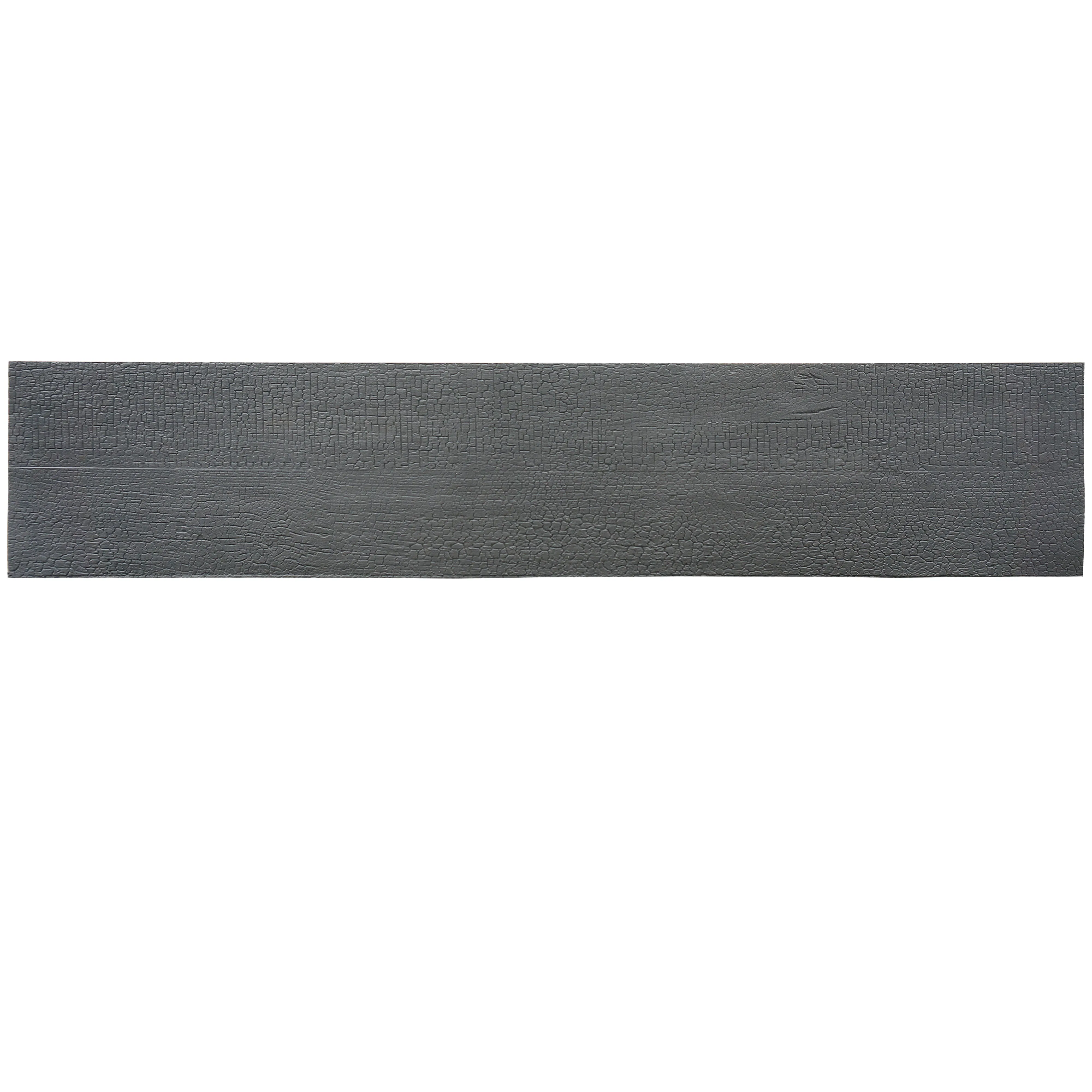
There's something inherently comforting about wood. It's the way it warms up a room with its natural tones, the stories its knots and grains seem to whisper, and how it effortlessly bridges rustic charm with modern sophistication. In recent years, one wood-derived material has emerged as a standout in interior and exterior design: charcoal burnt wood board. With its striking charred surface, remarkable durability, and chameleon-like versatility, it's become a favorite among architects, designers, and homeowners aiming to infuse spaces with character. But here's the critical detail that often gets overlooked—thickness. The right thickness isn't just about aesthetics; it impacts everything from installation ease and structural integrity to long-term performance. Let's explore the world of charcoal burnt wood board thicknesses, decode which size suits which project, and ensure your next design endeavor strikes the perfect balance between form and function.
Before diving into thickness, let's appreciate what makes charcoal burnt wood board so special. Unlike standard wood panels, this material undergoes a meticulous charring process, often inspired by the ancient Japanese technique of shou sugi ban , where wood is burned to enhance its resistance to fire, pests, and decay. The result? A surface that ranges from deep, velvety blacks to warm, honeyed browns, with intricate cracks and textures that capture light and shadow in captivating ways. It's a material that marries the organic beauty of wood with industrial resilience—think of it as wood with a backbone.
What truly sets it apart, though, is its adaptability. Whether you're designing a cozy cabin retreat or a sleek urban café, there's a thickness that aligns with your vision. But choosing that thickness requires more than guesswork. It demands understanding how the material will interact with its environment, how it will be used, and how it will contribute to the overall feel of the space. Let's break down the most common thickness options and their real-world applications.
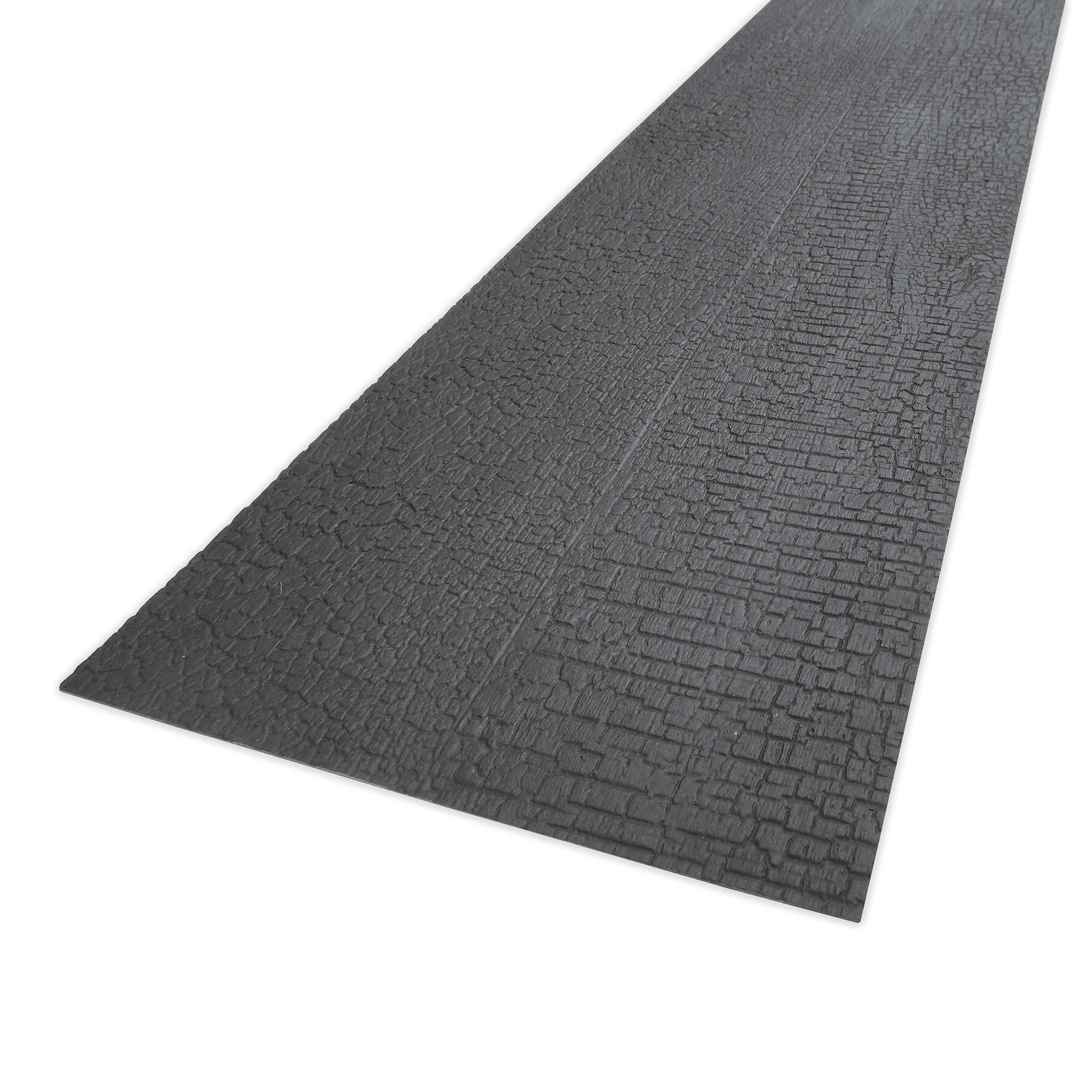
Charcoal burnt wood boards are available in a spectrum of thicknesses, each engineered to serve specific purposes. While custom sizes exist, these five options are the industry standards, each with its own strengths and ideal use cases.
At 6mm, this is the thinnest and most flexible option, designed for projects where subtlety and weight are paramount. Think of it as the "watercolor" of charcoal burnt wood boards—delicate, but capable of adding depth to a space without overwhelming it. Its light weight (around 3-4kg per square meter) and pliability make it ideal for:
However, 6mm boards have limitations. Their thinness means they're not suited for high-impact areas; a stray elbow or heavy object could dent or crack them. They also require a perfectly smooth substrate—drywall, plywood, or MDF—since any imperfection will telegraph through the material. But for projects where "less is more," 6mm delivers a refined, textured touch that elevates without dominating.
Step up to 12mm, and you're entering the realm of versatility. Weighing in at 6-7kg per square meter, this thickness strikes a harmonious balance between durability and manageability, making it the most popular choice for both DIY enthusiasts and professionals. It's robust enough to handle daily wear yet lightweight enough for straightforward installation. Here's where it excels:
What makes 12mm a crowd-pleaser? It's forgiving. Unlike 6mm, it hides minor substrate imperfections, and unlike thicker options, it doesn't require specialized tools for cutting or installation. It's also budget-friendly, offering a sweet spot between cost and performance. For most residential projects and many commercial ones, 12mm is the "if in doubt, choose this" thickness.
When projects demand enhanced durability and structural stability, 18mm boards take center stage. Weighing 9-10kg per square meter, they're built to withstand heavy use, making them a staple in commercial settings and high-traffic residential areas. Their thickness provides a substantial, premium feel that signals quality. Ideal applications include:
The tradeoff for this durability? Installation complexity. 18mm boards are heavier, so they require stronger fasteners (like screws rather than nails) and often a second pair of hands. They also cost more than thinner options, but their longevity makes them a wise investment for high-use areas. If your project needs to balance beauty with brawn, 18mm is the go-to choice.
At 25mm (12-13kg per square meter) and 30mm (14-15kg per square meter), we reach the heavyweights of the charcoal burnt wood board family. These thicknesses are all about making a bold design statement while delivering unparalleled strength. They're not for every project, but when used correctly, they become the focal point of a space. Common applications include:
These thick boards come with caveats. Their weight requires careful planning—structural support may be needed, and installation often demands professional equipment (like heavy-duty drills and lifting tools). They're also the priciest option, both in materials and labor. But for projects that aim to impress with both beauty and brute strength, 25mm or 30mm delivers in spades.
To simplify your decision, here's a quick reference guide to the key details of each thickness:
| Thickness | Primary Applications | Weight (per sq.m) | Installation Notes | Best For |
|---|---|---|---|---|
| 6mm | Accent walls (small spaces), ceilings, furniture accents | 3-4kg | Requires smooth substrate; lightweight, easy to cut | Delicate texture, low-impact areas |
| 12mm | Large accent walls, backsplashes, light flooring, retail displays | 6-7kg | Moderate weight; suitable for DIY with basic tools | Versatility, balanced durability and cost |
| 18mm | Commercial cladding, tabletops, shelving, semi-outdoor use | 9-10kg | Heavier; may need extra fasteners or professional help | High-traffic areas, structural support needs |
| 25mm | Heavy-duty flooring, custom furniture, outdoor decks | 12-13kg | Requires strong fasteners and often professional installation | Durability + bold aesthetic |
| 30mm | Grand statement walls, commercial flooring, architectural features | 14-15kg | Structural planning needed; professional installation recommended | Maximum impact and longevity |
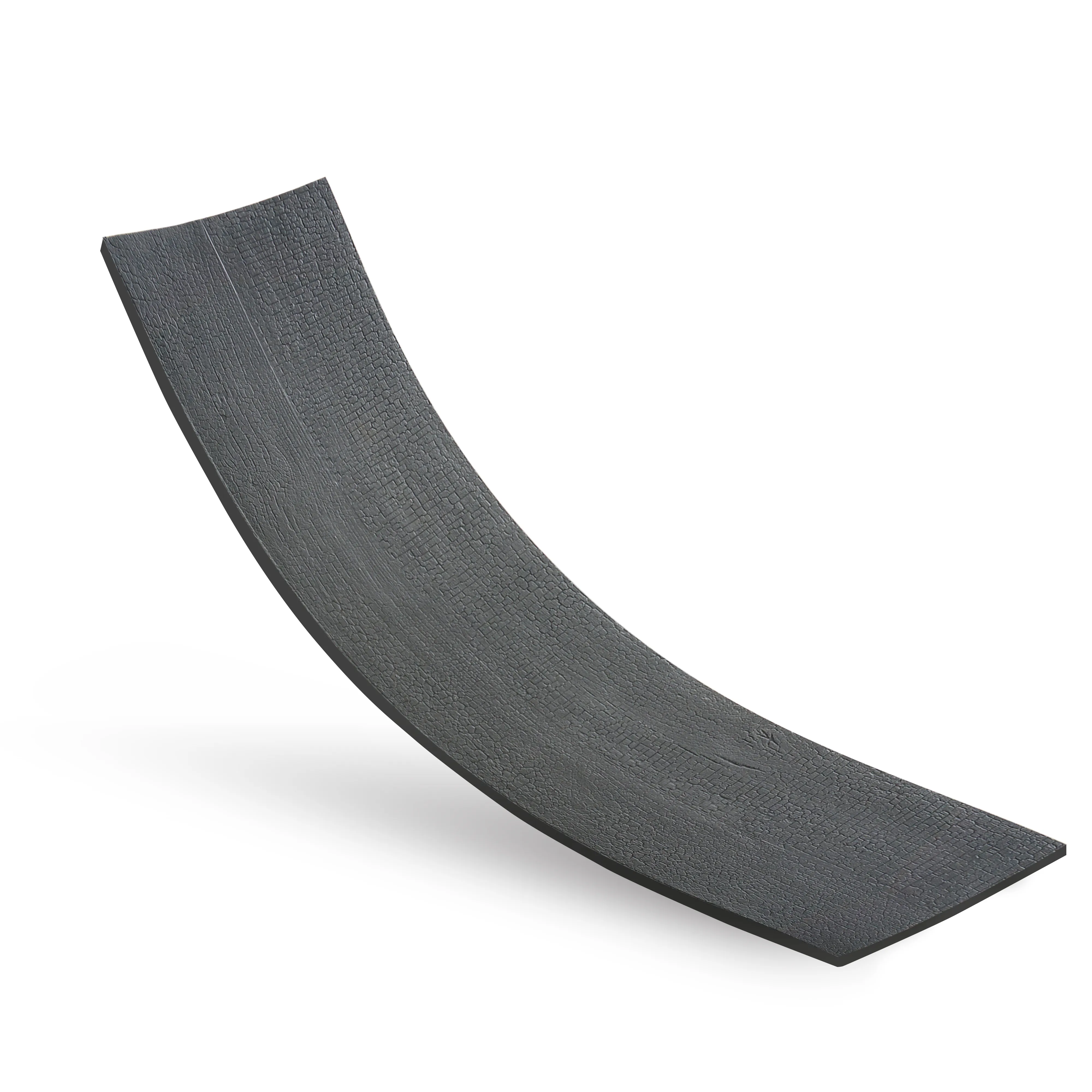
Selecting the perfect thickness isn't about picking the "best" option—it's about aligning the board's properties with your project's unique demands. Consider these five factors to make an informed decision:
The most important question is: What role will the charcoal burnt wood board play? A wall panel in a rarely used guest room has different needs than a restaurant bar top. For example:
Thickness directly correlates with load-bearing capacity. A floating shelf holding a few books might manage with 12mm, but a shelf loaded with heavy tools or appliances needs 18mm or 25mm to prevent sagging. Similarly, flooring in a commercial space requires thicker boards to support foot traffic, furniture, and equipment without flexing or warping.
Thickness impacts the visual weight of a space. Slimmer boards (6mm, 12mm) feel modern and, perfect for minimalist or Scandinavian designs. Thicker boards (25mm, 30mm) exude rustic charm or industrial strength, ideal for warehouses, cabins, or high-end hotels aiming for drama. Consider the room's size, too—30mm boards might overwhelm a small bathroom but shine in a spacious loft.
Moisture, temperature, and sunlight can affect performance. In humid climates (bathrooms, coastal homes), thicker boards may resist warping better than thinner ones—though proper sealing is critical for all thicknesses. In dry, arid regions, thinner boards are less prone to cracking. For outdoor use, UV rays can fade color over time, but thickness doesn't impact this—opt for UV-resistant sealants instead.
Thicker boards cost more upfront, both in materials and installation. 6mm is the most affordable, while 30mm can be twice the price. However, investing in thicker boards for high-use areas often saves money long-term by reducing replacement and repair costs. For example, spending more on 25mm for a kitchen island now avoids replacing a warped 12mm board in five years.
Consider "Harvest & Hearth," a farm-to-table restaurant in Portland, Oregon. Owner and designer Carlos wanted to use charcoal burnt wood board to reflect the restaurant's commitment to sustainability and rustic elegance. He faced the challenge of choosing thicknesses for three distinct areas:
The result? A cohesive design where each thickness choice aligns with the area's function, creating a space that feels intentional and inviting.
Charcoal burnt wood board rarely shines in isolation. Pairing it with other materials enhances its beauty and extends its versatility. Here are three winning combinations that leverage different thicknesses:
Wood grain board—with its subtle, uniform pattern—complements charcoal burnt wood board's bold texture, creating a layered, nature-inspired palette. For example, in a living room with 18mm charcoal burnt wood board on the fireplace wall, use 12mm wood grain board on adjacent walls. The burnt texture becomes the focal point, while the wood grain adds soft, consistent pattern, tying the space together. This pairing works beautifully in residential settings, evoking a cozy, cabin-like atmosphere.
Fair-faced concrete's cool, smooth, industrial aesthetic provides the perfect counterbalance to charcoal burnt wood board's warmth. In a kitchen, install 25mm charcoal burnt wood board on the island front and fair-faced concrete countertops. The thick wood adds organic warmth, while the concrete contributes sleek modernity, creating a space that feels both grounded and contemporary. This combination is ideal for urban lofts or restaurants aiming for an industrial-rustic vibe.
For outdoor projects, pairing charcoal burnt wood board with rough granite stone (medium grey) creates a durable, nature-inspired design. Imagine a patio with 25mm charcoal burnt wood board decking and rough granite stone (medium grey) steps and planter borders. The wood offers warmth underfoot, while the granite—known for its weather resistance—handles the elements, ensuring the space remains beautiful for years. This pairing is perfect for gardens, pool areas, or outdoor kitchens.
Even with careful planning, questions arise. Let's tackle the most frequent ones:
Not necessarily. While thicker boards resist dents and wear better, they're overkill for low-use areas. A 6mm accent wall in a bedroom will last decades with proper care, just as a 25mm bar top will in a restaurant. Choose thickness based on use, not just "more = better."
It's not ideal. Hallways see heavy foot traffic, furniture movement, and potential impacts. 12mm may wear prematurely or develop squeaks. Opt for 18mm or 25mm for high-traffic flooring to ensure longevity.
Thicker boards take longer to install due to their weight and the need for stronger fasteners. A 6mm wall might take a DIYer a day, while a 30mm wall could require a professional crew and multiple days. Labor costs increase with thickness, so factor this into your budget.
Yes. While the charring process enhances durability, sealing (with polyurethane, oil, or wax) is essential to protect against moisture, stains, and UV damage—regardless of thickness. Outdoor boards need extra sealing every 1-2 years; indoor boards can go 3-5 years between treatments.
Choosing the right thickness for your charcoal burnt wood board isn't just a technical decision—it's a design choice that shapes how a space feels and functions. Whether you opt for the delicate texture of 6mm, the versatility of 12mm, the durability of 18mm, or the boldness of 25mm/30mm, the key is to align the thickness with your project's purpose, aesthetic vision, and environment.
Remember, the best designs are intentional. A 6mm ceiling panel in a cozy café, a 18mm bar top in a bustling restaurant, or a 30mm statement wall in a luxury hotel—each thickness tells a story and serves a purpose. By understanding how thickness impacts performance and beauty, you'll ensure your charcoal burnt wood board project not only looks stunning but stands the test of time.
So, take a step back, assess your needs, and let the thickness be your guide. With the right size, your charcoal burnt wood board will transform from a material into a masterpiece—one that warms spaces, withstands life's demands, and leaves a lasting impression.
Recommend Products












