
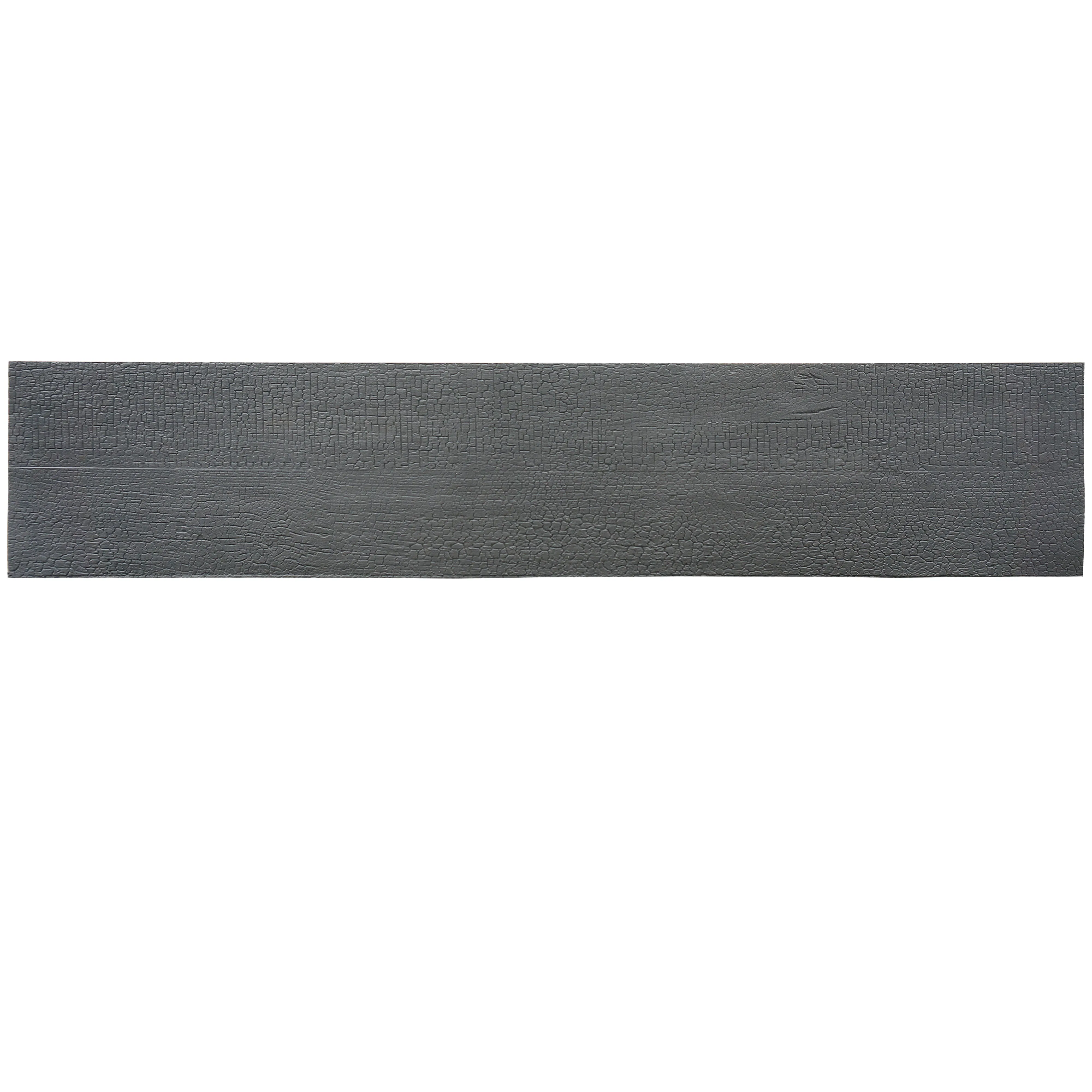
If you've ever walked into a modern café, a boutique hotel, or even a thoughtfully designed home, chances are you've admired the warm, earthy charm of wood paneling. But not all wood boards are created equal—especially when it comes to something as unique as charcoal burnt wood board . This material, with its rich, smoky hues and textured grain, has become a favorite among designers and builders who want to blend rustic character with durability. But here's the thing: when you're choosing charcoal burnt wood board for your next project, it's not just about picking a color or finish. The thickness of the board, its pH level, and its structural integrity can make or break the success of your build. Let's dive into why these factors matter, and how to choose the right options for your needs.
Think of it this way: if you're building a bookshelf, you wouldn't use the same thickness of wood as you would for a floor. Similarly, if your project involves outdoor exposure or high moisture, the pH of the board (which affects its resistance to mold and decay) becomes critical. And let's not forget structural integrity—nobody wants their carefully crafted wall cladding warping after a rainy season or their custom countertop cracking under daily use. So, let's unpack the details, starting with the first big decision: thickness.
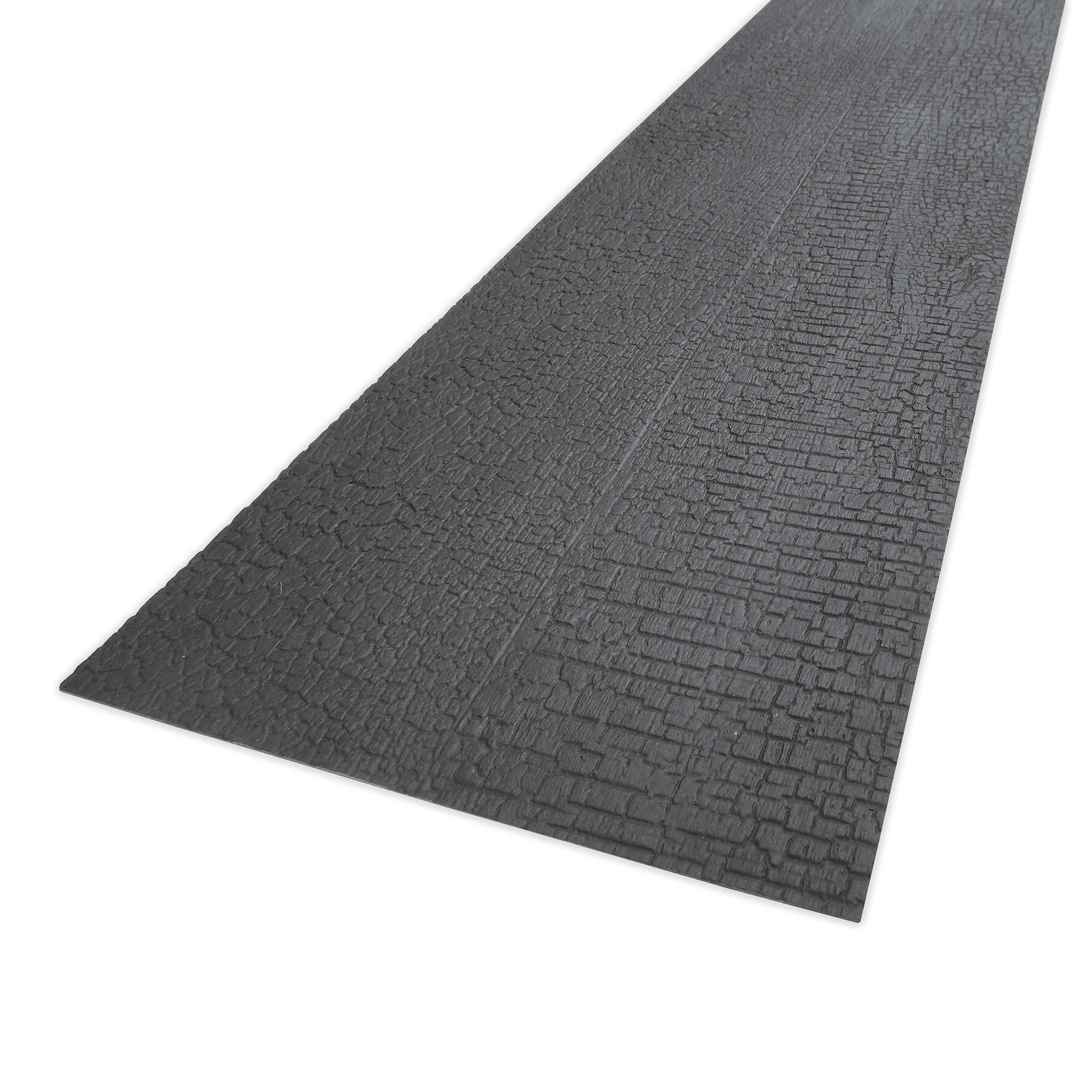
When you start shopping for charcoal burnt wood boards, one of the first questions you'll face is: "How thick do I need this to be?" It's a deceptively simple question, but the answer depends on what you're building, where it's going, and how much wear and tear it will endure. Let's break down the most common thickness options and when to reach for each.
At 12mm, you're looking at the thinnest end of the spectrum for charcoal burnt wood boards. This is the go-to choice for projects where weight and flexibility matter most—think wall cladding, accent panels, or even ceiling treatments. Imagine installing a feature wall in a small apartment: you don't want heavy boards weighing down the structure, and 12mm offers just enough substance to hold its shape without feeling bulky. It's also a favorite for furniture like headboards or cabinet doors, where a sleek profile is key. Just keep in mind: 12mm isn't ideal for high-impact areas. You wouldn't use it for flooring in a busy hallway or a countertop that sees daily chopping.
If 12mm is the "lightweight champion," 18mm is the "all-rounder." This thickness strikes a sweet balance between durability and manageability, making it the most popular choice for many projects. Need to clad a wall that might get bumped by a vacuum or a stray elbow? 18mm can handle it. Want to build floating shelves that hold books or decor? 18mm has the strength to support moderate weight without sagging. It's also a solid pick for low-traffic flooring, like in a bedroom or home office, where foot traffic is lighter than a kitchen or living room. Builders love 18mm because it's easy to work with—cuts cleanly, installs without specialized tools—and still offers that rich, textured look charcoal burnt wood is known for.
For projects that demand serious strength, 25mm and 30mm are where you'll turn. These thicker boards are built to withstand heavy use, making them perfect for high-traffic areas or load-bearing applications. Let's say you're designing a restaurant floor that will see hundreds of footsteps daily, or a commercial bar top that will have glasses, plates, and elbows resting on it for hours. 25mm or 30mm charcoal burnt wood board can take that abuse and keep looking good. They're also great for outdoor projects, like a covered patio ceiling or exterior wall cladding, where exposure to wind, rain, and temperature swings requires extra resilience. The tradeoff? These boards are heavier, so installation might require extra hands or stronger mounting hardware. But when durability is non-negotiable, the extra thickness is worth every pound.
Of course, some projects are too unique for off-the-shelf options. Maybe you're working on a heritage restoration that requires matching the thickness of original wood panels, or a sculptural installation that needs an unusual dimension. Many manufacturers offer custom thicknesses (think 15mm, 22mm, or even 40mm) for these cases. Just be prepared for longer lead times and a slightly higher cost—custom cutting and processing takes extra time, but the result is a board that fits your vision perfectly.
| Thickness | Ideal Applications | Key Considerations |
|---|---|---|
| 12mm | Wall cladding, accent panels, ceiling treatments, lightweight furniture | Best for low-impact, non-load-bearing uses; easy to install |
| 18mm | General wall cladding, floating shelves, low-traffic flooring, cabinet doors | Balances durability and manageability; most versatile option |
| 25mm–30mm | High-traffic flooring, commercial countertops, outdoor cladding, heavy-duty shelves | Heavy-duty strength; requires sturdier mounting; ideal for harsh conditions |
| Custom (e.g., 15mm, 40mm) | Heritage projects, sculptural designs, unique architectural features | Longer lead time; tailored to specific needs |
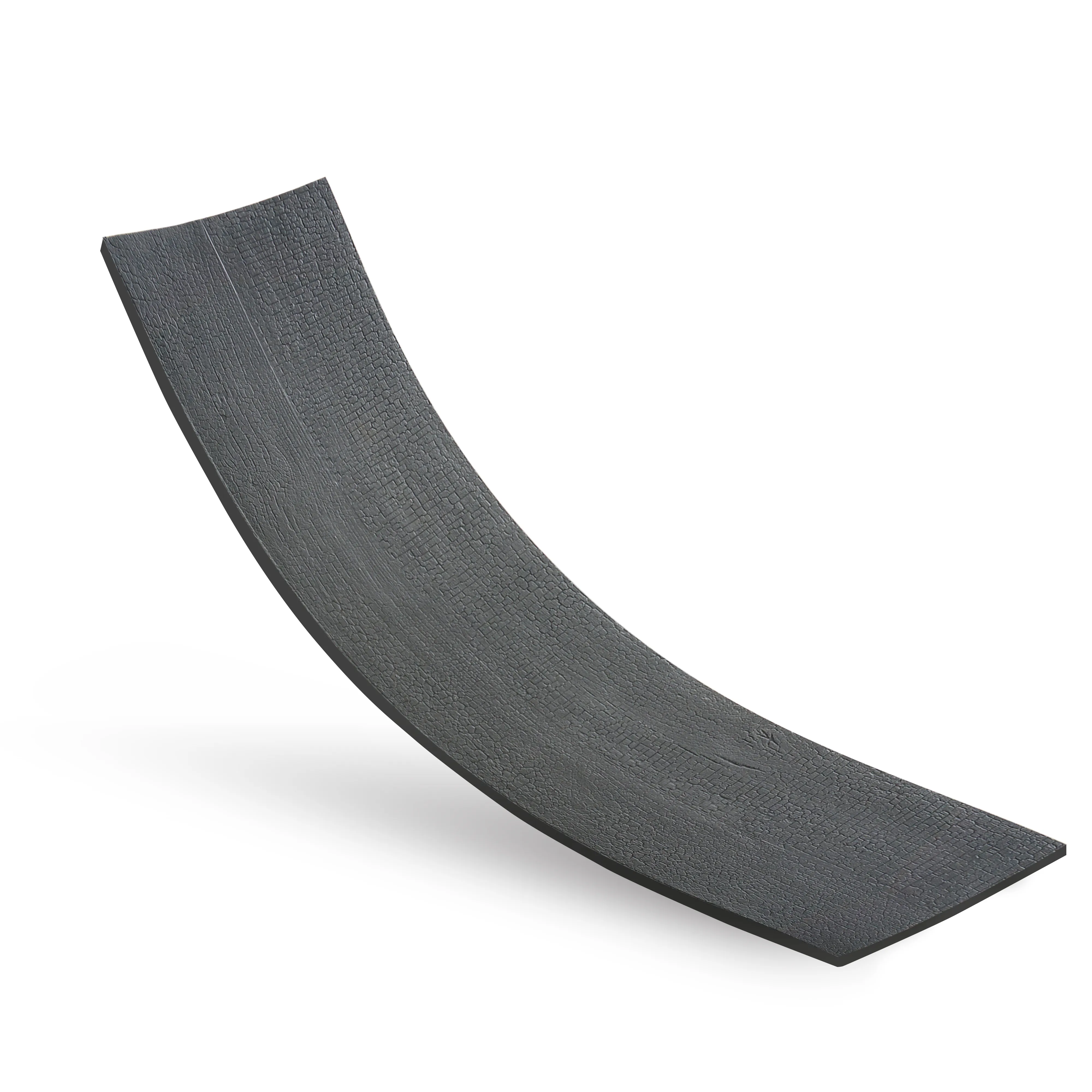
Now, let's talk about something that might not cross your mind at first glance: pH. You probably remember pH from high school science class—it's the measure of how acidic or alkaline a substance is, ranging from 0 (highly acidic) to 14 (highly alkaline). But what does that have to do with charcoal burnt wood board? Turns out, a lot. The pH of your wood board can affect everything from its lifespan to how well it plays nice with other materials in your project.
First, let's get practical: wood is a natural material, and like all organic matter, it's vulnerable to mold, mildew, and decay if conditions are right. Mold thrives in acidic environments (low pH), while some types of wood-boring insects prefer alkaline conditions (high pH). A balanced pH—typically around 6.0 to 7.5 (slightly acidic to neutral)—is the sweet spot for charcoal burnt wood board. This range inhibits mold growth and keeps pests at bay, ensuring your board lasts for years, not just months. But pH isn't just about durability; it also affects how well the board bonds with paints, stains, and sealants. If your board is too acidic, paint might peel; too alkaline, and the stain might not absorb evenly. Ever seen a wall where the finish looks blotchy or uneven? Chances are, pH was a factor.
You might be wondering: How do you even measure the pH of a wood board? It's not as simple as dipping a strip into a liquid. Manufacturers use a method called "hot water extraction" or "cold water extraction" to test pH. Here's the gist: a small sample of the wood is ground into a powder, mixed with distilled water, and then a pH meter is used to measure the solution. Reputable brands will publish these pH values in their product specs, so you can check before you buy. Look for boards with a pH between 6.0 and 7.5—this is the range that's been proven to offer the best balance of mold resistance and finish compatibility. Avoid boards with pH below 5.5 (too acidic) or above 8.0 (too alkaline) unless the manufacturer can provide specific testing data showing they've treated the wood to mitigate these issues.
Let's say you're installing charcoal burnt wood board in a bathroom—a space with high humidity. If you accidentally pick a board with a pH of 5.0 (acidic), within a few months, you might start noticing dark spots (mold) along the edges or behind the panels. Not only is this unsightly, but mold can also compromise the structural integrity of the board over time, leading to warping or rot. On the flip side, a board with a pH of 8.5 (alkaline) in a kitchen might react poorly with the water-based polyurethane sealant you apply, causing the finish to bubble or peel. That's why "real pH" isn't just a marketing term—it's a measurable, critical factor in ensuring your project stands the test of time.
So we've covered thickness options and pH—now, let's talk about the backbone of any building material: structural integrity. Simply put, structural integrity is how well a material holds up under stress: weight, moisture, temperature changes, and everyday wear and tear. For charcoal burnt wood board, thickness plays a big role here, but it's not the only factor. The quality of the wood, the charring process, and even how the board is stored before installation all contribute to how well it will perform over time.
Let's start with the obvious: thicker boards are generally stronger. A 30mm board will resist bending and warping better than a 12mm board under the same conditions. But it's not just about raw strength—it's about stiffness . Stiffness is what prevents the board from sagging when you hang it on a wall or place weight on it. Engineers measure this using a property called "modulus of elasticity," which essentially tells you how much a material will bend under load. Charcoal burnt wood boards have a modulus of elasticity that increases with thickness, meaning thicker boards stay straighter and more stable over time. For example, a 25mm board used as a shelf will sag less under the weight of books than an 18mm board of the same length. This is why thickness is such a key consideration for load-bearing applications.
Moisture is wood's worst enemy, and charcoal burnt wood is no exception—though the charring process does offer some natural protection (the char layer acts as a barrier against water). Even so, if moisture seeps into the uncharred core of the board, it can cause swelling, warping, or rot. Thicker boards have an advantage here: they take longer to absorb moisture, giving you more time to address leaks or humidity issues before damage occurs. But thickness alone isn't enough. High-quality charcoal burnt wood boards are also treated with sealants or preservatives to enhance moisture resistance. Look for boards labeled "kiln-dried" (this removes excess moisture from the wood before charring) and "water-resistant" (meaning they've been treated with a sealant that repels liquid). When combined with the right thickness, these treatments make for a board that can handle damp environments like bathrooms or covered outdoor spaces.
If you've ever seen an old wooden floor with boards that curve upward at the edges (cupping) or bow in the middle (warping), you've seen the effects of uneven moisture absorption. Wood expands when it absorbs moisture and contracts when it dries out; if this happens unevenly, the board can deform. Thicker boards are less prone to this because they have more mass—they change shape more slowly and are more resistant to minor fluctuations in humidity. For example, a 12mm board might start cupping after a week of high humidity in a room without proper ventilation, while a 25mm board might take months to show any signs of warping. This is why thicker boards are preferred for large, continuous installations like wall cladding or flooring, where even a small amount of warping can ruin the entire look.
Charcoal burnt wood board is a standout material, but it's not the only option out there. Let's take a quick look at how it compares to a few other popular building materials, including wood grain board , fair-faced concrete , and historical pathfinders stone , to help you decide if it's the right fit for your project.
Wood grain board is a budget-friendly alternative that mimics the look of real wood with a printed or embossed surface. It's often made from MDF or particleboard with a vinyl or paper overlay. While it's cheaper and comes in a wider range of "wood looks," it can't match the durability or authenticity of charcoal burnt wood board. Wood grain board has a lower structural integrity—it dents easily, isn't moisture-resistant, and the printed surface can scratch off over time. For temporary projects or low-budget spaces, it might work, but for something you want to last (and look genuine), charcoal burnt wood is worth the investment.
Fair-faced concrete is beloved for its industrial, minimalist vibe, but it's a heavyweight compared to charcoal burnt wood. Concrete offers exceptional structural integrity and fire resistance, but it's cold to the touch and can be hard to install (it requires formwork and curing time). Charcoal burnt wood, on the other hand, is warmer, lighter, and easier to work with—you can cut it on-site and install it in a day, not a week. If you're going for a cozy, organic feel, wood is the way to go; if you want a sleek, modern, low-maintenance look, concrete might be better. The key? They can even complement each other—imagine a fair-faced concrete wall with charcoal burnt wood shelves or accents.
Historical pathfinders stone is a nod to heritage, with a rough, weathered texture that evokes old-world charm. Like charcoal burnt wood, it's prized for its aesthetic appeal, but stone is heavier, less flexible, and more expensive to install. Stone is great for exterior walls or floors where you want a timeless, durable surface, but it lacks the warmth of wood. Charcoal burnt wood, with its rich tones and natural grain, adds softness to spaces, making it ideal for interiors where comfort is key. If your project blends old and new, consider using both—historical pathfinders stone for the exterior facade and charcoal burnt wood for the interior cladding to create a cohesive, layered look.
At the end of the day, charcoal burnt wood board is more than just a design choice—it's a practical one. By understanding thickness options (12mm for lightweight projects, 18mm for all-purpose use, 25mm+ for heavy duty), real pH (aim for 6.0–7.5 for durability and finish compatibility), and structural integrity (thickness + moisture resistance + quality treatment), you can choose a board that not only looks great but performs even better.
Whether you're cladding a wall, building shelves, or designing a commercial space, remember: the best charcoal burnt wood board is the one that fits your project's unique needs. Take the time to check pH specs, compare thicknesses, and ask manufacturers about their testing processes. Your future self (and your project) will thank you for it. After all, great design isn't just about what you see—it's about what stands the test of time.
Recommend Products












