
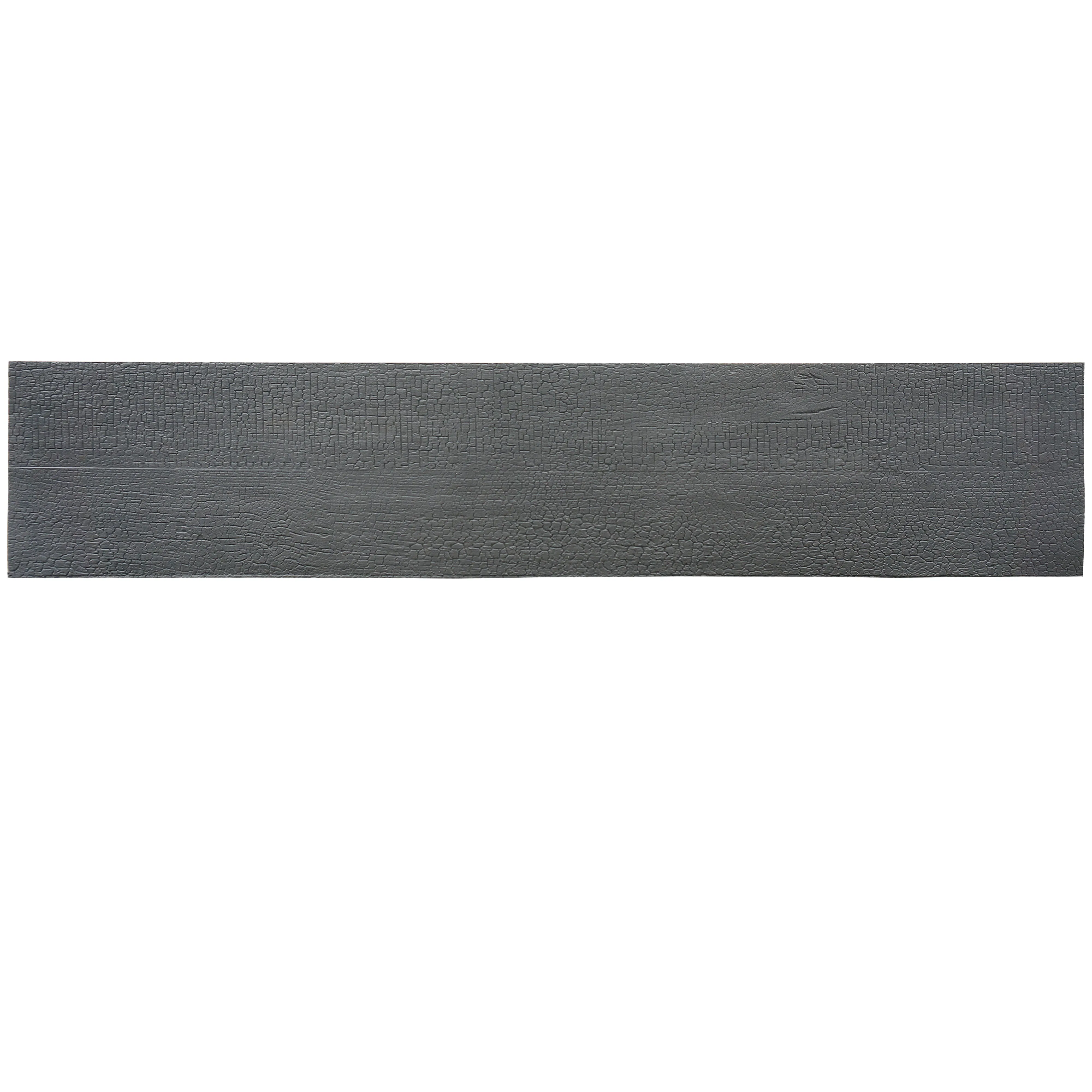
Why the scale matters more than you think for your next project
Let's start with a scenario we've all lived (or at least heard of): You've spent months planning your dream home renovation. You've picked out the perfect color palette, scoured Pinterest for inspiration, and even budgeted for those fancy fixtures. But halfway through the project, your contractor drops a bombshell: "The second-floor subfloor can't support those ceramic tiles you wanted. We need to pivot—fast."
Suddenly, all that excitement fades. What went wrong? Chances are, you overlooked one critical detail: weight. In construction, the heft of your building materials isn't just a numbers game—it's the difference between a smooth installation and a structural headache, between staying on budget and blowing through it, between a project that lasts decades and one that starts showing cracks (literally) in years.
Today, we're diving deep into two materials that often end up on opposite sides of the scale: Charcoal Burnt Wood Board and Ceramic Tiles . Both are beloved for their aesthetics and durability, but when it comes to weight, they might as well be from different planets. By the end of this article, you'll understand why their weight profiles matter, how they stack up in real-world scenarios, and which one deserves a spot in your next project—whether you're revamping a bathroom, building a backyard patio, or designing a high-rise lobby.
And yes, we'll even throw in a few curveballs—like how flexible stone and wood concrete board fit into the mix—because in construction, knowledge is the best tool you'll ever own.
Before we get into the nitty-gritty of Charcoal Burnt Wood Board and Ceramic Tiles, let's talk about why weight deserves a front-row seat in your material selection process. It's not just about "can my floor hold it?"—though that's a big one. Weight ripples through every stage of a project, from the moment materials leave the factory to the day you hang the "finished" sign.
Take it from Sarah, a contractor with 15 years of experience: "I once worked on a 1920s brownstone renovation where the client insisted on marble tiles for the second floor. We had to reinforce the floor joists with steel beams—costing an extra $12,000 and pushing the project back three weeks. If they'd gone with a lighter option like Charcoal Burnt Wood Board, we could've saved both time and money."
Weight, in short, is the quiet decision-maker. Now, let's meet the two contenders.
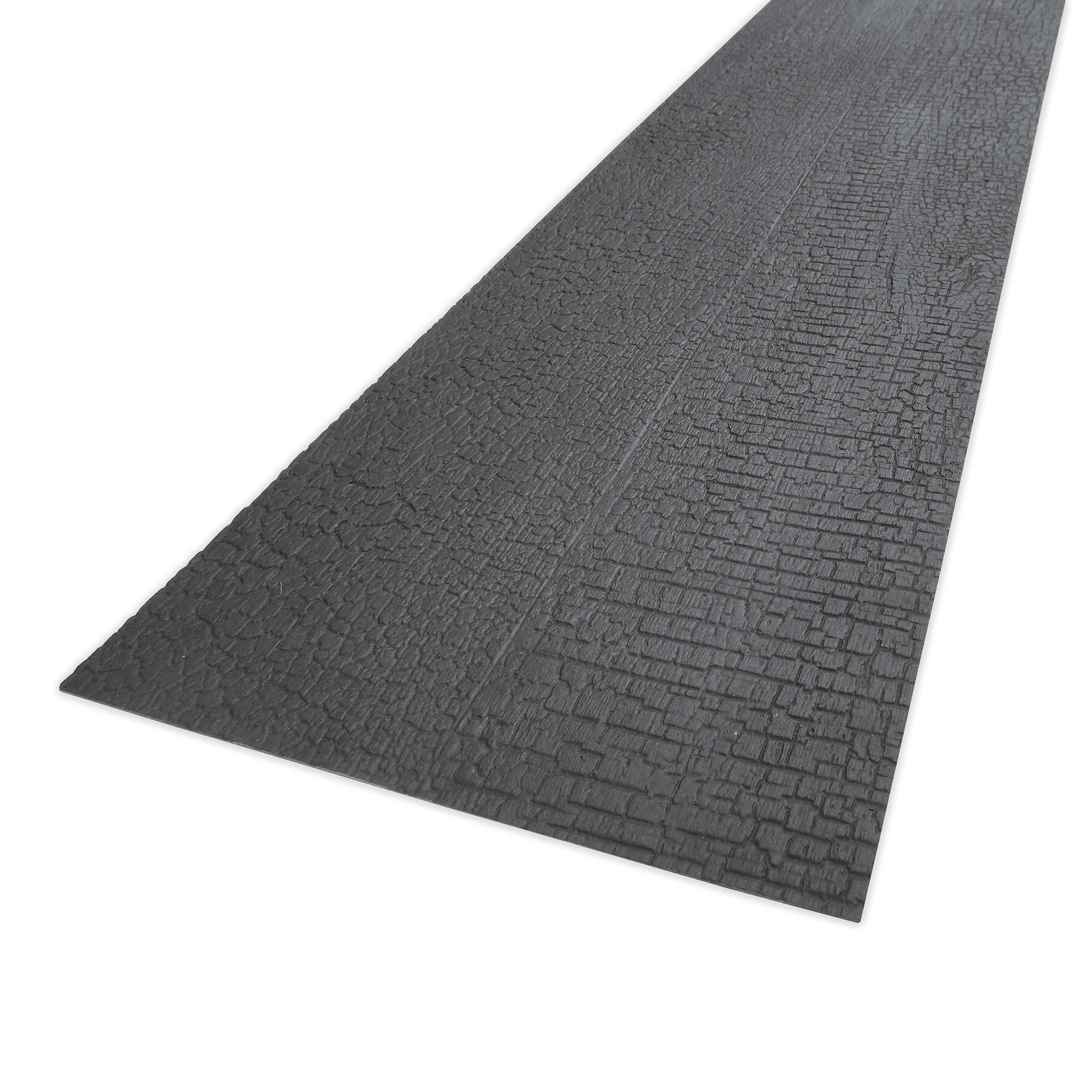
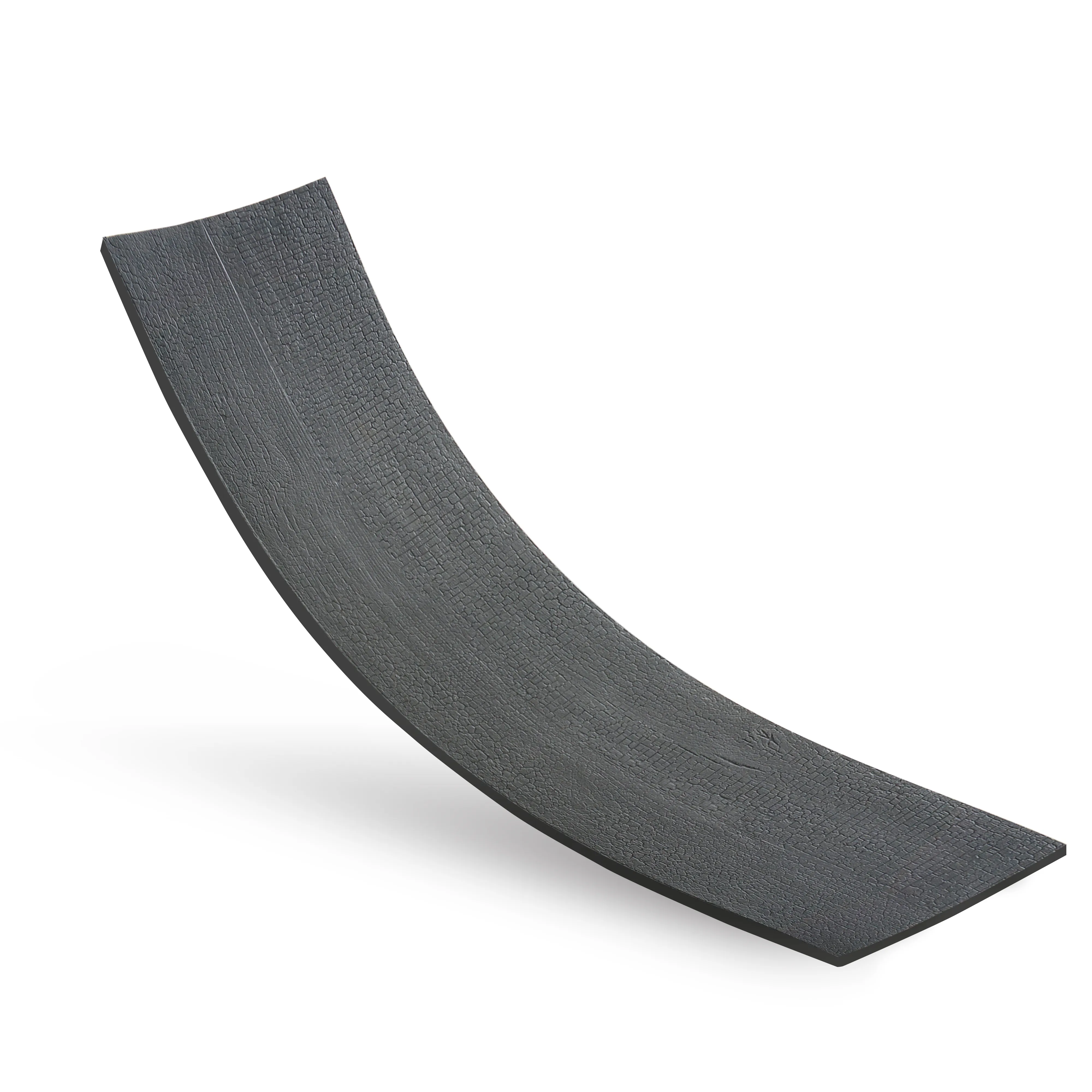
If you've ever walked into a modern farmhouse or a Scandinavian-inspired café and thought, "That wood wall feels both cozy and durable," chances are you were looking at Charcoal Burnt Wood Board. It's a material that blends the warmth of real wood with the resilience of a well-built tool—all while keeping things surprisingly light.
Let's start with the basics. Charcoal Burnt Wood Board (sometimes called "shou sugi ban" after the traditional Japanese technique that inspired it) is exactly what it sounds like: wood that's been intentionally charred. But this isn't your backyard bonfire mishap—it's a controlled process that transforms ordinary lumber into something extraordinary.
Here's how it works: Craftsmen take planks of wood (often cedar, pine, or oak) and char the surface using a torch or flame. The heat chars the outer layer, creating a dark, textured finish that repels water, insects, and rot. After charring, the wood is brushed to remove loose soot, then sealed with oil or wax to lock in durability. Some manufacturers add a layer of resin or composite material to the back for extra stability, but the core remains real wood—just with a superpowered outer shell.
Now, the million-dollar question: How much does this stuff weigh? Let's break it down. Most Charcoal Burnt Wood Boards are sold in standard thicknesses: 12mm, 18mm, or 24mm. The weight varies slightly by wood type and thickness, but here's a general rule of thumb:
To put that in perspective: A 12mm Charcoal Burnt Wood Board weighs about the same as a large bag of potatoes. Compare that to a solid oak plank of the same thickness, which can hit 15–18 kg/m², and you start to see why this material is a favorite for weight-sensitive projects.
So, what does "lightweight" actually mean for your project? Let's get practical.
Imagine installing a wall in your home office. With Charcoal Burnt Wood Board, you could carry a 2.4m x 1.2m sheet (weighing ~25kg for 18mm thickness) by yourself—no need to beg a friend for help. Ceramic tiles of the same area? You'd be looking at 40–60kg, which is a two-person job at minimum.
Older homes, especially those built before the 1950s, often have floor joists that can't handle heavy loads. If you're renovating a second-story bathroom in a 1920s bungalow, swapping ceramic tiles for Charcoal Burnt Wood Board could save you from having to reinforce the joists—a job that can cost $500–$2,000 per room.
A standard pallet of Charcoal Burnt Wood Board (about 200 sq ft of 18mm material) weighs roughly 450kg. A pallet of porcelain tiles? 800–1,000kg. Shipping a 1,000 sq ft project? That's 2–3 extra pallets for tiles, adding $500–$1,500 to your transportation bill.
Ever wondered how restaurants get those stunning accent walls on mezzanines or rooftops? Lightweight materials like Charcoal Burnt Wood Board make it possible. Installers can carry sheets up ladders or small elevators without worrying about overloading equipment—or themselves.
But wait—doesn't "lightweight" sometimes mean "flimsy"? Not here. The charring process actually hardens the wood's surface, making it resistant to scratches, dents, and moisture. We've seen Charcoal Burnt Wood Board hold up in high-traffic hallways and even outdoor patios (with proper sealing, of course). It's the rare material that's both easy to handle and tough as nails.
Now, let's turn to the other corner: Ceramic Tiles. They've been around for centuries—literally. The ancient Egyptians used ceramic tiles in tombs, and the Romans adorned their villas with them. Today, they're a staple in kitchens, bathrooms, and commercial spaces worldwide. Why? Because they're durable, water-resistant, and come in endless styles. But all that longevity and beauty comes with a price: weight.
Ceramic tiles start as humble clay—usually a mix of kaolin, feldspar, and quartz—mixed with water to form a paste. This paste is shaped into tiles (either pressed or extruded), dried, and then fired in a kiln at temperatures up to 1,200°C (2,200°F). The high heat fuses the minerals together, creating a hard, dense material. Some tiles are glazed (coated with a glass-like layer for color and shine), while others are unglazed (like natural stone-look tiles).
Then there's porcelain tile, a type of ceramic tile made from finer clay and fired at even higher temperatures. It's denser, harder, and—you guessed it—heavier than standard ceramic tile. So when we talk about "ceramic tiles," we're really talking about a spectrum, from lightweight (yes, some are lighter than others!) to "I need a dolly for this" heavy.
Let's get specific. Ceramic tile weight depends on three factors: type (ceramic vs. porcelain), thickness, and size. Here's a typical breakdown:
To visualize: A single 12x12 inch (30x30cm) porcelain tile can weigh 1.5–2kg. A box of 10 tiles? 15–20kg. Now, imagine carrying 10 boxes up to a second-floor bathroom. That's 150–200kg of material—about the weight of a small piano. No wonder tile installers charge extra for second-story jobs!
Ceramic tiles are fantastic—don't get us wrong. They're waterproof, easy to clean, and can last 50+ years with proper care. But their weight creates challenges that go beyond sore muscles.
A few years back, a client came to us with a problem: their apartment balcony, tiled with large-format porcelain tiles, was developing cracks in the floor. An engineer inspection revealed the culprit: the tiles, combined with the mortar bed, were putting too much stress on the balcony's concrete slab. The solution? Removing the tiles (a messy, expensive job) and replacing them with lightweight wood concrete board —a decision that saved the balcony from needing structural repairs, but cost $3,000 in demo and reinstallation.
Moral of the story: Even strong structures have limits. Ceramic tiles might seem like a "safe" choice, but their weight can push those limits further than you think.
Before we write off ceramic tiles as "too heavy," let's give credit where it's due. Their weight can be an advantage in certain situations:
So, ceramic tiles aren't "bad" because they're heavy—they're just better suited for projects where weight isn't a limiting factor. Think: ground-floor bathrooms, basements, or new builds with reinforced structures.
Enough talk—let's see the numbers. Below is a head-to-head comparison of Charcoal Burnt Wood Board and Ceramic Tiles, focusing on weight and its real-world implications. We've included wood concrete board as a bonus, since it's another lightweight option you might encounter.
| Feature | Charcoal Burnt Wood Board (18mm) | Ceramic Tile (Porcelain, 12mm) | Wood Concrete Board (20mm) |
|---|---|---|---|
| Weight per Square Meter (kg) | 10–12 kg | 20–25 kg | 12–14 kg |
| Weight of a 1m² Sheet/Piece (kg) | 10–12 kg (single sheet) | 20–25 kg (multiple tiles + mortar) | 12–14 kg (single sheet) |
| Shipping Weight per Pallet (kg)* | ~450 kg (200 sq ft) | ~800–1,000 kg (200 sq ft) | ~500 kg (200 sq ft) |
| Structural Support Needed | Minimal (works with standard joists) | Reinforced joists/floor (for upper floors) | Minimal to moderate |
| Installation Labor (per 100 sq ft) | 1–2 workers, ~4 hours | 2–3 workers, ~8 hours | 1–2 workers, ~5 hours |
*Based on industry averages for standard pallet sizes. Exact weights vary by manufacturer.
Looking at this table, the differences are stark. Charcoal Burnt Wood Board weighs roughly half as much as porcelain tile per square meter. That translates to easier installation, lower shipping costs, and less strain on your building's structure. But ceramic tiles hold their own in stability and durability—if your project can handle the weight.
At this point, you might be thinking, "Okay, Charcoal Burnt Wood Board is lighter, ceramic tiles are heavier—but which one is right for my project?" The answer depends on a few key factors: where you're installing the material, the age/condition of your building, and your budget (both time and money).
We'd be remiss not to mention flexible stone here—a newer material that's taking the construction world by storm. Made from real stone particles bonded with flexible resins, it looks and feels like natural stone but weighs a fraction of the real thing (5–8 kg per square meter). It's perfect for curved surfaces, backsplashes, or projects where weight is the top priority. Think of it as the "Swiss Army knife" of lightweight materials—versatile, durable, and easy to work with.
And then there's wood concrete board , a blend of wood fibers and concrete that offers the best of both worlds: the warmth of wood and the durability of concrete, with a weight profile similar to Charcoal Burnt Wood Board. It's a great middle ground if you want something sturdier than wood but lighter than tile.
At the end of the day, choosing between Charcoal Burnt Wood Board and Ceramic Tiles isn't about picking a "winner"—it's about picking the right material for your project's unique needs. Weight is a critical factor, but it should dance with other considerations like durability, aesthetics, cost, and moisture resistance.
If you're renovating a 1930s cottage with creaky floorboards, Charcoal Burnt Wood Board might be the hero you need. If you're building a sleek, modern bathroom in a new concrete slab home, ceramic tiles could be the perfect fit. And if you're somewhere in between? Consider flexible stone or wood concrete board—materials that prove you don't have to sacrifice strength for lightness (or vice versa).
Remember: The best material is the one that makes your project easier, safer, and more beautiful—without breaking the bank or your back. So grab your measuring tape, consult your contractor, and don't forget to ask the big question: "Can my structure handle the weight?" Your future self (and your floors) will thank you.
Recommend Products












