
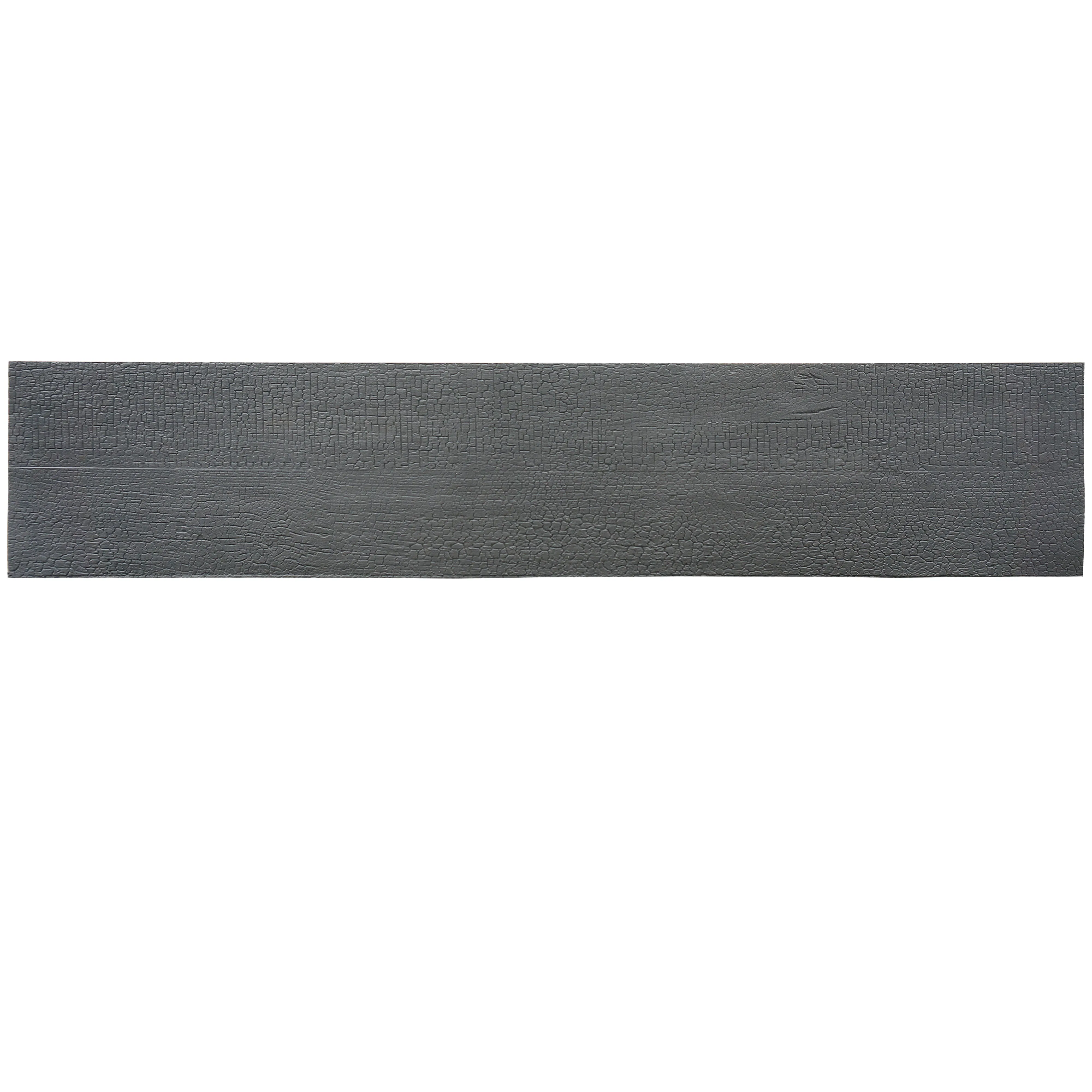
Choosing the right material for your home or commercial project can feel like solving a puzzle—especially when it comes to wood. You want something that looks good, lasts long, fits your budget, and maybe even tells a story. Two options that often pop up in design conversations are charcoal burnt wood board and engineered wood. They're both wood-based, but they couldn't be more different in vibe, durability, and use cases. Let's break them down, so you can pick the one that feels like *you*.
Before we dive into pros and cons, let's make sure we're on the same page. What *is* charcoal burnt wood board, anyway? And how is engineered wood different from the "real" wood you might find in a old barn?
Charcoal burnt wood board—you might also hear it called shou sugi ban, after the traditional Japanese technique that inspired it—is wood that's been intentionally charred, brushed, and sealed. Imagine taking a piece of cedar, pine, or cypress, torching its surface until it turns deep brown or black, then gently brushing off the loose charcoal to reveal a textured, almost sculptural layer underneath. Finally, it's sealed with oil or wax to lock in that look.
The result? A material that feels both ancient and modern. The charring process isn't just for show, though. It's a natural way to protect the wood: the burnt layer resists pests, rot, and even fire. Walk into a room with charcoal burnt wood walls, and you'll notice how the light plays off those charred grooves—there's depth here, like the wood has lived a life before it met your space.
Engineered wood, on the other hand, is the practical sibling. It's not a single piece of wood but a sandwich of layers: a core of plywood, fiberboard, or particleboard, topped with a thin veneer of real wood (or a printed design that looks like wood). Think of it as wood with a backup team—those layers make it stronger and more stable than solid wood, which can warp or shrink with temperature and humidity changes.
One of the most popular types of engineered wood is wood grain board, which mimics the look of natural wood grain with impressive precision. If you love the idea of wood but want a pattern that repeats evenly across a large surface—say, a kitchen backsplash or a bedroom floor—wood grain board delivers that polished, cohesive look without the hassle of matching uneven natural planks. It's the reason you'll see engineered wood in everything from budget-friendly apartments to high-end hotels: it's adaptable.
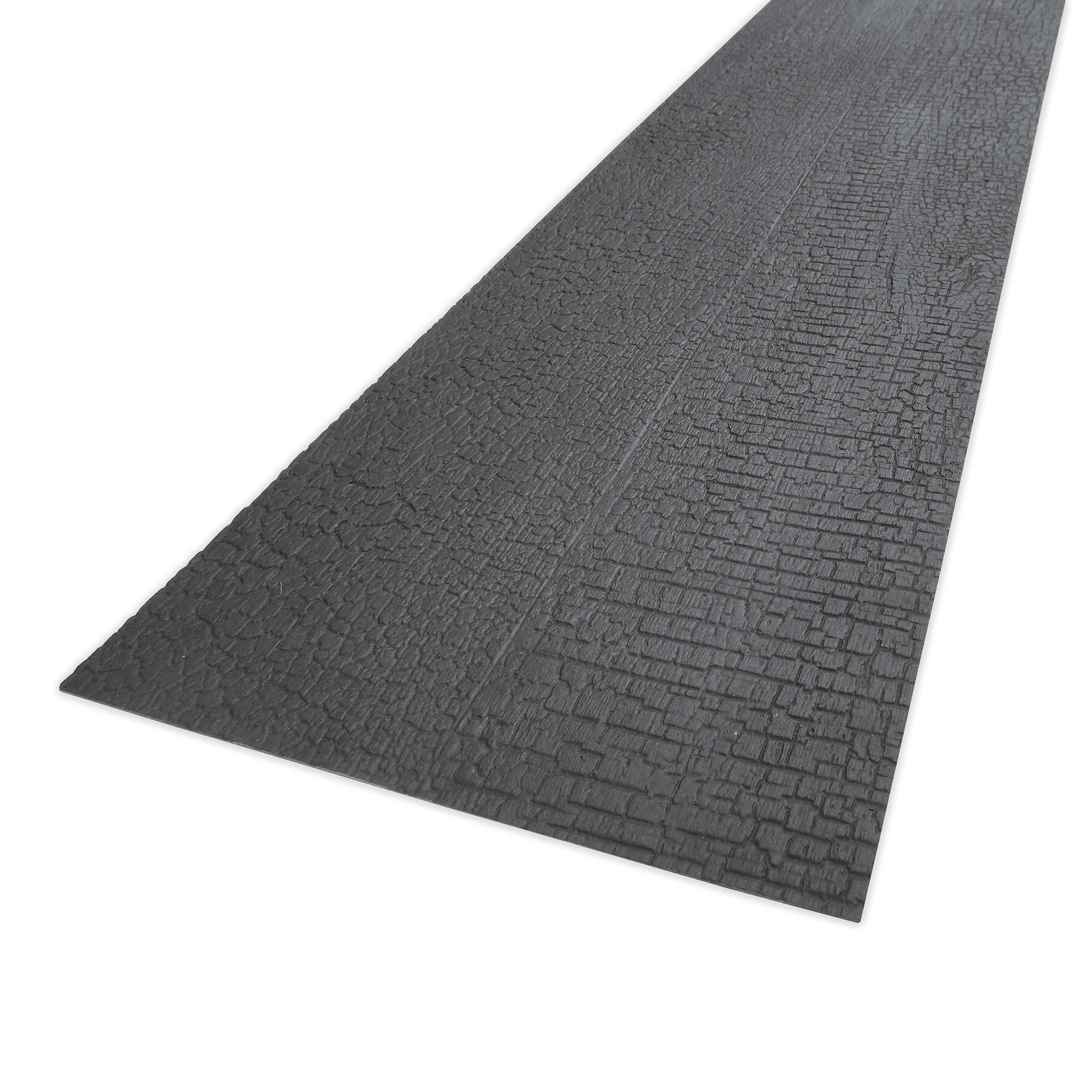
Let's start with what makes charcoal burnt wood board a showstopper. If you're drawn to materials with personality, this one's a front-runner.
1. It's a Visual Statement —No two pieces of charcoal burnt wood board are the same. The charring process creates unique patterns: some boards have deep, crackling textures like tree bark; others have smooth, almost velvety surfaces where the fire kissed the wood gently. The color ranges from rich ebony to warm chestnut, with hints of amber or red peeking through in some cases. It's not just a wall covering or flooring—it's art you can live with.
2. It's Tough as Nails —You might assume burnt wood is fragile, but the opposite is true. The charring process carbonizes the wood's surface, making it resistant to bugs, rot, and even fire. I once visited a beach house clad in charcoal burnt wood, and the owner swore by it: "We get salt spray, humidity, and the occasional termite scare, but this stuff hasn't budged in 10 years." It's low-maintenance, too—just dust with a dry cloth, and seal it once a year if it's outdoors. No fancy cleaners needed.
3. It's Kind to the Planet (When Sourced Right) —Many charcoal burnt wood boards use reclaimed wood: old barn beams, fallen trees, or scraps from other projects. That means you're giving new life to wood that might've ended up in a landfill. Plus, the process itself is chemical-free—no paints, stains, or preservatives. Just fire, brush, and oil. If sustainability is a priority, this checks a lot of boxes.
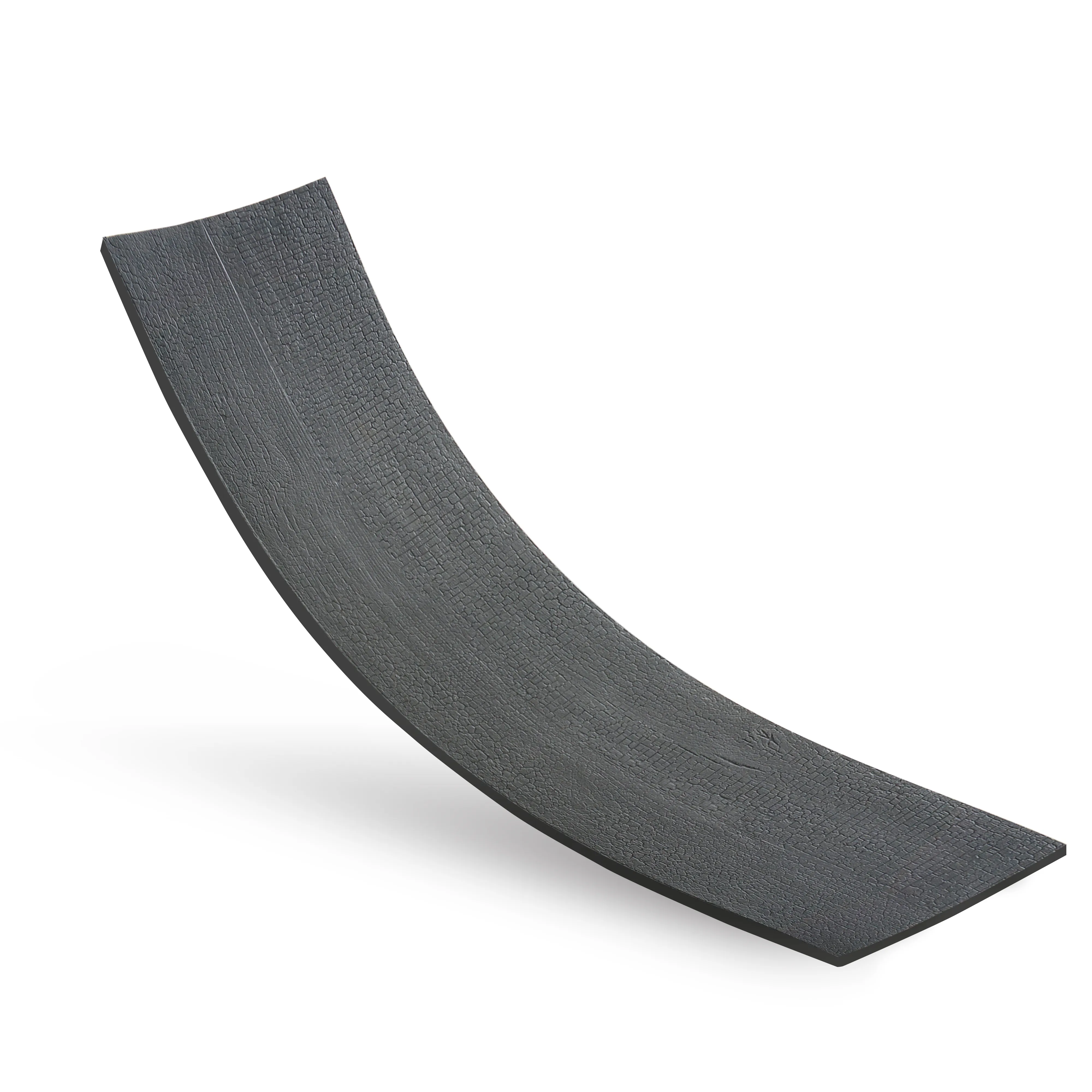
As much as we love its charm, charcoal burnt wood board isn't for every project. Let's talk about the downsides.
1. It's Not Cheap —Quality comes at a cost, and this material is no exception. Between the labor (you need skilled craftsmen to torch and seal it properly) and the often-reclaimed wood source, charcoal burnt wood board can run 2–3 times the price of standard engineered wood. If you're working with a tight budget, you might have to limit it to an accent wall instead of covering an entire room.
2. It's Heavy and Tricky to Install —Charred wood is denser than untreated wood, so it's heavier. That means you'll need sturdy framing to support it, especially for ceilings or upper walls. And installation? Not a DIY weekend project. You'll want pros who know how to handle the material without damaging its texture. One wrong move with a drill, and that beautiful charred pattern could chip.
3. The Look Isn't for Everyone —Charcoal burnt wood has a bold, rustic vibe. If your style is more minimalist or modern, it might feel too "loud." It also leans dark—great for adding coziness to a large room, but it can make small spaces feel cramped if overused. Think of it as a spice: a little goes a long way.
Now, let's shift to engineered wood. It's the practical choice, but that doesn't mean it's boring. Far from it.
1. It's Consistent (and That's a Good Thing) —Ever tried to lay solid wood flooring and realized each plank is a different shade or thickness? Engineered wood solves that. Thanks to its layered construction, it has a uniform look—perfect if you want a seamless, polished finish. Wood grain board, for example, mimics natural oak, maple, or walnut so well, guests might do a double-take: "Is this real wood?" Spoiler: It doesn't matter if they can't tell—the result is still stunning.
2. It's Budget-Friendly —Engineered wood is generally cheaper than solid wood *and* charcoal burnt wood board. You can cover a whole room for a fraction of the cost, which is why it's a go-to for renters, first-time homeowners, or commercial projects with tight budgets. And because it's mass-produced, you'll find endless options—from sleek, high-gloss finishes to matte, wood grain board that looks like it was pulled from a forest.
3. It's Versatile —Engineered wood can handle more environments than solid wood. Got a basement with mild moisture? Engineered wood with a moisture barrier works. Want to install it over radiant heating? Many brands are designed for that. It's also lighter, so it's easier to install on walls, ceilings, or even furniture. I've seen it used as cabinet doors, desk tops, and even headboards—talk about a multitasker.
Like any material, engineered wood has its limits. Here's what to keep in mind.
1. It Can Feel "Less Authentic" —If you crave the organic, one-of-a-kind feel of real wood, engineered wood might leave you wanting more. The veneer top layer is thin (sometimes just 1–2mm), so it can't be sanded down and refinished like solid wood. Over time, heavy foot traffic or scratches might wear through that top layer, revealing the core underneath. It's durable, but not indestructible.
2. Adhesives Can Be a Concern —Engineered wood is held together with adhesives, and some cheaper brands use ones that release formaldehyde, a chemical that can irritate eyes, noses, and throats. Look for low-VOC or formaldehyde-free options (check for certifications like CARB 2 or GREENGUARD) to keep your indoor air clean. It's an extra step, but worth it for peace of mind.
3. It's Not as Weatherproof as It Claims —While engineered wood handles mild moisture better than solid wood, it's not meant for constant exposure to rain, snow, or humidity. I once saw a porch floor made of engineered wood that warped after a rainy season—big ouch. Stick to indoor use, or opt for a specialized outdoor-rated version if you must use it outside.
| Aspect | Charcoal Burnt Wood Board | Engineered Wood |
|---|---|---|
| Durability | High (resistant to pests, rot, fire; lasts 30+ years with care) | Moderate to High (10–20 years indoors; less durable outdoors) |
| Aesthetics | Unique, rustic, deep textures, natural variation | Consistent, uniform, wide range of finishes (including wood grain board) |
| Cost | High ($$$$; $15–$30 per sq. ft. installed) | Moderate ($$; $3–$10 per sq. ft. installed) |
| Maintenance | Low (dust, annual sealing for outdoor use) | Moderate (sweep, damp mop; avoid standing water) |
| Sustainability | High (often reclaimed wood, chemical-free process) | Varies (look for FSC-certified wood and low-VOC adhesives) |
| Best For | Accent walls, outdoor cladding, high-end interiors, statement pieces | Flooring, cabinetry, furniture, rental properties, large-scale projects |
It depends on your priorities. Let's break it down by scenario:
Choose Charcoal Burnt Wood Board if… You want your space to feel unique and have character. If you're designing a boutique hotel lobby, a cozy cabin, or a home where every detail tells a story, this material will shine. It's also a great pick for outdoor spaces (think patios, pergolas, or exterior walls) where durability and weather resistance matter most.
Choose Engineered Wood if… You need something budget-friendly, versatile, or consistent. If you're covering a large area (like a whole house floor), renting and want a temporary upgrade, or prefer a polished, modern look, engineered wood (especially wood grain board) is your friend. It's also ideal for high-traffic areas like kitchens or hallways, where you need something that can handle daily wear and tear without breaking the bank.
And hey—you don't have to pick one! I've seen beautiful spaces that mix both: a charcoal burnt wood accent wall paired with engineered wood flooring. The contrast between the bold, textured wall and the smooth, uniform floor creates balance. It's all about what feels right for *your* space.
At the end of the day, charcoal burnt wood board and engineered wood are tools to bring your vision to life. One feels like a storybook; the other feels like a well-organized plan. Neither is "better"—they're just different.
If you're still on the fence, order samples. Run your hand over the charred texture of a charcoal burnt wood board, and then feel the smooth surface of a wood grain engineered board. Notice how they reflect light, how they sound when you tap them, how they make you *feel*. The right one will click—you'll just know.
Whether you go bold with charcoal burnt wood or practical with engineered wood, your space will be all the better for it. After all, the best materials are the ones that make you happy every time you walk through the door.
Recommend Products












