
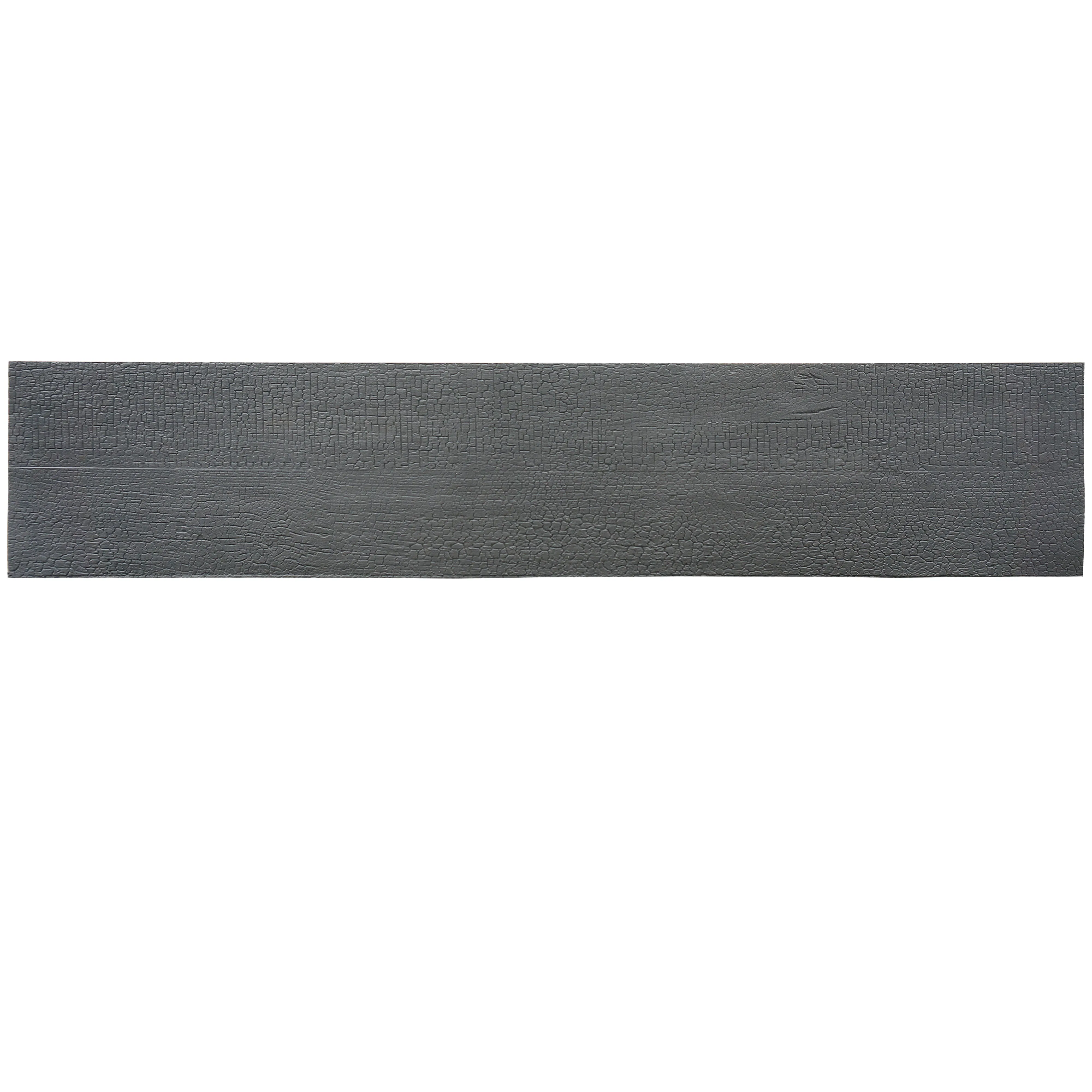
Walk into any home, office, or café, and your eyes might first linger on the color of the walls, the texture of the floors, or the way light plays off the surfaces. But what if I told you the real magic— the stuff that keeps you cozy on a winter morning or cool during a summer heatwave—lies in the materials hiding in plain sight? Today, we're diving into a showdown between two heavyweights in the world of building materials: the warm, time-honored charcoal burnt wood board and the sleek, modern foamed aluminium alloy board (vintage silver) . It's not just about looks; it's about thermal insulation—the unsung hero that shapes how our spaces feel, function, and even impact our wallets. Let's break down why this matters, and which might just be the right fit for your next project.
There's something inherently grounding about wood. It's been a building block of human homes for millennia, and charcoal burnt wood board takes that legacy and cranks up the character. You might know it by its Japanese name, shou sugi ban —a traditional technique where wood is burned, brushed, and sealed to enhance its durability and appearance. But beyond the striking, almost sculptural texture (think deep, charred blacks with hints of amber and gray peeking through), this material has a secret superpower: natural thermal insulation.
Let's start with the basics: wood is a natural insulator. Its cellular structure—tiny air pockets trapped within the fibers—resists heat flow, meaning it slows down the transfer of warmth from inside to outside (or vice versa). When you add the charring process, that insulation gets a boost. The burnt outer layer acts like a protective shield, dense and less porous than unburnt wood, which further reduces heat conduction. Imagine wrapping your home in a blanket made of nature's own design—one that not only keeps the temperature steady but also brings a piece of the forest indoors.
But it's not just about science; it's about feel. A wall clad in charcoal burnt wood board doesn't just insulate—it radiates warmth. On a chilly day, you'll notice the room stays toasty longer, even if the heater dips. In summer, it keeps the harsh sun's rays at bay, so you're not left sweltering. And let's talk sustainability: when sourced from FSC-certified forests or reclaimed wood, this material is a eco-friendly choice, too. It's biodegradable, requires minimal chemical treatments, and the charring process itself is low-energy compared to manufacturing synthetic insulators.
Take, for example, a mountain cabin in Vermont I visited last winter. The exterior was wrapped in charcoal burnt wood board , and stepping inside felt like entering a hug. The owners raved about their heating bills—30% lower than their previous home, which had vinyl siding. "It's not just the insulation," the homeowner told me. "It's the way the wood holds onto the warmth. Even on the coldest nights, the living room stays comfortable without cranking the thermostat." That's the magic of natural materials: they don't just work—they live with you.
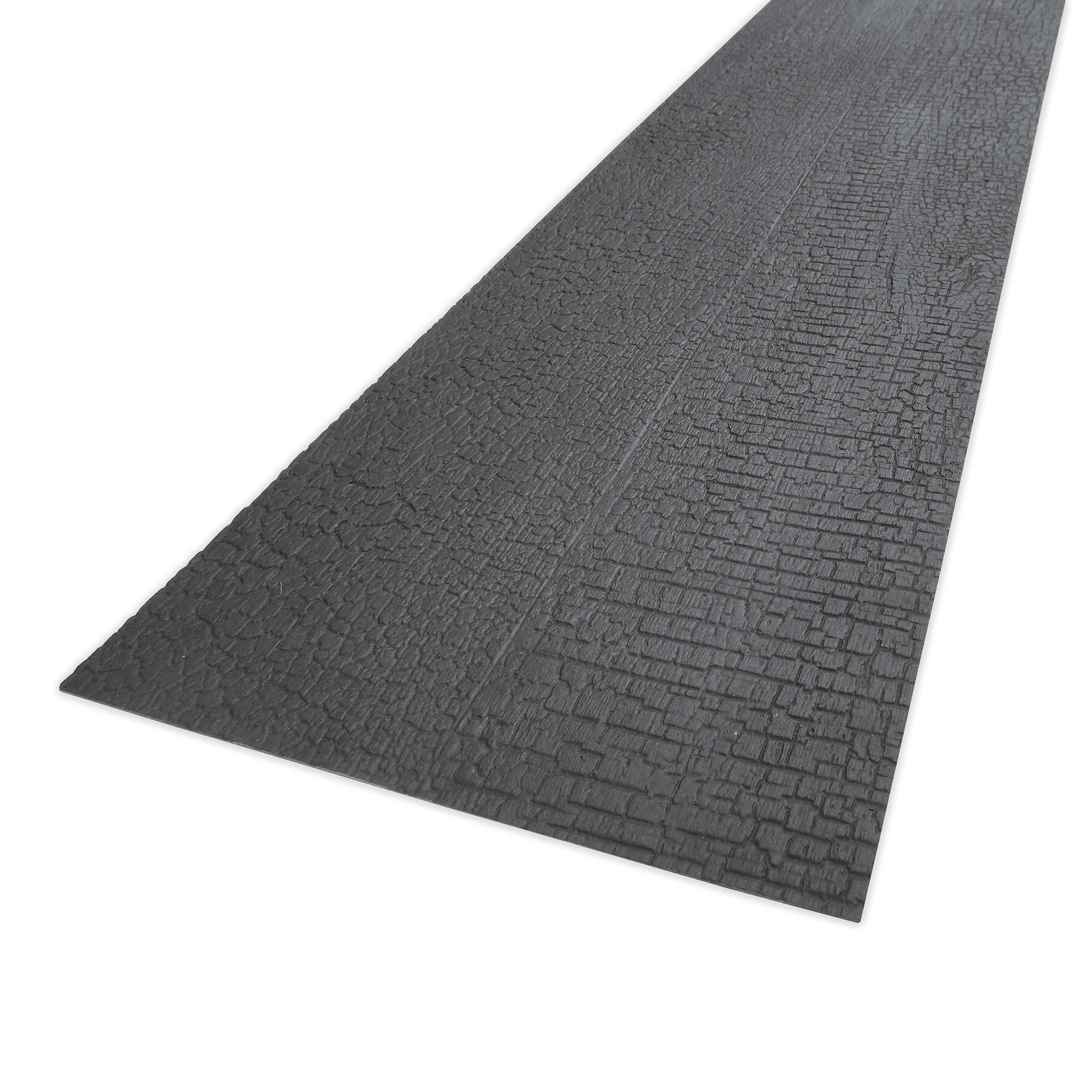
Now, let's shift gears to the modern contender: foamed aluminium alloy board (vintage silver) . If charcoal burnt wood is the cozy cabin, this metal panel is the urban loft—sleek, industrial, and unapologetically contemporary. But don't let the "metal" label fool you. This isn't your grandparent's rusty tin roof; foamed aluminium alloy is a high-tech material that's redefining what metal can do—especially when it comes to insulation.
So, what exactly is foamed aluminium alloy board (vintage silver) ? It starts with aluminium, a lightweight, corrosion-resistant metal. Then, it's "foamed"—a process that injects gas into the molten alloy, creating a matrix of tiny bubbles. The result? A panel that's 70% lighter than solid aluminium but just as strong, with a core that's full of air pockets (sound familiar?). Those air pockets are key to its insulation power—they slow down heat transfer, just like wood's cellular structure, but with a modern twist.
But here's where metal outshines: reflectivity. The vintage silver finish isn't just for show; aluminium naturally reflects radiant heat. On a hot day, that means the sun's rays bounce off the panel instead of being absorbed into your home, keeping the interior cooler. Pair that with the foam core's insulating properties, and you've got a material that's a champion at blocking both conduction and radiation. It's like having a mirror for heat—practical, efficient, and undeniably stylish.
I recently toured a LEED-certified office building in Seattle clad in foamed aluminium alloy board (vintage silver) . The design team chose it not just for its sleek, metallic sheen (which complemented the city skyline beautifully) but for its thermal performance. "We needed something that could handle Seattle's rainy, mild winters and dry, warm summers," the architect explained. "These panels have a thermal break built in—so even though aluminium is a conductor, the foam core stops heat from seeping through. Our energy modeling showed a 25% reduction in HVAC usage compared to traditional metal cladding."
Durability is another win here. Unlike wood, foamed aluminium alloy board doesn't rot, warp, or attract pests. It's fire-resistant, stands up to harsh weather, and requires almost no maintenance—just an occasional wipe-down to keep that vintage silver shine. For busy homeowners or commercial projects where longevity is key, that's a huge plus.
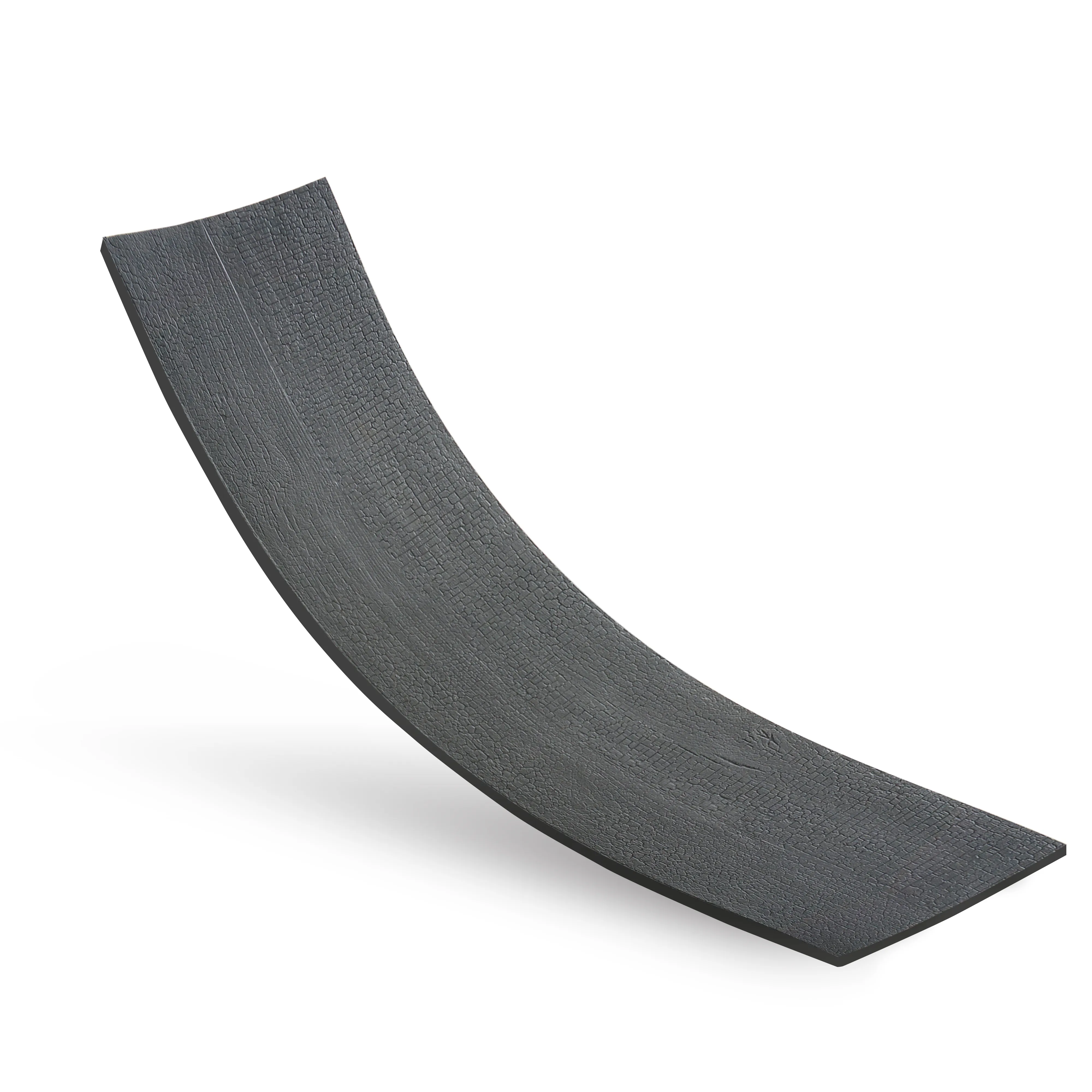
Okay, so we know both materials insulate—but how do they stack up in real-world scenarios? Let's cut through the jargon and get to the nitty-gritty. We'll focus on three key factors: heat resistance , climate adaptability , and practicality .
Thermal insulation is often measured by R-value—the higher the R-value, the better a material resists heat flow. Charcoal burnt wood board typically has an R-value of around 1.4 to 2.0 per inch (depending on wood type and char depth). That's solid for a natural material, comparable to fiberglass batts but with the added benefit of being a structural and aesthetic surface. Foamed aluminium alloy board (vintage silver) , on the other hand, has an R-value of about 1.8 to 2.5 per inch, thanks to its foam core. So numerically, metal edges out wood here—but numbers only tell part of the story.
Here's the thing: wood insulates passively . It absorbs and releases heat slowly, creating a "thermal mass" effect that stabilizes temperatures. Think of it like a battery for heat—during the day, it soaks up warmth from sunlight or radiators, then releases it gradually at night, keeping the space from fluctuating. Metal, with its reflective surface, doesn't absorb heat as much—it repels it. That's great for hot climates but can be a downside in very cold areas, where you want to trap heat inside. (Pro tip: Pair foamed aluminium alloy board with additional insulation in frigid zones, and you'll get the best of both worlds.)
Charcoal burnt wood board thrives in moderate to cold climates. Its ability to retain heat makes it ideal for mountain homes, cabins, or even cozy urban apartments in regions with harsh winters. It also handles humidity well (thanks to the sealed char layer), so places like the Pacific Northwest or New England, where rain and snow are common, are a perfect fit.
Foamed aluminium alloy board (vintage silver) is a star in hot, sunny climates. Its reflectivity keeps interiors cool, making it a top pick for desert homes, beach houses, or modern offices in cities like Phoenix or Miami. It also holds up in coastal areas, where salt air can corrode other metals—aluminium's natural oxide layer prevents rust, so it stays looking sharp for decades.
Wood requires a bit more TLC. While the char layer protects against rot, you'll need to reseal it every 3-5 years (depending on exposure to the elements) to keep moisture out. It's also heavier than metal, so installation may require extra structural support. Cost-wise, it's mid-range—more expensive than vinyl siding but often less than high-end stone or brick.
Metal, on the other hand, is low-maintenance. No sealing, no painting, no worrying about pests. It's lightweight, so installation is faster and cheaper (hello, lower labor costs!). The upfront price tag can be higher than wood, but the long-term savings on energy and upkeep often make up for it. Plus, that vintage silver finish? It's timeless—no need to replace it when trends change.
Of course, the world of building materials isn't black and white (or burnt wood and silver metal). Sometimes, the best solution is a hybrid approach. For example, an architect might use charcoal burnt wood board on the interior walls for warmth and texture, paired with foamed aluminium alloy board (vintage silver) on the exterior for durability and reflectivity. Or, for a project that needs a balance of natural and modern, consider mcm flexible stone —a lightweight, versatile material that mimics natural stone but offers customizable insulation properties. It's a great middle ground for those who love the look of stone but need the practicality of modern insulation.
And let's not forget fair-faced concrete —another contender in the thermal game. Its dense composition offers excellent thermal mass, similar to wood, but with an industrial, minimalist vibe. Pair it with charcoal burnt wood board accents, and you've got a space that feels both raw and warm, with insulation that works year-round.
| Feature | Charcoal Burnt Wood Board | Foamed Aluminium Alloy Board (Vintage Silver) |
|---|---|---|
| Insulation Type | Natural thermal mass + char layer barrier | Foam core air pockets + reflective surface |
| R-Value (per inch) | 1.4–2.0 | 1.8–2.5 |
| Best Climate | Moderate to cold, humid | Hot, sunny, coastal |
| Aesthetic Vibe | Warm, organic, rustic-modern | Sleek, industrial, contemporary |
| Maintenance | Reseal every 3–5 years | Minimal (occasional cleaning) |
| Sustainability | High (renewable, biodegradable) | Moderate (recyclable, energy-intensive production) |
| Price Point | Mid-range ($$$) | Mid-to-high range ($$$$) |
At the end of the day, choosing between charcoal burnt wood board and foamed aluminium alloy board (vintage silver) isn't about which is "better"—it's about what you value most. Do you crave the warmth of natural materials, a connection to tradition, and a space that feels lived-in and cozy? Wood might be your answer. Are you drawn to modern design, low maintenance, and cutting-edge efficiency? Metal could be the way to go. And if you're somewhere in between, don't be afraid to mix materials—after all, the best spaces are ones that tell a unique story, blending function and feeling.
Thermal insulation isn't just a technical term; it's about creating spaces that work for you. A home that stays warm when it's cold, cool when it's hot, and doesn't cost a fortune to run. Whether you're building a cabin in the woods or a penthouse in the city, the materials you choose shape more than just the walls—they shape the way you experience every moment inside. So take your time, weigh the options, and remember: the best choice is the one that feels like yours .
Recommend Products












