
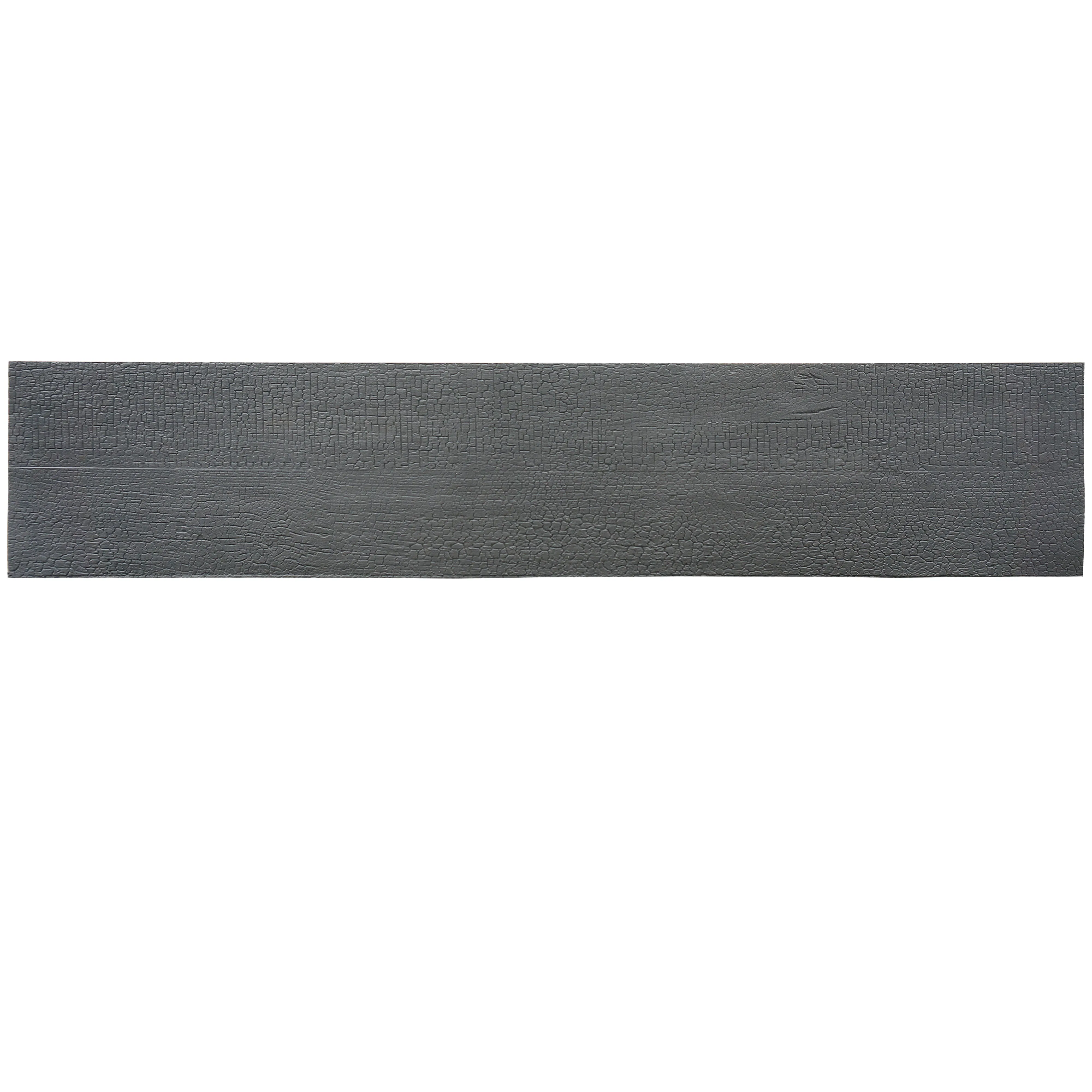
Walk into any home, café, or office space designed with intention, and wood is almost always there—quietly adding warmth, texture, and a connection to nature. For centuries, natural wood has been the go-to, but modern innovations like charcoal burnt wood board are redefining what wood can do. Yet, beyond the obvious aesthetics, there's a hidden factor that shapes how these materials perform over time: pH. It's not the sexiest topic, but ask any architect, contractor, or homeowner who's dealt with warped floors, peeling paint, or rotting cladding, and they'll tell you—pH matters. A lot. Let's dive into why, and how charcoal burnt wood board and natural wood stack up.
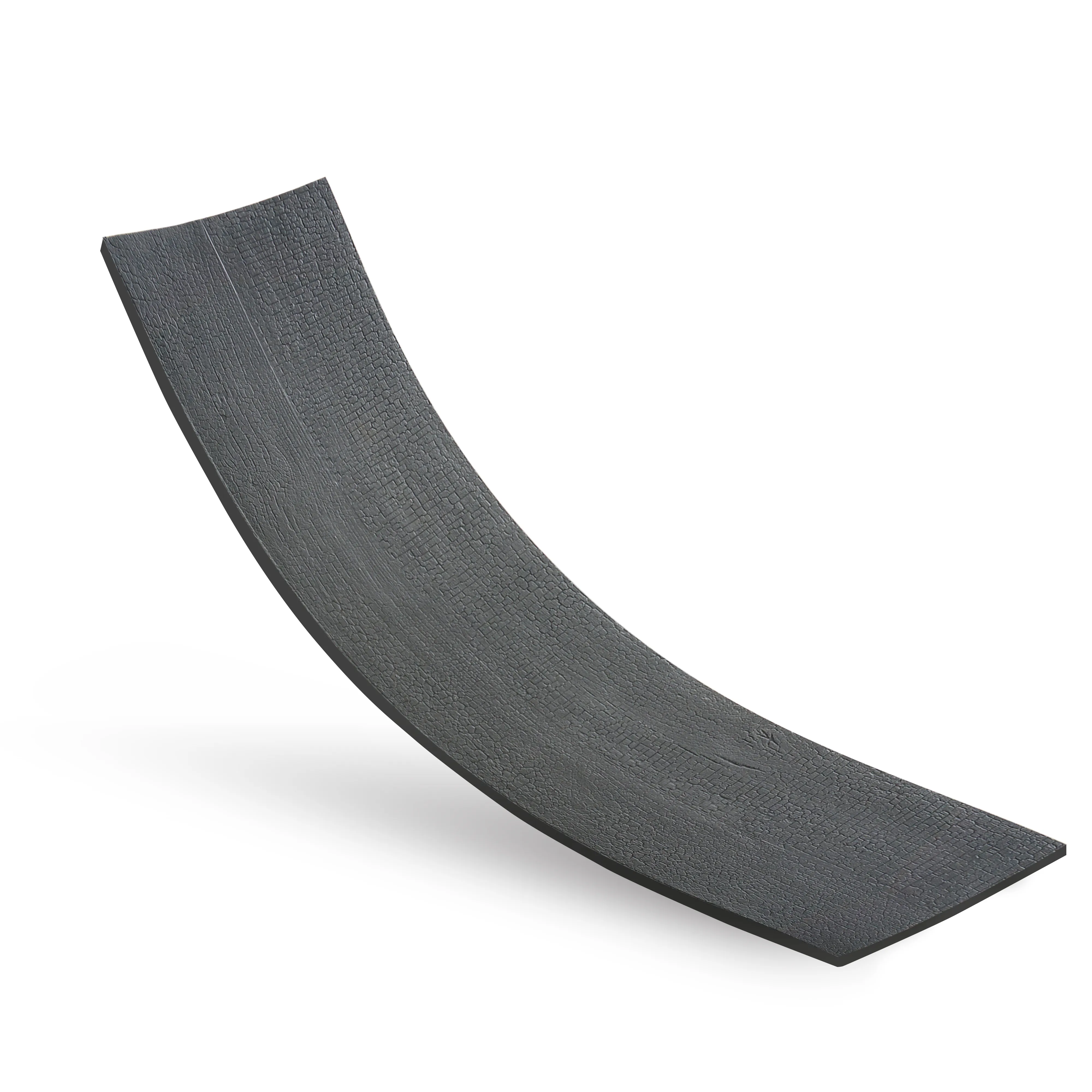
If you've seen a wood surface with a striking, almost charred-black finish that still feels smooth to the touch, chances are you're looking at charcoal burnt wood board. Often inspired by traditional Japanese Shou Sugi Ban techniques, this material is made by carefully burning the wood's surface—usually cedar, pine, or oak—to create a layer of charcoal. The process isn't just for looks: burning removes softwood fibers, leaving a dense, durable outer layer that resists moisture, pests, and fire. Think of it as wood with a superpowered armor.
Unlike raw natural wood, which can feel unpredictable, charcoal burnt wood board is engineered for consistency. It's part of a broader family of modern composite materials, but what really sets it apart (and what we're here to unpack) is how that burning process transforms its chemical makeup—including its pH.
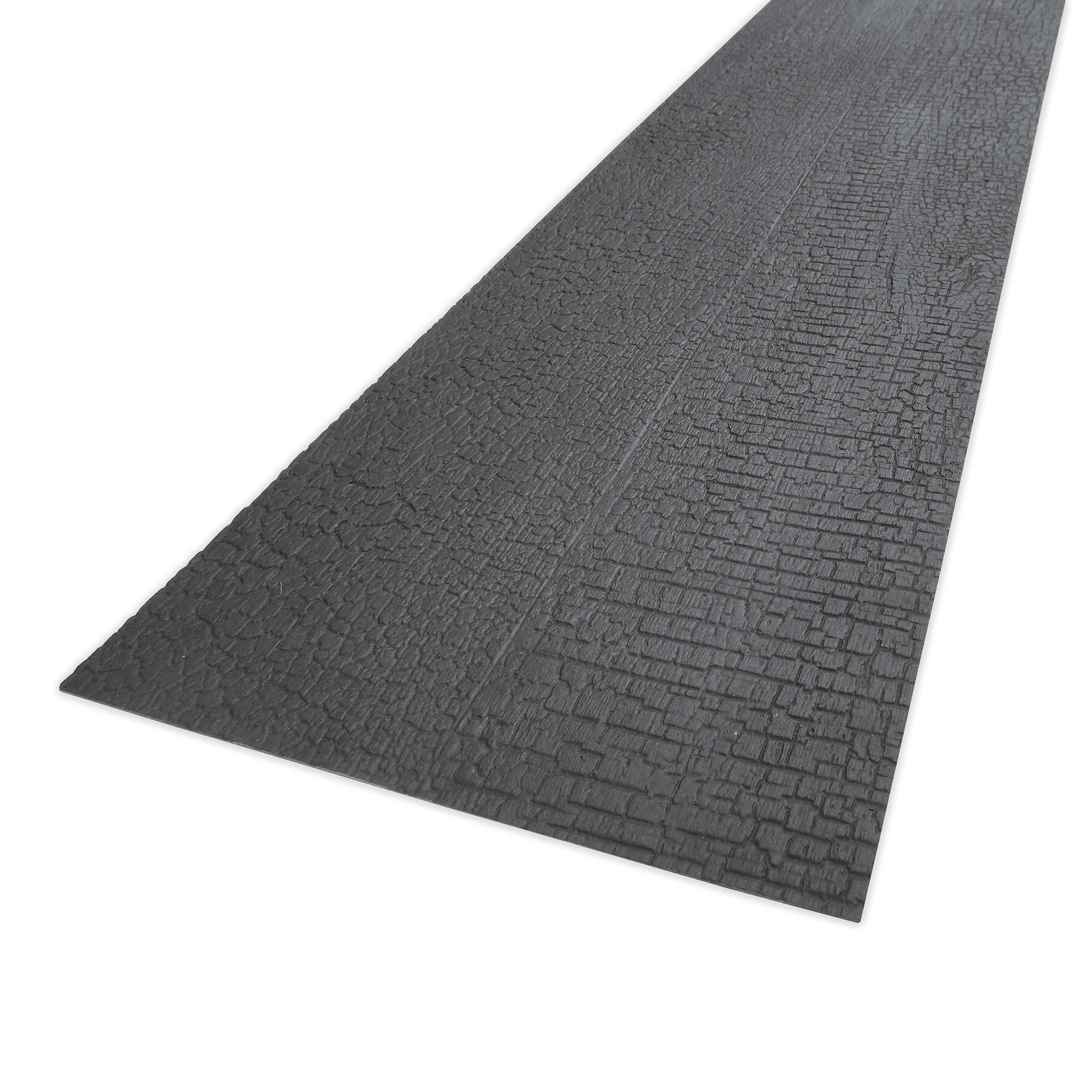
Natural wood is a product of nature, so its pH is as variable as the trees themselves. Picture a oak tree growing in acidic soil versus a pine in alkaline ground—their wood's pH will differ. Generally, most untreated natural woods are slightly acidic, with pH levels ranging from 4.0 to 6.5. Softwoods like pine tend to be more acidic (around 4.5–5.5), while hardwoods like teak lean closer to neutral (5.5–6.5). Why? It's all in the tree's biology: sapwood (the outer, living layer) is more acidic than heartwood (the inner, dead core), and compounds like tannins (found in oak) or resins (in pine) lower pH even further.
This natural acidity isn't inherently bad—many woods have thrived for decades in their acidic state. But when you introduce natural wood to other building materials (say, metal nails, paints, or even adjacent stones), that pH can become a silent troublemaker.
pH is a measure of how acidic or alkaline a substance is, ranging from 0 (highly acidic) to 14 (highly alkaline). Neutral is 7. For building materials, pH isn't just a lab number—it affects everything :
To really see the difference, let's compare their pH profiles. We tested samples of charcoal burnt wood board (cedar-based), untreated pine (softwood), untreated oak (hardwood), and wood grain board (a composite natural wood product) using standard pH extraction methods (soaking wood shavings in deionized water and measuring with a calibrated meter). Here's what we found:
| Material Type | Typical pH Range | Key pH Influencer | Biggest pH-Related Perk |
|---|---|---|---|
| Charcoal Burnt Wood Board | 6.5 – 7.5 (Near Neutral) | Ash residues from burning; charred surface layer | Stable pH resists corrosion of metal and reaction with alkaline materials like fair-faced concrete. |
| Untreated Pine (Softwood) | 4.5 – 5.5 (Acidic) | High resin content; natural tannins | N/A – acidity requires extra treatment (e.g., alkaline sealants) for longevity. |
| Untreated Oak (Hardwood) | 5.5 – 6.5 (Slightly Acidic) | Tannins; heartwood vs. sapwood variation | More stable than pine, but still risks reacting with metal/alkaline materials. |
| Wood Grain Board (Composite) | 5.0 – 6.0 (Mildly Acidic) | Adhesives and binders used in manufacturing | More consistent than raw wood, but still acidic enough to need careful pairing with other materials. |
The standout here? Charcoal burnt wood board's near-neutral pH. That's thanks to the burning process: when wood chars, it releases volatile acids, leaving behind a surface rich in alkaline ash. This shifts the pH from acidic (like natural wood) to a balanced range, making it far more compatible with modern building materials—including that sleek fair-faced concrete wall you've been eyeing for your next project.
pH isn't set in stone (or wood). For both burnt and natural wood, several factors can tweak those numbers:
Let's ground this in examples. Take a homeowner in Portland, Oregon, who built an outdoor deck with untreated cedar (pH ~5.0). Within two years, the deck screws had rusted, and the stain had peeled—all because the cedar's acidity corroded the metal and broke down the coating. A neighbor who used charcoal burnt wood board (pH 7.0) for their deck? Five years later, the fasteners are rust-free, and the stain still looks fresh.
Or consider a restaurant designer pairing wood paneling with fair-faced concrete walls. Natural oak (pH 6.0) next to concrete (pH 12) might develop hairline cracks over time as the materials react. Swap in charcoal burnt wood, and the neutral pH acts as a buffer, keeping both materials stable.
Even indoors, pH matters. A wood grain board bookshelf (pH 5.5) in a humid bathroom could become a breeding ground for mold, while a charcoal burnt wood shelf (pH 7.0) resists moisture and mold growth, even in steamy conditions.
So, when should you pick charcoal burnt wood board over natural wood? Ask yourself:
At the end of the day, choosing between charcoal burnt wood board and natural wood isn't just about looks. It's about investing in a material that will age gracefully, work with your other design choices, and save you from costly repairs down the line. pH is the unsung hero here—a small number with a big impact.
Whether you're drawn to the modern edge of burnt wood or the timeless charm of natural wood, understanding their pH differences ensures your project isn't just beautiful today, but built to last for years to come. And isn't that the point of good design? To create spaces that grow with us, not against us.
Recommend Products












