
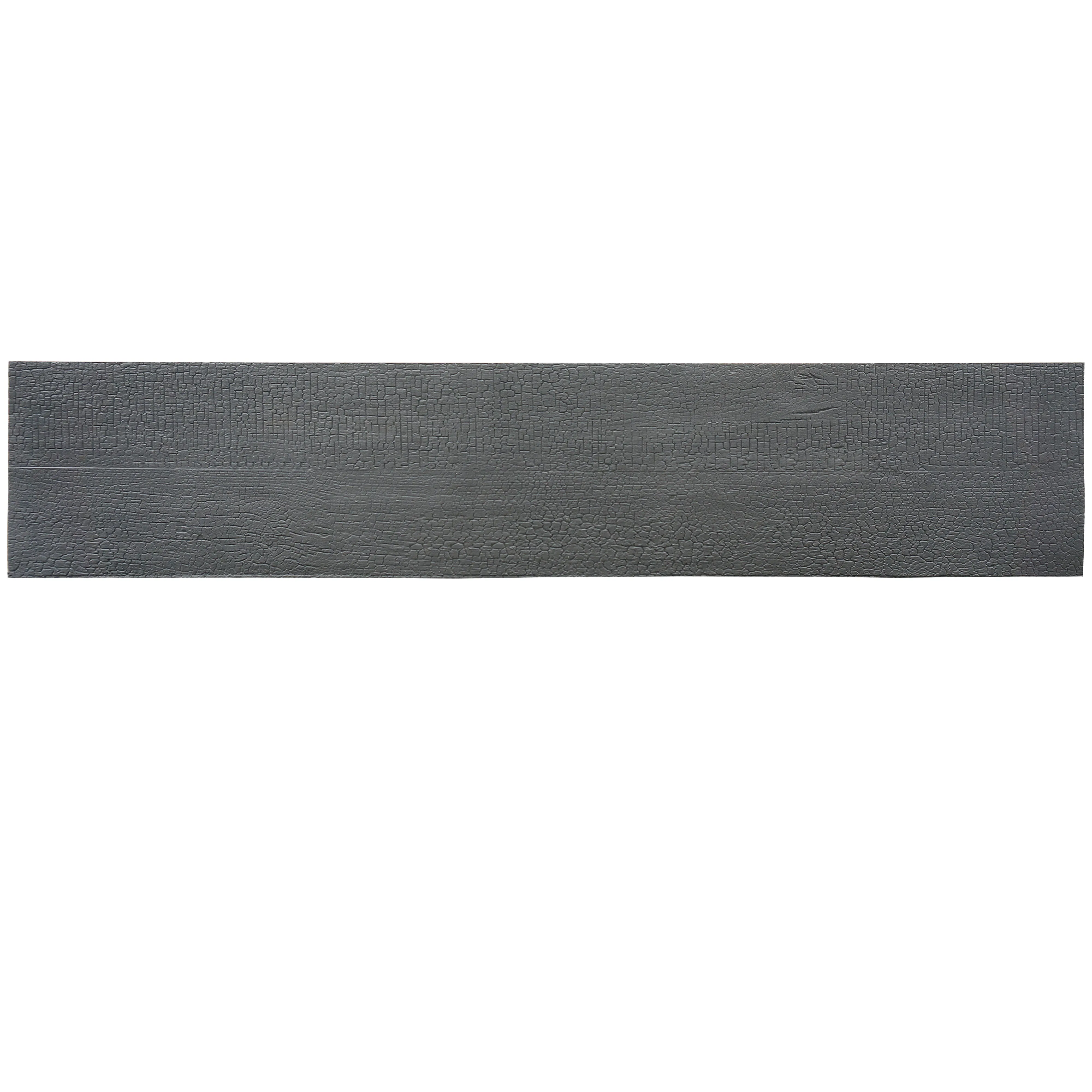
Picture this: You're standing in the middle of your half-renovated living room, paint swatches in one hand and a material sample in the other. The contractor just asked which siding you want for the accent wall—charcoal burnt wood board or PVC. Your budget's tight, but you also care about how it'll look in 10 years. Sound familiar? You're not alone. Choosing between natural and synthetic building materials is one of the trickiest parts of any renovation, and today, we're diving deep into two popular options: the warm, earthy charm of charcoal burnt wood board and the budget-friendly, low-maintenance allure of PVC. By the end, you'll have a clear idea of which one gives you the most bang for your buck—both now and down the line.
First off, let's talk numbers—the upfront cost. We all know that first price tag can make or break a decision, especially if you're working with a strict budget. PVC boards have long been the go-to for folks looking to save cash upfront. Walk into any home improvement store, and you'll likely find PVC trim, siding, or panels priced between $2 and $5 per square foot. That's pretty hard to beat, right? It's why so many builders and DIYers reach for it first; it's affordable, and it checks the "gets the job done" box.
Charcoal burnt wood board, on the other hand, is a bit of a splurge upfront. Depending on the brand, thickness, and finish, you're looking at around $8 to $12 per square foot. At first glance, that's double (or more!) the cost of PVC. But before you write it off, let's remember: sometimes, you get what you pay for. This isn't just any wood—charcoal burnt wood undergoes a special process where the surface is charred (think of the traditional Japanese shou sugi ban technique), which gives it that distinctive dark, almost smoky appearance and a host of hidden benefits we'll get into later. And if you're considering other wood-like alternatives, poly wood board sits somewhere in the middle, around $5 to $8 per square foot, but it's still mostly plastic at the core—more on that later.
Here's where the plot thickens: initial cost is just the first chapter. The real question is, how long will these materials stick around? PVC is often marketed as "long-lasting," and to its credit, it does hold up well in damp environments. No rot, no termites, no warping from rain—sounds great for a bathroom or outdoor deck. But here's the catch: PVC is plastic, and plastic doesn't love extreme heat. If you live in a place with scorching summers (looking at you, Florida and Texas), those boards can start to warp, fade, or even crack after just 5-7 years. And in freezing winters? The plastic becomes brittle, making it prone to chips and breaks. I've heard from homeowners in Colorado whose PVC window trim started peeling after a few harsh winters—definitely not the "20-year warranty" they were promised.
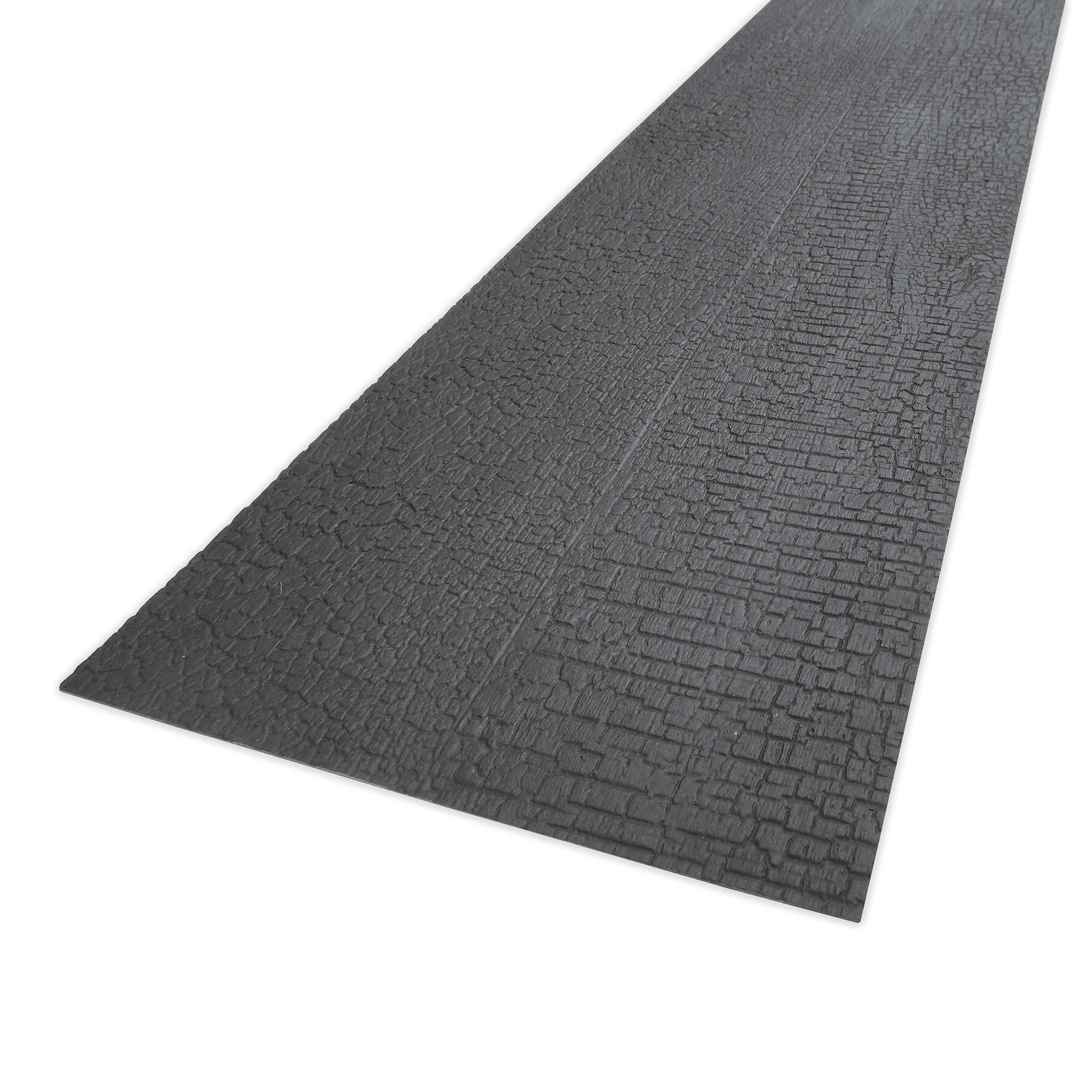
Charcoal burnt wood board, by contrast, is built to age gracefully. The charring process creates a layer of carbon that's naturally resistant to rot, insects, and moisture—so it's already miles ahead of untreated pine or oak. Most manufacturers back it with a 20-30 year warranty, and many homeowners report it lasting even longer with proper care. Take my neighbor, for example: he installed charcoal burnt wood siding on his cabin in the Pacific Northwest (rain, rain, and more rain) 15 years ago, and it still looks as rich and sturdy as the day it went up. Meanwhile, his brother, who opted for PVC siding, has already replaced two sections due to warping. That's the difference between a material that "survives" and one that thrives .
| Material | Initial Cost (per sq ft) | Expected Lifespan (years) | Annual Maintenance Cost | Environmental Impact | Aesthetic Appeal (1-10) |
|---|---|---|---|---|---|
| Charcoal Burnt Wood Board | $8 – $12 | 20 – 30 | $10 – $30 (sealing every 2-3 years) | Low (renewable, biodegradable) | 9 (warm, unique grain, ages well) |
| PVC Board | $2 – $5 | 10 – 15 | $5 – $10 (occasional cleaning) | High (non-renewable, hard to recycle) | 5 (synthetic look, uniform texture) |
| Poly Wood Board | $5 – $8 | 15 – 20 | $5 – $15 (mild cleaning, no sealing) | Moderate (partially synthetic) | 7 (better than PVC, less warmth than wood) |
Let's get real about upkeep. PVC is often sold as "maintenance-free," and it's true—you can pretty much hose it down once a year and call it a day. No sanding, no staining, no sealing. That sounds amazing, right? But remember those warped boards we talked about earlier? Replacing PVC isn't cheap. A single 10-foot board can cost $20-$50, and if you have to replace a whole section? Suddenly that "no maintenance" perk costs you hundreds (or more) every 5-10 years. Plus, fading is a real issue. That "natural oak" color you loved? After a few summers in the sun, it might turn into a sad, washed-out gray.
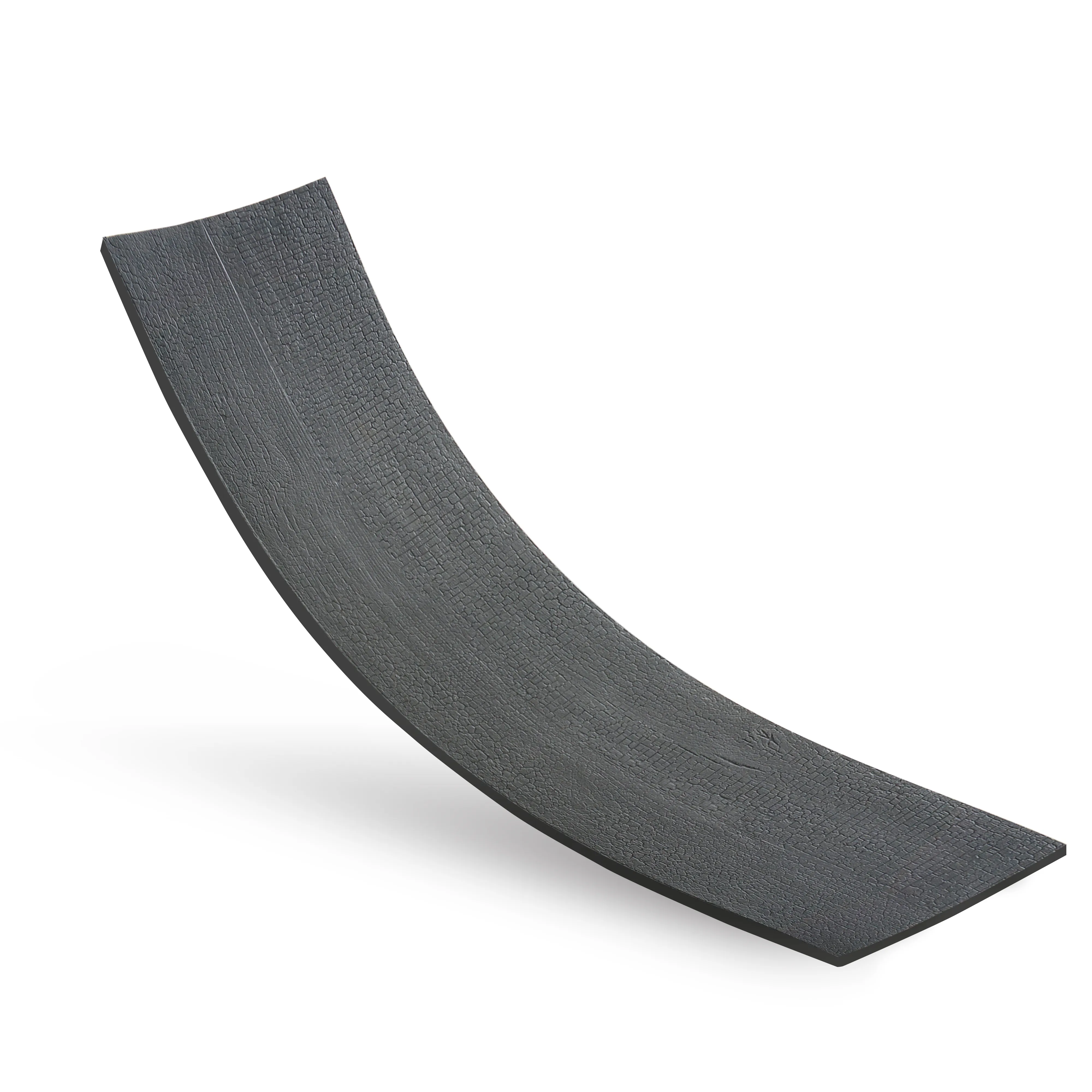
Charcoal burnt wood board does need a little attention, but it's nothing overwhelming. Most pros recommend sealing it with a clear wood sealer every 2-3 years to keep the color from fading and to lock in that moisture resistance. Sealing takes about an hour per 100 square feet—so if you're handy, it's a perfect weekend project. A gallon of sealer costs $30-$50, and it'll cover 200-300 square feet. So for a 500-square-foot wall, you're looking at $50 and an afternoon every few years. Compare that to replacing PVC boards every decade, and suddenly "low maintenance" feels like a scam. And here's a bonus: as charcoal burnt wood ages, it develops a beautiful silver patina—think of it like a fine wine getting better with time. PVC? It just gets… old.
Let's be honest—we don't just build homes; we build spaces that make us feel something. And the materials we choose play a huge role in that. PVC has come a long way in mimicking wood grain, but let's not kid ourselves: up close, it still looks plastic. The texture is too smooth, the grain pattern too repetitive, and the color a little too "perfect." It might work in a ultra-modern, industrial space where you want a sleek, sterile look, but if you're going for warmth, coziness, or that "lived-in" charm, it misses the mark. I once visited a friend's home where they used PVC for the ceiling beams, and all I could think was, "Why not just use real wood?" It felt cold, like a movie set instead of a house.
Charcoal burnt wood board, though? It's a showstopper. The charring process brings out the natural grain of the wood, creating unique patterns—no two boards are exactly alike. The deep, rich color (think espresso with hints of silver from the charred edges) adds depth to any room, whether it's a kitchen backsplash, a bedroom accent wall, or outdoor siding. And unlike PVC, it plays well with other materials. Pair it with stone (like the popular lime stone beige from the MCM series) or concrete, and it adds warmth without clashing. Homebuyers notice this too—real estate agents often report that natural materials like wood can boost resale value by 5-10% compared to synthetic alternatives. PVC? It might not hurt your home's value, but it won't help it either.
These days, it's impossible to talk about building materials without mentioning the environment. PVC is made from petroleum—a non-renewable resource—and its production releases toxic chemicals like dioxins, which are linked to health issues and environmental damage. And when PVC eventually ends up in a landfill (since it's hard to recycle), it can take centuries to break down, leaching chemicals into the soil and water. Not exactly "eco-friendly."
Charcoal burnt wood board, on the other hand, is a sustainable choice—if you choose the right brand. Look for boards made from FSC-certified wood, which means the trees were harvested responsibly, with forests replanted to maintain ecosystems. And since it's biodegradable, at the end of its long life, it won't sit in a landfill forever. Even better, some manufacturers use reclaimed wood for their charcoal burnt boards, giving new life to old timber. It's a small choice, but it adds up—especially if you're trying to reduce your carbon footprint. And if you're into green building trends, you'll love that it pairs well with other eco-friendly materials like fair-faced concrete or foamed aluminium alloy board (vintage silver), creating a space that's both stylish and sustainable.
Let's crunch the numbers. Say you're installing 500 square feet of wall paneling. PVC costs $3 per square foot = $1,500 upfront. But you'll need to replace 20% of it every 7 years (conservative estimate), costing $300 every 7 years. Over 20 years, that's $1,500 + ($300 x 2) = $2,100, plus the hassle of repairs.
Charcoal burnt wood board costs $10 per square foot = $5,000 upfront. Sealing every 3 years costs $50 per seal (DIY), so $50 x 6 = $300 over 20 years. Total: $5,300. That's more upfront, but over 20 years, you're looking at $2,100 (PVC) vs. $5,300 (charcoal burnt wood). But wait—charcoal burnt wood lasts 30 years, not 20. So over 30 years, PVC would cost $1,500 + ($300 x 4) = $2,700, while charcoal burnt wood would be $5,000 + ($50 x 10) = $5,500. Still more, but factor in resale value: if charcoal burnt wood adds 5% to your home's value (say, $15,000 on a $300,000 home), suddenly that $5,500 is a drop in the bucket. And let's not forget the intangibles—the pride of knowing your home uses sustainable materials, the warmth of real wood, the lack of stress over repairs. Those are priceless.
At the end of the day, choosing between charcoal burnt wood board and PVC isn't just about dollars and cents—it's about what matters to you. If you're flipping a house and need the cheapest option, PVC might work. But if you're building a home you want to love for decades, one that feels warm, unique, and aligned with your values? Charcoal burnt wood board is worth every penny. It's an investment in durability, beauty, and the planet—three things that never go out of style.
So, back to that living room renovation. What would I choose? Give me the charcoal burnt wood board. I'll take the silver patina, the unique grain, and the peace of mind over plastic any day. After all, home isn't just a place—it's a feeling. And charcoal burnt wood? It feels like home.
Recommend Products












