
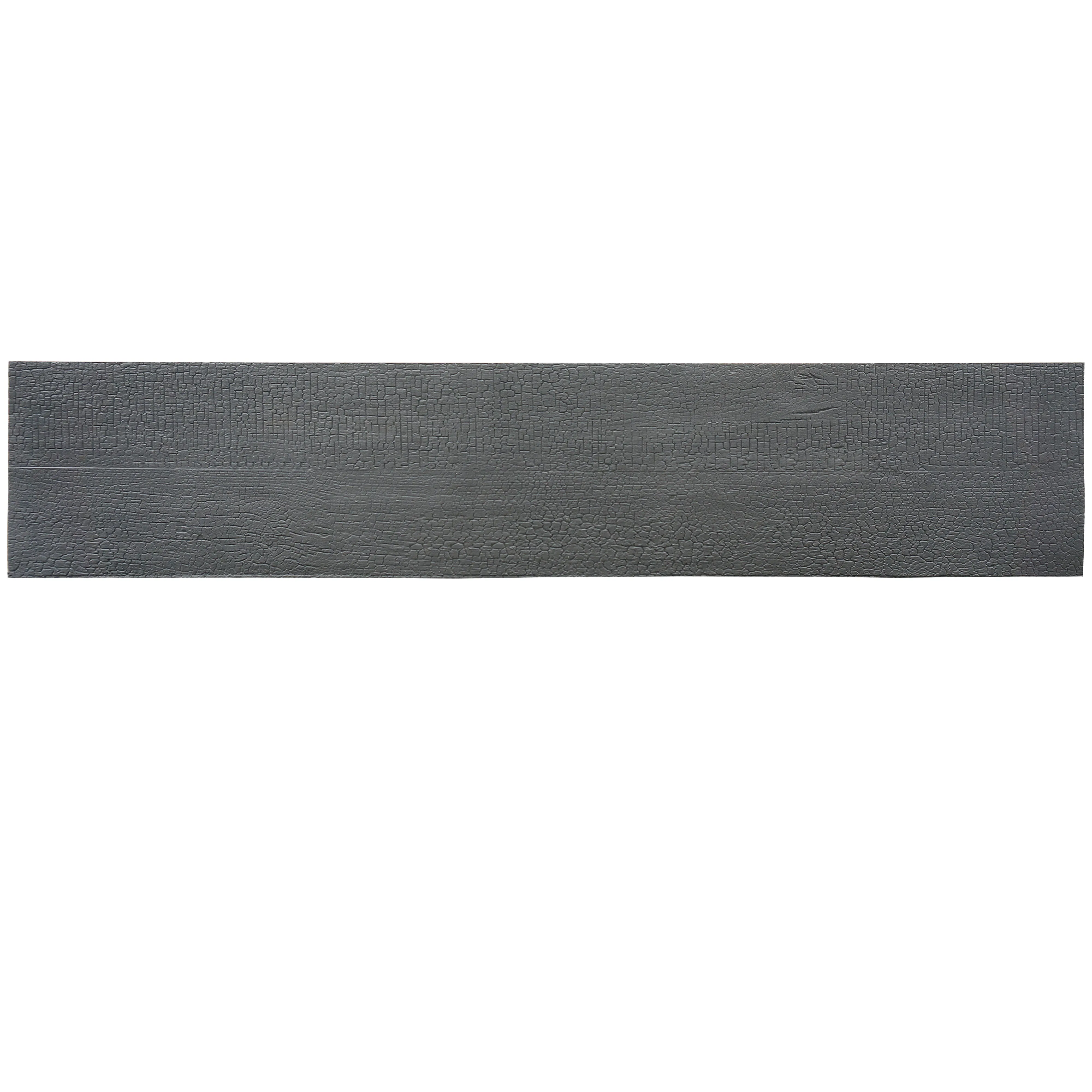
When we walk into a room, we rarely stop to think about the walls around us—unless they're peeling, stained, or an odd smell. But the truth is, the materials we choose for our walls do more than just look pretty. They shape our indoor air quality, affect the durability of our spaces, and leave a lasting mark on the planet. Today, let's dive into two popular wall materials: the rustic charm of Charcoal Burnt Wood Board and the budget-friendly practicality of PVC Wall Panels. We'll break down their pH levels (yes, that matters!) and environmental impact, so you can make choices that feel good for your home and the Earth.
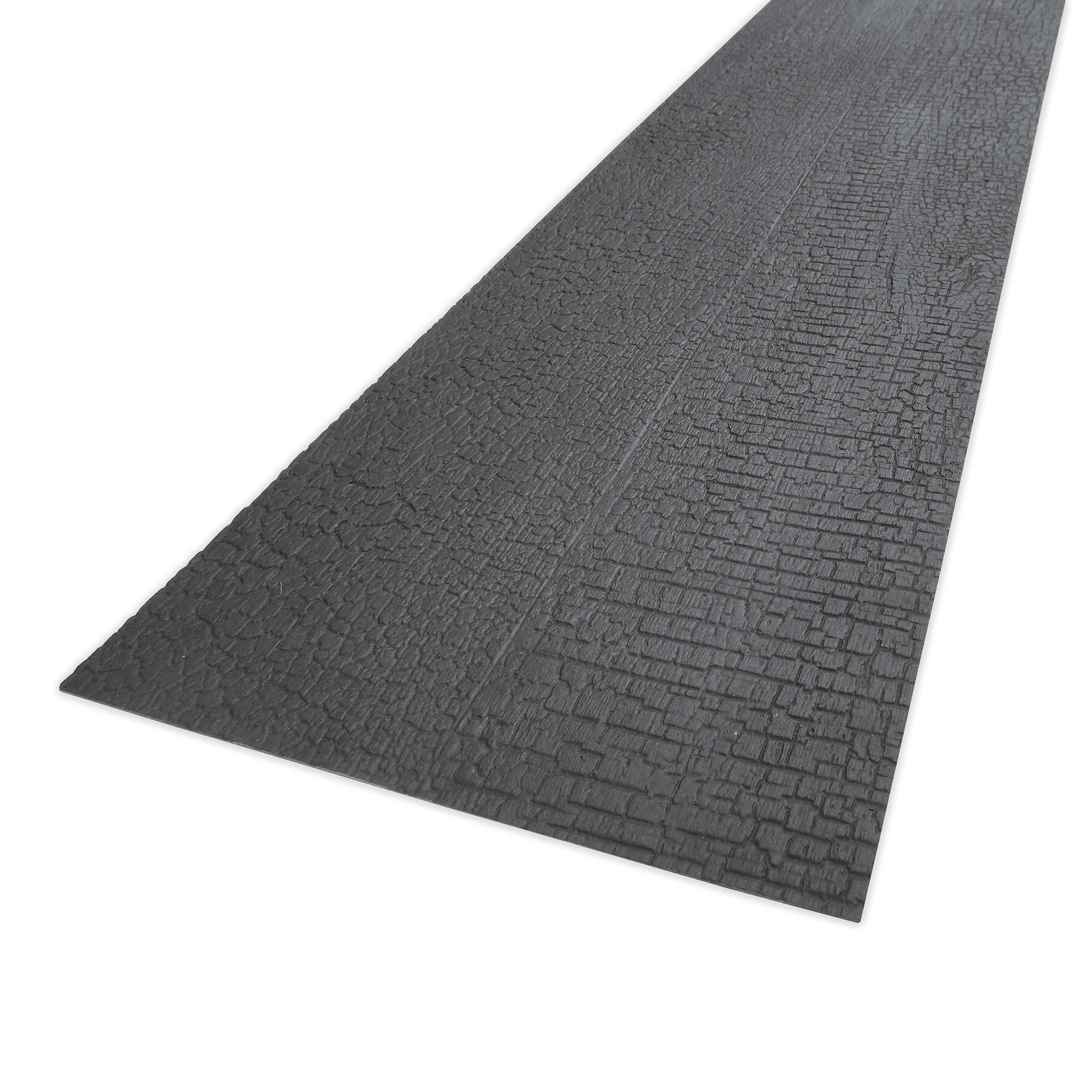
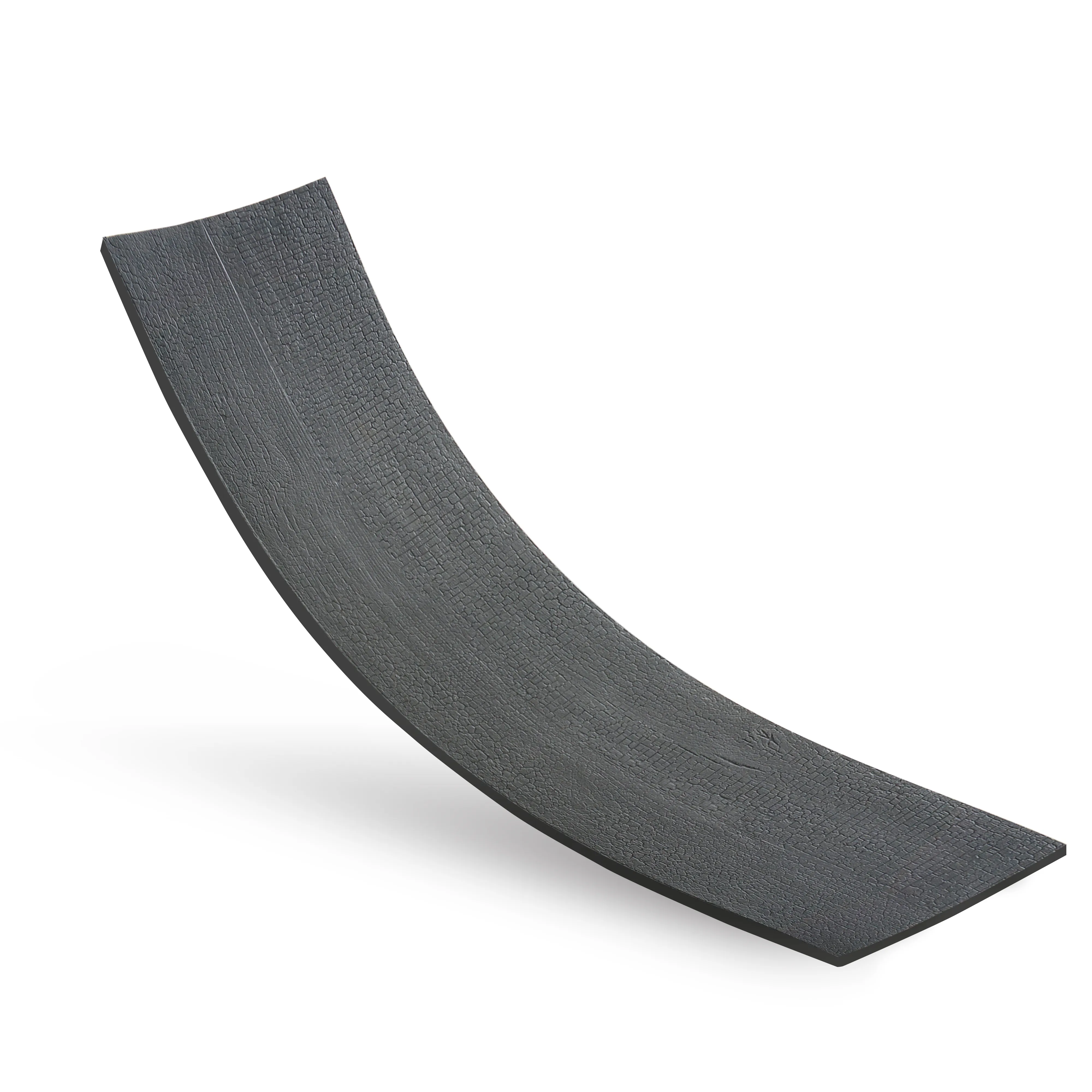
If you've ever seen a wall that looks like it's been kissed by fire—warm, textured, with deep, rich tones—you've probably encountered Charcoal Burnt Wood Board. This material isn't new; it's rooted in ancient techniques, most famously the Japanese method called shou sugi ban , where wood is intentionally charred to enhance its properties. Here's how it works: craftsmen carefully burn the surface of wood planks (often cedar, pine, or cypress) to create a thin, carbonized layer. This layer acts like armor, protecting the wood from rot, pests, and even fire. Beneath the char, the wood remains soft and natural, preserving that beloved wood grain texture we all know and love.
What makes it stand out? It's all about balance. Unlike painted or stained wood, the charring process uses heat, not chemicals, to seal the wood. That means fewer synthetic additives leaching into your air. Plus, the finish ages beautifully—developing a patina over time that only adds to its character. Think of it as the "worn leather jacket" of wall materials: it gets better with age.
PVC (polyvinyl chloride) Wall Panels are the opposite end of the spectrum: sleek, uniform, and designed for efficiency. Made from synthetic plastic, these panels are created by melting PVC resin and shaping it into thin, lightweight sheets. They're often embossed to mimic materials like wood, stone, or tile, making them a popular choice for budget renovations or high-moisture areas like bathrooms and kitchens. Why? They're water-resistant, easy to clean (just wipe with a cloth!), and incredibly affordable compared to natural materials.
But here's the catch: PVC is a type of plastic, and plastic comes with a complicated environmental story. From the petroleum used to make it to the additives (like plasticizers and stabilizers) that give it flexibility and color, PVC's production and lifecycle raise some red flags we can't ignore.
You might be thinking, "pH? Isn't that for pools and soil?" Surprisingly, the pH of building materials plays a big role in two key areas: indoor air quality and material longevity . pH is a scale from 0 (highly acidic) to 14 (highly alkaline); 7 is neutral. Materials with extreme pH levels can off-gas chemicals, corrode adjacent materials (like paint or mortar), or even irritate your skin and lungs over time.
To get real numbers, researchers typically test material samples by mixing a small amount of the material with distilled water, then measuring the solution's pH with a meter. Let's see how our two contenders stack up.
Natural wood has a pH that usually hovers between 4.5 and 6.5—slightly acidic, thanks to compounds like lignin and tannins. When wood is charred, the carbonized layer is mostly pure carbon, which is neutral (pH 7). The unburnt wood beneath remains slightly acidic, but the char acts as a buffer, preventing those acids from leaching out in large amounts. In practical terms, this means Charcoal Burnt Wood Board tends to have a stable, near-neutral pH once installed. No harsh fumes, no reactions with paint or adhesives—just a material that plays nice with its surroundings.
PVC itself is chemically neutral, with a pH around 7. But here's where it gets tricky: manufacturers often add plasticizers (to make panels flexible) and stabilizers (to prevent breakdown from heat or sunlight). Some of these additives, like phthalates or lead-based stabilizers (though less common today), can be slightly alkaline or acidic. Over time, especially when exposed to heat or moisture, these additives can leach out, shifting the panel's effective pH. For example, if a PVC panel off-gasses volatile organic compounds (VOCs) like formaldehyde (a common stabilizer), those can lower indoor air quality, even if the panel's pH on paper is neutral. It's like a Trojan horse: the panel itself might seem "neutral," but its hidden additives can cause trouble.
pH is just one piece of the puzzle. To truly understand a material's impact, we need to follow its lifecycle: how it's made, how long it lasts, and where it goes when we're done with it. Let's break it down.
Charcoal Burnt Wood Board: Let's start with the good news. Wood is a renewable resource—if it's sourced from sustainably managed forests. Reputable manufacturers use FSC-certified wood, meaning trees are replanted, and ecosystems are protected. The charring process itself is low-energy: it uses heat (often from natural gas or even wood scraps) but requires no heavy machinery or toxic chemicals. Compare that to PVC, which starts with petroleum—a non-renewable fossil fuel. Extracting and refining petroleum releases greenhouse gases, and producing PVC resin involves a chemical reaction that emits dioxins (a group of highly toxic compounds linked to cancer) if not properly controlled. According to the Environmental Protection Agency (EPA), PVC production is one of the largest sources of dioxin emissions in the manufacturing sector. Ouch.
Charcoal Burnt Wood Board is built to last. The charred layer acts as a shield, making it resistant to rot, mold, and termites. In fact, properly maintained charred wood can last 50+ years—even in humid climates. That means fewer replacements, which equals less waste over time. PVC panels, on the other hand, have a shorter lifespan: 10–15 years on average. Why? They're prone to yellowing from UV light, cracking in extreme temperatures, and warping if exposed to too much moisture (despite claims of water resistance). When they fail, you're left with a pile of plastic that needs to be replaced—adding to the cycle of production and waste.
Here's where the contrast gets stark. When Charcoal Burnt Wood Board reaches the end of its life, it's biodegradable. Toss it in a compost pile or leave it in nature, and it will break down into carbon dioxide and water, feeding the soil. PVC? It's plastic, and plastic doesn't biodegrade. It photodegrades, meaning it breaks into tiny microplastics over hundreds of years, but those microplastics never fully disappear. They end up in landfills, oceans, or our food chain. Recycling PVC is possible, but it's rare—most recycling facilities focus on more common plastics like PET (water bottles) or HDPE (milk jugs). PVC often gets mixed in with other plastics, contaminating the batch and making it harder to recycle. So, that "affordable" PVC panel might cost the planet far more in the long run.
| Factor | Charcoal Burnt Wood Board | PVC Wall Panels |
|---|---|---|
| pH Level | Neutral to slightly acidic (5–7), stable over time | Neutral (7), but additives may cause pH shifts |
| Production Impact | Low energy, renewable resources (sustainable wood), minimal emissions | High energy (petroleum refining), toxic emissions (dioxins), non-renewable resources |
| Durability | 50+ years with minimal maintenance | 10–15 years, prone to yellowing/warping |
| Disposal | Biodegradable, compostable | Non-biodegradable, rarely recycled, contributes to microplastic pollution |
| Indoor Air Quality | Low VOCs, natural materials | May off-gas VOCs from additives |
If neither Charcoal Burnt Wood Board nor PVC feels right, there are other options that balance sustainability and performance. For example, mcm flexible stone is a lightweight, durable material made from natural stone particles and recycled polymers. It mimics the look of stone but uses less energy to produce than quarried stone. Fair-faced concrete is another contender—raw, industrial, and made from cement, sand, and gravel. It has a neutral pH, lasts decades, and can be recycled as aggregate. And for those who love the look of wood but want something more uniform, wood grain board (made from compressed wood fibers and eco-friendly adhesives) offers the best of both worlds: woody texture with lower environmental impact than solid wood.
These alternatives fall under the umbrella of green building materials —products designed to reduce environmental harm while enhancing building performance. They're proof that you don't have to choose between beauty, budget, and the planet.
Let's say you're renovating your bathroom. PVC panels might seem tempting—they're water-resistant and cheap. But consider this: bathrooms are humid, whichs PVC's breakdown. In 10 years, you'll be ripping out warped panels and sending plastic to the landfill. Charcoal Burnt Wood Board, on the other hand, thrives in humidity (thanks to that charred protective layer). It might cost more upfront, but it'll last decades, and when you eventually replace it, it'll compost away. For a rental property where you need to stick to a tight budget? PVC could work as a temporary fix, but pair it with low-VOC sealants to minimize off-gassing.
Or take a living room: Charcoal Burnt Wood Board adds warmth and texture, improving indoor air quality with its natural, low-VOC finish. PVC panels might look sleek, but over time, that "new plastic smell" could linger, triggering allergies or headaches. It's all about aligning the material with the space's needs and your long-term goals.
At the end of the day, Charcoal Burnt Wood Board and PVC Wall Panels serve different purposes, but when it comes to pH stability and environmental impact, the choice is clear. Charcoal Burnt Wood Board offers a neutral pH, low environmental footprint, and timeless durability—making it a great fit for sustainable homes. PVC, while affordable and practical, comes with hidden costs: potential pH shifts from additives, a high carbon footprint, and a legacy of plastic waste.
Remember, building materials are more than just tools—they're investments in your health and the planet's future. Whether you choose Charcoal Burnt Wood Board, mcm flexible stone, or another green option, you're voting with your wallet for a world where buildings enhance, not harm, our environment. And that? That's a wall worth standing behind.
Recommend Products












