
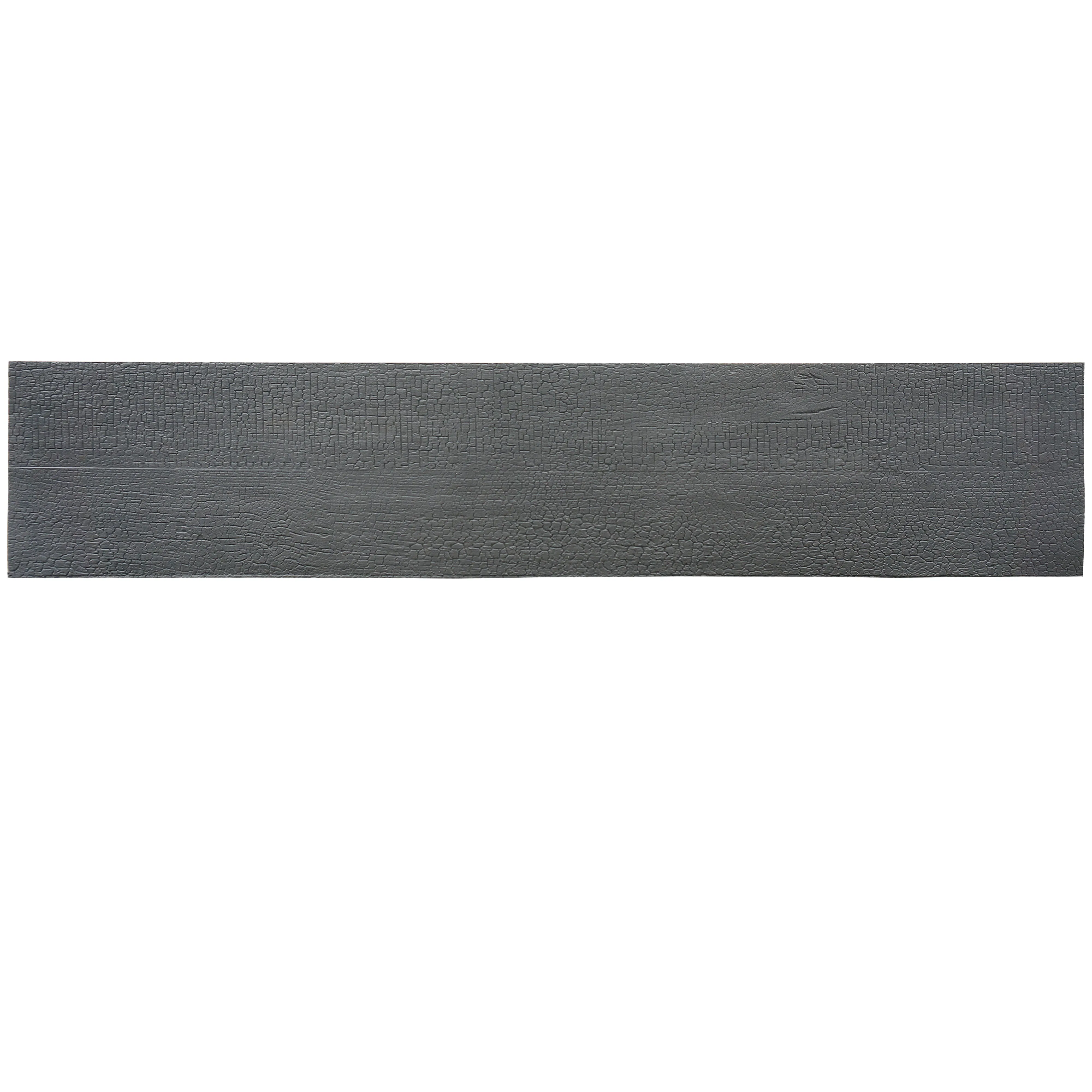
Walk into any modern design studio, and you'll likely overhear a familiar debate: "Should we go with traditional wood for warmth, or try something edgier like charcoal burnt wood board?" It's a question that tugs at the heart of design—balancing tradition with innovation, comfort with durability, and aesthetics with practicality. For homeowners, architects, and DIY enthusiasts alike, the choice between these two materials can feel overwhelming. Traditional wood has been a staple for centuries, evoking cozy cabins and timeless elegance. Charcoal burnt wood board, on the other hand, is a rising star, celebrated for its striking looks and hard-wearing nature. Let's dive deep into this showdown, exploring everything from how they're made to where they shine brightest—so you can make a choice that feels right for your project, your space, and your style.
Before we jump into the nitty-gritty, let's get clear on what each material is. Traditional wood is exactly what it sounds like: lumber harvested from trees, processed into planks, boards, or sheets, and often treated with sealants or stains to enhance its natural beauty. It's the stuff of childhood treehouses, grandma's oak dining table, and the warm floors underfoot in a mountain cabin. Its appeal lies in its organic grain patterns, soft textures, and the way it ages—developing a rich patina over time that tells a story.
Charcoal burnt wood board , by contrast, is a modern take on an ancient technique. Also known as shou sugi ban (from the Japanese shou , meaning "burn," and sugi , meaning "cedar"), it involves charring the surface of wood planks with fire, then brushing away the loose ash and sealing the remaining layer. The result? A board with a deep, almost metallic black or gray exterior, with the natural wood grain peeking through like hidden art. It's bold, it's dramatic, and it's quickly becoming a favorite for designers aiming to make a statement—whether on a restaurant facade or a living room accent wall.
But wait, there are other players in the wood-adjacent world, too. Take wood concrete board , for example—a composite material that blends wood fibers with concrete to mimic the look of wood while adding durability. Or rough granite stone , a heavyweight contender known for its toughness but lacking wood's warmth. For now, though, let's keep the focus on our two main competitors: the tried-and-true traditional wood and the fiery upstart, charcoal burnt wood board.
To truly appreciate the differences between these materials, we need to start at the beginning: how they're made. Traditional wood is a product of nature, shaped by human hands. Logs are felled, stripped of bark, and sawn into planks. From there, they're dried—either naturally (air-dried for months) or in kilns (dried in days)—to reduce moisture and prevent warping. Finally, they might be sanded, stained, or sealed to enhance their appearance. It's a process that honors the wood's natural state, preserving its unique grain, knots, and imperfections.
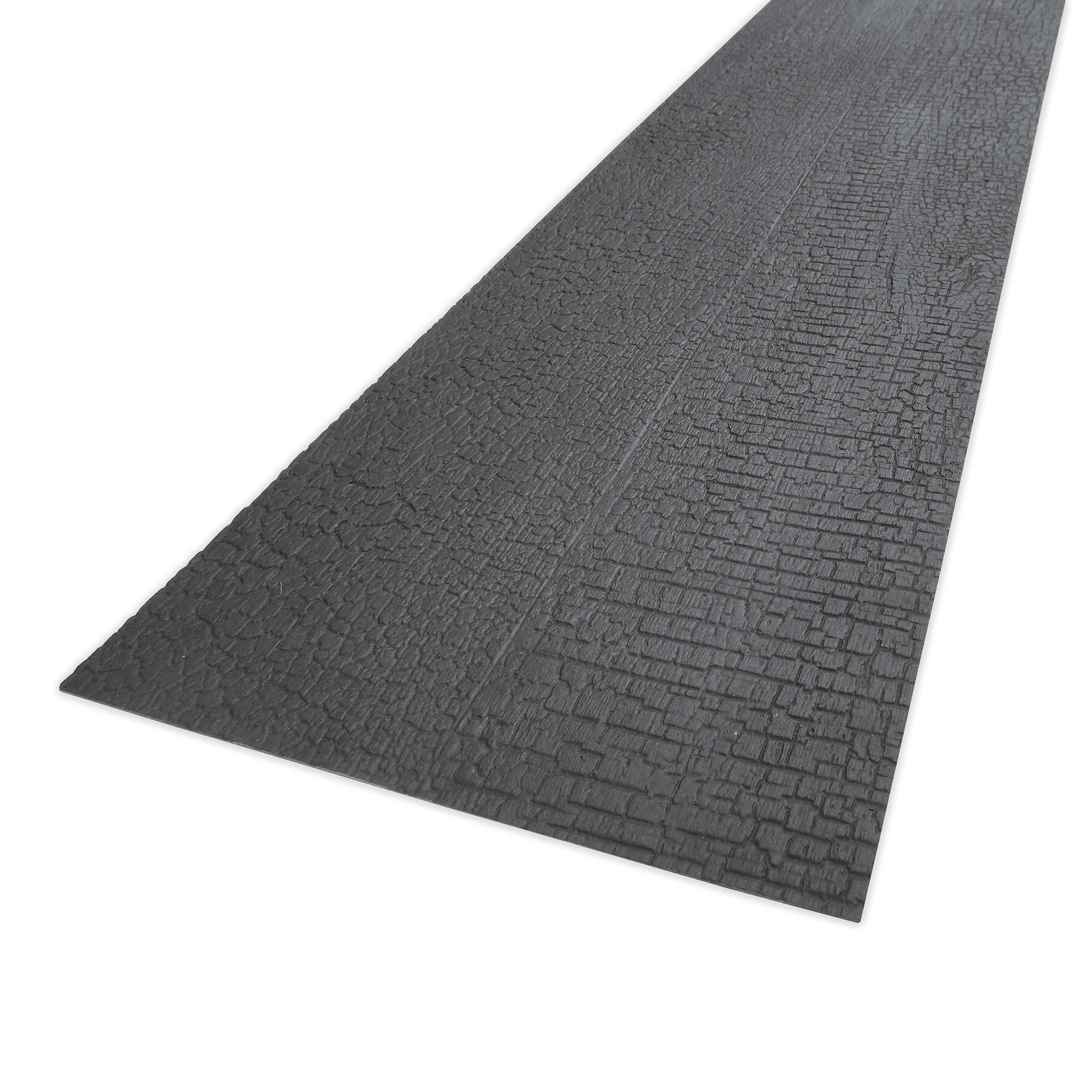
Charcoal burnt wood board, on the other hand, adds a fiery twist to this journey. The process starts similarly: with sustainably sourced wood (often cedar, pine, or cypress). But then comes the transformation: the wood is burned. Using torches or controlled flames, the surface is charred to a depth of 1–3 millimeters. This charring isn't random—it's precise. Too little, and the wood won't gain the desired durability; too much, and it becomes brittle. After burning, the planks are brushed vigorously to remove loose charcoal, leaving behind a rough, textured surface. Finally, they're sealed with oil or wax to lock in the charred layer and protect against the elements. The result is a material that's part wood, part art—nature meets fire, with a little human ingenuity in between.
Here's where things get interesting: traditional wood's manufacturing process is relatively straightforward, relying on time and basic tools. Charcoal burnt wood board, while rooted in ancient techniques, requires more skill—artisans must master the balance of heat and timing to achieve that perfect char. It's a labor-intensive process, which explains why charcoal burnt wood board often comes with a higher price tag than standard lumber. But as we'll see later, that extra cost might just be worth it.
Let's talk looks—because when it comes to design, aesthetics often lead the way. Traditional wood is a master of versatility. Want a cozy cottage vibe? Opt for honey-toned pine with visible knots. Going for mid-century modern? Choose sleek teak with clean lines. Love rustic charm? Reclaimed barn wood with weathered cracks and nail holes does the trick. Its color palette ranges from pale birch to deep mahogany, and its texture is soft, warm, and inviting. Run your hand over a traditional wood table, and you'll feel the grain—smooth in some spots, slightly raised in others—a tactile reminder of its natural origins.
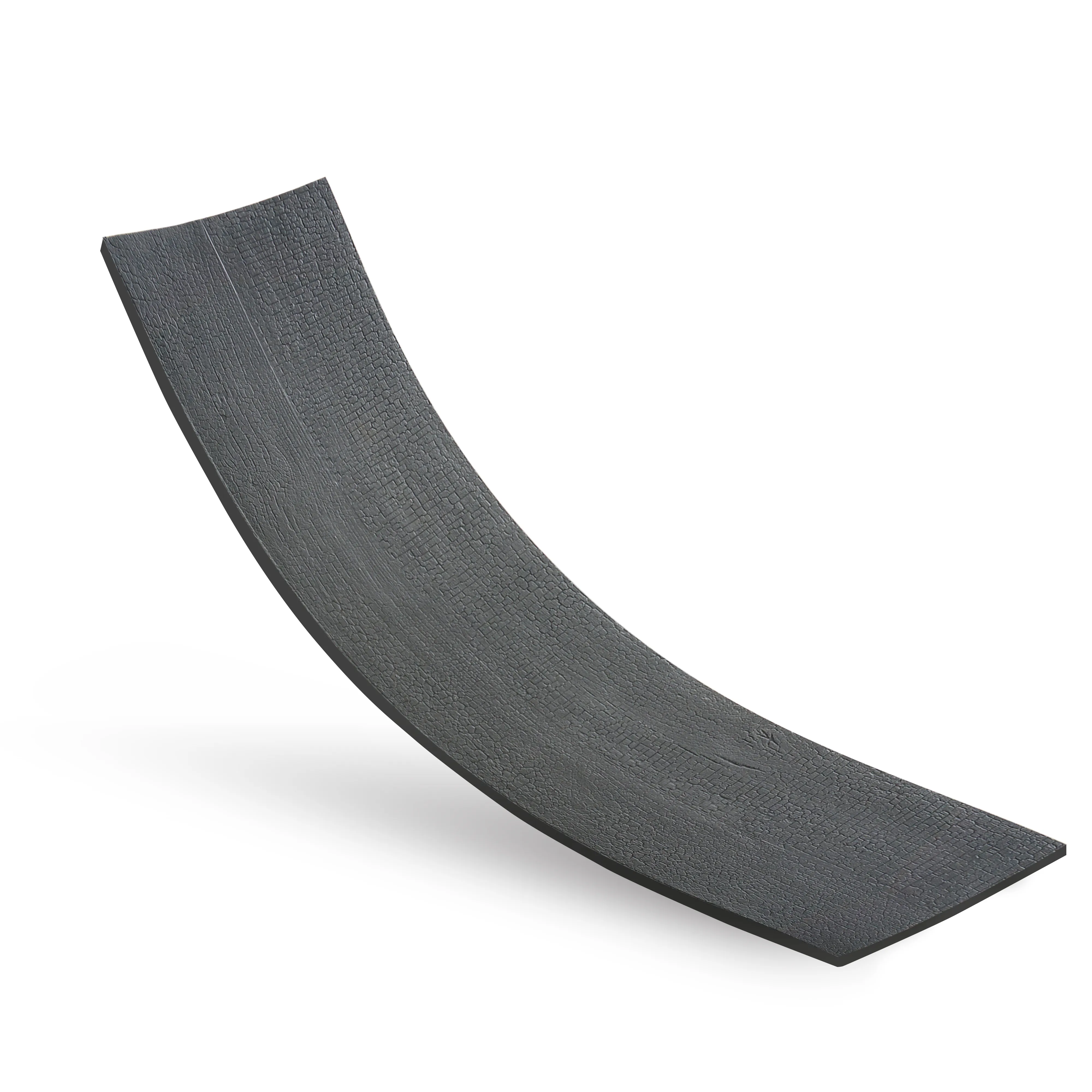
Charcoal burnt wood board, by comparison, is a rebel with a cause. Its most striking feature is its color: think inky blacks, smoky grays, and even hints of iridescent blue or purple where the fire danced longest. The charred surface is rough to the touch—almost like sandpaper—yet beneath that, the wood remains smooth, creating a satisfying contrast. What really sets it apart, though, is how the grain shines through. The charring process darkens the softer parts of the wood (the earlywood) more than the harder parts (the latewood), making the grain pop in high relief. It's like looking at a topographical map of the wood's soul—each ridge and valley telling a story of growth and fire.
Of course, beauty is subjective. Some people find the charred look too harsh, preferring traditional wood's warmth. Others see charcoal burnt wood board as a work of art—a conversation starter that adds depth and drama to a space. It's also worth noting that charcoal burnt wood board isn't one-note. Depending on the wood species and the intensity of the burn, you can get lighter char (a soft gray) or deeper char (jet black), giving designers room to play. Traditional wood, too, offers variety, but its range is limited by nature—you can't make oak look like maple, no matter how you stain it.
And let's not forget wood grain board here—a cousin to traditional wood that's engineered to have uniform grain patterns. It's great for consistency but lacks the organic, one-of-a-kind feel of both traditional wood and charcoal burnt wood board. In the battle of aesthetics, it's a toss-up: traditional wood wins for warmth and familiarity, while charcoal burnt wood board takes the prize for uniqueness and edge.
Looks aside, the real test of any building material is how it holds up over time. Let's start with traditional wood's Achilles' heels: moisture, pests, and fire. Left untreated, traditional wood absorbs water like a sponge, leading to rot, mold, and warping. Termites, carpenter ants, and even wood-boring beetles see it as an all-you-can-eat buffet. And, of course, wood burns—making it a fire hazard if not properly treated with fire-retardant chemicals. To combat these issues, traditional wood often needs regular maintenance: sealing every 1–2 years, painting, or staining to keep the elements at bay.
Charcoal burnt wood board, on the other hand, is like traditional wood with a suit of armor. The charring process creates a layer of carbon on the surface, which is naturally resistant to moisture, pests, and fire. Think of it this way: termites don't eat charcoal, and water struggles to penetrate a charred barrier. In fact, studies have shown that shou sugi ban-treated wood can last up to 80 years outdoors without rotting—compared to 10–20 years for untreated traditional wood. That's a huge difference, especially for exterior projects like siding, decks, or fences.
But durability isn't just about resistance to the elements—it's also about structural integrity. Traditional wood, when properly dried and maintained, is strong and flexible, making it ideal for load-bearing applications like beams or flooring. Charcoal burnt wood board, while durable on the surface, has a charred layer that's brittle. This means it's not the best choice for structural uses (you wouldn't build a house frame with it), but it's excellent for non-load-bearing applications like cladding, siding, or decorative panels. For structural needs, you might pair it with wood concrete board , which offers the strength of concrete with a wood-like appearance.
What about rough granite stone ? It's undeniably durable—resistant to fire, pests, and moisture—but it's heavy, hard to install, and lacks the warmth of wood. So if you're choosing between wood-based materials, charcoal burnt wood board has a clear edge in longevity, while traditional wood holds its own in structural strength.
In an era where "green" is more than just a color, sustainability matters. Let's break down the environmental impact of both materials. Traditional wood, when sourced from responsibly managed forests (look for FSC certification), can be a sustainable choice. Trees absorb carbon dioxide as they grow, and wood is biodegradable at the end of its life. The problem? Deforestation is still a global issue, and even sustainably sourced wood requires energy for harvesting, transportation, and processing. Plus, if traditional wood needs to be replaced every 10–20 years (due to rot or pests), that means more trees cut down over time.
Charcoal burnt wood board, by contrast, has sustainability built into its durability. Because it lasts longer (up to 80 years outdoors), it reduces the need for frequent replacements—meaning fewer trees harvested overall. The charring process itself uses minimal energy (just fire, no harsh chemicals), and the sealing step often uses natural oils (like linseed or tung oil) instead of synthetic sealants. That said, it's still wood, so sourcing matters. Opt for charcoal burnt wood board made from fast-growing, sustainably harvested species (like cedar or cypress) to maximize its eco-friendly credentials.
Then there's wood concrete board , which blends wood fibers with concrete. While it reduces the amount of wood used per board, concrete production is energy-intensive and emits CO2. It's a trade-off: less wood, more concrete. For those prioritizing sustainability above all, charcoal burnt wood board (sustainably sourced) and traditional wood (FSC-certified) are both better bets than composites like wood concrete board—though charcoal burnt wood board edges ahead due to its longer lifespan.
Now that we've covered the "what" and "how," let's talk about the "where." Traditional wood and charcoal burnt wood board each have sweet spots where they shine brightest. Let's start indoors. Traditional wood is a natural fit for flooring, furniture, cabinetry, and wall paneling. Its warm tones and soft texture make spaces feel inviting—think a oak bookshelf in a home office or pine ceiling beams in a kitchen. It's also easy to work with: you can cut it, drill it, or sand it to fit any space, and it pairs beautifully with other materials (like metal, glass, or stone).
Charcoal burnt wood board, while stunning indoors, really comes into its own outdoors. Its durability makes it perfect for siding, decks, fences, and outdoor furniture. Imagine a modern home with a charcoal burnt wood board facade, standing strong against rain, snow, and UV rays, or a backyard deck that doesn't need annual sealing. Indoors, it's a bold choice for accent walls (think a home theater or bedroom headboard wall) or statement furniture (a charred wood coffee table that's equal parts art and function). Just be mindful of its rough texture—you wouldn't want it as flooring for bare feet!
For high-traffic or high-moisture indoor areas (like bathrooms or kitchens), traditional wood can struggle without constant maintenance. Here, wood concrete board might be a better alternative, offering wood-like looks with concrete's water resistance. Outdoors, in areas with extreme weather (like coastal regions with salt spray), even charcoal burnt wood board might need extra sealing—though it will still outperform traditional wood. And if you're after durability above all else (say, for a commercial building facade), rough granite stone is a contender, but it will cost more and feel colder than wood-based options.
Let's get real: budget matters. Traditional wood is generally cheaper upfront. A 1x6x8-foot pine board might cost $10–$15, while cedar could run $20–$30. Charcoal burnt wood board, due to its labor-intensive manufacturing process, is pricier—expect to pay $30–$50 per square foot for premium options. That's a big difference, especially for large projects.
But here's the catch: long-term value. Traditional wood, even treated, may need to be replaced every 10–20 years outdoors. Charcoal burnt wood board? It could last 50–80 years with minimal maintenance. Let's do the math: If you spend $10 per square foot on traditional wood siding and replace it every 15 years, over 60 years, you'll spend $40 per square foot (plus labor for replacement). Charcoal burnt wood board, at $40 per square foot upfront, lasts 60 years—so you pay once and done. Suddenly, that higher initial cost starts to look like a bargain.
Of course, indoor projects have different math. A traditional wood dining table might cost $500 and last 20 years, while a charcoal burnt wood table could cost $1,000 but last a lifetime. For some, the investment is worth it for the unique look and longevity; for others, traditional wood's lower upfront cost is more appealing. It all depends on your priorities: short-term savings or long-term value?
Let's be honest: no one wants a material that turns into a high-maintenance chore. Traditional wood, lovely as it is, requires TLC. Outdoors, you'll need to seal it every 1–2 years (with polyurethane, stain, or paint) to protect against moisture and UV rays. Indoors, it might need refinishing every 5–10 years (sanding and re-staining) to keep it looking fresh. Ignore this, and you'll end up with warped boards, faded color, or worse—rot. For busy homeowners, this can feel like a never-ending task.
Charcoal burnt wood board, by contrast, is a low-maintenance dream. The charred layer is self-protecting, so you can skip the annual sealing (though a light coat of natural oil every 3–5 years will help maintain its color). Outdoors, it can handle rain, snow, and sun without fading or warping. Indoors, a quick wipe with a damp cloth is all it needs to stay clean. The only caveat? The rough charred surface can collect dust, so you might need to vacuum it occasionally (a soft-bristle brush attachment works best).
For those who hate DIY or don't have the time for regular maintenance, charcoal burnt wood board is a no-brainer. Traditional wood, while rewarding, is best suited for homeowners who enjoy puttering in the yard or refinishing furniture as a weekend project.
| Feature | Charcoal Burnt Wood Board | Traditional Wood | Wood Concrete Board (Bonus!) |
|---|---|---|---|
| Material Type | Charred solid wood (cedar, cypress, etc.) | Solid wood (pine, oak, maple, etc.) | Composite (wood fibers + concrete) |
| Manufacturing | Charred with fire, brushed, sealed with natural oil | Sawn, dried, sanded, stained/sealed (optional) | Wood fibers mixed with concrete, molded, cured |
| Aesthetic Traits | Deep black/gray exterior, visible grain, rough texture | Warm tones, varied grain patterns, smooth/soft texture | Mimics wood grain, uniform appearance, rigid texture |
| Durability | Fire, moisture, and pest resistant; lasts 50–80 years outdoors | Prone to rot, pests, and warping; lasts 10–20 years outdoors (untreated) | Water and pest resistant; lasts 20–30 years outdoors |
| Sustainability | High (long lifespan reduces replacements; minimal chemicals) | Medium (depends on sourcing; shorter lifespan means more replacements) | Medium (less wood used, but concrete production is energy-intensive) |
| Best Applications | Exterior siding, decks, fences, accent walls, outdoor furniture | Indoor flooring, furniture, cabinetry, ceiling beams | High-moisture areas (bathrooms, kitchens), exterior cladding |
| Average Cost (per sq ft) | $30–$50 | $5–$30 (varies by species) | $15–$35 |
| Maintenance Needs | Minimal: Oil every 3–5 years; occasional dusting | High: Seal/stain every 1–2 years; refinish every 5–10 years | Low: Clean with soap and water; no sealing needed |
At the end of the day, there's no "winner"—only what's right for your project. Traditional wood is perfect if you crave warmth, tradition, and the organic beauty of natural grain. It's ideal for indoor spaces where you want to create a cozy, lived-in feel, and it's budget-friendly upfront (though you'll pay in maintenance over time). Choose it for flooring, furniture, or any project where "homey" is the goal.
Charcoal burnt wood board, on the other hand, is for the bold, the practical, and the forward-thinking. It's a statement material that combines drama with durability, making it ideal for exteriors, high-traffic areas, or anyone who wants a "set it and forget it" option. It costs more upfront, but its longevity and low maintenance make it a smart investment in the long run.
And if you're torn? Mix them! Use traditional wood for floors and furniture, then add a charcoal burnt wood board accent wall for contrast. Or pair charcoal burnt wood siding with a traditional wood front door for a blend of old and new. The design world is your oyster—and with materials like these, the possibilities are endless.
So, whether you're building a new home, renovating a space, or just dreaming up your next project, take a moment to consider what matters most: the story of traditional wood, or the bold future of charcoal burnt wood board. Either way, you're not just choosing a material—you're choosing the feeling you want your space to evoke. And that, more than anything, is what great design is all about.
Recommend Products












