
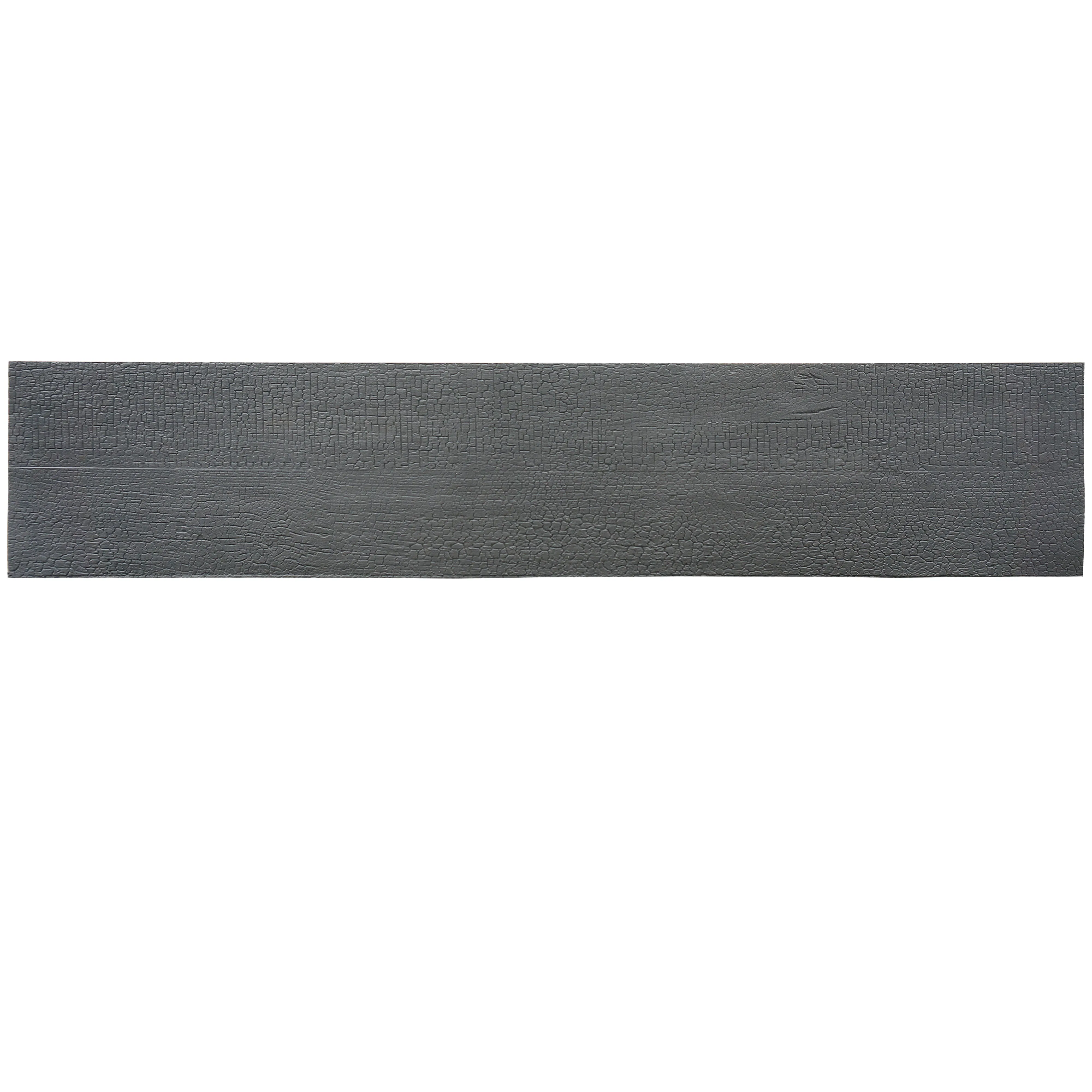
Walls are the silent storytellers of our homes. They don't just divide space—they shape moods, reflect personalities, and turn houses into sanctuaries. In recent years, homeowners and designers alike have been leaning into materials that feel less "manufactured" and more "lived-in," seeking textures that invite touch and tones that warm the soul. Enter charcoal burnt wood board: a material that marries ancient craftsmanship with modern durability, bringing the raw beauty of charred wood into the heart of residential interiors. If you've ever craved walls that feel like a bridge between nature and home, this guide is for you.
At first glance, charcoal burnt wood board might evoke images of campfire-kissed logs, but its story is far more intentional. Rooted in traditional techniques (think Japanese shou sugi ban , where wood is charred to enhance resilience), this material starts with real wood planks—often cedar, pine, or oak—treated through a controlled burning process. The wood is carefully charred to create a deep, smoky outer layer, then brushed to reveal hints of the grain beneath, and sealed to lock in its texture and protect against the elements.
What sets "real pH" charcoal burnt wood board apart is its commitment to authenticity. Unlike synthetic imitations that mimic the look with paint or vinyl, this board uses genuine wood fibers and minimal chemical treatments, resulting in a surface that breathes and ages gracefully. The "pH" here refers to the material's natural balance—alkaline from the charring process, which helps resist mold and pests—making it not just beautiful, but inherently functional for interior spaces.
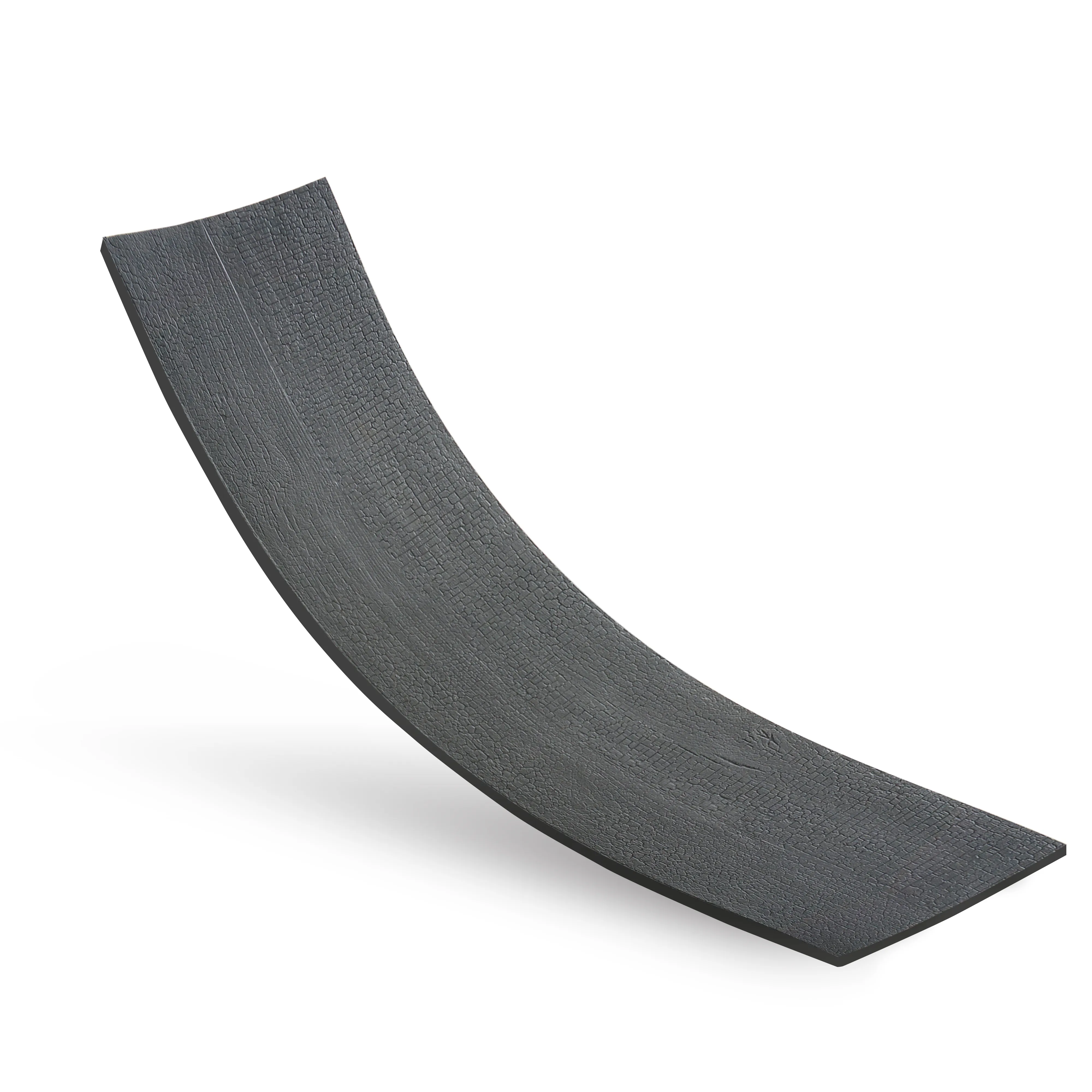
Visually, it's a study in contrast: deep blacks and charred browns give way to streaks of amber or gold where the wood grain peeks through. Some boards (retain) the rough, crackled texture of the charred surface; others are lightly sanded for a smoother, more refined finish. Either way, each plank carries unique markings—no two are identical—ensuring your walls will tell a one-of-a-kind story.
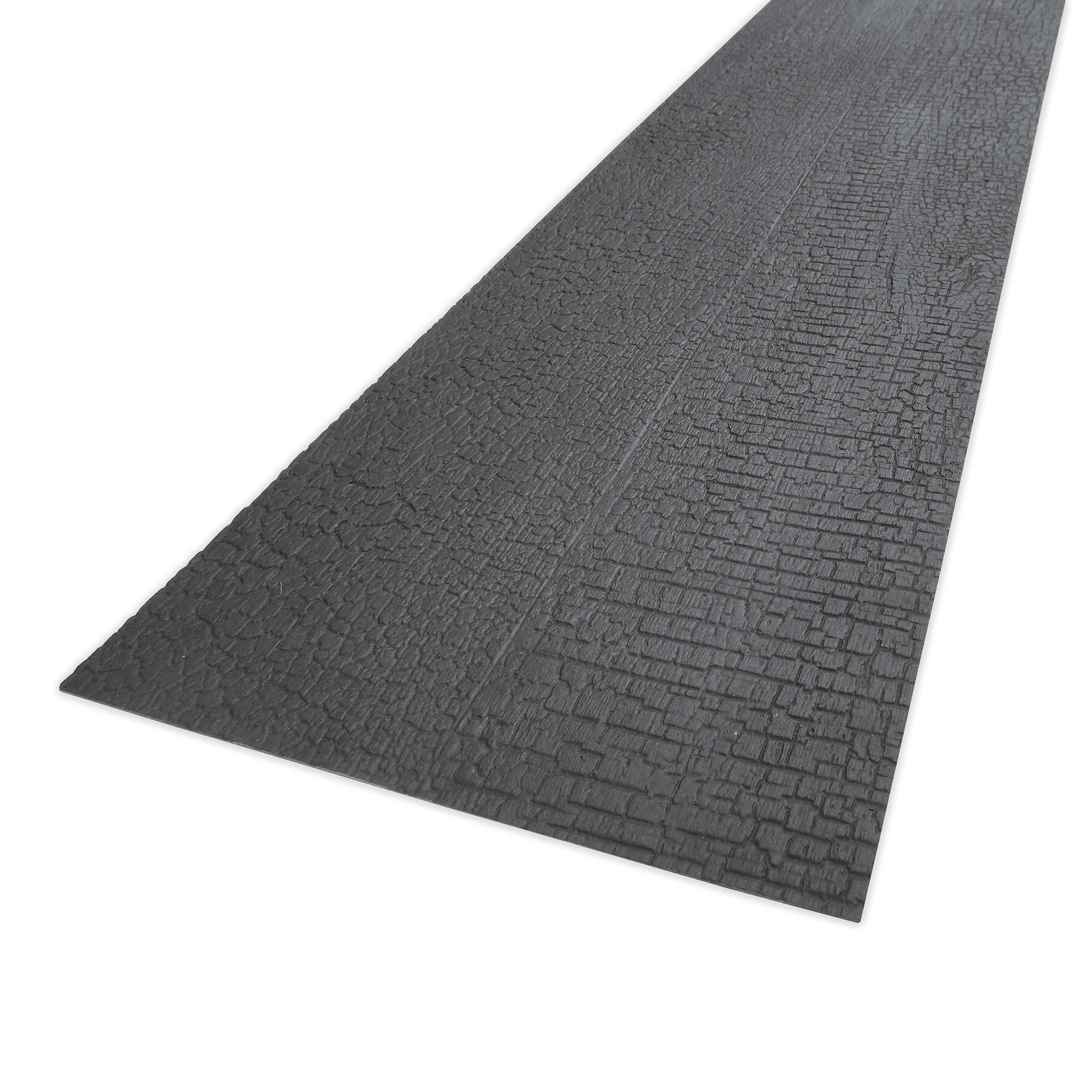
Beauty alone doesn't make a material worth investing in—especially for something as permanent as a wall. Charcoal burnt wood board checks boxes for aesthetics, durability, and versatility, making it a standout choice for modern homes. Let's break down its appeal:
1. Aesthetic Warmth with Edge Wood has long been prized for its ability to add warmth to a room, but charcoal burnt wood board takes this a step further. Its dark, moody tones—think espresso, midnight, and smoldering umber—create a sense of depth that flat paint or wallpaper can't match. Whether you're going for a cozy cabin vibe, an industrial loft feel, or a sleek modern look, this material adapts. Pair it with soft neutrals for contrast, or layer it with other natural materials (we'll get to that later) for a rich, textured space.
2. Built to Last (Really Last) Charring wood isn't just about looks—it's a time-tested way to boost durability. The burnt outer layer acts as a natural barrier against fire, pests (termites hate charred wood), and moisture. When sealed properly, charcoal burnt wood board resists warping, rotting, and fading, even in humid rooms like bathrooms or kitchens. Unlike untreated wood, which might need refinishing every few years, this material ages like fine wine, developing a patina that only grows more interesting over time.
3. Versatility That Fits Any Home One of the best things about charcoal burnt wood board is its chameleon-like ability to blend into different design styles. In a minimalist home, it adds a bold accent wall without overwhelming the space. In a rustic cottage, it complements exposed beams and woven textiles (more on weaving (khaki) pairings later!). In a contemporary apartment, it balances sleek surfaces like marble or metal. It works in living rooms, bedrooms, home offices, and even dining areas—anywhere you want to make a statement without shouting.
4. Eco-Friendly at Its Core For environmentally conscious homeowners, charcoal burnt wood board is a win. Most manufacturers use sustainably sourced wood from FSC-certified forests, and the charring process requires no toxic chemicals. Unlike vinyl or plastic-based wall panels, which off-gas harmful VOCs, this material is low-maintenance and releases zero harmful emissions, keeping your indoor air clean and your conscience clear.
Choosing a wall material is about balancing form and function. To help you see how charcoal burnt wood board compares to other popular options, we've put together a side-by-side breakdown with three contenders: fair-faced concrete, rough granite stone (medium grey), and wood grain board. Each has its merits, but only one brings that unbeatable combo of warmth, texture, and durability.
| Feature | Charcoal Burnt Wood Board | Fair-Faced Concrete | Rough Granite Stone (Medium Grey) | Wood Grain Board |
|---|---|---|---|---|
| Aesthetic | Deep, charred tones with visible grain; warm, organic, and moody. | Cool, industrial gray; sleek, minimalist, and modern. | Speckled medium grey with crystalline texture; bold, earthy, and luxurious. | Light to medium wood tones; smooth, uniform grain; classic and versatile. |
| Texture | Rough, crackled surface with tactile depth; invites touch. | Smooth to slightly porous; cool and hard to the touch. | Coarse, granular texture; can be sharp in some finishes. | Smooth or lightly embossed; mimics wood but lacks the depth of real charred grain. |
| Durability | Fire-resistant, pest-resistant, moisture-resistant; lasts 30+ years with proper care. | Highly durable; resistant to scratches and moisture but prone to staining if unsealed. | Extremely hard; scratch and heat-resistant but heavy and brittle (can crack if hit). | Moderate durability; prone to dents, scratches, and moisture damage if not sealed. |
| Installation | Lightweight; can be cut with standard tools; mounted with screws or adhesive. | Heavy; requires professional installation (formwork, pouring, curing). | Very heavy; needs structural support; professional cutting and mounting. | Lightweight; easy to install with nails or adhesive; DIY-friendly. |
| Maintenance | Dust with a dry cloth; wipe spills immediately; reseal every 5–7 years. | Seal annually; clean with mild soap and water; avoid acidic cleaners. | Seal once; clean with stone-safe cleaner; avoid harsh chemicals. | Dust regularly; clean with wood-safe cleaner; refinish every 2–3 years if scratched. |
| Cost | Mid-range: $8–$15 per square foot (varies by wood type and finish). | High: $12–$20 per square foot (due to labor-intensive installation). | Premium: $15–$30 per square foot (costly material + installation). | Budget-friendly: $3–$8 per square foot (lower cost, but less durable). |
| Sustainability | High: Uses sustainably sourced wood; low-VOC sealants; biodegradable at end of life. | Moderate: Concrete production emits CO2, but lasts decades; can be recycled. | Low: Granite mining is energy-intensive; non-renewable resource. | Moderate: Depends on wood source; some use recycled materials, but many are plastic composites. |
Now that you know the "what" and "why," let's dive into the "how." Charcoal burnt wood board is a team player, pairing beautifully with other materials to create layered, inviting spaces. Here are a few design ideas to spark your creativity:
1. The Cozy Retreat: Charcoal Wood + Weaving (Khaki) For a bedroom or reading nook that feels like a hug, pair charcoal burnt wood board with soft, earthy textiles. Imagine a headboard wall clad in charred wood, flanked by woven (khaki) curtains that filter sunlight into warm, golden streaks. Add a jute rug, a knit throw, and a wooden bed frame, and you've got a space that's equal parts rugged and romantic. The contrast between the rough wood and the smooth weave of the textiles creates visual harmony, making the room feel balanced and inviting.
2. The Industrial Edge: Charcoal Wood + Fair-Faced Concrete If you love the raw, utilitarian vibe of industrial design, combine charcoal burnt wood board with fair-faced concrete. Use the wood for an accent wall in the living room, and leave the adjacent wall in exposed concrete. Add metal accents (think black steel shelves or a brass floor lamp) and leather furniture to tie the look together. The wood softens the coldness of the concrete, while the concrete grounds the wood's warmth—resulting in a space that feels edgy but never harsh.
3. The Natural Layer: Charcoal Wood + Wood Grain Board For a home that feels deeply connected to nature, layer different wood tones and textures. Use charcoal burnt wood board for a focal wall, then install wood grain board (in a lighter shade, like oak or maple) on the opposite wall. Add wooden furniture, potted plants, and a stone fireplace to complete the look. This "wood-on-wood" approach creates depth without overwhelming the space, perfect for a cabin-inspired or bohemian home.
4. The Modern Minimalist: Charcoal Wood + Neutral Tones In a minimalist home, less is more—and charcoal burnt wood board proves that a little texture goes a long way. Paint the majority of your walls in a soft white or beige, then use the wood for a single accent wall (try the one behind your sofa or TV). Keep furniture simple: a low-profile sofa, a marble coffee table, and floor-to-ceiling curtains in linen. The wood adds warmth and interest without cluttering the space, letting the architecture and natural light shine.
Installing charcoal burnt wood board isn't rocket science, but it does require some prep work. Whether you're a DIY enthusiast or planning to hire a pro, here's what you need to keep in mind:
Prep Your Walls First Before you even think about mounting the boards, make sure your walls are ready. They should be clean, dry, and flat—no cracks, holes, or uneven patches. If your walls are painted, lightly sand them to create a rough surface for the adhesive to grip. If you're mounting the boards over drywall, use a stud finder to locate the studs—this will ensure the boards are securely anchored, especially if you're using heavy planks.
Measure Twice, Cut Once Charcoal burnt wood board comes in standard planks (usually 4x8 feet), but you'll likely need to cut them to fit your wall's dimensions. Use a circular saw with a carbide-tipped blade to avoid splintering the wood. Always wear safety gear—goggles, gloves, and a dust mask—to protect yourself from sawdust and charred particles.
Seal Before Mounting (Yes, Even Indoors) While the charring process makes the wood resistant to moisture, it's still a good idea to seal it before installation—especially if you live in a humid climate. Use a clear, water-based sealant (look for one labeled "low VOC" for eco-friendliness) and apply two coats with a brush or roller. Let the sealant dry completely (24–48 hours) before mounting the boards to avoid trapping moisture between the wall and the wood.
Mounting Options: Adhesive vs. Screws For lightweight planks, construction adhesive (like Liquid Nails) is usually sufficient. Apply a bead of adhesive to the back of each plank, press it firmly against the wall, and use painter's tape to hold it in place while the adhesive dries (about 24 hours). For heavier planks or walls with uneven surfaces, use screws: pre-drill holes in the planks, then drive screws into the wall studs. Countersink the screws and fill the holes with wood putty that matches the board's color for a seamless look.
When to Call a Pro If you're new to DIY projects, or if your wall has tricky features (like windows, outlets, or curves), hiring a professional installer is worth the investment. They'll have the tools and experience to cut around obstacles cleanly and ensure the boards are mounted straight and secure. A pro can also help with custom finishes, like distressing the wood further or adding a tinted sealant to adjust the color.
One of the best things about charcoal burnt wood board is that it's low-maintenance—no fancy cleaners or frequent touch-ups required. With a little care, your walls will look beautiful for decades. Here's how to keep them in top shape:
Dust Regularly Like any textured surface, charcoal burnt wood board can collect dust in its cracks and crevices. Dust it once a week with a soft-bristled brush or a microfiber cloth (avoid abrasive sponges, which can scratch the sealant). For hard-to-reach spots, use a vacuum with a brush attachment on low power.
Wipe Spills Immediately While the sealant protects against moisture, it's still best to clean up spills (like coffee, wine, or grease) right away. Use a damp cloth and mild soap (like dish soap diluted in water) to gently wipe the area. Avoid harsh cleaners (bleach, ammonia) or scrubbing too hard—this can strip the sealant and damage the charred surface.
Reseal Every 5–7 Years Over time, the sealant on your charcoal burnt wood board will wear down, especially in high-traffic areas or rooms with humidity (like bathrooms). Every 5–7 years, check for signs of wear: if water no longer beads up on the surface, or if the wood feels rough to the touch, it's time to reseal. Sand the surface lightly with fine-grit sandpaper, wipe away the dust, and apply a fresh coat of sealant—your walls will look as good as new.
Handle Scratches with Care While the charred layer is durable, it's not scratch-proof. If you notice a shallow scratch, try rubbing a little wood polish (in a dark tone) into the area with a soft cloth. For deeper scratches, you may need to touch up the sealant or consult a professional for refinishing.
When shopping for charcoal burnt wood board, look for manufacturers who prioritize sustainability. Here's what to ask:
At the end of the day, choosing a wall material is about more than aesthetics—it's about choosing something that feels true to your home and your values. Charcoal burnt wood board isn't just a trend; it's a material with soul. It carries the history of ancient craftsmanship, the durability of modern engineering, and the warmth of nature itself. Whether you're building a new home or refreshing an old one, these walls won't just hold up your ceiling—they'll hold memories, too.
So go ahead: embrace the charred textures, the deep tones, the way the light plays off its surface at sunset. Let your walls be more than walls. Let them be a reminder that home is where the heart (and the best materials) are.
Recommend Products












