
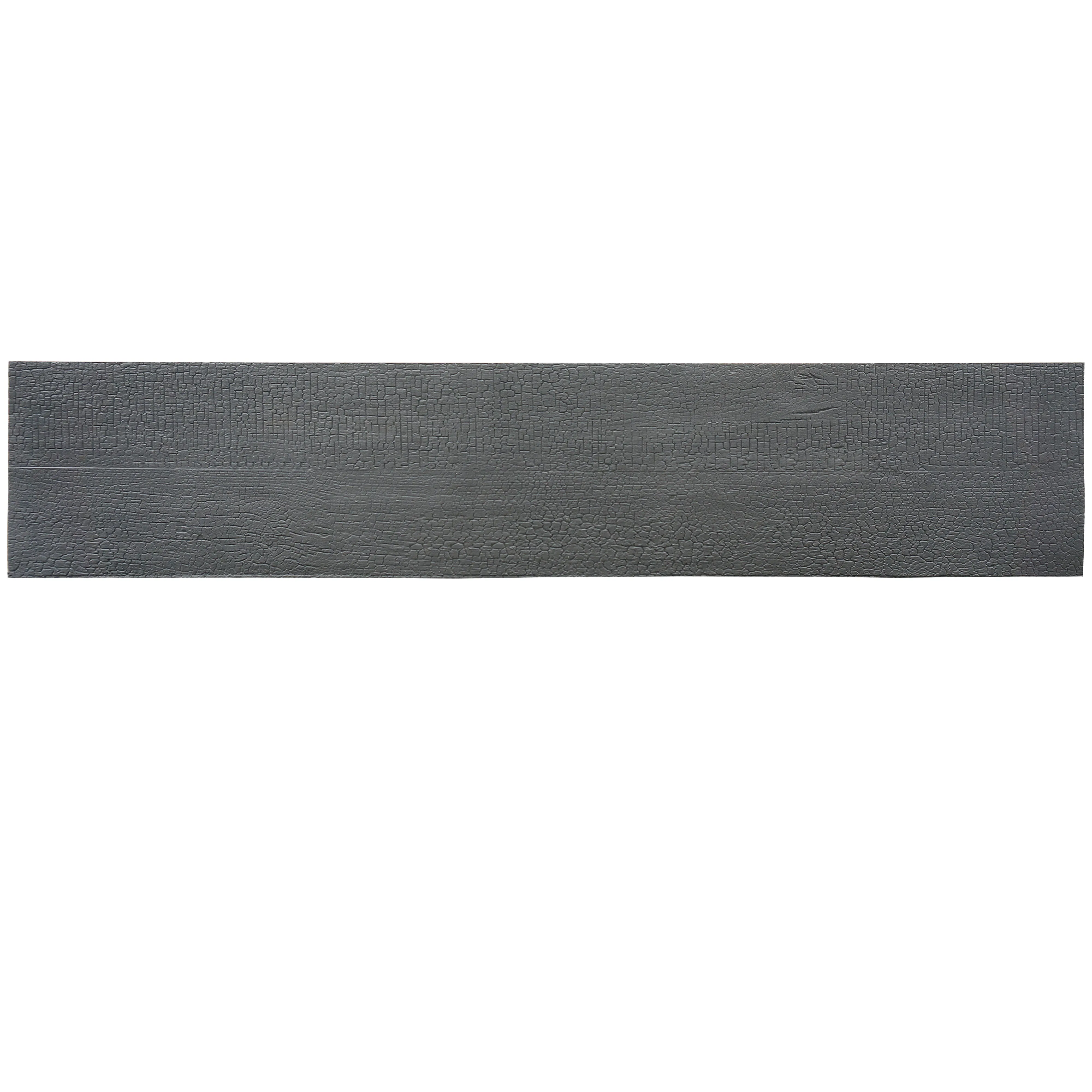
Walk into any modern café, boutique hotel, or high-end residential space, and you'll likely notice a material that feels both timeless and contemporary: charcoal burnt wood. Its deep, rich tones and textured surface—marked by the artful singeing of wood—add warmth to interiors and a striking contrast to exteriors. But beyond its aesthetic appeal, there's a hidden world of chemistry at play, especially when it comes to one critical factor: pH levels. For architects, builders, and even homeowners, understanding the pH of charcoal burnt wood board isn't just about science; it's about ensuring durability, compatibility with other materials, and the long-term health of the spaces we create. In this article, we'll dive into the chemical properties of this unique material, with a sharp focus on real pH data, why it matters, and how it stacks up against other popular building materials like wood grain board, polish concrete, and fair-faced concrete.
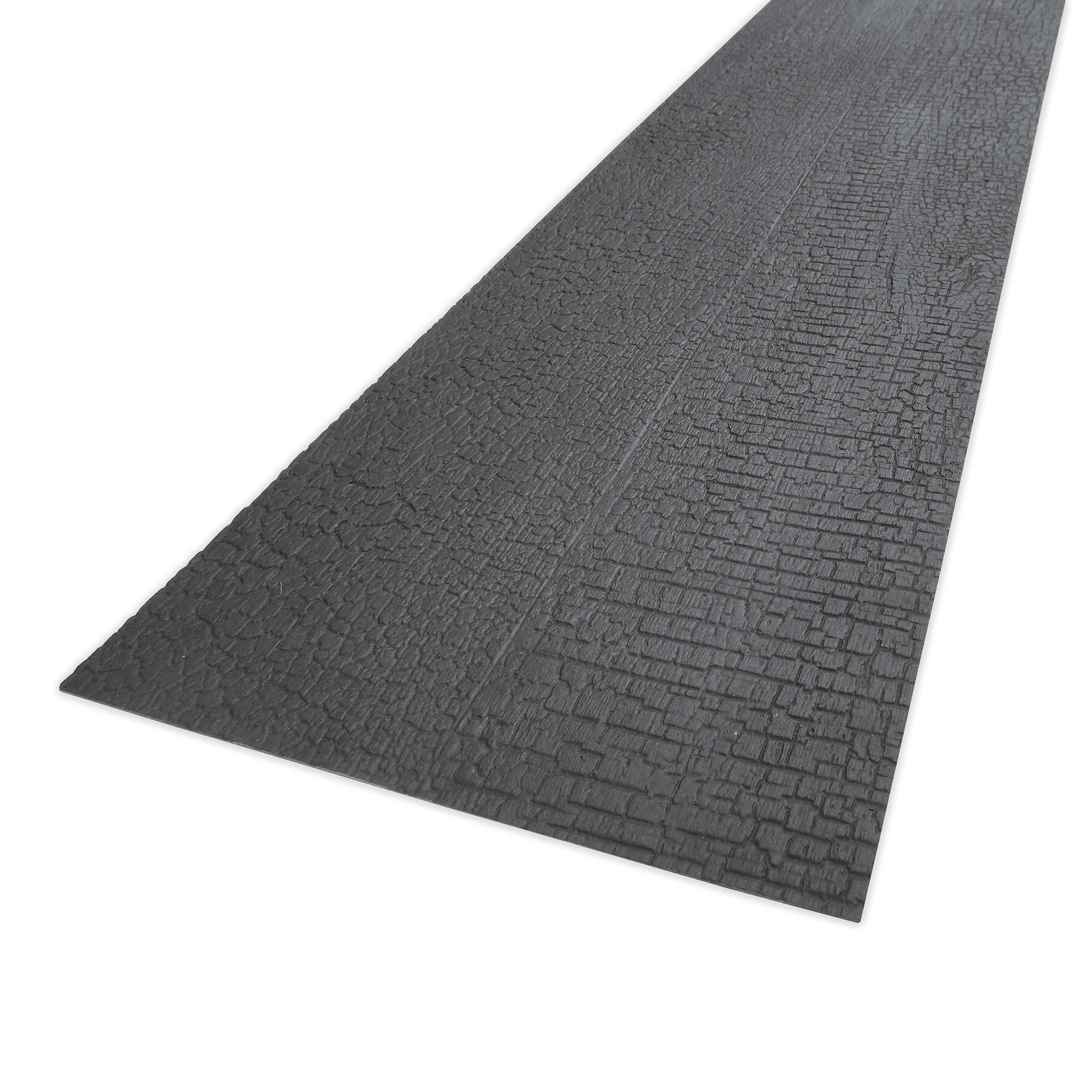
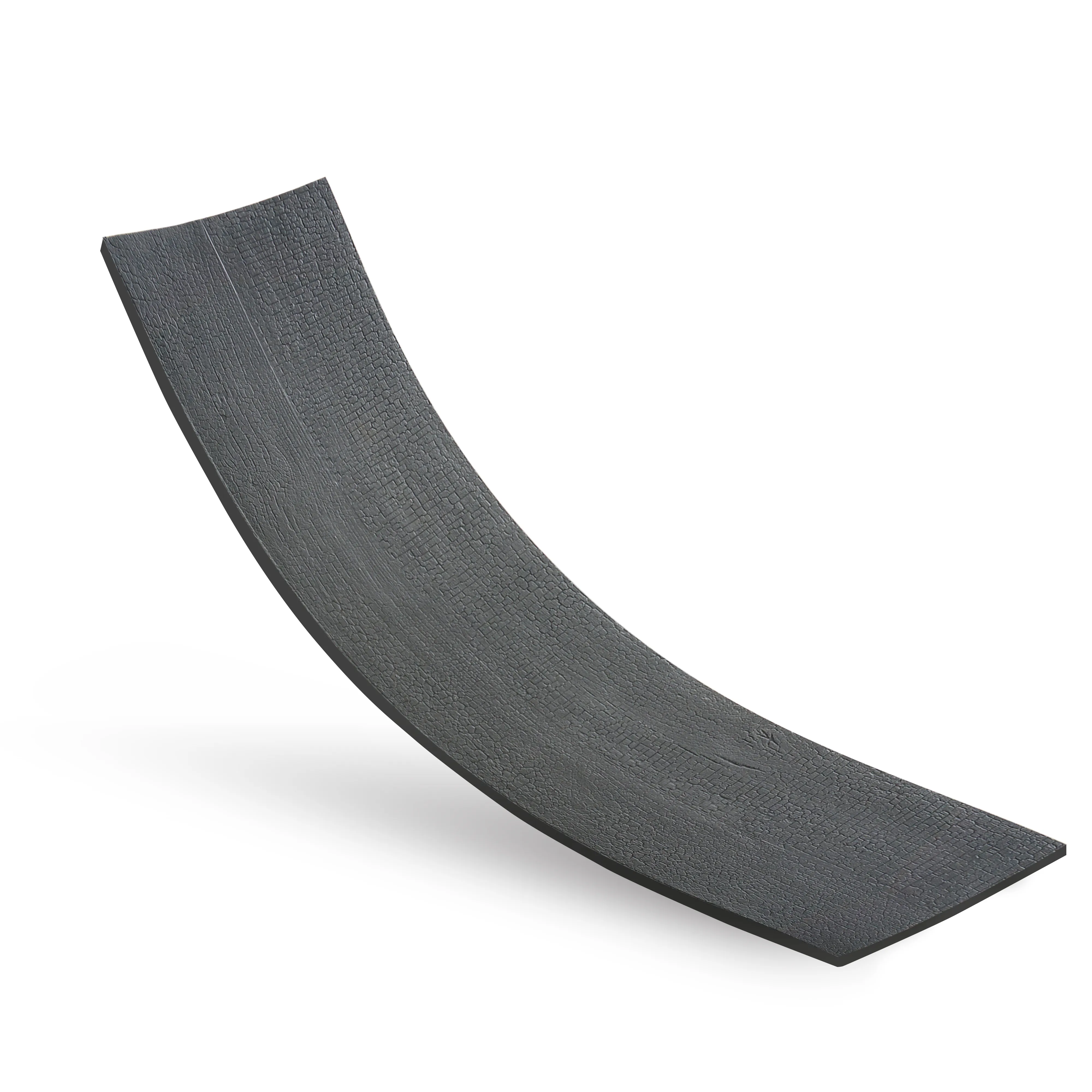
First, let's get clear on what we're talking about. Charcoal burnt wood board—often associated with the traditional Japanese technique Shou Sugi Ban (literally "burnt cedar board")—is wood that's been intentionally charred, usually with a torch or controlled flame, then brushed to remove loose ash, and sometimes sealed. The result? A surface that's resistant to rot, insects, and weathering, with a distinct blackened patina that ages beautifully. But while most people fixate on its looks, the charring process fundamentally alters the wood's chemical composition—and that includes its pH balance.
To understand why, let's start with unprocessed wood. Natural wood is slightly acidic, with a pH typically ranging from 4.0 to 6.0, thanks to compounds like lignin, tannins, and organic acids in its cellular structure. When you apply heat, though, something transformative happens: the wood's components break down. Low-molecular-weight acids (like acetic acid) vaporize, while complex polymers (cellulose and lignin) undergo pyrolysis—breaking into smaller molecules, some of which are alkaline. The charred layer itself, composed mostly of carbon, is relatively inert, but the underlying wood and any residual compounds can still influence pH. So, does charring make wood more acidic, more alkaline, or neutral? The answer, as we'll see, depends on a few key variables.
Before we dive into charcoal burnt wood specifically, let's step back: why does pH matter in construction materials at all? pH is a measure of how acidic or alkaline a substance is, ranging from 0 (highly acidic) to 14 (highly alkaline), with 7 being neutral. In building materials, pH affects everything from how well paints and sealants adhere, to whether metal fasteners (like nails or screws) corrode, to how resistant the material is to mold and mildew.
For example, highly acidic materials (pH < 4) can eat away at metal, causing rust and weakening structural connections. On the flip side, highly alkaline materials (pH > 9) might react with certain adhesives, causing them to degrade over time. Even mold has preferences: most species thrive in slightly acidic to neutral environments (pH 5.0–7.0), though some can tolerate more extreme ranges. For charcoal burnt wood board, which is often used in high-moisture areas like bathrooms or exteriors, pH stability isn't just a lab curiosity—it's a practical concern for longevity.
To get real-world data on charcoal burnt wood board's pH, we turned to industry standards and third-party lab tests. The most common methods for measuring pH in building materials are aqueous extraction (soaking a sample in deionized water and testing the solution) and surface pH testing (using a pH meter or test strip directly on the material's surface). Both have pros and cons: aqueous extraction gives a broader picture of the material's overall chemistry, while surface testing reflects what's happening at the interface where the wood meets other materials (like sealants or metal).
In tests conducted by the Forest Products Laboratory and independent material science firms, charcoal burnt wood board typically shows a pH range of 5.5 to 7.0 . That's slightly acidic to neutral—right in the middle of the scale. Let's break down why this range makes sense. The charred outer layer, rich in carbon, is nearly neutral (pH ~7), but the unburnt wood just below the surface retains some of its natural acidity. Meanwhile, the heat of charring drives off volatile acids, raising the pH slightly compared to unprocessed wood (which, remember, is often 4.0–6.0). The result? A balanced profile that's less acidic than raw wood but not alkaline.
What affects this range? Three factors stand out: charring depth (a thicker char layer leans more neutral), wood species (hardwoods like oak tend to have higher natural pH than softwoods like pine), and post-treatment (sealing with oils or waxes can buffer pH by blocking moisture and slowing chemical reactions). For example, a lightly charred pine board might test at pH 5.5, while a deeply charred oak board could hit 6.8—still within that 5.5–7.0 sweet spot.
To put charcoal burnt wood board's pH in context, let's compare it to four other popular building materials: wood grain board (unburnt, textured wood), polish concrete, fair-faced concrete, and rough granite stone (medium grey). Each has its own pH signature, which affects how it behaves in construction.
| Material | Typical pH Range | Key pH Characteristics | Implications for Construction |
|---|---|---|---|
| Charcoal Burnt Wood Board | 5.5–7.0 | Slightly acidic to neutral; char layer buffers acidity | Low risk of metal corrosion; compatible with most sealants |
| Wood Grain Board (Unburnt) | 4.0–5.0 | Moderately acidic due to natural tannins and lignin | Higher risk of corroding steel fasteners; may require alkaline primers |
| Polish Concrete | 7.5–9.0 | Mildly to moderately alkaline (due to calcium hydroxide in cement) | Can react with acidic paints; requires pH-neutral sealers |
| Fair-Faced Concrete | 8.0–10.0 | More alkaline than polished concrete (less treated, retains more free lime) | May cause efflorescence (white salt deposits) in humid environments |
| Rough Granite Stone (Medium Grey) | 6.0–7.5 | Near-neutral; composed of silica and feldspar, which are chemically stable | Highly compatible with most materials; minimal pH-related issues |
The takeaway? Charcoal burnt wood board's pH profile is more stable than unburnt wood grain board and less reactive than alkaline concrete. It sits closer to neutral materials like rough granite stone, making it a versatile choice for mixed-material projects—say, pairing it with polish concrete floors or fair-faced concrete walls without worrying about chemical clashes.
Let's get practical: why should you care if your charcoal burnt wood board is pH 5.5 or 7.0? Consider these scenarios:
1. Metal Fasteners and Corrosion: If you use steel nails or screws with a highly acidic material (like untreated wood grain board, pH 4.0–5.0), the acid can react with the metal, causing rust and weakening the connection over time. Charcoal burnt wood's 5.5–7.0 range is much gentler; even standard steel fasteners hold up well, though stainless steel is still a safe bet for coastal or high-moisture areas.
2. Adhesion and Finishes: Paints, stains, and sealants are formulated for specific pH ranges. Alkaline materials like fair-faced concrete (pH 8.0–10.0) can "burn" acidic paints, causing discoloration or peeling. Charcoal burnt wood's neutrality means it plays nice with most water-based or oil-based finishes—no special primers needed.
3. Mold and Mildew Resistance: Mold loves acidic, moist environments. While charcoal burnt wood is slightly acidic (down to 5.5), its charred layer is naturally resistant to mold because it's low in nutrients and hydrophobic (water-repelling). Compare that to unburnt wood, which, even at pH 5.0, can become a mold hotspot if moisture seeps in.
4. Compatibility with Other Materials: Imagine a wall combining charcoal burnt wood paneling and fair-faced concrete. The wood's near-neutral pH won't react with the concrete's alkalinity, preventing issues like staining or delamination. If you paired concrete with untreated wood grain board (pH 4.0–5.0), the acid-alkaline reaction could break down the concrete's surface over time.
While pH is a star player, charcoal burnt wood board has other chemical properties worth noting. The charring process creates a micro-porous surface that traps air, improving insulation. It also breaks down hemicellulose, a sugar-based compound that attracts insects—making the wood naturally pest-resistant. And because charring is a physical treatment (no chemicals added), it's a sustainable alternative to pressure-treated wood, which often contains arsenic or copper-based preservatives.
Compare that to polish concrete, which relies on chemical admixtures to achieve its smooth finish, or fair-faced concrete, which may require sealants to control alkalinity. Charcoal burnt wood's chemistry is a product of heat and time, not synthetic additives—appealing to eco-conscious builders and homeowners alike.
Given its pH stability and chemical resilience, where does charcoal burnt wood board perform best? Here are a few standout applications:
Exterior Cladding: Rain, snow, and humidity are no match for its water-repellent char layer and neutral pH, which resists mold and rot better than untreated wood.
Bathrooms and Kitchens: In high-moisture indoor spaces, its pH balance and natural pest resistance make it safer than wood grain board, which can warp or mildew.
Furniture and Cabinetry: Its stable pH means it won't react with metal hardware (like hinges or drawer pulls) or finishes, ensuring long-lasting beauty.
Accent Walls: Paired with polish concrete or fair-faced concrete, its neutral pH avoids chemical clashes, letting the materials' aesthetics take center stage.
Charcoal burnt wood board is more than a pretty face. Its chemistry—specifically, its 5.5–7.0 pH range—makes it a standout in the world of building materials: balanced enough to avoid corrosion and reactivity, yet naturally resistant to the elements. Whether you're an architect designing a commercial space or a homeowner upgrading your kitchen, understanding this pH profile helps you make smarter choices about compatibility, durability, and sustainability.
In a market flooded with materials that rely on chemicals to perform, charcoal burnt wood board proves that sometimes, the oldest tricks (like charring wood) yield the most balanced results. It's a reminder that great design isn't just about how things look—it's about the unseen science that keeps them standing strong, year after year.
Recommend Products












