
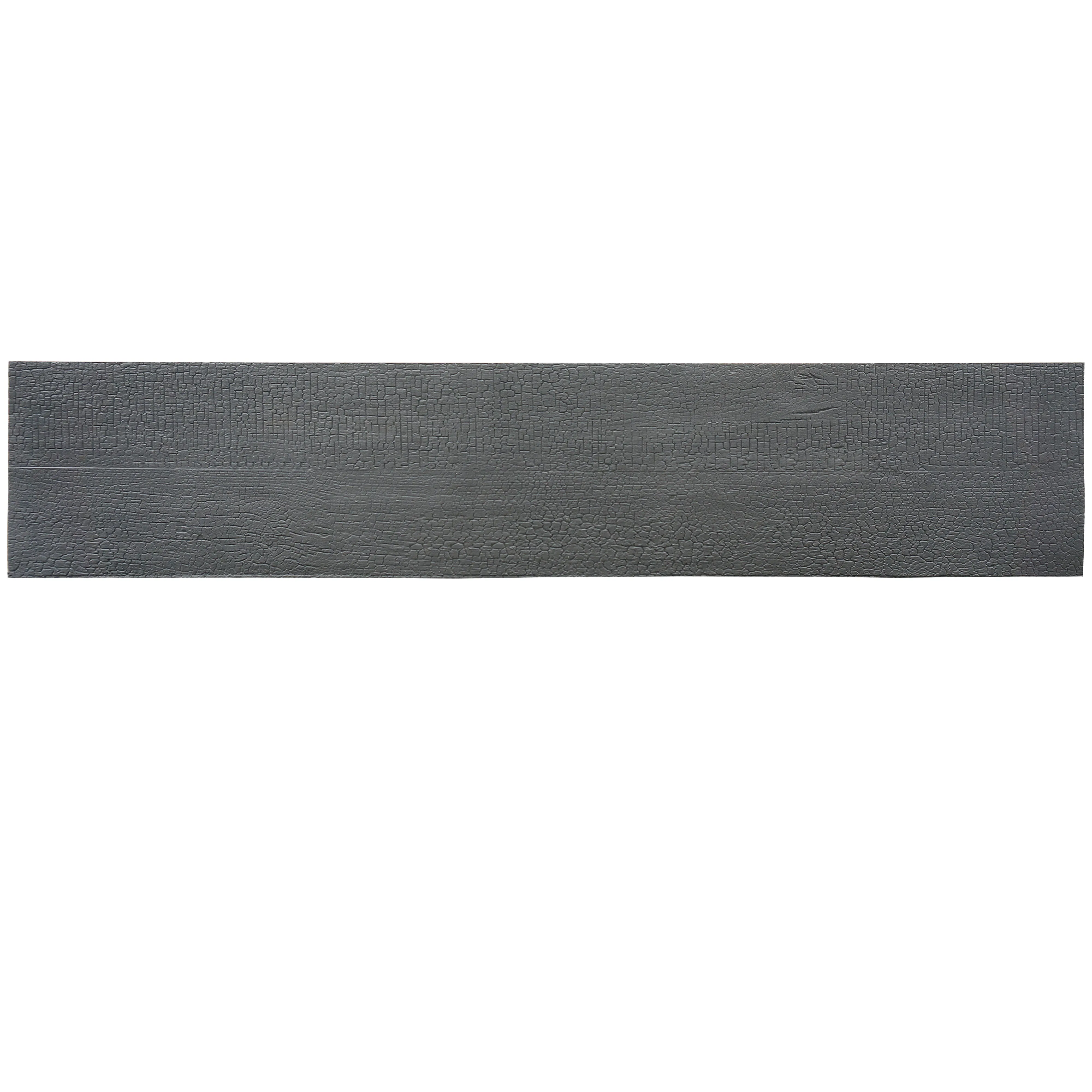
Walk into a memorable hotel, restaurant, or resort, and you'll often find that the materials used tell a story. They set the mood—whether it's the sleek coolness of marble, the raw texture of concrete, or the inviting warmth of wood. In recent years, one material has emerged as a standout for hospitality designers aiming to blend rustic charm with modern resilience: charcoal burnt wood board. Charred, textured, and rich with character, this material isn't just about aesthetics; it's a practical choice that holds up to the demands of high-traffic spaces while making guests feel instantly at home. Let's explore why charcoal burnt wood board has become a go-to for hospitality projects, dive into real-world case studies, and see how it stacks up against other popular materials.
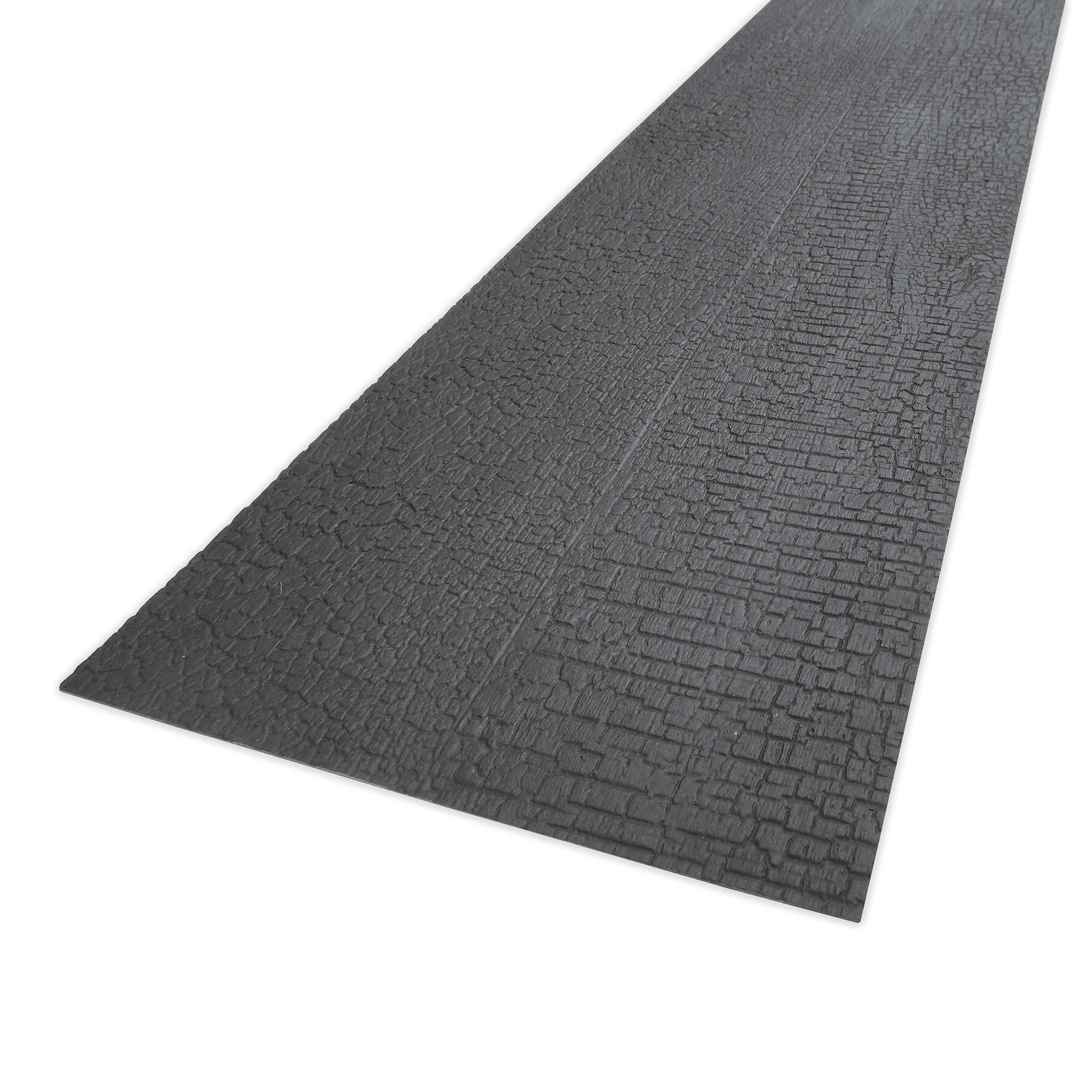
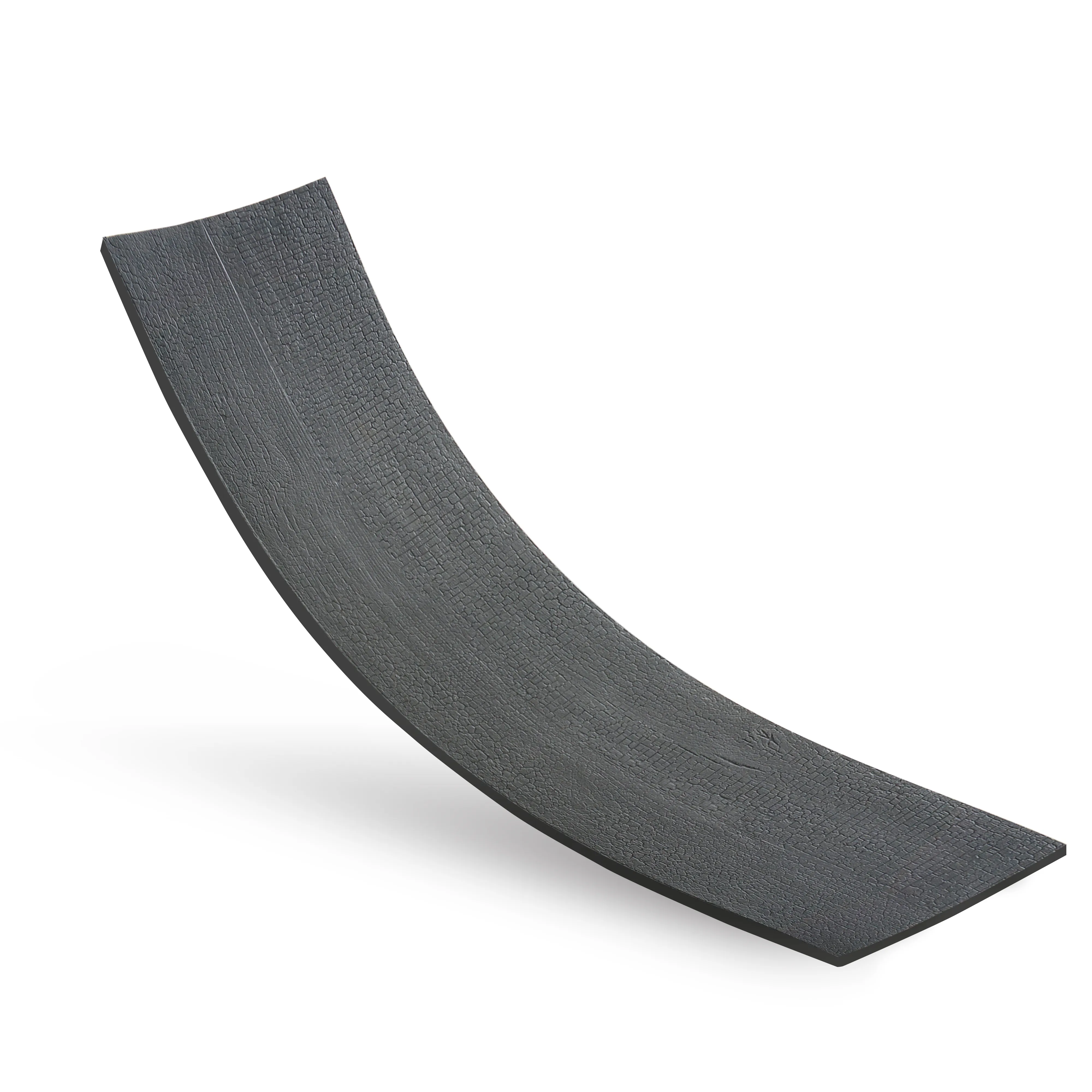
Before delving into projects, it's worth understanding what makes charcoal burnt wood board so appealing for hotels, restaurants, and resorts. Traditionally known as shou sugi ban —a Japanese technique where wood is burned, scraped, and sealed—the process transforms ordinary wood into a material that's as durable as it is beautiful. The charring creates a protective layer that resists rot, insects, and fire, while the scraping reveals layers of texture, from deep ebony to soft amber undertones. For hospitality spaces, this means a material that can handle spills, scratches, and the wear of daily use without losing its visual appeal.
Aesthetically, charcoal burnt wood board is a chameleon. It can lean into rustic vibes, pairing seamlessly with wood grain board for a cabin-like coziness, or it can feel surprisingly modern when paired with fair-faced concrete or metal accents. Its dark, smoky hues add depth to spaces, making large lobbies feel intimate and small cafés feel expansive. And in an era where sustainability matters, many charcoal burnt wood boards are made from FSC-certified timber, aligning with eco-conscious brand values that guests increasingly prioritize.
But perhaps its biggest strength is emotional resonance. Wood, by nature, evokes warmth and connection to nature—a feeling that's especially important in hospitality, where the goal is to make guests feel "away from home" but still comfortable. Charcoal burnt wood board amplifies this: its charred texture feels handcrafted, as if each panel has a story, turning spaces into experiences.
Location: Kyoto, Japan | Completed: 2023 | Designer: Hiroshi Tanaka Design Studio
The Kyoto Haven was designed to honor Japan's cultural heritage while offering modern luxury. The challenge? Creating spaces that felt both timeless and contemporary, and could withstand Kyoto's humid summers and cold winters. The design team, led by Hiroshi Tanaka, turned to charcoal burnt wood board early in the process.
"We wanted a material that would age gracefully, like the traditional machiya townhouses nearby," Tanaka explains. "Charcoal burnt wood board checked that box—it develops a richer patina over time, rather than fading. Plus, its natural resistance to moisture was critical for our walls and ceilings, which are exposed to seasonal humidity."
In the hotel's lobby, charcoal burnt wood board was used on the feature wall behind the reception desk, paired with wood grain board for the front desk itself. The contrast between the charred texture and the smooth wood grain created a focal point that guests often commented on: "It feels both ancient and new," one guest wrote in a review. Upstairs, guest rooms featured charcoal burnt wood board accent walls behind beds, paired with neutral linens and paper lanterns, evoking a sense of calm.
Post-completion, the hotel's management noted that the material exceeded expectations. "We were worried about maintenance—Kyoto's humidity can warp even treated wood—but after a year, the panels look as good as the day they were installed," says Yuki Mori, the hotel's operations manager. "Guests love the warmth; many mention feeling 'grounded' when they enter their rooms. It's become a signature part of our brand."
Location: Bali, Indonesia | Completed: 2022 | Designer: Tropicalia Architects
For Azure Sands, the priority was creating outdoor spaces that felt like an extension of the beach—think open-air cabanas, poolside bars, and walkways that blurred the line between land and sea. But coastal environments are tough on materials: saltwater, intense UV rays, and heavy rains can degrade wood quickly. The design team, led by Maria Santos, needed something that could stand up to the elements without sacrificing aesthetics.
"We tested several options—teak, synthetic wood, even travertine (starry blue) for hardscaping—but none felt as organic as we wanted," Santos recalls. "Then we discovered charcoal burnt wood board. Its charred surface is naturally resistant to salt and moisture, and the dark color doesn't fade in the sun. It was perfect for our cabana walls and decking."
The resort's signature feature is its overwater cabanas, where charcoal burnt wood board lines the walls and ceilings. The material's texture catches the sunlight, creating dappled shadows that mimic the ocean's surface, while its durability means it doesn't warp or splinter underfoot. "We've had cabanas with guests staying 24/7 during peak season, and the wood still looks fresh," says resort manager Ketut Arta. "Even after monsoon season, there's no sign of rot or mold. It's been a game-changer for our outdoor spaces."
Beyond function, the material enhanced the resort's "barefoot luxury" theme. "Guests often comment on how the wood feels warm underfoot, even on hot days," Arta adds. "It's not just a surface—it's part of the sensory experience of being here."
Location: New York, USA | Completed: 2024 | Designer: Urban Edge Interiors
In a neighborhood known for its cast-iron architecture and edgy art galleries, Urban Roast Café needed a design that felt industrial but welcoming. The challenge? Balancing the raw, cool vibe of SoHo with the warmth that keeps customers lingering over lattes. Lead designer Jake Wilson turned to a mix of materials: fair-faced concrete for floors, black metal fixtures, and charcoal burnt wood board for walls and ceiling panels.
"Industrial design can feel cold if you're not careful," Wilson says. "Charcoal burnt wood board was the missing piece. Its texture softens the concrete and metal, making the space feel like a warehouse that's been 'lived in.' Plus, it's easy to clean—critical for a café where spills happen daily."
The café's back wall, where the menu is displayed, is clad entirely in charcoal burnt wood board, with LED strips behind the panels to highlight their texture. The ceiling, too, features staggered charcoal burnt wood planks, which absorb sound and reduce echo in the busy space. "Before we added the wood, the café was so loud you could barely hear yourself talk," says owner Mia Chen. "Now, even during rush hour, it's cozy—not chaotic. And customers love taking photos of the wall; it's become a bit of an Instagram spot."
Durability was another win. "We have 500+ customers a day, and the wood has held up to backpacks, chairs scraping, even the occasional coffee," Chen notes. "We seal it once a year, but otherwise, it's maintenance-free. For a small business, that's a huge relief."
To understand why designers keep choosing charcoal burnt wood board, let's compare it to three other popular hospitality materials: polished concrete, marble, and mcm flexible stone .
| Material | Aesthetics | Durability | Sustainability | Cost (per sq. ft.) | Best For |
|---|---|---|---|---|---|
| Charcoal Burnt Wood Board | Warm, textured, rustic-modern; ages gracefully with patina | High: Resists rot, insects, fire, and moisture (with sealing) | High: Often made from FSC-certified wood; low maintenance reduces replacement need | $15–$30 | Lobbies, guest rooms, outdoor spaces, cafés |
| Polished Concrete | Sleek, industrial, minimalist; cool-toned | Very high: Resists scratches, stains, heavy traffic | Medium: Uses cement (high carbon footprint) but durable long-term | $8–$15 | Floors, countertops, high-traffic areas |
| Marble | Luxurious, elegant, veined; timeless | Medium: Prone to etching from acids (e.g., citrus, wine); requires sealing | Low: Quarrying has environmental impact; heavy (high transport emissions) | $40–$100+ | High-end lobbies, bathrooms, accent walls |
| MCM Flexible Stone | Versatile: Mimics stone, brick, or wood; lightweight | High: Water-resistant, impact-resistant, fire-retardant | Medium: Made from composite materials; recyclable options available | $20–$45 | Exterior cladding, feature walls, wet areas |
As the table shows, charcoal burnt wood board strikes a balance: it offers the warmth of wood, the durability of concrete, and a mid-range cost that works for both boutique and large-scale projects. Unlike marble, it's forgiving in high-traffic spaces; unlike concrete, it adds emotional warmth. And when paired with materials like MCM flexible stone or fair-faced concrete, it creates layered, dynamic spaces that feel intentional.
Charcoal burnt wood board isn't just a trend; it's a material that understands the heart of hospitality design. It's about creating spaces that don't just look good, but feel good—spaces where guests relax, connect, and make memories. From the serene lobbies of Kyoto to the sun-drenched cabanas of Bali, it's proven that durability and beauty don't have to be mutually exclusive.
For designers, the takeaway is clear: charcoal burnt wood board offers a unique combination of practicality and soul. It's a material that works hard, ages well, and tells a story—one that guests will remember long after they check out. As hospitality continues to evolve, expect to see more of this charred, textured beauty gracing the walls, ceilings, and floors of the spaces we love to visit.
Recommend Products












