
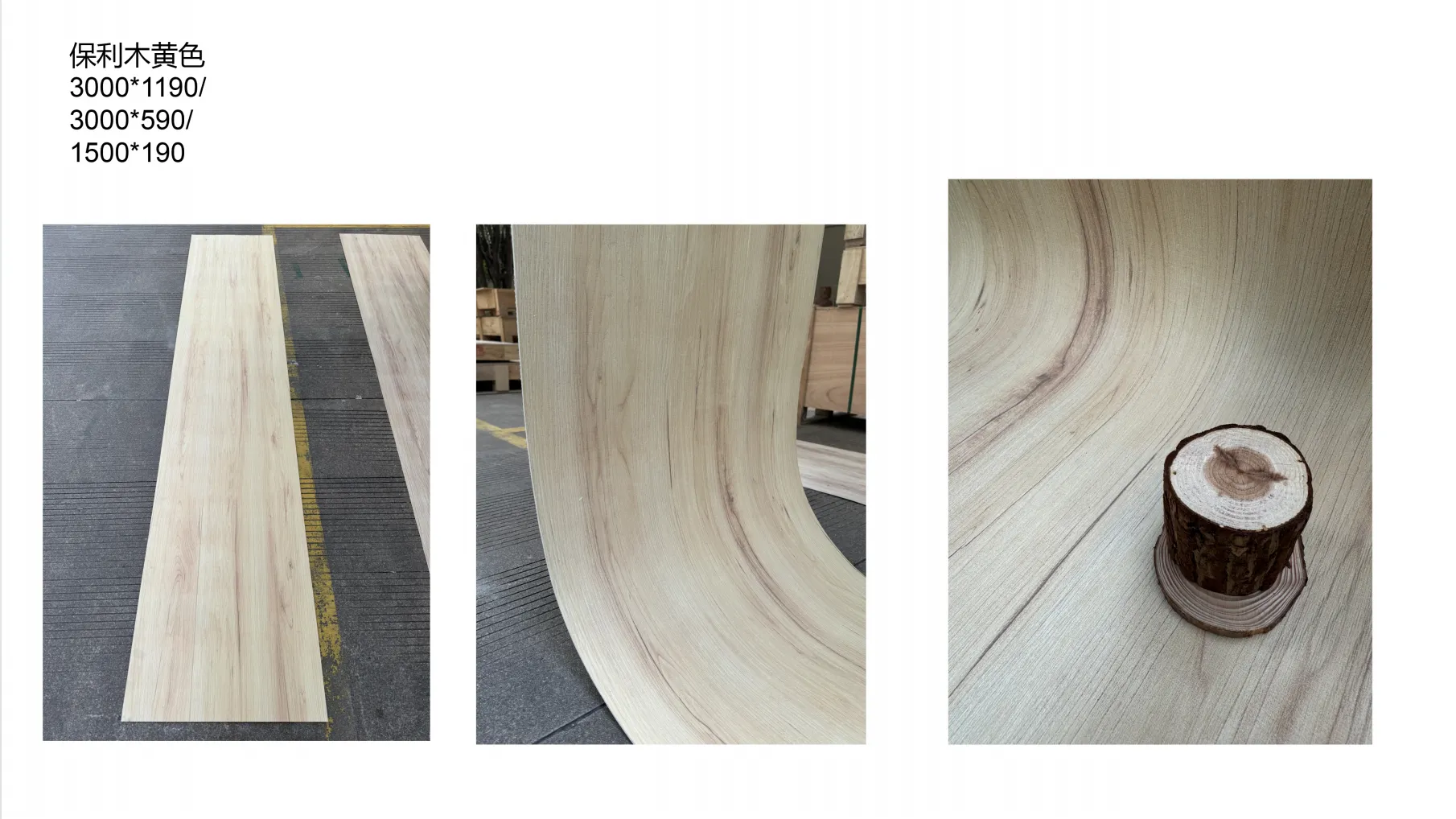
In today's design and construction world, poly wood boards have become a go-to material for architects, interior designers, and homeowners alike. Blending the warmth of natural wood with the durability of modern composites, these boards offer a versatile solution for everything from wall cladding to furniture. But here's the thing: not all poly wood boards are created equal, and neither are their suppliers. The right supplier can turn your project from "good" to "stunning," while a subpar one might leave you dealing with warped panels, inconsistent colors, or missed deadlines. So, how do you sift through the options and find a supplier you can trust? Let's break down the key factors that matter most.
When it comes to poly wood boards, quality is non-negotiable. You're investing in a material that should stand the test of time—resisting moisture, fading, and daily wear. But how do you judge quality before placing a bulk order? Start by examining the texture and consistency. A reputable supplier will offer boards with uniform wood grain patterns, free from bubbles, cracks, or uneven coloring. Take wood grain board, for example: the best versions mimic the natural variation of real wood without the flaws, like knots or splits, that can weaken the material.
Don't hesitate to ask for detailed specifications. What's the density of the board? How does it perform in high-humidity environments? A trustworthy supplier will provide lab test results or certifications, such as resistance to UV rays or water absorption rates. Remember, cheap poly wood boards might save you money upfront, but they'll cost more in the long run when you have to replace warped or discolored panels. Quality isn't just about looks—it's about peace of mind.
Every project has unique needs. Maybe you're designing a restaurant and need extra-large poly wood boards for a statement wall, or perhaps you're working on a boutique hotel that requires custom-stained wood concrete boards to match the brand's color palette. The right supplier should offer a diverse range of products and the flexibility to tailor them to your project.
Beyond standard poly wood boards, look for suppliers that carry complementary options like wood concrete board—a blend of wood fibers and concrete that adds industrial chic to spaces. A supplier with a wide product line shows they understand the evolving needs of the industry. Equally important is their willingness to customize. Can they adjust board thickness? Offer unique finishes, like the weathered look of charcoal burnt wood board? The more options they provide, the more you can align the material with your creative vision.
In an era where sustainability matters, knowing the origin of your poly wood boards is crucial. Ethical sourcing isn't just a buzzword—it's about supporting suppliers who prioritize responsible forestry, reduce waste, and minimize their carbon footprint. Ask potential suppliers: What materials go into their poly wood boards? Are the wood fibers sourced from FSC-certified forests? Do they use recycled plastics in their composites?
Take wood-cement board, for example. This material is often lauded for its eco-friendly credentials, as it repurposes wood waste and reduces reliance on virgin timber. A transparent supplier will walk you through their sourcing process, even sharing details about their manufacturing facilities. If a supplier is vague about where their materials come from or how they're made, that's a red flag. You want a partner who aligns with your values—one who cares about the planet as much as you do.
Imagine ordering 500 square feet of poly wood board only to realize the color is slightly off from what you expected, or the texture feels instead of smooth. Avoid this nightmare by working with a supplier that offers samples and robust technical support. A good supplier won't just send you a tiny swatch—they'll provide full-size samples so you can see how the board looks in different lighting, how it feels to the touch, and how it pairs with other materials in your design.
Many suppliers now also share wood-cement board real photos or poly wood board galleries from past projects. These visuals can give you a sense of how the material performs in real-world settings—think a restaurant wall clad in charcoal burnt wood board or a retail space using wood grain board for shelving. Additionally, technical support matters. Does the supplier have a team that can answer questions about installation? Can they recommend the best adhesives or fasteners for your specific application? The right supplier acts as a partner, not just a salesperson.
Let's talk about money. It's tempting to go with the supplier offering the lowest price, but remember: you get what you pay for. A rock-bottom quote might mean corners are being cut—lower-quality materials, rushed production, or minimal quality control. On the flip side, the most expensive supplier isn't always the best either. The key is to find value: a fair price for a high-quality product and reliable service.
When comparing quotes, look beyond the per-square-foot cost. Ask about delivery fees, minimum order requirements, and return policies. Some suppliers offer discounts for bulk orders, while others charge extra for customization. A transparent supplier will outline all costs upfront, so there are no surprises later. For example, if you need custom-cut poly wood boards, they'll clearly state the additional fee instead of springing it on you after you've placed the order. Value isn't just about saving money—it's about investing in a product and service that make your project run smoothly.
One of the best ways to gauge a supplier's reliability is to hear from their past customers. Do a quick search for reviews online, or ask the supplier for references. Look for patterns: Are clients praising the supplier's on-time deliveries? Do they mention consistent quality across batches? Have there been complaints about poor communication or damaged shipments?
Don't be afraid to ask for case studies or project photos. For instance, if a supplier has worked on a hotel project using poly wood board for exterior cladding, ask to see before-and-after shots. How did the material hold up over time? Were there any issues during installation? A supplier with a strong track record will be proud to share these stories. Conversely, if a supplier hesitates to provide references or has a string of negative reviews, it's time to move on.
| Factor | Signs of a Great Supplier | Red Flags to Watch For |
|---|---|---|
| Material Quality | Uniform texture, lab-tested durability, certifications | Inconsistent coloring, visible defects, vague specs |
| Product Range | Offers poly wood, wood concrete, wood grain boards, and customization | Limited options, refuses custom orders |
| Sustainability | Transparent sourcing, eco-friendly materials, FSC certifications | Vague about origins, no sustainability policies |
| Support & Samples | Full-size samples, technical guidance, project galleries | Only small swatches, unresponsive support team |
| Pricing | Transparent quotes, no hidden fees, bulk discounts | Surprise charges, unclear pricing breakdowns |
Choosing a poly wood board supplier isn't just about checking boxes—it's about finding a partner who understands your vision and has the expertise to bring it to life. From material quality to sustainability, technical support to pricing, each factor plays a role in ensuring your project's success. Take the time to research, ask questions, and request samples. After all, your design deserves materials that are as reliable and beautiful as your vision.
So, whether you're planning a residential renovation with wood grain board or a commercial build using charcoal burnt wood board, remember: the right supplier is out there. You just need to know what to look for. Happy sourcing!
Recommend Products












