

Navigating the world of modern building materials to craft spaces that tell your story
Walk into any thoughtfully designed space—whether it's a cozy café with textured walls, a sleek corporate lobby with towering stone facades, or a home that feels both modern and rooted in nature—and you'll notice something: the building materials aren't just there . They're speaking. They set the mood, shape the light, and even influence how we move through a room. But here's the thing: choosing the right material? It's never been more overwhelming. You want durability without sacrificing beauty, sustainability without breaking the bank, and flexibility to bring your wildest design ideas to life.
That's where MCM comes in. Short for Modified Composite Material, MCM is like the Swiss Army knife of modern building materials. It's a blend of natural minerals, high-performance polymers, and innovative engineering that marries the best of stone, wood, and concrete—without their usual downsides. Lightweight enough to install on almost any surface, flexible enough to curve around corners, and tough enough to withstand harsh weather, MCM has quickly become a favorite among architects, designers, and homeowners alike. And within the MCM family, two stars stand out: the mcm project board series and the mcm big slab board series . Today, we're breaking down what makes each unique, so you can pick the one that fits your project like a glove.
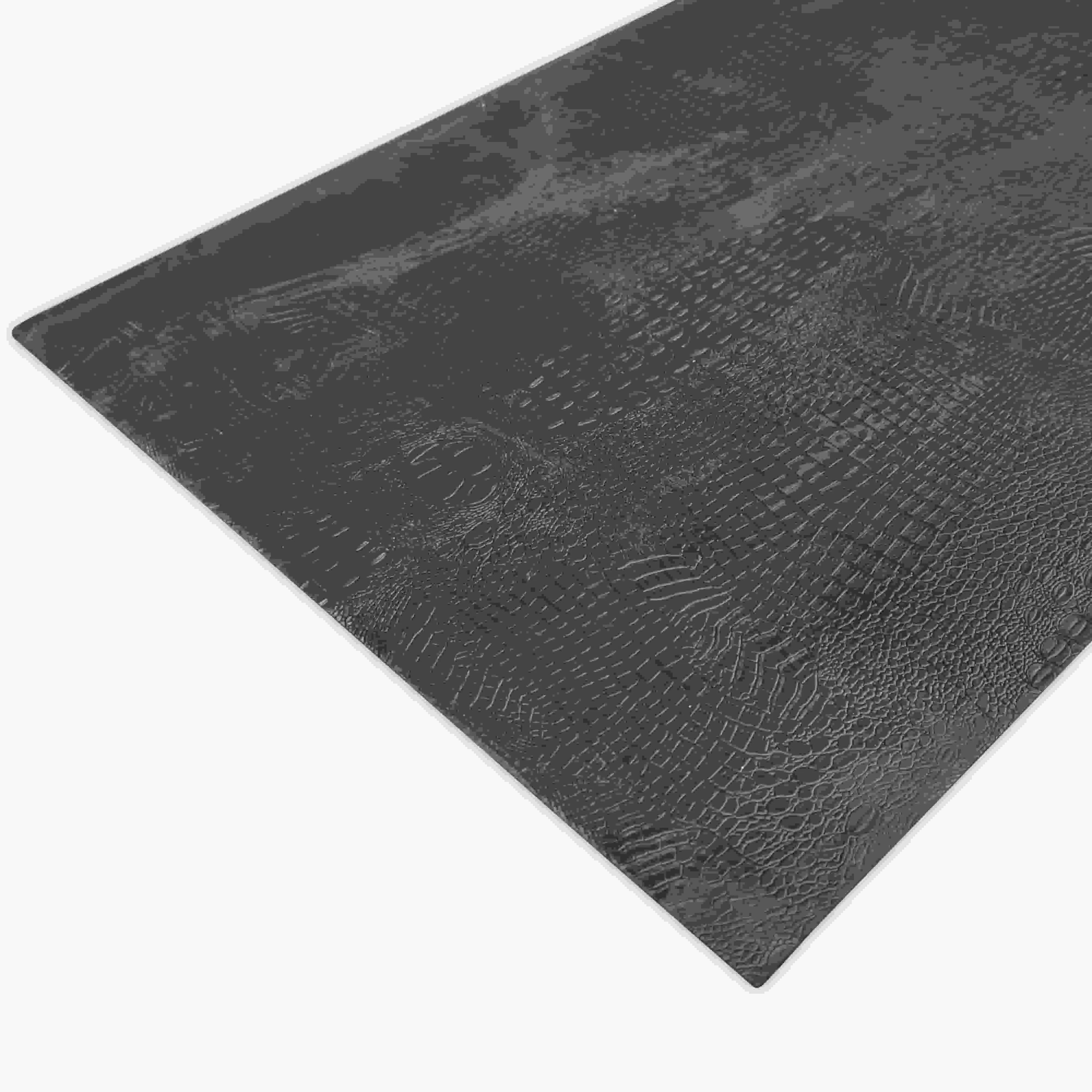
Before we dive into the nitty-gritty, let's get clear on what we're talking about. Both Project Board and Big Slab are part of Croco's MCM lineup, but they're designed with different goals in mind. Think of them as two artists: one specializes in intricate, detailed paintings, and the other creates bold, sweeping murals. Both are incredible—but they shine in different spaces.
If your design vision involves texture, pattern, and small-scale artistry, the Project Board Series is your match. These boards are engineered for precision and creativity, making them perfect for projects where the little things matter. Picture a feature wall in a boutique hotel that mimics the look of hand-carved wood grain, or a restaurant accent wall with 3D-printed waves that catch the light as you walk by. That's Project Board in action.
What makes Project Board special? For starters, it's built on flexible stone technology, which means the material can bend and curve without cracking—opening up a world of possibilities for curved walls, arched doorways, or even custom furniture pieces. And with Croco's mcm 3d printing series integration, you can get hyper-specific textures: think starry night-inspired travertine (hello, Travertine Starry Blue!), linear wood grains that look hand-sawn, or even mosaic patterns that would take weeks to achieve with natural stone.
Another win? Project Boards come in a wide range of smaller sizes (typically starting around 300x600mm up to 600x1200mm), which means you can mix and match colors and textures to create one-of-a-kind patterns. Want to combine Rona Yellow with Thread for a playful kitchen backsplash? Or use Slate Veil White and Marble Interstellar Gray for a sophisticated bathroom accent wall? The Project Board Series lets you get creative without limits.
Now, if your project is all about making a statement with size and simplicity, say hello to the Big Slab Board Series. These are the heavyweights (pun intended, but actually, they're surprisingly lightweight!) of the MCM world, designed to cover large areas with minimal seams and maximum impact. Imagine the exterior of a corporate headquarters clad in Lunar Peak Golden slabs that stretch from the ground to the roof, creating a seamless, sunlit facade. Or a shopping mall atrium with floor-to-ceiling panels in Boulder Slab Vintage Silver that feel both modern and timeless. That's Big Slab's territory.
Big Slabs are all about the "less is more" aesthetic. With sizes ranging from 1200x2400mm up to a whopping 1800x3600mm, these boards reduce the number of visible seams in a space, which means a cleaner, more cohesive look. This isn't just about looks, though—fewer seams also mean faster installation (less cutting, less grouting) and lower long-term maintenance (fewer gaps for dirt or moisture to sneak into). It's a win-win for large-scale projects where time and budget are tight.
And don't think "big" means boring. Big Slab comes in a stunning array of finishes, from the metallic sheen of Foamed Aluminium Alloy Board (Vintage Gold) to the earthy warmth of Historical Pathfinders Stone. Want a facade that looks like it's carved from a single block of marble? Check out the Marble Stream Stone or Dolomitic Travertine options. Prefer something with a bit more edge? The Rust Square Line Stone or Gobi Panel finishes add industrial-chic flair without the weight of real metal or stone.
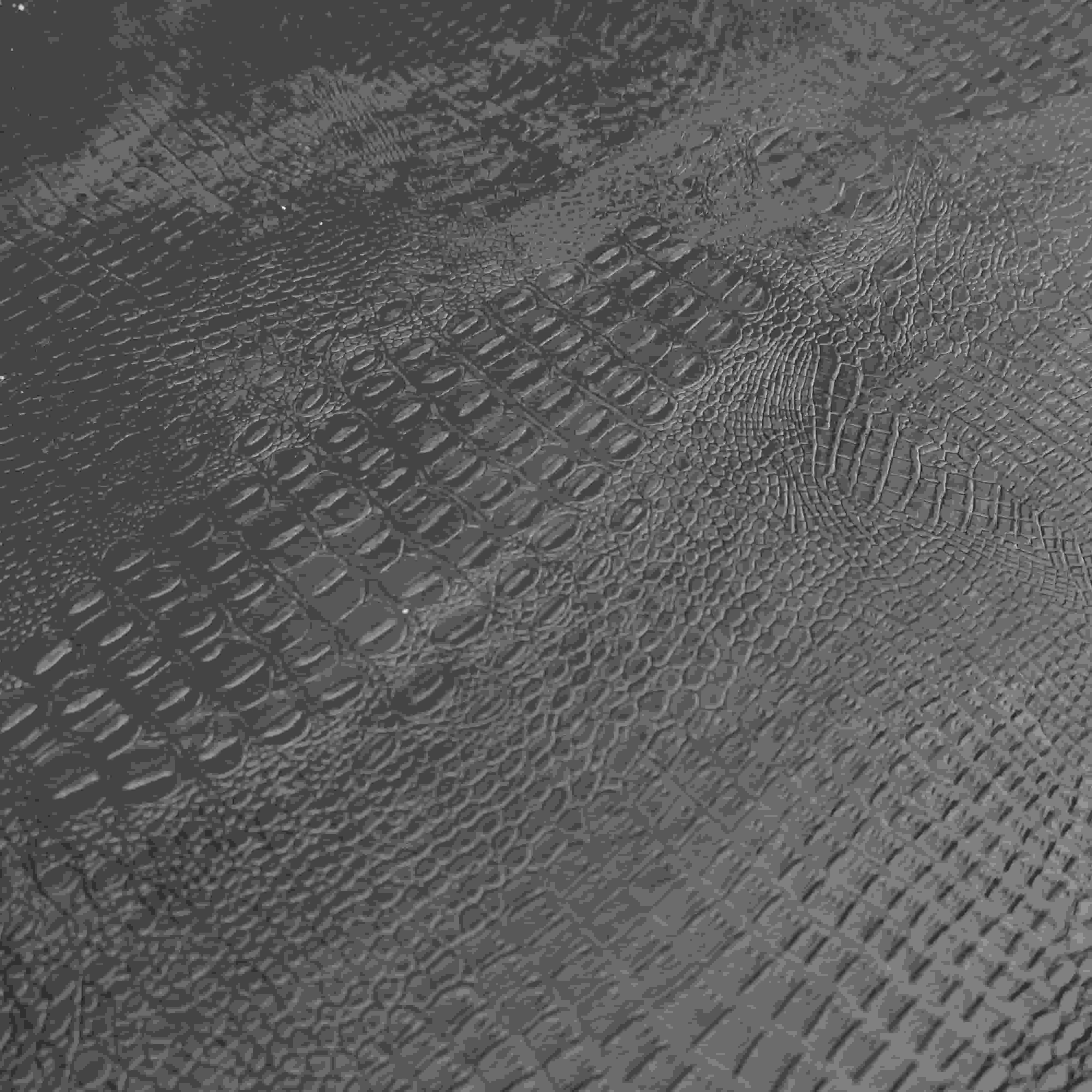
Still trying to visualize the differences? Let's break it down with a handy comparison. This table will help you see how each series stacks up across key factors like size, weight, and best uses.
| Feature | Project Board Series | Big Slab Board Series |
|---|---|---|
| Typical Dimensions | 300x600mm to 600x1200mm (small to medium) | 1200x2400mm to 1800x3600mm (large to extra-large) |
| Thickness | 3-6mm (ultra-thin for flexibility) | 6-12mm (sturdier for large spans) |
| Weight per sqm | 4-6kg (lightweight for intricate installs) | 8-12kg (still lighter than natural stone!) |
| Installation Focus | Adhesive-based, ideal for detailed, custom layouts | Mechanical fixing or adhesive, optimized for speed |
| Design Strength | Intricate patterns, 3D textures, mixed finishes | Seamless, monolithic looks, bold color blocks |
| Best For | Interior accent walls, feature niches, curved surfaces, furniture | Exterior facades, large interior walls, commercial lobbies, floors |
| Sustainability Perk | Minimal waste with small, precise cuts | Fewer seams mean less grout and adhesive usage |
See the pattern? Project Board is all about precision and creativity for smaller, detail-oriented spaces, while Big Slab is built for scale, speed, and seamless beauty in larger projects. But here's the good news: there's no "wrong" choice—only the right choice for your project.
Picking between Project Board and Big Slab isn't about which is "better"—it's about which aligns with your project's goals. To make the decision easier, ask yourself these five questions:
If you're working on a small space—a home office, a retail kiosk, or a bathroom—Project Board's smaller size and detailed textures will make the space feel intentional and unique. But if you're tackling a large commercial building, a hotel facade, or a sprawling restaurant interior, Big Slab will save time on installation and create a cohesive look that's hard to achieve with smaller boards.
Love clean lines, open spaces, and a "less is more" approach? Big Slab's seamless look will complement that minimalist aesthetic perfectly. But if you're drawn to bold patterns, mixed textures, and visual interest (think bohemian, industrial, or art deco), Project Board lets you layer colors and textures without overwhelming the space.
Both series are durable enough for outdoor use, but Big Slab has a slight edge for exteriors thanks to its larger size (fewer seams mean fewer places for water to seep in) and thicker profile (better resistance to wind and impact). That said, Project Board works great for sheltered outdoor areas like covered patios or poolside cabanas, where you want to add a pop of texture without worrying about extreme weather.
Big Slab is the clear winner here. Because each slab covers more area, you'll spend less time cutting, fitting, and grouting—meaning your project can wrap up faster. Project Board, with its smaller size and potential for custom patterns, might take a bit longer to install, but the payoff is a one-of-a-kind design that's worth the wait.
Remember that flexible stone technology we mentioned earlier? Project Board's thin, bendable profile makes it the go-to for curved walls, rounded archways, or custom furniture (like a curved bar top or a wave-shaped headboard). Big Slab can handle gentle curves, but it's not as flexible—so save it for straight lines and flat surfaces.
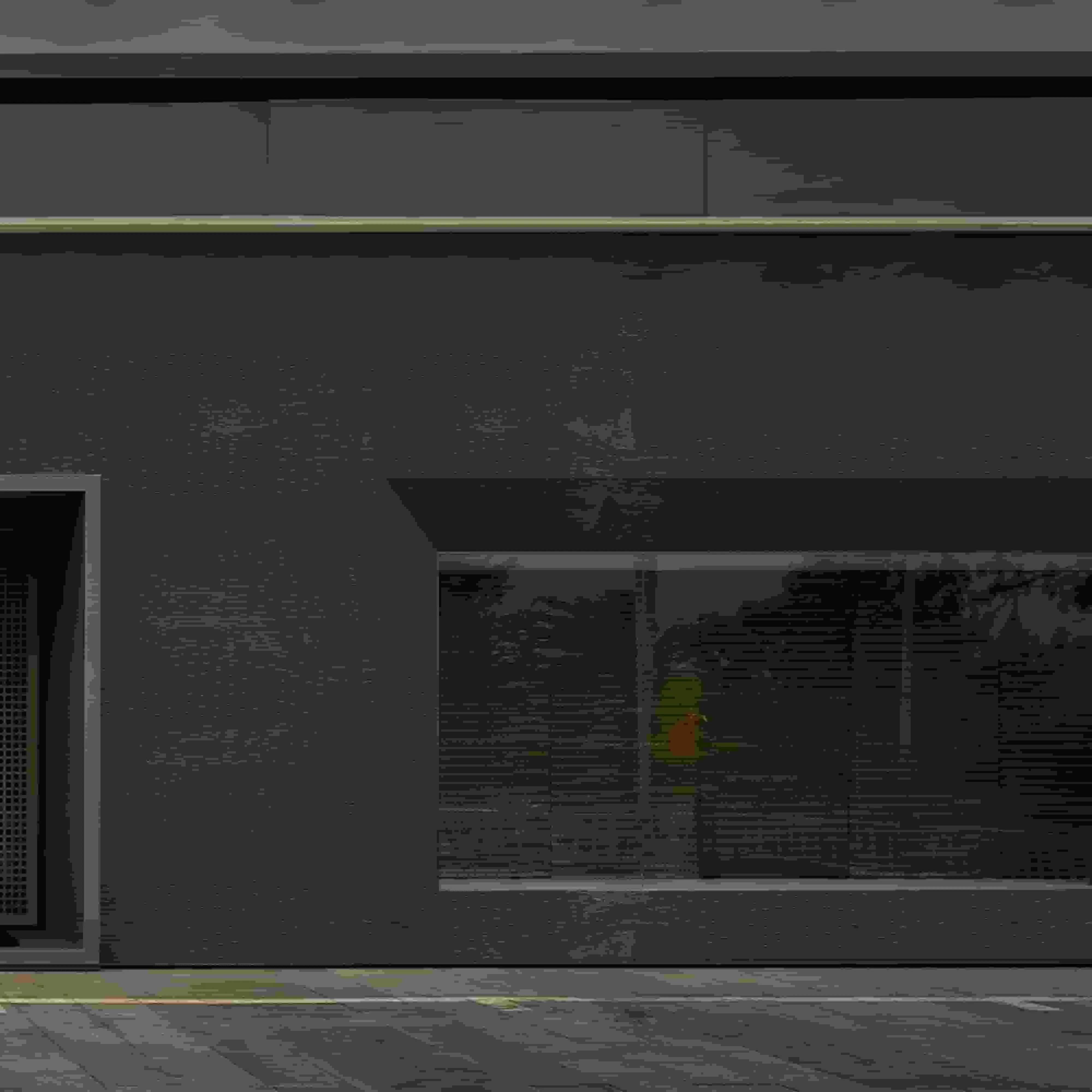
Sometimes the best way to understand is to see it in action. Let's walk through a few hypothetical (but totally realistic!) scenarios to see how Project Board and Big Slab shine.
Imagine you're designing a small café in a historic downtown area. The vibe is cozy, with exposed brick and warm lighting. You want a feature wall behind the counter that feels like a nod to the region's agricultural roots—think weathered wood and stone. Here's where Project Board steps in: use the Wood Grain Board finish for the main panels, then mix in Bamboo Mat Board and Bali Stone accents to add depth. Throw in a few 3D-printed Stream Limestone (Claybank) tiles to mimic the look of a babbling brook, and suddenly the wall tells a story. Project Board's small size lets you mix and match without overwhelming the space, and the flexible stone means you can curve the wall slightly to follow the café's unique layout.
Now, picture a 10-story tech company headquarters in a bustling city. The design brief calls for a sleek, futuristic look that stands out among the surrounding buildings. You need something durable enough to withstand rain, wind, and city pollution, but also lightweight to avoid adding extra load to the structure. Enter Big Slab: go with the Lunar Peak Silvery finish for the main facade—its metallic sheen catches the sun during the day and reflects city lights at night. Pair it with Foamed Aluminium Alloy Board (Vintage Gold) for the accent panels around the entrance, and suddenly the building feels both cutting-edge and luxurious. Big Slab's large size means fewer seams (no more unsightly grout lines!) and faster installation, which is crucial for keeping the project on schedule.
Last but not least: a homeowner wants to transform their living room into a relaxing retreat with a mix of modern and natural elements. They have a fireplace wall that's currently plain drywall and want to make it a focal point. Here's a hybrid approach: use Project Board for the area around the fireplace itself—maybe the Travertine (Starry Orange) finish to add warmth and a touch of whimsy—then extend Big Slab (Lunar Peak Golden) above and around it to create a seamless transition to the ceiling. This way, the detailed, textured Project Board draws the eye to the fireplace, while the Big Slab keeps the rest of the wall feeling open and uncluttered. Win-win!
We've talked a lot about looks and functionality, but let's not sleep on sustainability. In today's world, choosing eco-friendly materials isn't just a nice-to-have—it's a must. And MCM delivers here, too. Both Project Board and Big Slab are made with recycled materials (think post-consumer plastics and natural stone dust) and require less energy to produce than traditional stone or concrete. They're also lightweight, which means less fuel is used during transportation, and their durability means they'll last for decades—no need for frequent replacements.
Plus, MCM is low-maintenance. Unlike natural stone, which can stain or etch, MCM resists water, mold, and UV rays—so a quick wipe with a damp cloth is usually all it takes to keep it looking new. And because it's non-porous, it's a great choice for kitchens, bathrooms, or outdoor spaces where moisture is a concern.
At the end of the day, choosing between the Project Board Series and Big Slab Board Series is about aligning the material with your project's unique needs. If you crave detail, texture, and creativity, Project Board is your canvas. If you want bold, seamless scale and efficiency, Big Slab is your partner. And remember—there's no rule that says you can't mix them! Many of the most stunning spaces use a combination of both to create depth and interest.
No matter which you choose, you're getting a material that's built to last, designed to inspire, and kind to the planet. So go ahead—dream big, get creative, and let Croco's MCM series turn your vision into reality. After all, the best spaces aren't just built—they're crafted. And with Project Board and Big Slab, you've got the tools to craft something unforgettable.
Recommend Products












