

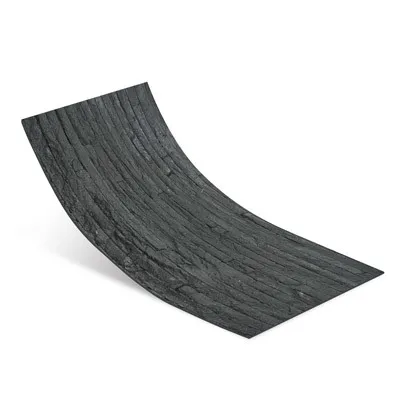
Before diving into thickness, let's get to know the material itself. Dark grey Muretto stone is part of the broader category of MCM flexible stone —engineered cladding panels designed to mimic the look and feel of natural stone while offering enhanced flexibility, lighter weight, and greater durability. Unlike traditional quarried stone, which can be brittle and heavy, Muretto stone is crafted by bonding natural stone aggregates with a polymer matrix, resulting in panels that are both resilient and easy to work with. Its dark grey hue, with subtle variations in tone and texture, adds depth to spaces without overwhelming them, making it versatile for everything from sleek urban apartments to rustic countryside homes.
But here's the thing: Muretto stone isn't a one-size-fits-all product. Just as a tailor adjusts a suit to fit your body, the thickness of these panels must be "tailored" to your project's unique needs. Let's break down why thickness matters, and how to choose the perfect fit.
At first glance, thickness might seem like a minor detail—after all, 10mm vs. 20mm might not look that different once installed. But in reality, it's a decision that ripples through every stage of your project:
In short, thickness is the bridge between your design vision and real-world functionality. Choose too thin, and you risk premature damage; too thick, and you're paying for unnecessary weight and cost. So, how do you strike the balance?

Every project has its own "personality"—indoor vs. outdoor, residential vs. commercial, calm vs. high-traffic. These traits will shape your thickness decision. Let's explore the most critical factors:
The first question to ask is: Is this wall indoors or outdoors? What purpose will it serve?
Indoor walls, like a living room accent wall or a bedroom headboard backdrop, face minimal stress. They're sheltered from the elements, and foot traffic (or accidental bumps) is usually low. Here, a thinner panel (think 10–15mm) is often sufficient. It's lightweight, easy to mount on drywall or wooden substrates, and won't add unnecessary load to interior structures.
Outdoor walls, on the other hand—like a patio facade, pool surround, or commercial building exterior—need to withstand rain, UV rays, and even the occasional storm. For these, a thicker panel (15–30mm) provides better structural integrity. For example, a restaurant's outdoor dining area with dark grey Muretto walls would benefit from 20mm panels: thick enough to resist dents from stray chairs and durable enough to handle humidity without warping.
Even within "outdoor" or "indoor," environment matters. If you live in a coastal area with salt-laden winds, or a region prone to extreme temperature swings (think Arizona summers or Minnesota winters), thicker panels with better moisture resistance are a must. Similarly, seismic zones require lighter materials to reduce building stress during earthquakes—so a 15mm panel might be preferred over 30mm, even for exteriors, to keep weight down while maintaining flexibility.
The material your Muretto stone will cling to (the substrate) also influences thickness. Drywall, for example, can't support heavy loads, so 10–15mm panels are ideal. Concrete or brick substrates, being sturdier, can handle thicker, heavier panels (20–30mm). Metal framing, common in commercial construction, offers strength but requires careful consideration of weight distribution—thicker panels may need additional brackets or adhesives to stay secure.
Thickness also affects how the wall feels visually. Thinner panels (10–15mm) have a sleek, modern profile, making them perfect for minimalist designs where the focus is on clean lines. Thicker panels (20mm+) add depth and texture, creating a more robust, almost sculptural effect—great for industrial-style spaces or buildings aiming to make a bold architectural statement.
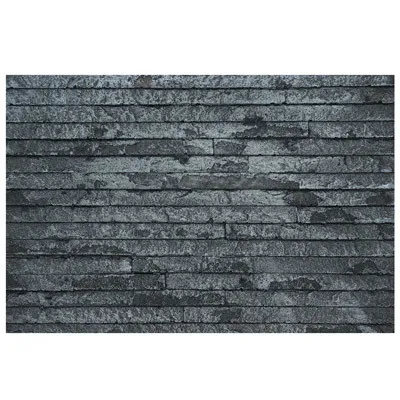
Now that we've covered the "why," let's get to the "what." Dark grey Muretto stone typically comes in four standard thicknesses: 10mm, 15mm, 20mm, and 30mm. Each has its sweet spot, depending on your project's needs. To make it easier, we've put together a comparison table to help you visualize the options:
| Thickness | Ideal Application | Key Advantages | Considerations |
|---|---|---|---|
| 10mm | Indoor accent walls, headboards, lightweight partitions | Ultra-lightweight (easy to install), cost-effective, flexible for curved surfaces | Less impact-resistant; not recommended for high-traffic areas or exteriors |
| 15mm | Residential exteriors (e.g., patio walls), indoor high-traffic areas (e.g., hallways) | Balances weight and durability; works with most substrates; good value | May need additional sealing for extreme outdoor conditions |
| 20mm | Commercial buildings (lobbies, retail spaces), outdoor facades in moderate climates | High impact resistance; suitable for large-format architectural big slab solutions | Heavier than 10–15mm; requires stronger substrate support |
| 30mm | Extreme environments (coastal, seismic zones), structural cladding, high-security areas | Maximum durability; excellent insulation properties; resistant to harsh weather | Heaviest option; higher installation and material costs; may require engineering approval |
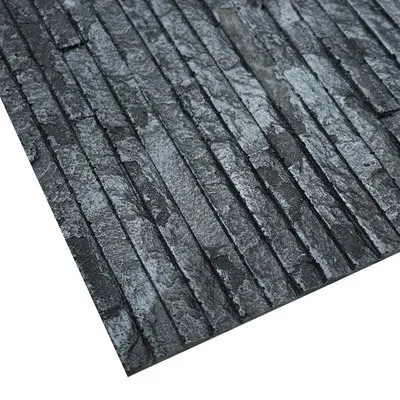
To put Muretto's thickness options in perspective, let's compare it to another popular dark grey cladding material: rough granite stone (dark grey) . Traditional rough granite is quarried from natural stone, so its thickness is often fixed (25–30mm for cladding) and it's significantly heavier than Muretto. While granite offers unmatched natural beauty, its weight can limit installation options—you won't see 10mm granite panels, for example. Muretto, as a flexible stone cladding panel , gives you more control over thickness, making it adaptable to projects where weight or flexibility is a concern.
For instance, if you're renovating a historic building with delicate structural supports, 15mm Muretto panels can achieve the dark grey stone look without straining the original framework—something traditional granite might not allow. On the flip side, if you want the raw, textured look of rough granite, Muretto's 20–30mm panels can mimic that depth while keeping installation simpler and costs lower.
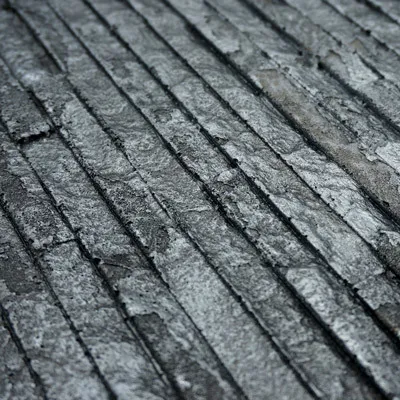
Once you've settled on a thickness, proper installation is key to ensuring your dark grey Muretto walls perform as expected. Here are a few pointers:
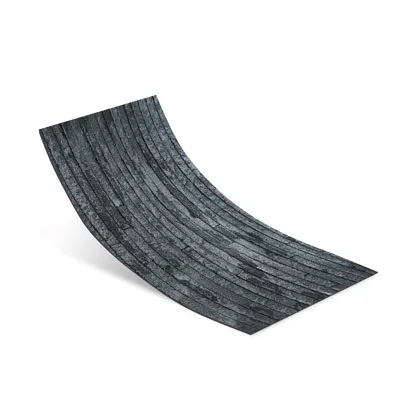
Choosing the right thickness for your dark grey Muretto stone walls isn't about picking the "best" option—it's about picking the right option for your project. Whether you're drawn to the slim profile of 10mm panels for a modern interior or the rugged durability of 30mm for an outdoor facade, remember that thickness is the silent partner in your wall's success. It balances beauty and function, ensuring that the timeless appeal of dark grey Muretto stone isn't just skin-deep.
So, take a step back, assess your space, and let your goals—whether they're creating a cozy nook or a statement-making commercial wall—lead the way. With the right thickness, your Muretto stone walls won't just look incredible; they'll stand as a testament to thoughtful design for years to come.
Recommend Products












