
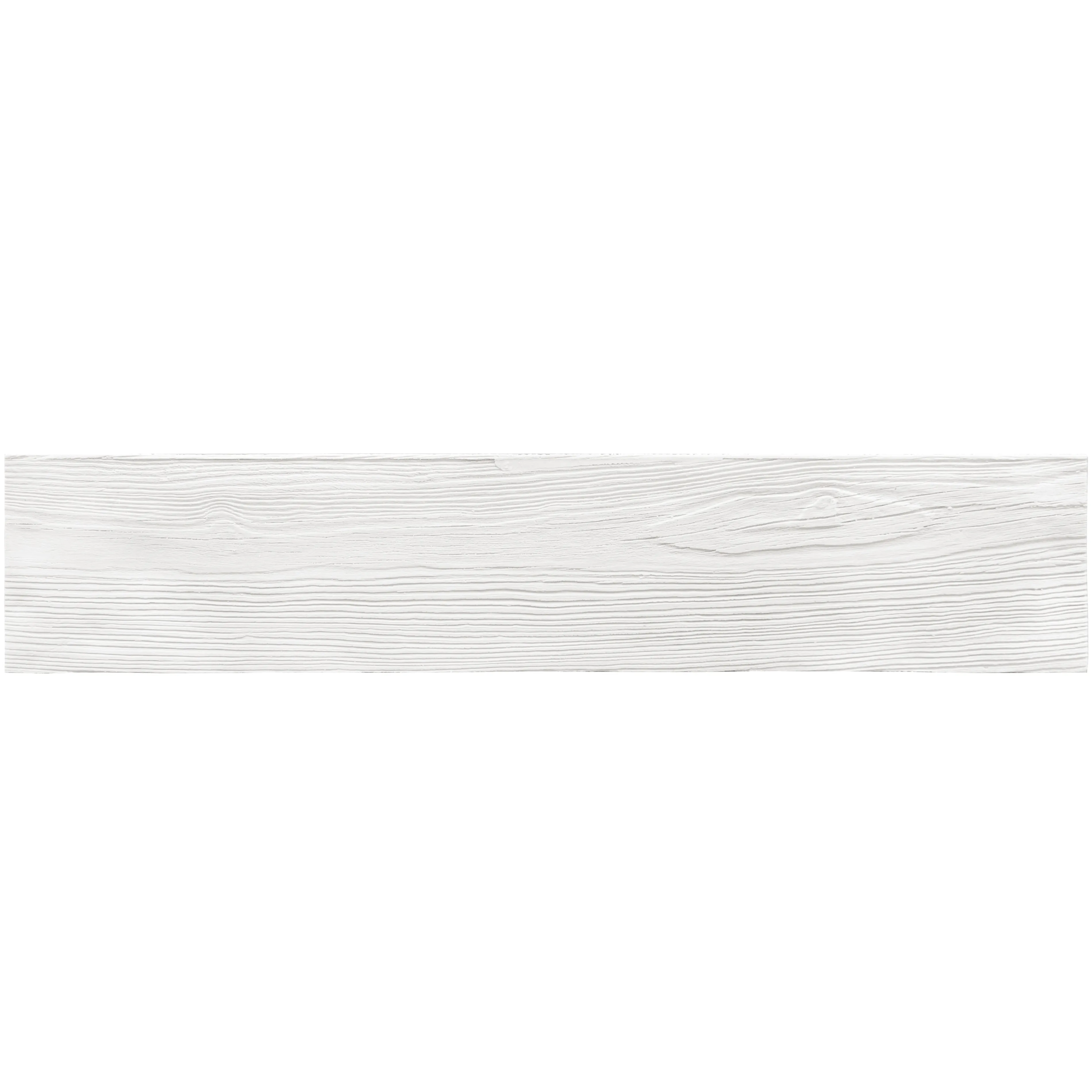
Picture this: You're standing in a sunlit showroom, coffee in hand, flipping through a client's mood board. Their dream kitchen? Soft, airy, with walls that feel like a warm hug—all centered around "white wood" accents. But as you run your finger over a sample plank, you pause. Is this "white wood" just painted pine, or something more durable? Will it hold up in a busy family home with kids and pets? And does it even match the other materials they've fallen for, like that sleek fair-faced concrete countertop they keep mentioning? For contractors, picking the right white wood decor material isn't just about checking a box—it's about turning a client's vision into a space that lasts, looks stunning, and makes them say, "This is exactly what I wanted." Let's dive into how to do that.
First things first: When clients ask for "white wood," they're rarely talking about a single type of tree. More often, they're chasing a feeling—bright, clean, and inviting—with the warmth of natural wood grain peeking through. But in the world of construction, "white wood" can mean anything from solid white-stained oak to engineered wood grain board, or even hybrid materials like wood concrete board (light grey or dark grey, depending on the finish). And let's not forget specialty options like bamboo mat board, with its subtle, woven texture, or the dramatic contrast of charcoal burnt wood board, where the outer layer is charred to a deep black, leaving the inner wood a soft, pale hue.
The key here? "White" is a spectrum. Some materials lean creamy, others stark white; some have bold, visible grain, while others are smooth as butter. And each comes with its own set of pros and cons. A contractor's job? To sift through these options and find the one that checks all the boxes: durability, looks, budget, and that intangible "feel" the client craves.
Let's get practical. You wouldn't build a house without a foundation, right? Same goes for choosing decor materials. Here are the non-negotiables to keep in mind:
Durability: A white wood accent wall in a bathroom is a bad idea if the material warps at the first sign of steam. Outdoor patios? Forget about untreated solid wood—opt for something like wood concrete board, which laughs at rain and UV rays. Ask: Will this material stand up to how the client lives? Kids, pets, humidity, direct sunlight—these are make-or-break factors.
Aesthetics: That "perfect white" in the showroom might look pink under a client's warm ceiling lights. Always request samples, and test them in the actual space. Notice the grain: Is it consistent enough for a modern minimalist client, or too uniform for someone who loves rustic charm? And don't sleep on texture—bamboo mat board, for example, adds a tactile depth that flat paint just can't match.
Sustainability: More clients than ever care about where their materials come from. Is the wood grain board FSC-certified? Does the bamboo mat board come from a renewable source? Even small details like this can turn a "good" project into a "I'll recommend you to everyone" project.
Cost vs. Longevity: A cheap solid white wood might save money now, but if it needs refinishing every two years, the client will end up paying more in the long run. Wood concrete board, on the other hand, has a higher upfront cost but lasts decades with minimal upkeep. Do the math—your client will thank you.
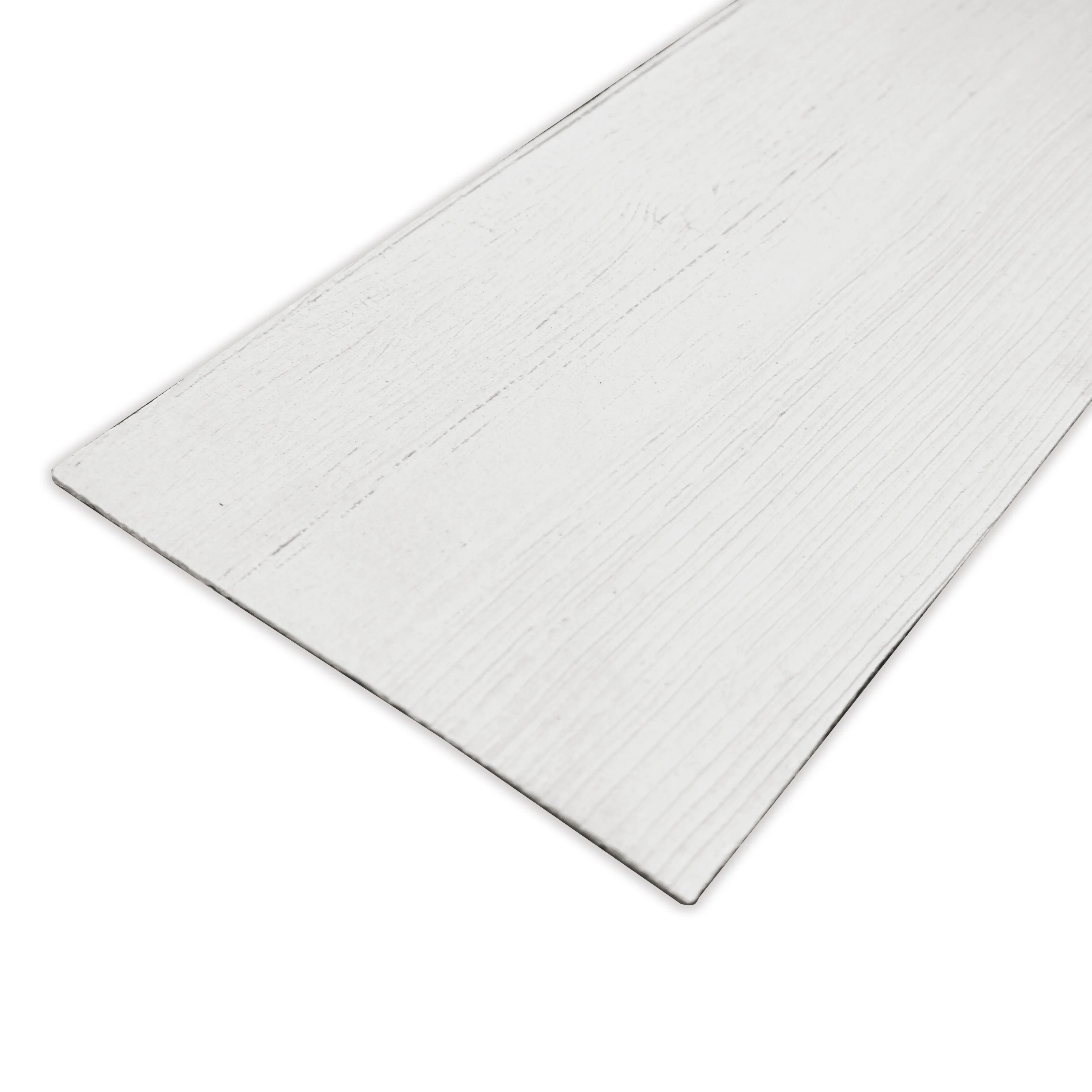
To make this easier, we've rounded up the top white wood materials contractors swear by. Think of this as your cheat sheet for client meetings—no more fumbling with samples or vague descriptions.
| Material | Best For | Durability (1-5) | Aesthetic Vibe | Sustainability | Price Range* |
|---|---|---|---|---|---|
| White Wood (Solid) | Indoor accent walls, furniture | 3/5 (needs sealing) | Classic, visible grain, warm white | Depends on sourcing (look for FSC) | $$$ |
| Wood Grain Board | Kitchen cabinets, bedroom wardrobes | 4/5 (resistant to warping) | Consistent grain, matte/satin finish | Often made with recycled wood fibers | $$ |
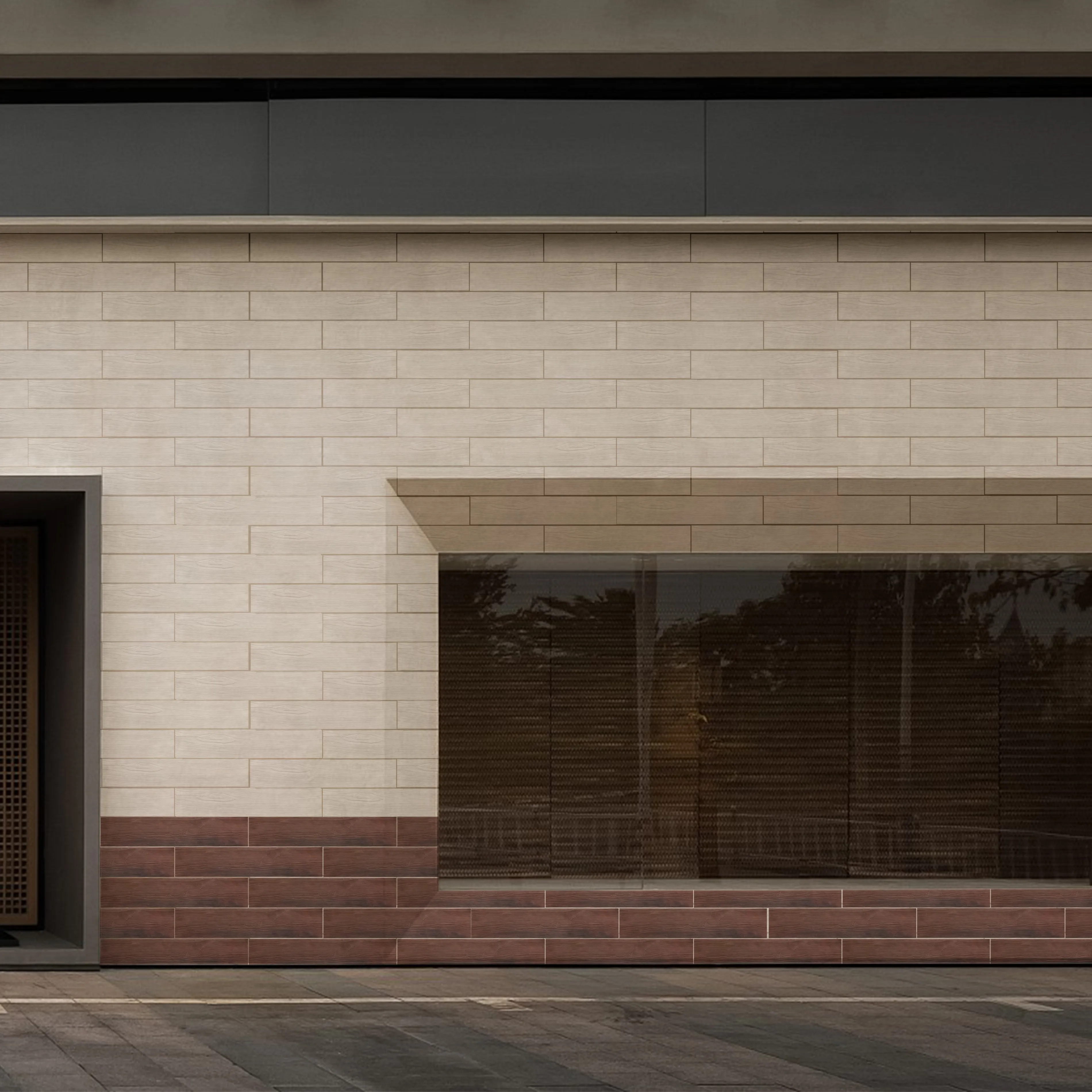
| Wood Concrete Board (Light Grey) | Outdoor decks, high-moisture areas | 5/5 (waterproof, scratch-resistant) | Modern, subtle wood-look texture | Low VOC, long lifespan reduces waste | $$$ |
| Bamboo Mat Board | Feature walls, ceiling panels | 4/5 (seal for moisture) | Natural, woven texture, creamy white | Fast-growing bamboo = eco-friendly | $$ |
| Charcoal Burnt Wood Board | Fireplaces, accent walls | 5/5 (charring resists pests, moisture) | Dramatic contrast (black exterior, pale interior) | Chemical-free preservation (traditional Japanese method) | $$$$ |
*Price ranges: $ = Budget, $$ = Mid-Range, $$$ = Premium, $$$$ = Luxury
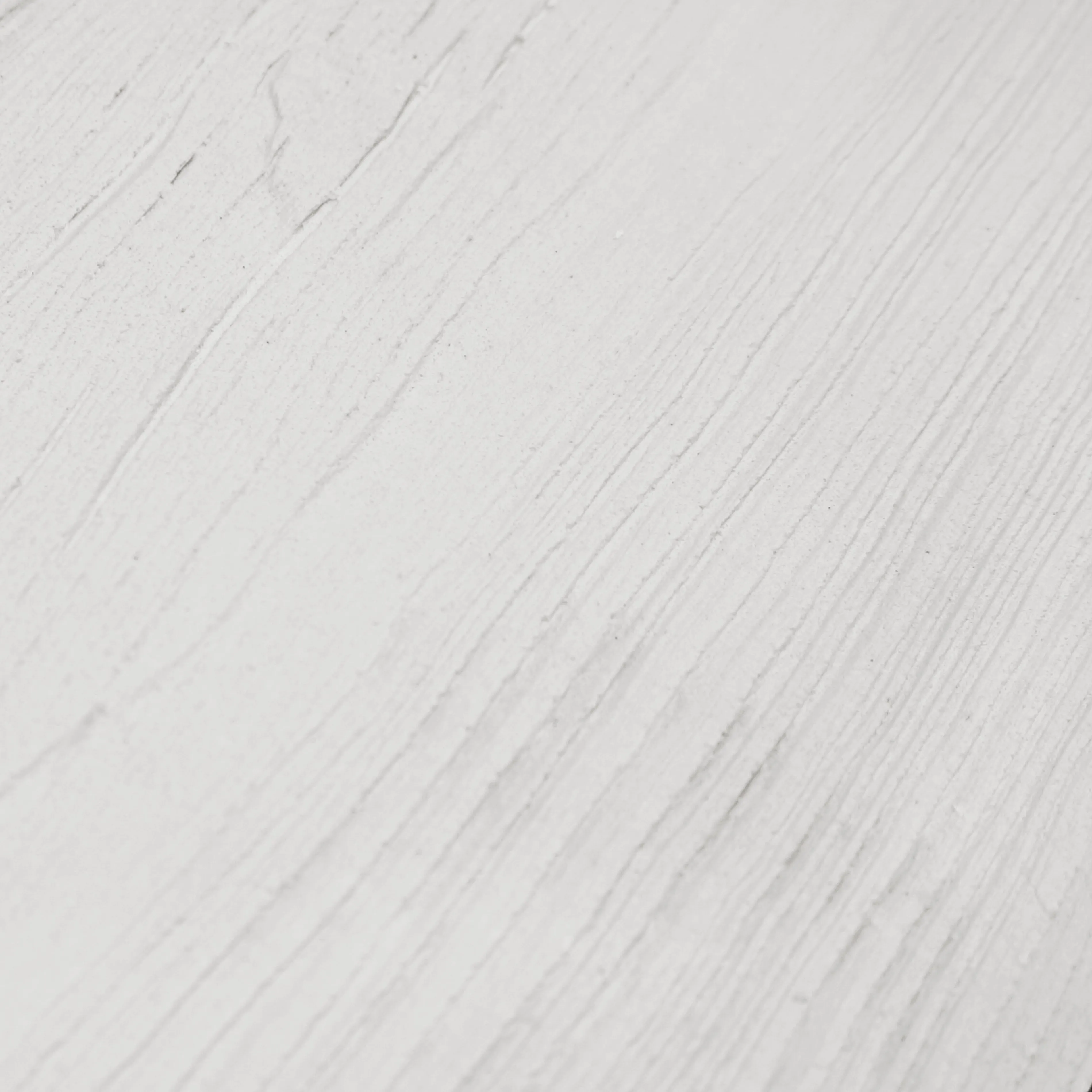
A few years back, I worked with a contractor buddy, Mike, on a beach house renovation. The client wanted a "light, breezy" outdoor shower with white wood walls. Mike, eager to please, went with solid white-stained cedar—beautiful, right? Six months later, the client called, panicking: the wood had turned gray from saltwater, and the corners were rotting. Ouch. We tore it out and replaced it with wood concrete board (light grey finish). Two years later, that shower still looks brand-new. Moral? Always factor in the environment. Beach air + solid wood = trouble. Wood concrete board? It's like the superhero of harsh climates.
Last year, a contractor friend, Lina, was hired to redo a small café in the city. The owner wanted "cozy but modern"—think white wood walls with black metal accents. Lina suggested bamboo mat board. At first, the owner was hesitant: "Will it look too 'crafty'?" But when they saw the samples in the space, with soft pendant lights highlighting the woven texture, they fell in love. Lina sealed it with a water-based clear coat to handle coffee spills, and now the café's Instagram is full of customers posing in front of that wall. "It's become our 'money shot,'" the owner told her. Bamboo mat board: proof that texture can make a space unforgettable.
Recommend Products












