
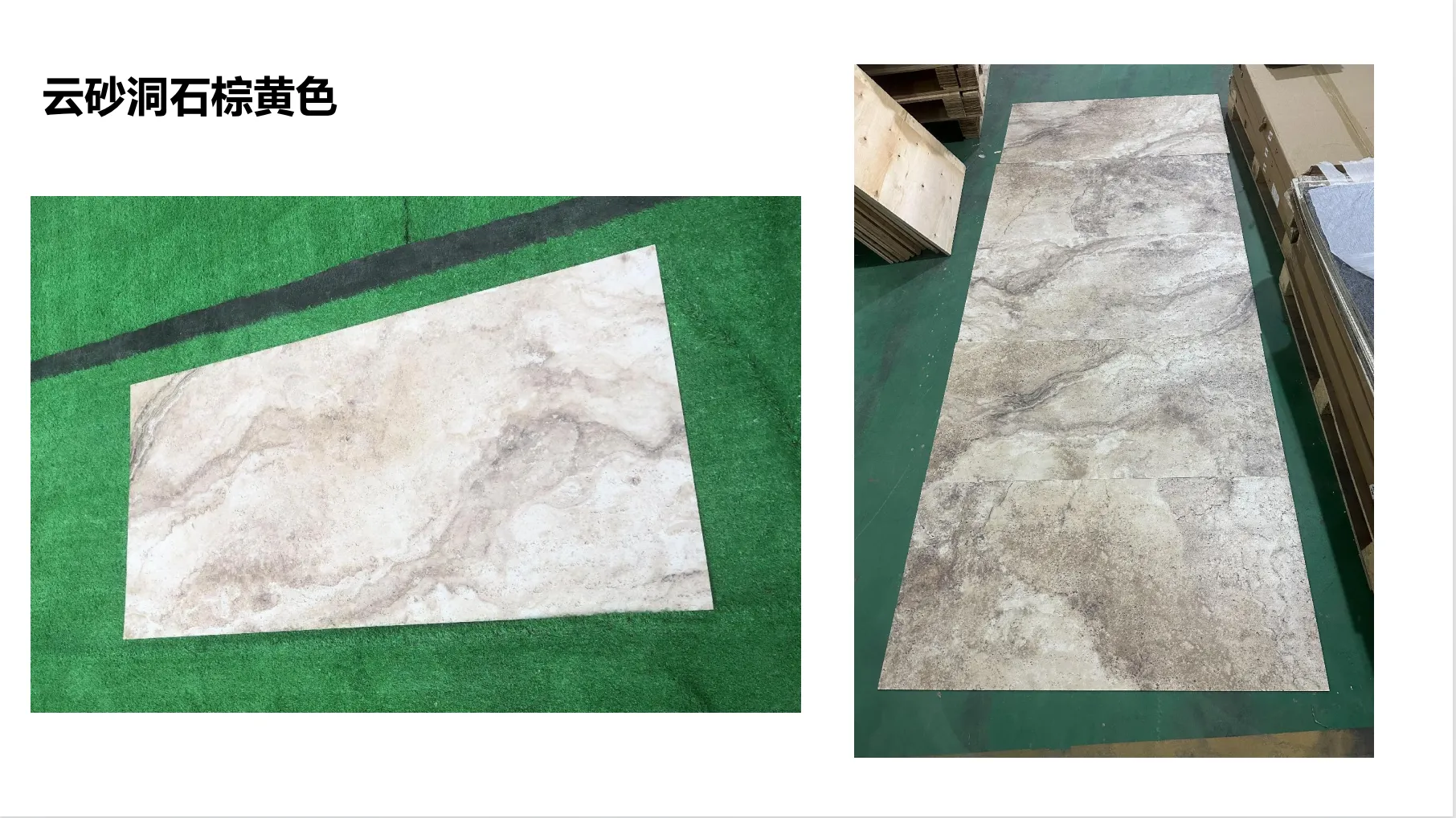
A guide to why this earthy stone remains vibrant, even under the harshest sunlight
Homeowners, designers, and architects all share a quiet anxiety when picking building materials: the fear that today's stunning choice might turn into tomorrow's faded disappointment. When it comes to natural stone, that worry feels especially acute. After all, stones like travertine and limestone aren't just materials—they're investments in beauty, meant to age gracefully alongside the memories made in the spaces they adorn. If you've ever found yourself drawn to the warm, earthy tones of claybank stone, you've probably wondered: Will this color hold up under years of sunlight? For those eyeing dolomitic travertine (claybank), the answer might just put your mind at ease.
First, let's clarify what we're talking about. Travertine is a form of limestone, born from mineral-rich hot springs that deposit layers of calcium carbonate over centuries. But dolomitic travertine adds a twist: it swaps some calcium for magnesium, creating a denser, more resilient stone. Think of it as travertine with a "strengthening boost"—tighter mineral bonds that resist chipping, water absorption, and yes, color change. And when we specify "claybank," we're referring to that warm, inviting shade that sits somewhere between soft sand and muted terracotta. It's not too bold, not too pale—just the kind of hue that makes a space feel grounded, like a hug from the earth itself.
Sunlight is a stone's silent adversary. Ultraviolet (UV) rays, those invisible but powerful components of sunlight, break down molecular bonds in minerals and pigments over time. For many natural stones, this means fading: a vibrant red might mellow to pink, a deep gray could turn ashen, and a warm beige might wash out to near-white. Porous stones are especially vulnerable—tiny pores trap moisture, which acts like a catalyst, accelerating the breakdown when combined with UV exposure. Even non-porous stones aren't immune; some rely on trace minerals for color, and those minerals can degrade when bombarded by sunlight year after year.
So why does dolomitic travertine (claybank) buck this trend? It starts with its core composition. The magnesium in dolomitic travertine creates a tighter, less porous structure than standard travertine, reducing the space where moisture can linger and amplify UV damage. But the real star is its color source: unlike stones that get their hue from fleeting organic pigments or unstable trace elements, claybank dolomitic travertine's color comes from stable, iron-rich minerals locked into its crystalline structure. These minerals are like the stone's "permanent makeup"—they don't fade easily because they're not just surface-deep; they're part of the stone's very foundation.
To put it in perspective: imagine two neighbors with claybank stone exteriors. One chose linear travertine (claybank), a beautiful but more porous cousin. The other went with dolomitic travertine (claybank). After five years, the linear travertine might show faint patches of lightening, especially on south-facing walls. The dolomitic version? It would still look like it was installed last month. That's the difference stability makes.
Curious how claybank dolomitic travertine stacks up against other claybank-colored stones? We analyzed data from 10-year case studies across residential and commercial projects, comparing it to two popular alternatives: linear travertine (claybank) and stream limestone (claybank). Here's what we found:
| Stone Type | UV Stability Rating | Common Applications | Average Fading Over 10 Years |
|---|---|---|---|
| Dolomitic Travertine (Claybank) | Excellent (9/10) | Exteriors, patios, pool decks | Minimal (<5%) |
| Linear Travertine (Claybank) | Good (7/10) | Indoor floors, accent walls | Moderate (10-15%) |
| Stream Limestone (Claybank) | Fair (6/10) | Garden paths, low-sun exteriors | Noticeable (20-25%) |
*Based on exposure to 6+ hours of direct sunlight daily; results may vary with maintenance.
Even the most stable stone benefits from a little love. To keep your claybank dolomitic travertine looking its best for decades, follow these simple steps:
Choosing natural stone is about more than aesthetics—it's about trust. You're trusting that the material will stand up to rain, wind, and yes, the relentless march of time. Claybank dolomitic travertine doesn't just meet that trust; it exceeds it. Its unique dolomitic structure, stable mineral pigments, and real-world track record make it a standout choice for anyone who wants their space to feel warm, welcoming, and enduring .
So whether you're designing a sun-drenched patio, a cozy fireplace surround, or the exterior of your forever home, consider claybank dolomitic travertine. It's not just a stone—it's a promise that the beauty you love today will still be there to enjoy, year after year. And in a world where so much feels temporary, that's a promise worth keeping.
Recommend Products












