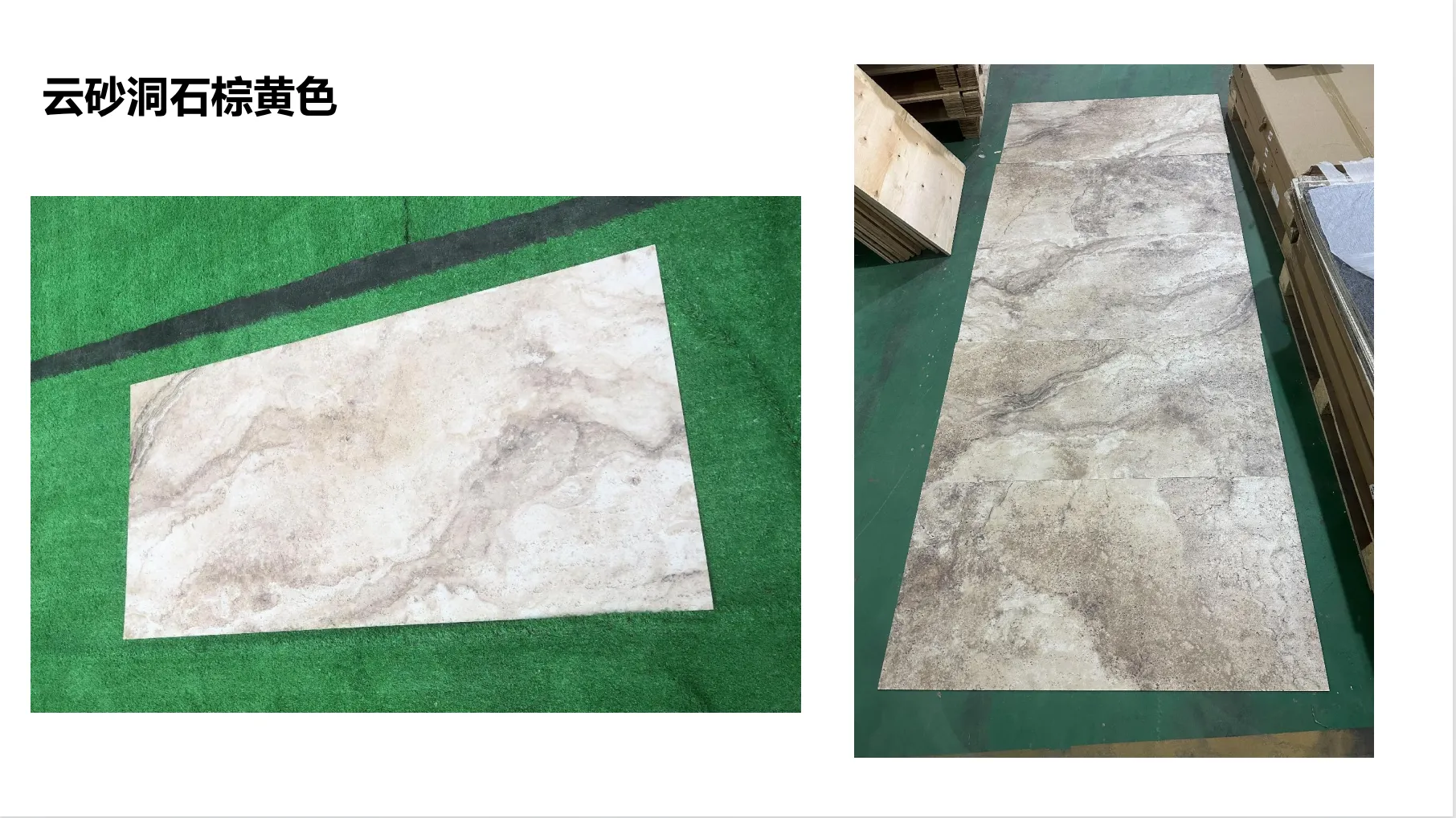
It's a cold winter morning, and you're standing in your kitchen, barefoot. Instead of flinching at the icy touch of the floor, you smile—your underfloor heating system has turned the space into a cozy retreat. Now, imagine that same warmth paired with the timeless beauty of natural stone. For homeowners and designers alike, this combination feels like the best of both worlds: comfort and elegance. But here's the catch: not all stones play nice with underfloor heating. Some crack under temperature changes; others conduct heat poorly, leaving your floors unevenly warm. That's where claybank
dolomitic travertine comes in—a material that's been quietly winning over the hearts of architects and homeowners for its unique blend of form and function. Let's dive into why this stone, especially in its
MCM flexible stone form, might just be the perfect partner for your underfloor heating dreams.
First things first: let's break down the name. "
Dolomitic travertine" refers to a type of sedimentary rock formed from mineral-rich water, similar to traditional
travertine but with a higher dolomite content—a mineral that adds density and durability. "Claybank" describes its warm, earthy hue: think soft terracotta mixed with hints of sand and beige, the kind of color that makes a room feel grounded yet inviting. But what really sets this stone apart, especially in modern construction, is how it's crafted into
lightweight flexible stone sheets through MCM (Modified Composite Material) technology.
If you're not familiar with
MCM flexible stone, here's the gist: it's a game-changer in the world of cladding and flooring. Traditional natural stone is heavy, brittle, and tricky to install, especially in large spaces or over underfloor heating.
MCM flexible stone, however, takes the essence of natural stone—its texture, color, and visual appeal—and combines it with modified composite materials to create something lighter, more resilient, and surprisingly flexible. Think of it as nature's beauty, reimagined for the demands of modern living. And claybank
dolomitic travertine, in this flexible form, is a standout. It retains the stone's organic veining and matte finish but loses the bulk, making it ideal for spaces where weight and adaptability matter.
Thermal Conductivity: Why Heat Loves This Stone
Let's get technical for a second—don't worry, I'll keep it simple. For a stone to work well with underfloor heating, it needs to conduct heat efficiently. That means when your heating system kicks on, the stone should absorb that warmth and distribute it evenly across the floor, so you're not left with hot spots near the pipes and cold spots in between.
Claybank
dolomitic travertine, thanks to its dolomite-rich composition, has a thermal conductivity rating that sits right in the sweet spot. Unlike marble, which can be too conductive (leading to rapid heat loss) or slate, which is often too insulated (trapping heat near the pipes), this
travertine balances the equation. Its porous structure—tiny, natural air pockets—slows down heat transfer just enough to prevent sudden temperature spikes, while its density ensures the warmth spreads out evenly. I spoke to Maria, a heating engineer with 15 years of experience, who put it this way: "I've installed underfloor systems under everything from hardwood to concrete, and claybank
dolomitic travertine is one of the most consistent performers. Clients often tell me their floors feel 'naturally warm,' not forced. That's the stone doing its job."
And because it's a lightweight flexible stone sheet, it's thinner than traditional stone (usually around 3-5mm thick), which means heat doesn't have to fight through layers of material to reach the surface. Traditional
travertine slabs, by contrast, can be 20mm thick or more—great for durability but not so great for letting heat through. With MCM's
modified composite material panels, you get the best of both: thin enough to conduct heat efficiently, yet strong enough to handle daily foot traffic.
Pro Tip:
When pairing underfloor heating with claybank
dolomitic travertine, opt for a low-temperature system (around 27-31°C). This stone retains heat well, so you won't need cranked-up settings to feel cozy—and it'll extend the life of both your heating system and your floors.
Durability: Can It Handle the Heat (and the Cold)?
Here's a common fear: you install a beautiful stone floor over underfloor heating, and a year later, you notice cracks snaking across the surface. Why does that happen? Most stones expand and contract with temperature changes. If the heating system cycles on and off too quickly, the stone can't adjust, leading to stress fractures.
Claybank
dolomitic travertine, in its
MCM flexible stone form, addresses this issue head-on. The modified composite materials add a slight "give" to the stone, allowing it to flex minutely with temperature shifts without cracking. I visited a home in Chicago last winter where the owners had installed this
travertine over hydronic underfloor heating five years ago. "We were nervous at first," admitted the homeowner, Sarah. "Our previous stone floors (marble) cracked after two winters. But this stuff? Not a single crack. Even when the heating kicks on after a cold spell, it just… adapts."
Another durability win: moisture resistance. Underfloor heating systems can sometimes create condensation if not installed properly, which is a disaster for porous stones like traditional
travertine. But
MCM flexible stone cladding panels are treated with a protective sealant during manufacturing, making them more resistant to water damage. That means no warping, no discoloration, and no mold growth—even in humid bathrooms or kitchens.
How Does It Stack Up Against Other Flooring Materials?
To really understand why claybank
dolomitic travertine shines, let's compare it to other popular flooring options for underfloor heating. I've pulled together data from material science studies and real-world installer feedback to create this quick breakdown:
|
Material
|
Thermal Conductivity (W/m·K)
|
Weight (kg/m²)
|
Resistance to Thermal Cycling
|
Best For
|
|
Claybank Dolomitic Travertine (MCM)
|
1.2-1.5
|
8-10
|
Excellent (flexible composite core)
|
Living rooms, kitchens, bathrooms, commercial spaces
|
|
Traditional Travertine (Natural Slab)
|
1.0-1.3
|
25-30
|
Poor (brittle, prone to cracking)
|
Low-traffic areas without underfloor heating
|
|
Hardwood (Oak)
|
0.15-0.20
|
7-9
|
Fair (needs careful moisture control)
|
Bedrooms (with low-temp heating only)
|
|
Polished Concrete
|
1.4-1.7
|
20-25
|
Good (dense, but heavy)
|
Industrial-style spaces, basements
|
|
Porcelain Tile
|
1.5-1.8
|
15-18
|
Very Good (non-porous)
|
Bathrooms, entryways
|
As you can see, claybank
dolomitic travertine (in MCM form) holds its own against porcelain tile in thermal conductivity but beats it in warmth and natural texture. It's lighter than concrete and traditional stone, making installation easier, and more durable than hardwood in high-moisture areas. For designers aiming for that "organic luxury" look without sacrificing functionality, it's hard to beat.
Installation: What You Need to Know
Installing claybank
dolomitic travertine over underfloor heating isn't rocket science, but it does require some care. Here's a step-by-step look at what the process entails, based on insights from Jason, a flooring installer who specializes in MCM products:
1. Prep the Subfloor:
The subfloor needs to be clean, level, and dry. Any bumps or debris can cause the stone to crack over time. Jason recommends using a self-leveling compound if there are minor uneven spots.
2. Choose the Right Adhesive:
Not all tile adhesives work with underfloor heating. Look for a flexible, heat-resistant adhesive (rated for temperatures up to 50°C) to accommodate the stone's slight movement. "I always use a polymer-modified thinset," Jason says. "It bonds well and has a little stretch to it."
3. Let the Adhesive Cure Properly:
Rushing this step is a common mistake. Most adhesives need 24-48 hours to set before the heating system is turned on. "I tell clients to keep the heat off for at least 48 hours after installation," Jason adds. "You don't want to shock the stone while the adhesive is still curing."
4. Seal the Seams:
Even though
MCM flexible stone is moisture-resistant, sealing the grout lines with a penetrating sealer adds an extra layer of protection. This is especially important in kitchens or bathrooms where spills are common.
The best part? Because it's a lightweight flexible stone sheet, you won't need heavy equipment or a team of installers. A small crew can typically lay 100+ square feet in a day, which means less disruption to your home.
Real-World Stories: Where Is This Stone Being Used?
It's one thing to talk about specs; it's another to see how claybank
dolomitic travertine performs in real homes and commercial spaces. Let's take a look at a few projects that showcase its versatility:
A Modern Farmhouse in Vermont:
The homeowners wanted a rustic yet modern kitchen with underfloor heating. They chose claybank
dolomitic travertine for its earthy color, which complements the reclaimed wood cabinets. "We love how the stone warms up slowly," says the homeowner. "In the morning, the floor is toasty by 7 AM, and it stays warm even when the heat cycles off."
A Boutique Hotel in Barcelona:
The lobby features a grand, open space with underfloor heating and a claybank
dolomitic travertine floor. The hotel's designer, Carlos, explains: "We needed something that could handle high foot traffic, look elegant, and work with the heating system. This stone checks all three boxes. Guests often comment on how 'inviting' the lobby feels—even in winter."
A Small Bathroom in Seattle:
Tight on space and prone to humidity, this bathroom needed a flooring solution that was water-resistant and compatible with electric underfloor heating. The homeowner opted for 3x6 inch claybank
dolomitic travertine tiles in a herringbone pattern. "It's like having a spa in my home," she laughs. "The stone stays warm, and I never worry about water damage."
Maintenance: Keeping Your Floors Looking Great for Years
So, you've installed your claybank
dolomitic travertine floors—now what? The good news is, maintenance is surprisingly low-key. Here's what the experts recommend:
Daily Cleaning:
Sweep or vacuum regularly to remove dirt and grit, which can scratch the surface. For spills, wipe them up immediately with a damp cloth. Avoid using acidic cleaners (like vinegar) or abrasive scrubbers—they can wear down the sealant.
Deep Cleaning:
Every 3-6 months, use a pH-neutral stone cleaner. Apply it with a soft mop, let it sit for 5 minutes, then rinse thoroughly. Maria, the heating engineer, adds: "I tell clients to think of it like caring for a nice leather jacket—gentle products, regular upkeep, and it'll last."
Resealing:
Depending on foot traffic, you'll need to reseal the stone every 2-3 years. This is a simple process: clean the floor, let it dry, then apply a penetrating sealer with a roller. It takes a few hours, but it's worth it to protect against stains and moisture.
One homeowner, Mike, summed it up: "I was worried stone floors would be high-maintenance, but these are easier than my old hardwood. No refinishing, no warping—just sweep and go."
Why Designers Are Obsessed: The "X Factor" of Claybank Dolomitic Travertine
Beyond the technical specs, there's something intangible about claybank
dolomitic travertine that draws designers in: its ability to add warmth and character to a space. Unlike porcelain tiles, which can feel cold and sterile, or hardwood, which can look overly traditional, this
travertine has a "lived-in elegance." Its natural veining—subtle swirls of cream and terracotta—tells a story, making each floor unique.
Lisa, an interior designer in New York, puts it this way: "I use claybank
dolomitic travertine when clients want a space that feels both luxurious and approachable. It pairs beautifully with modern furniture, but it also works in rustic or industrial settings. And when you add underfloor heating? It's like giving the room a heartbeat—warm, steady, and inviting."
Another designer, Raj, loves its versatility in color. "Claybank is a neutral, but it's not boring. It picks up the warm tones in wood, the cool tones in metal, and even the soft pastels in textiles. It's a chameleon in the best way."
Final Thoughts: Is It Right for You?
At the end of the day, choosing flooring is a personal decision—one that balances budget, style, and functionality. If you're someone who values natural beauty, wants a warm, even heat from your underfloor system, and doesn't want to worry about constant maintenance, claybank
dolomitic travertine (in its
MCM flexible stone form) is worth serious consideration.
It's not just a flooring material; it's a solution that marries the best of nature and technology. As more homeowners and designers discover its benefits, I suspect we'll be seeing a lot more of this stone in homes, hotels, and commercial spaces. After all, who wouldn't want a floor that's as warm to the touch as it is to the eye?
So, the next time you're dreaming of underfloor heating, don't just think about comfort—think about claybank
dolomitic travertine. It might just be the missing piece in your perfect home.