
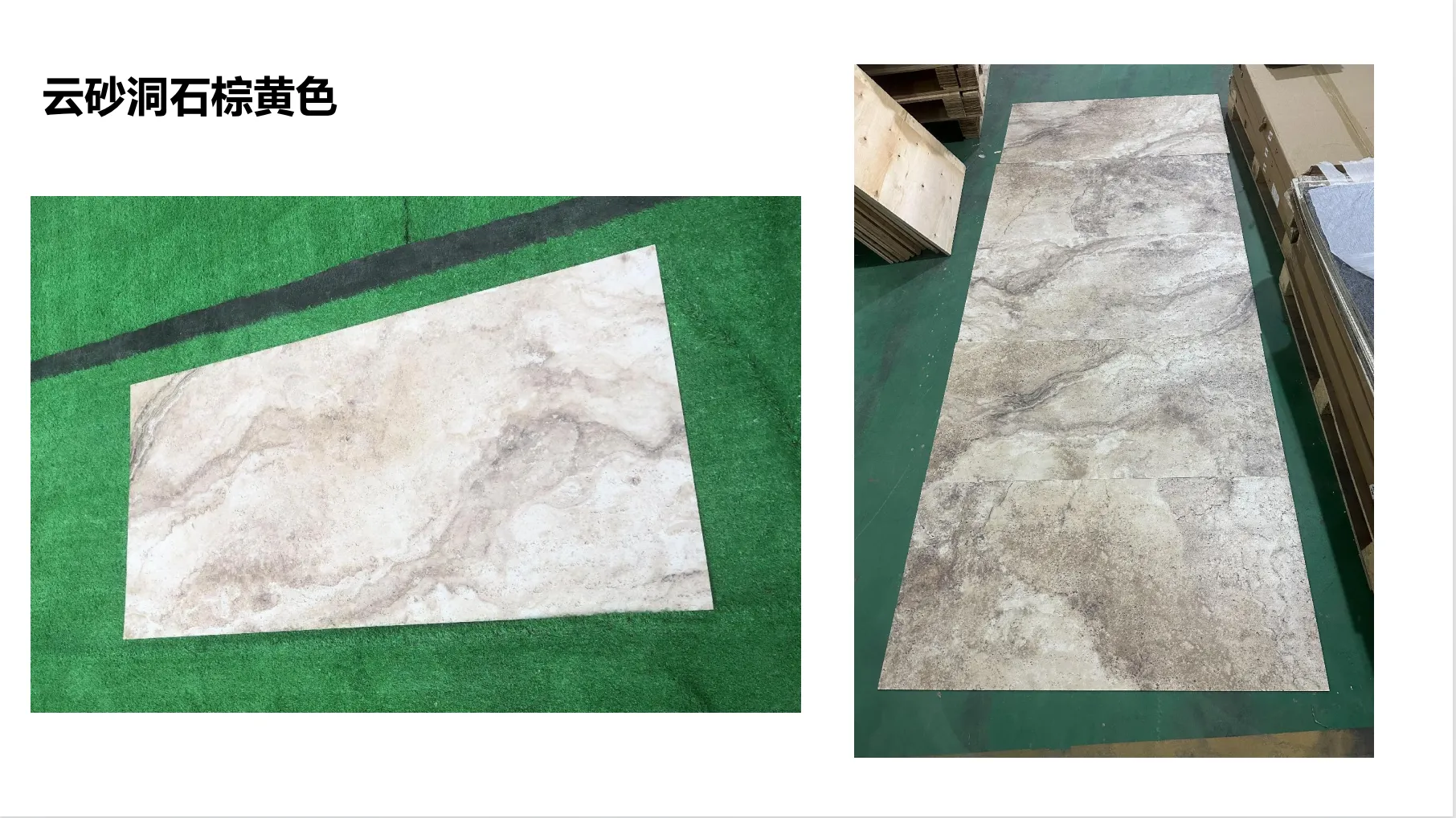
In the world of modern interior design, where minimalism meets warmth and functionality dances with beauty, few materials feel as inherently "human" as natural stone. It carries the weight of time, the texture of the earth, and a quiet versatility that transforms houses into homes. Among these natural wonders, claybank dolomitic travertine stands out—not just for its durability or aesthetic appeal, but for its ability to adapt, to complement, and to tell a story. Its soft, earthy claybank hue, streaked with whispers of beige and gray, isn't just a color; it's a canvas. A canvas that invites you to paint with light, texture, and color, creating spaces that feel both grounded and alive. Today, we're diving into the art of pairing this remarkable stone with modern interior color palettes, exploring how it harmonizes with materials like fair-faced concrete and wood grain board, and how it can turn any room into a reflection of your unique style.
Before we talk about color palettes, let's take a moment to appreciate the star of the show: claybank dolomitic travertine. Unlike polished marbles that shout for attention or rough slates that lean strictly rustic, this travertine strikes a delicate balance. Formed over centuries by mineral-rich hot springs, it carries the marks of its journey—subtle pits, gentle veining, and a matte finish that softens light rather than reflecting it harshly. Its base color, a warm claybank, is reminiscent of sun-baked earth, the kind that feels cool underfoot on a summer morning and cozy against the skin on a winter evening.
What truly sets dolomitic travertine apart, though, is its composition. Blending calcium carbonate with dolomite (a mineral rich in magnesium), it's harder and more resistant to wear than traditional travertine, making it practical for high-traffic areas like kitchens and entryways. But don't let its durability fool you—this stone has a gentle soul. Run your hand over its surface, and you'll feel the subtle indentations, the organic rhythm of its texture. It doesn't demand to be noticed; it invites you to lean in, to appreciate the details, to feel at home.
In modern design, where "less is more" often reigns, this understated elegance is a superpower. Claybank dolomitic travertine doesn't compete with bold decor or vibrant accent walls; it anchors them. It turns a stark white room into a sanctuary, a cold concrete space into a retreat, and a cluttered corner into a calm focal point. It's the kind of material that grows with you—acquiring a patina over the years, telling the story of family dinners, lazy Sundays, and quiet mornings.
The beauty of claybank dolomitic travertine lies in its neutrality—not the boring, blank-slate kind of neutrality, but the rich, complex kind that acts as a bridge between colors. Think of it as a warm hug that makes any accent color feel welcome. Below are four core palettes that play to its strengths, each offering a different mood and personality.
You can never go wrong with a neutral palette, and when paired with claybank travertine, it becomes something truly special. Start with soft whites (think "Ivory Whisper" or "Cloud Dancer") on the walls to amplify light, then layer in warm beiges ("Sandy Toes") and gentle grays ("Dove Feather") for depth. The travertine's claybank hue acts as the perfect middle ground, tying the whites and grays together into a cohesive, serene space.
For a modern twist, introduce fair-faced concrete elements—a coffee table, a fireplace surround, or even ceiling panels. The concrete's raw, industrial texture contrasts beautifully with the travertine's organic warmth, creating a balance of hard and soft. Add in linen cushions in oatmeal and throw blankets in heather gray, and you've got a living room that feels like a quiet afternoon spent reading by the window—calm, grounded, and utterly inviting.
If "cozy" is your design mantra, lean into warm accents that complement the travertine's earthy base. Terracotta, amber, and burnt sienna are natural allies here—think a terracotta accent wall in the dining room, amber glass pendant lights over the kitchen island, or burnt sienna throw pillows on the sofa. These colors echo the travertine's claybank tones, creating a space that feels like a hug on a rainy day.
To enhance the warmth, pair the travertine with wood grain board—flooring, cabinetry, or even a statement wall. The wood's natural grains and honeyed tones deepen the connection to nature, turning a bedroom into a cabin retreat or a kitchen into a gathering spot for Sunday brunch. Opt for light oak or ash to keep the space from feeling too heavy, and add in brass hardware (towel racks, drawer pulls) for a touch of vintage charm. The result? A room that doesn't just look warm—it feels warm, from the soles of your feet to the top of your head.
For those who prefer a crisper, more contemporary vibe, cool accents can make the travertine's claybank hue pop with unexpected energy. Sage green, sky blue, and soft mint are perfect here—colors that evoke morning dew on leaves or a clear summer sky. Imagine a sage green sofa against a travertine accent wall in the living room, or sky blue backsplash tiles paired with travertine countertops in the kitchen. The contrast between the cool accents and the travertine's warmth creates a dynamic, refreshing space that feels modern without being sterile.
To keep the look cohesive, introduce stream limestone (claybank) as a secondary stone—maybe as a backsplash or a bathroom floor. Its lighter claybank shade mirrors the travertine, while its smoother texture adds a subtle layer of interest. Finish the space with chrome or brushed nickel fixtures, and you've got a bathroom that feels like a spa, or a home office that sparks creativity with its fresh, balanced energy.
Monochromatic design is all about using different shades of the same color to create depth, and claybank dolomitic travertine is a masterclass in this approach. Stick to varying tones of beige, taupe, and claybank—from almost-white to deep, rich brown—and let the travertine's veining and texture do the talking. A travertine fireplace wall in the living room, paired with taupe linen curtains and a beige wool rug, feels sophisticated and serene, while a travertine backsplash with claybank cabinetry in the kitchen creates a seamless, calming flow.
To avoid the space feeling flat, mix textures: smooth travertine against rough-hewn wood grain board shelves, matte paint against glossy ceramic vases, soft textiles against hard stone. Add in a few metallic accents—lunar peak golden picture frames, a brass floor lamp—and you've got a monochromatic space that's anything but boring. It's bold in its simplicity, a testament to the idea that sometimes, less really is more.
Color is just one part of the design puzzle; texture is where the magic happens. Claybank dolomitic travertine, with its tactile surface, plays well with a variety of materials, each adding its own chapter to the room's story. Let's explore a few pairings that elevate the travertine from "nice stone" to "design masterpiece."
Wood and stone have been design soulmates for centuries, and for good reason. Wood grain board, with its organic patterns and warm tones, complements the travertine's earthy texture like no other material. In the dining room, a travertine tabletop paired with a wood grain board base feels both rustic and refined—perfect for family meals and dinner parties alike. In the bedroom, a travertine accent wall behind the bed, flanked by wood grain board nightstands, creates a cozy, cabin-like vibe that makes falling asleep feel like coming home.
Opt for lighter woods like pine or ash to keep the space airy, or darker woods like walnut or mahogany for drama. Either way, the combination of travertine and wood grain board feels inherently human—grounded in nature, yet shaped by craftsmanship. It's the kind of pairing that makes a house feel lived-in, loved, and full of stories.
Concrete might seem like an unlikely partner for a soft stone like travertine, but their contrast is what makes them work. Fair-faced concrete—with its raw, unpolished surface and cool gray tones—adds an industrial edge to the travertine's warmth, creating a space that feels modern and edgy without being cold. In the kitchen, travertine countertops paired with fair-faced concrete cabinetry make a bold statement, while in the bathroom, a concrete shower pan with travertine walls balances hard and soft for a spa-like retreat.
The key to this pairing is balance: use concrete sparingly to avoid overwhelming the space, and let the travertine take center stage. Add in warm lighting (think pendant lights with amber glass shades) to soften the concrete's coolness, and you've got a design that feels like a warehouse converted into a home—industrial, yes, but with a heart of gold.
For those who love a little glamour, lunar peak golden accents can turn a travertine space from lovely to luxurious. This warm metallic—think brushed gold or antique brass—complements the travertine's claybank hue, adding a touch of elegance without feeling over-the-top. Use it in small doses: hardware on kitchen cabinets, picture frames on the walls, or a lunar peak golden mirror above the fireplace. The gold catches the light, reflecting it onto the travertine's surface and enhancing its warm, earthy tones.
In the bedroom, a travertine accent wall with a lunar peak golden chandelier feels like a hotel suite, while in the entryway, a travertine floor with a gold console table makes guests feel welcome the moment they walk in. It's luxury with restraint—proof that a little glitz can go a long way when paired with the right stone.
Now that we've covered palettes and pairings, let's dive into how to apply these ideas in every room of the house. From the living room to the bathroom, claybank dolomitic travertine can transform any space—you just need to know how to use it.
The living room is where we gather, so it should feel welcoming and versatile. A travertine accent wall behind the sofa is a great starting point—paint the remaining walls in a soft white ("Alabaster" by Sherwin-Williams works beautifully) to keep the space bright. Add a fair-faced concrete coffee table for industrial edge, and wood grain board bookshelves flanking the fireplace for warmth. Layer in a jute rug (natural fiber, neutral tone) and linen sofas in oatmeal, with throw pillows in terracotta and sage for pops of color. Hang a lunar peak golden mirror above the fireplace to reflect light, and finish with a floor lamp with a woven shade for texture. The result? A living room that's perfect for movie nights with the kids, game days with friends, or quiet evenings alone with a book.
The kitchen is the busiest room in the house, so it needs to be both functional and beautiful. Travertine countertops are a durable, stylish choice—their matte finish hides fingerprints, and their warm hue makes even the simplest meal feel special. Pair them with white cabinetry for a clean, modern look, or wood grain board cabinets for a cozier vibe. Add a backsplash of stream limestone (claybank) to tie the countertops to the walls, and install fair-faced concrete pendant lights above the island for industrial flair. Finish with brass hardware (lunar peak golden, of course) and open shelving to display your favorite dishes. This kitchen doesn't just look good—it works hard, too, making morning coffee and evening dinners feel like a joy rather than a chore.
The bedroom should be a sanctuary, and travertine can help create that vibe. An accent wall behind the bed—clad in travertine—adds texture and warmth, while soft lighting (bedside lamps with linen shades) enhances the stone's cozy feel. Pair the wall with wood grain board flooring and a plush rug in cream or taupe to keep the space soft underfoot. Opt for bedding in neutral tones (ivory, oatmeal, light gray) with pops of color in the pillows (terracotta, sage) for personality. Add a lunar peak golden alarm clock and a concrete vase with dried lavender on the nightstand, and you've got a bedroom that feels like a luxury hotel suite—calm, quiet, and utterly relaxing.
Lighting is Everything: Travertine's claybank hue shifts with light—warm morning sun makes it glow, while cool afternoon light brings out its gray undertones. Test your paint colors and material pairings in the actual space at different times of day to ensure they work in all lighting.
Mix Textures, Not Just Colors: Smooth travertine + rough concrete + soft linen = a space that feels layered and interesting. Don't be afraid to combine different textures—they'll add depth without overwhelming the eye.
Sample Before You Commit: Stone varies, so order a sample of the travertine and take it home. Hold it against your walls, your furniture, your fabrics. See how it looks in your space before making a decision—you'll be glad you did.
Embrace Imperfection: Travertine's pits and veining are part of its charm. Don't try to hide them—celebrate them! They tell the stone's story, and they'll make your space feel unique and authentic.
| Palette Name | Primary Color | Accent Colors | Material Pairings | Mood |
|---|---|---|---|---|
| Neutral Calm | Claybank (travertine) | White, Gray, Oatmeal | Fair-faced concrete, Linen | Serene, Grounded |
| Warm Embrace | Claybank (travertine) | Terracotta, Amber, Burnt Sienna | Wood grain board, Brass (Lunar Peak Golden) | Cozy, Inviting |
| Cool Contrast | Claybank (travertine) | Sage, Sky Blue, Mint | Stream Limestone (Claybank), Chrome | Fresh, Dynamic |
| Monochromatic Depth | Claybank (travertine) | Beige, Taupe, Brown | Wood grain board, Fair-faced concrete | Sophisticated, Bold |
Claybank dolomitic travertine isn't just a building material—it's a collaborator. It works with you, adapts to your style, and turns your design ideas into reality. Whether you pair it with fair-faced concrete for an industrial edge, wood grain board for a cozy vibe, or lunar peak golden for a touch of luxury, it brings warmth, texture, and life to every space. It's a stone that doesn't just fill a room—it completes it, turning houses into homes and spaces into stories.
So go ahead—experiment. Mix colors, play with textures, and let your personality shine. After all, the best designs are the ones that feel like you. And with claybank dolomitic travertine by your side, you can't go wrong. Here's to creating spaces that feel as warm, unique, and wonderful as the people who live in them.
Recommend Products












