


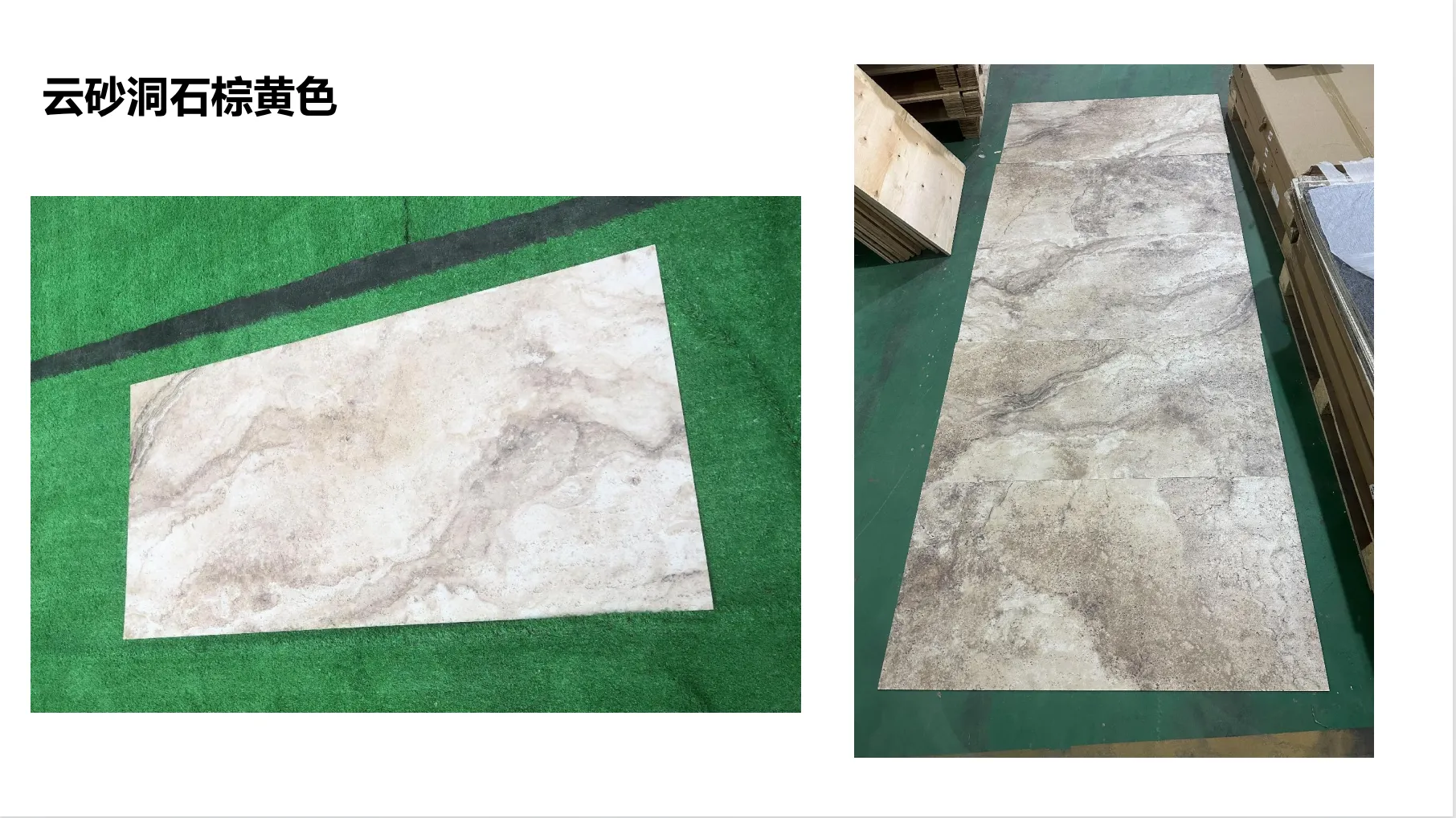
Close your eyes and picture a landscape where time moves slowly—where mineral-rich waters have, over centuries, layered calcium carbonate into soft, porous stone. That's the origin story of travertine, but Claybank Dolomitic Travertine adds a unique twist. Unlike its creamier cousins, this variation carries the warm, sun-kissed hue of "claybank"—a shade that evokes sunbaked earth, old brick, and the quiet comfort of a well-loved home. Its dolomitic composition, rich in magnesium, gives it a subtle strength, while its natural veining—soft grays and terracottas—tells a visual story of the geological forces that shaped it.
What truly sets it apart, though, is its texture. Run a hand over a panel, and you'll feel a gentle, matte finish that avoids the cold sterility of polished stone. It's a texture that invites touch, that catches light in soft, diffused patterns rather than harsh reflections. In a world where so much of our environment feels mass-produced, this stone feels alive —like a piece of the earth, carefully preserved and placed into our built spaces.
Architects and designers have taken note. "Claybank Dolomitic Travertine isn't just a material; it's a mood," says Elena Marquez, a sustainable design consultant based in Barcelona. "I used it for a community library last year, and the feedback was immediate. People didn't just comment on the 'walls'—they talked about how the space felt 'welcoming,' 'grounded.' That's the power of a material that connects us to nature without screaming for attention."










